The allure of Cyprus extends beyond its sapphire waters and sun-drenched landscapes; it resides equally in the sophisticated residences that dot its coastline and hills. For discerning international buyers, the quality of a property's design is paramount, particularly how it addresses the island's unique climate. Modern Cyprus villa design increasingly draws upon millennia of indigenous architectural wisdom, adapting timeless principles of shading, natural ventilation, and material selection to contemporary luxury residences.
Embracing the Climate: A Design Imperative
Cyprus experiences long, warm summers and mild winters, a climate that historically shaped building practices across the Mediterranean. Traditional homes were not merely structures but sophisticated climatic responses, designed to offer refuge from the intense summer sun and maximise comfort with minimal mechanical intervention. Today, leading architects in cities like Limassol and Paphos are reinterpreting these lessons, creating villas that are both aesthetically striking and inherently sustainable. This approach moves beyond mere decoration to fundamental aspects of building performance.
The Art of Shading and Light Management
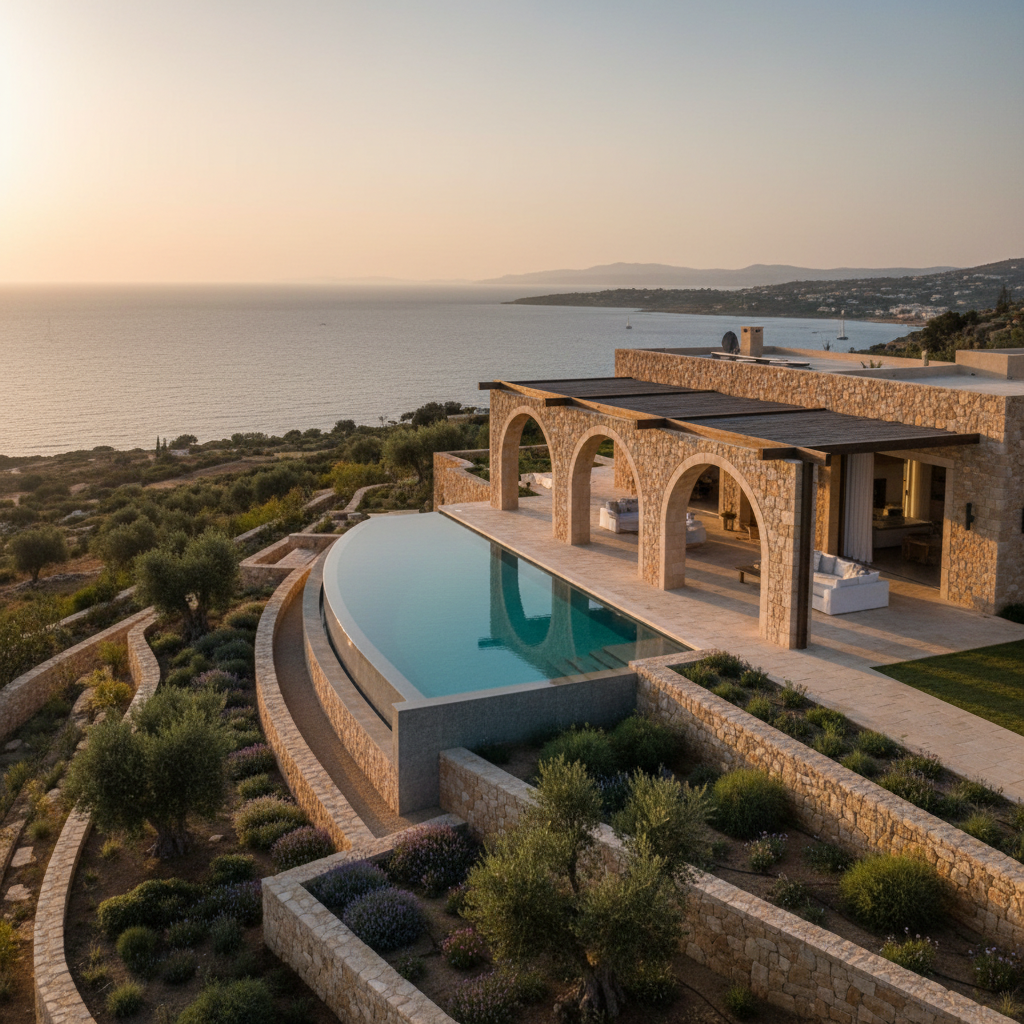
One of the most critical elements in Mediterranean architecture, Cyprus villas included, is effective shading. Large overhangs, deep verandas, pergolas, and strategically placed louvres are not merely decorative features; they are essential for mitigating solar gain. These architectural gestures create expansive outdoor living spaces that are usable throughout the day, extending the footprint of the home into its immediate surroundings. They also protect interior spaces from direct sunlight, reducing the need for air conditioning and enhancing energy efficiency.
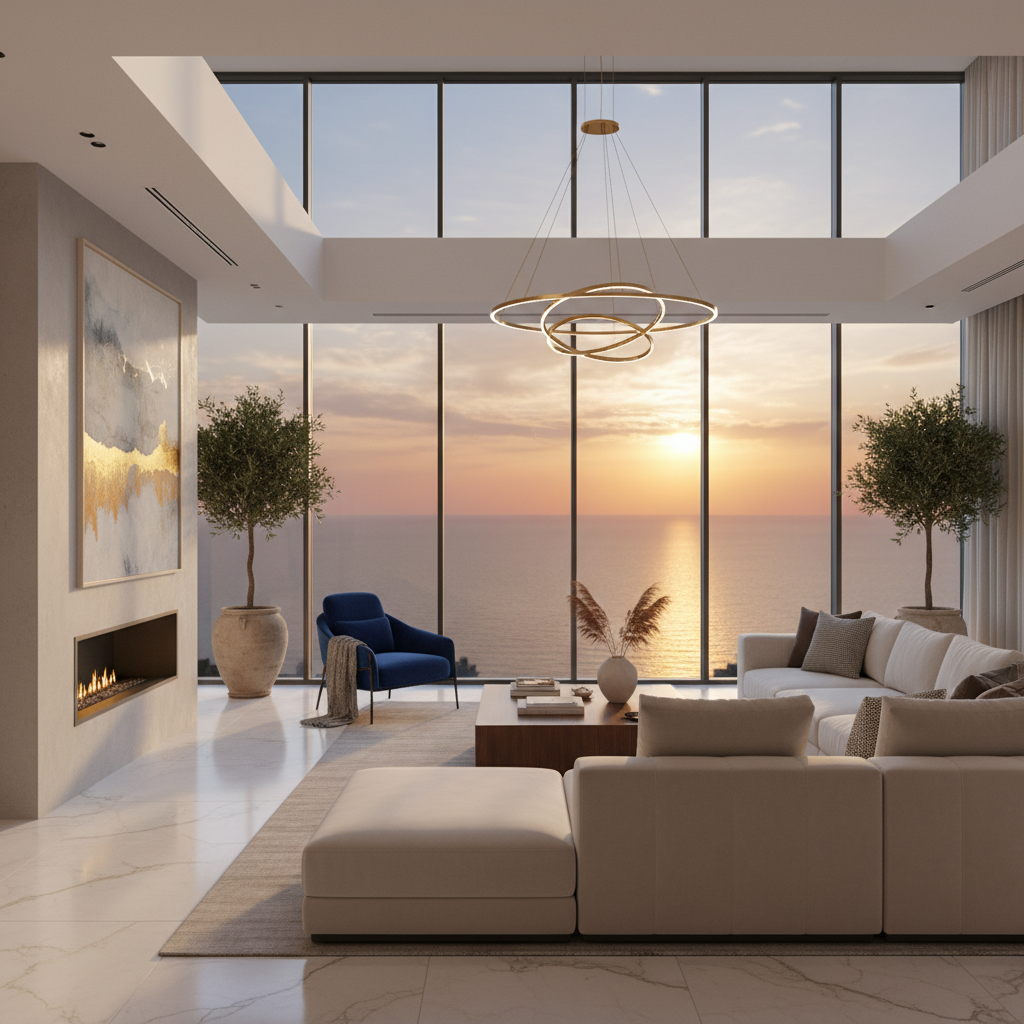
Careful consideration is given to window placement and glazing specifications. While large glass panels offer spectacular views, particularly in coastal properties, they are often recessed or shielded to prevent overheating. Dynamic shading systems, such as retractable awnings or automated external blinds, also offer flexible control over light and temperature, adapting to the diurnal and seasonal shifts of the sun. This thoughtful integration ensures that natural light is welcomed without compromising thermal comfort.
Mastering Natural Ventilation: The Cross-Breeze Effect
The 'cross-breeze' is not just a pleasant sensation but a cornerstone of efficient Mediterranean design. Architects meticulously plan the orientation of rooms and the placement of opposing windows and doors to facilitate constant airflow through the property. This natural ventilation helps to dissipate heat and humidity, creating a comfortable indoor climate even on warm days. Homes in elevated positions, such as those overlooking the sea in Paphos or the hills surrounding Nicosia, can particularly leverage prevailing winds.
- Strategic window and door placement for optimal airflow.
- Use of internal courtyards or open-plan living areas to encourage air movement.
- Inclusion of transom windows or louvred panels to vent hot air.
- Consideration of property orientation relative to prevailing breezes.
The Enduring Appeal of Local Stone
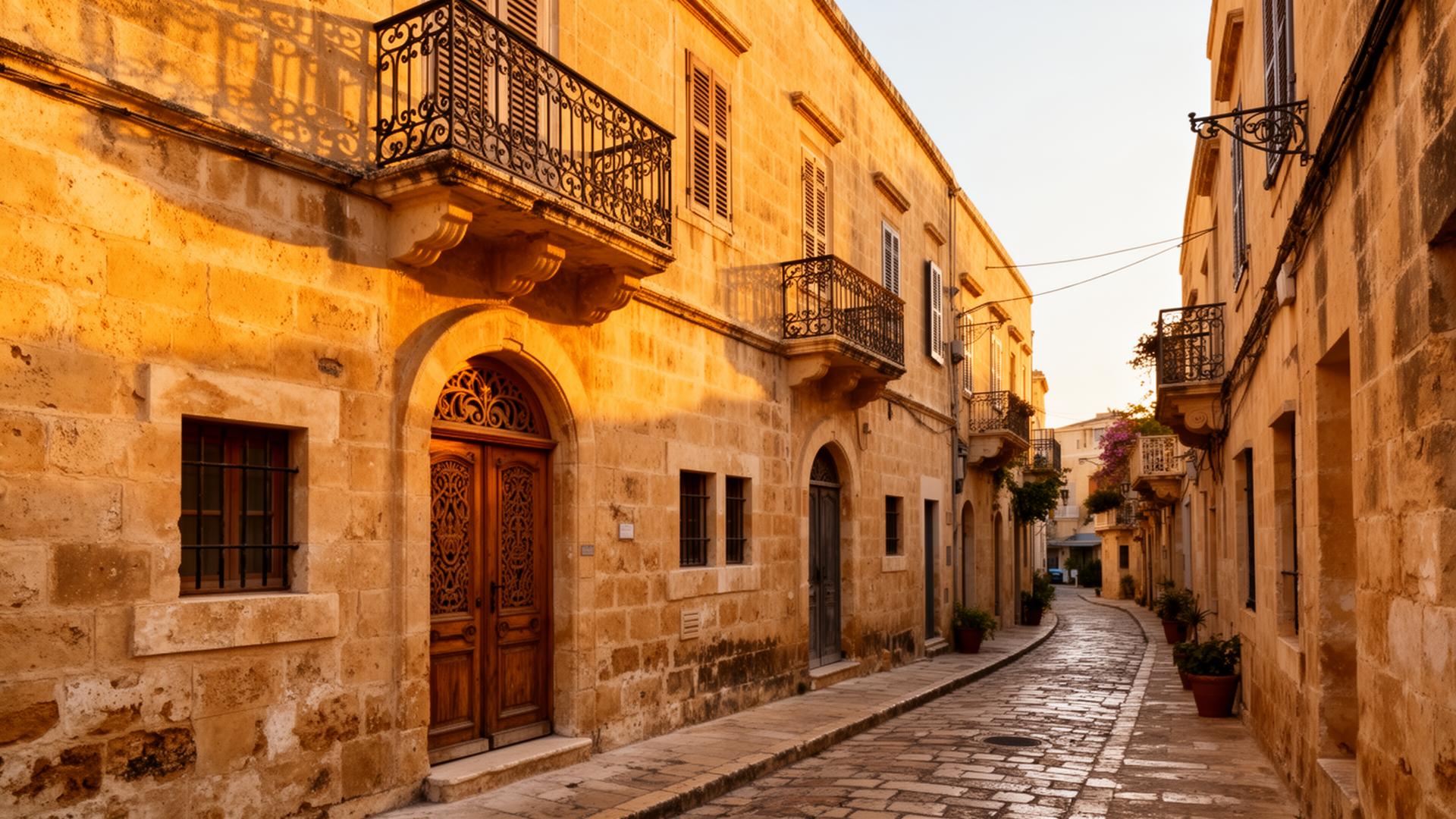
Materials play a pivotal role in the thermal performance and aesthetic of a villa. The use of local stone, such as the distinctive golden limestone found across the island, is a hallmark of authentic Cyprus architecture. Beyond its inherent beauty, stone offers significant thermal mass. This means it absorbs heat slowly during the day and releases it gradually at night, helping to stabilise interior temperatures and reducing diurnal fluctuations. Its robust nature also ensures longevity and minimal maintenance.
Incorporating stone cladding, paving, and even interior accent walls grounds the property in its local context, fostering a sense of place and authenticity. Paired with natural timber, cool plaster finishes, and verdant landscaping, these materials create a harmonious environment that is both visually appealing and inherently cool. Whether in a grand estate in Limassol or a secluded retreat near Ayia Napa, the tactile quality and thermal benefits of stone remain unmatched.
A Vision for Contemporary Mediterranean Living
The thoughtful integration of shading, cross-ventilation, and natural materials like stone represents more than just architectural trends; it signifies a commitment to creating homes that are truly aligned with their environment. For purchasers of luxury real estate in Cyprus, this translates to villas that offer superior comfort, lower running costs, and an undeniable sense of timeless elegance. These are properties designed not just to be seen, but to be lived in, harmoniously adapting to the rhythms of the Mediterranean. The evolution of Mediterranean architecture in Cyprus continues to define a sophisticated standard for global buyers.