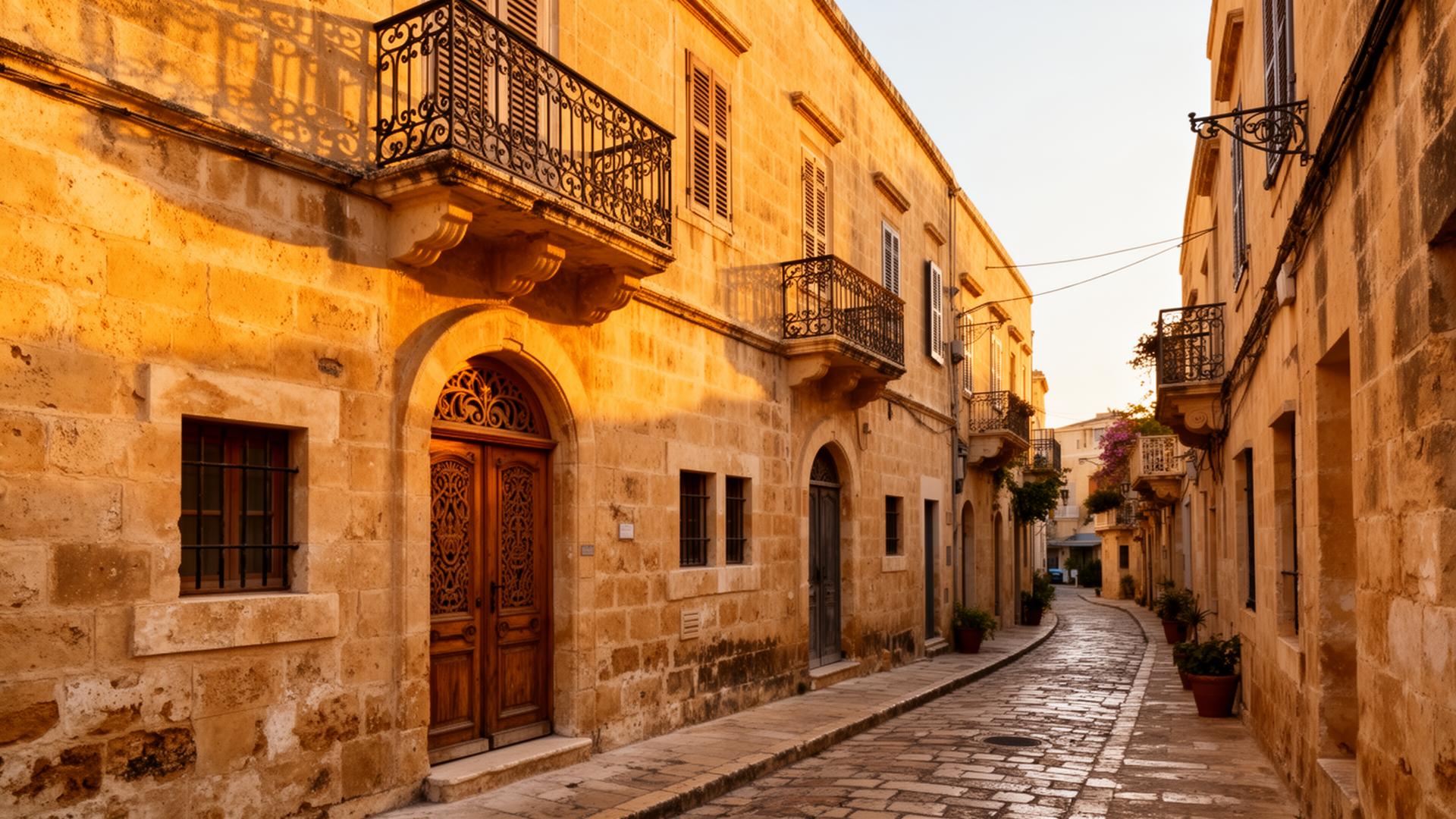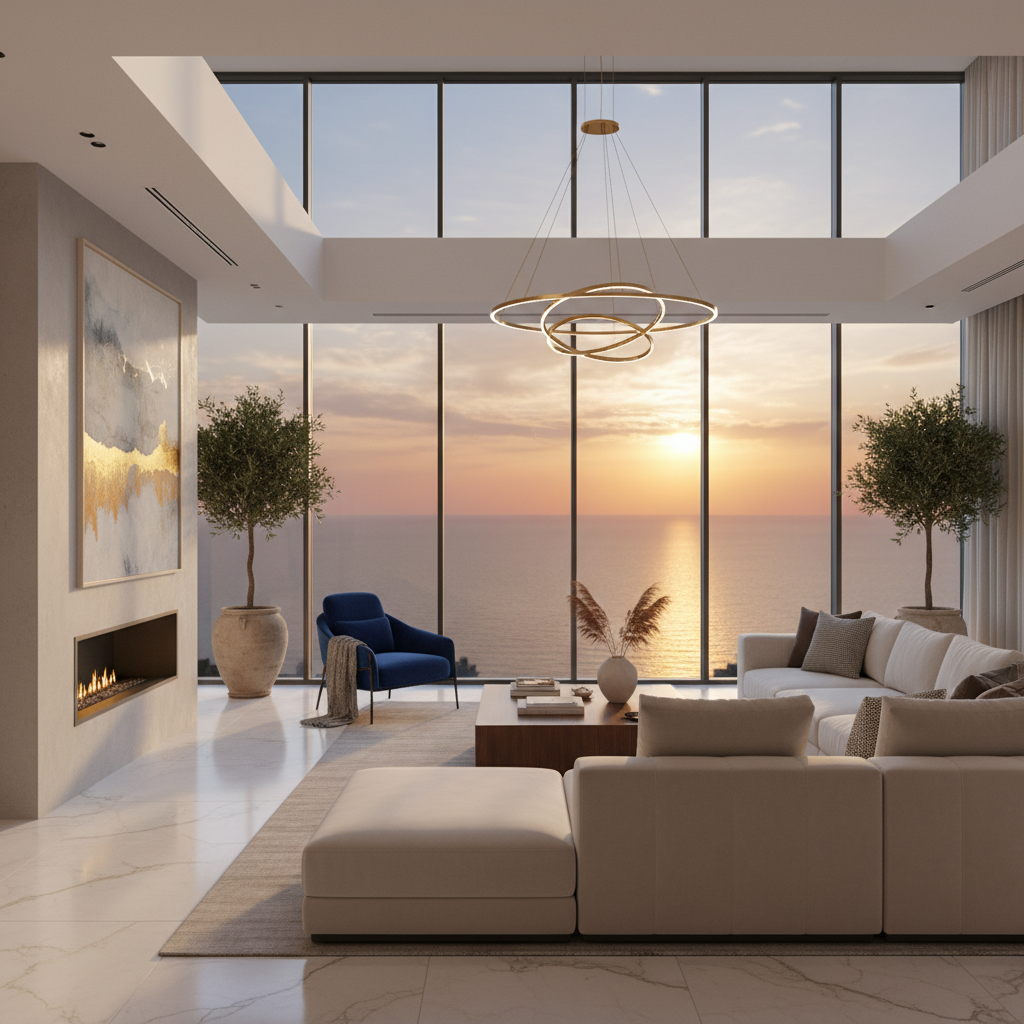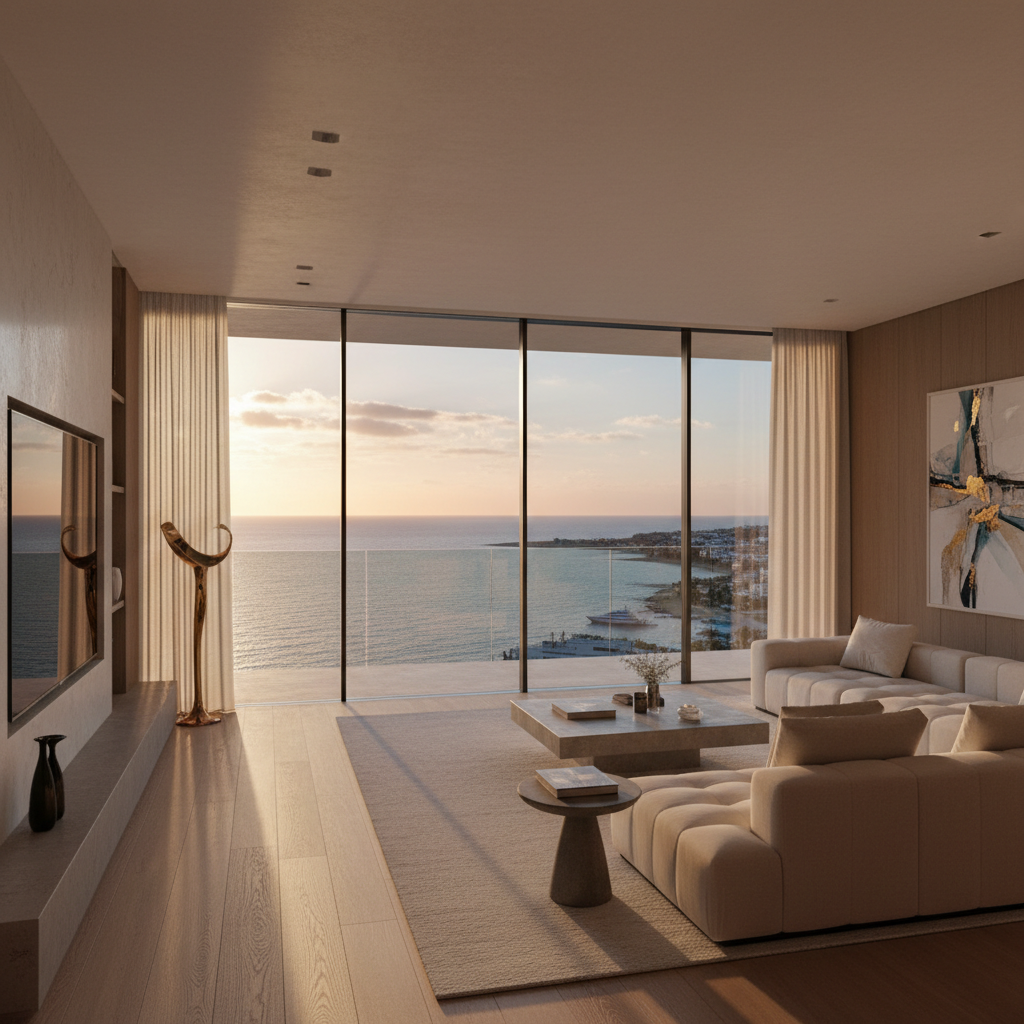
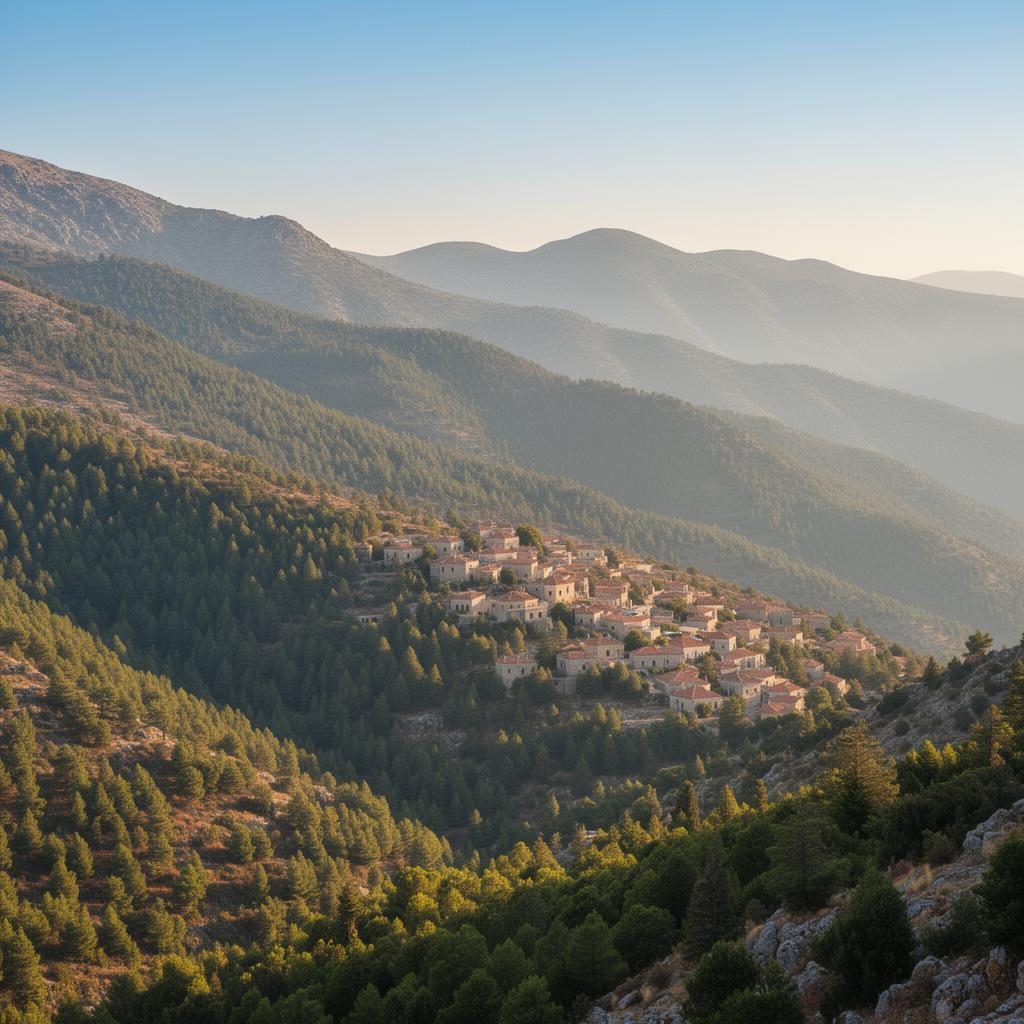
Drive thirty minutes inland from any coast on this island and the architecture loosens its shoulders. Marble gives way to local stone. Glass gives way to chestnut shutters. Swimming pools give way, in two of the three houses below, to natural cisterns. A generation of younger Cypriot architects — most of them trained abroad, most of them returned in the last decade — is taking the vernacular of the mountain villages seriously again.
House One — Kakopetria, by Lakis Yiannakou
A 320 m² family home built into the slope above the old village. Local Pitsilia stone, hand-laid by a single mason over fourteen months. The roof is timber and clay tile; the ceilings inside are pressed cedar from a small mill in Platres. The cisterns — there are two, fed by a single mountain spring — replace the pool entirely. The house cost €1.14m to build, excluding land. It feels like it has always been there.

House Two — Pedoulas, by Constantia Papadopoulou
Smaller, 195 m², and more radical. A timber-frame structure clad in vertical chestnut, on a stone plinth. No air conditioning — the deep stone plinth and a cross-ventilation strategy do the work. The kitchen opens onto an outdoor hearth built from the same stone as the plinth. Built for a Cypriot-Swiss couple who wanted a second home that would not need staff. Total project cost: €780,000.
House Three — Lania, by Pavlos Constantinou
The largest of the three at 480 m², and the only one with a conventional pool — a long, narrow lap pool tucked behind a stone wall that hides it from the village lane. The building reads as three connected stone volumes, a strategy borrowed from the agricultural barns that used to define this hillside. The interiors are deliberately quiet: lime-washed walls, oak floors, almost no built-in furniture. Built cost: €1.42m.
- All three houses use locally quarried stone (Pitsilia, Lemithou, or Lania) — none use imported marble.
- All three use Cypriot or Greek timber. No tropical hardwoods.
- All three are oriented to take advantage of the mountain's natural cooling — none rely primarily on air conditioning.
- Plot sizes ranged from 1,800 m² (House Two) to 4,200 m² (House Three).
- Build times ranged from 14 to 22 months — slow, by coastal standards, and deliberately so.
"The mountain does not want a Dubai house. It will reject it slowly, through damp and movement and the way the light falls on the wrong materials. Build with what the mountain knows."