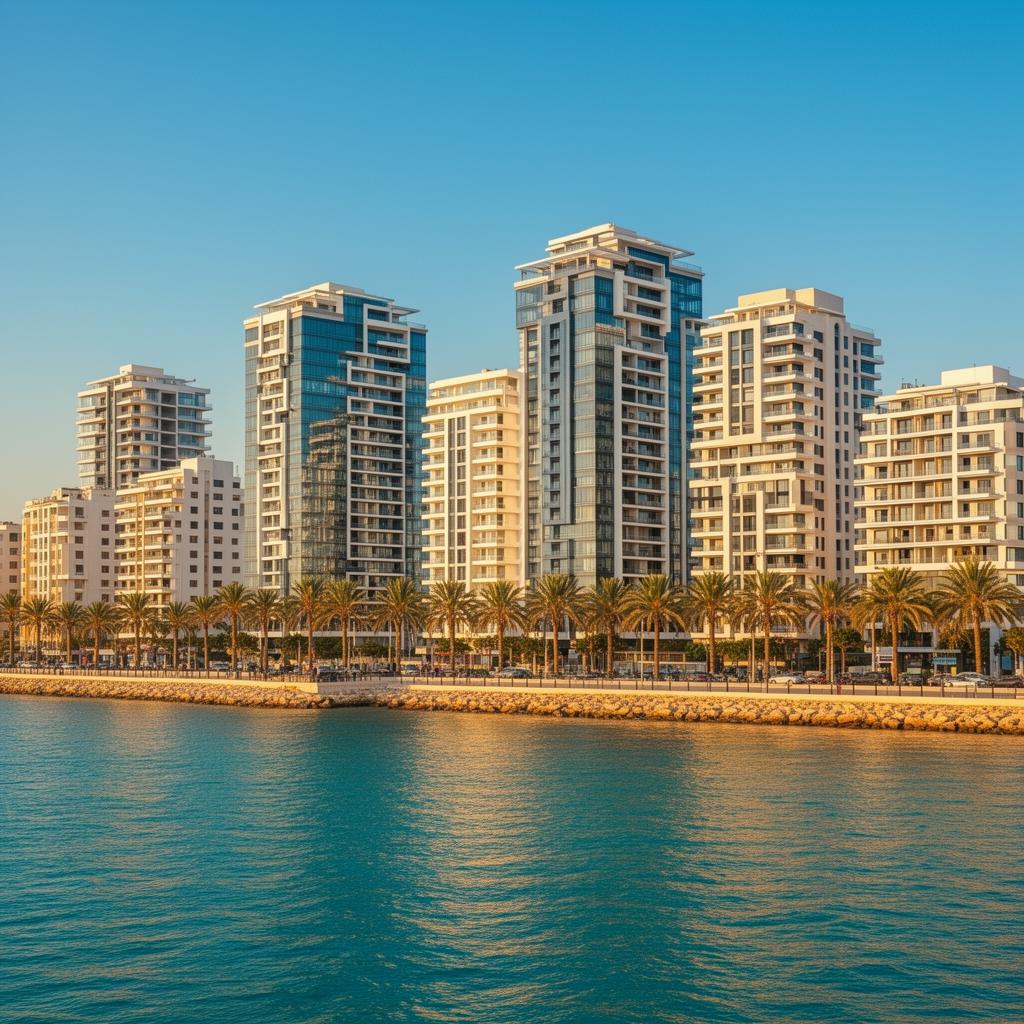
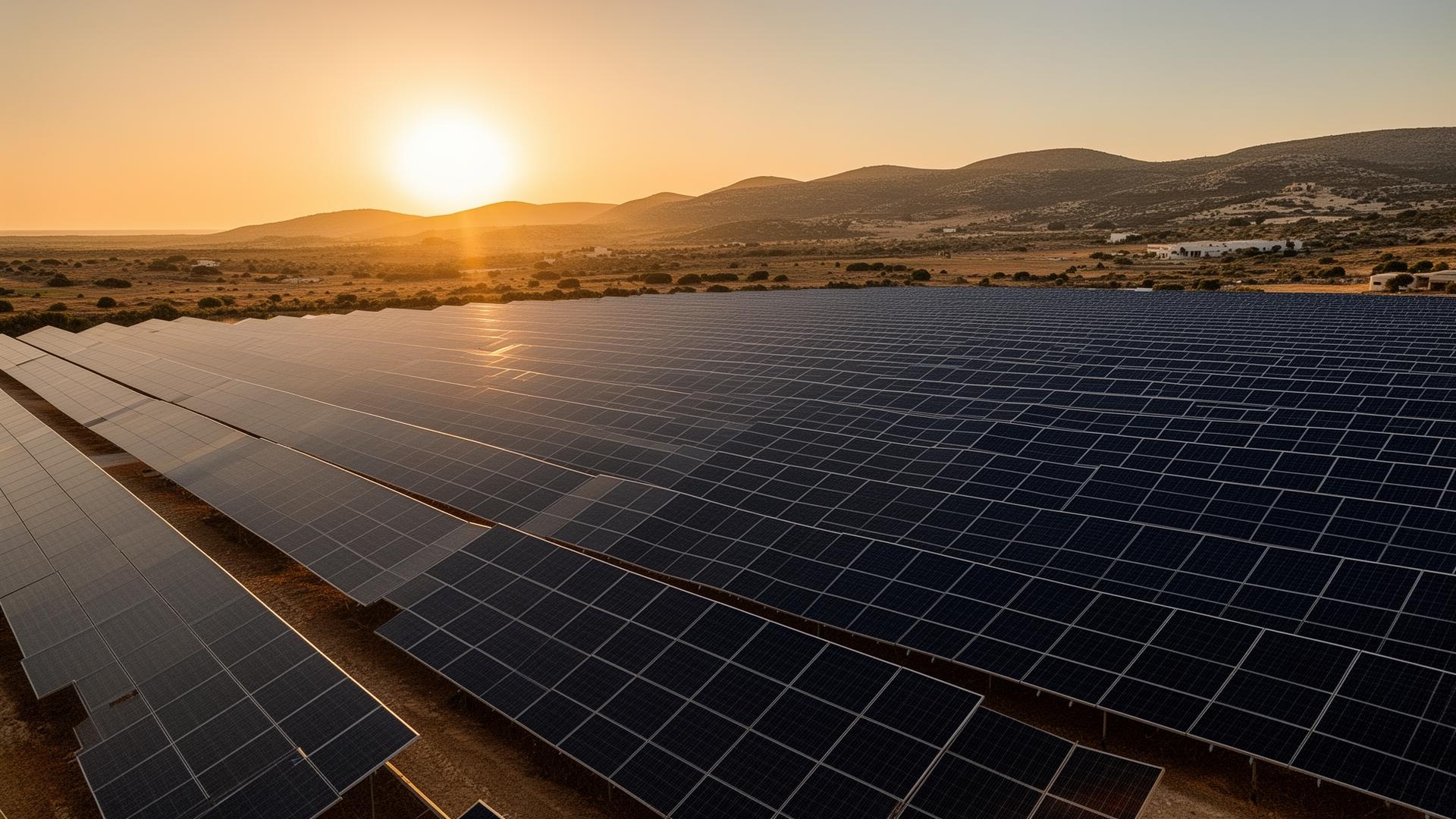
The pursuit of sustainable energy solutions continues to redefine investment landscapes globally, and Cyprus, with its abundant sunshine, stands as a prime candidate for significant growth in the photovoltaic (PV) sector. As the European Union pushes for accelerated decarbonisation, the island nation is positioning itself as a leader in renewable energy generation, offering attractive incentives and a clear regulatory pathway for investors. Developing or funding a ground-mounted solar park in Cyprus represents not merely an environmental commitment but a robust commercial venture with predictable returns and long-term stability.
Why Cyprus Is Ideal for Solar Park Investment
Cyprus benefits from over 320 days of sunshine annually, providing an exceptionally high irradiation factor crucial for efficient solar energy production. This natural advantage minimises variability and maximises generation capacity compared to many other European locations. Furthermore, the strategic adoption of EU directives and ambitious national targets for renewable energy penetration underscores the government's commitment to supporting the growth of 'green' infrastructure.
The Energy Regulatory Authority of Cyprus (CERA) actively promotes investment in the sector, evidenced by evolving frameworks designed to streamline development and ensure grid stability. This supportive regulatory environment, coupled with increasing electricity demands from a growing economy and tourism sector, creates a favourable ecosystem for solar farm investment in Cyprus. Major population centres such as Limassol, Paphos, and Nicosia increasingly rely on cleaner energy sources, amplifying the utility of new large-scale PV installations.
Photovoltaic Park Permits & Licensing in Cyprus (CERA, EAC, Town Planning)
Navigating the permitting process for a photovoltaic park in Cyprus involves coordination with several key authorities. Initial approval often commences with the Department of Town Planning and Housing, which assesses land use compatibility and environmental impact before granting development permits. This stage ensures adherence to spatial planning regulations and addresses any potential ecological considerations, particularly in rural zones designated for agricultural or mixed use.
Subsequently, the Energy Regulatory Authority of Cyprus (CERA) plays a pivotal role in issuing generation licences and approving grid connection agreements. The Electricity Authority of Cyprus (EAC), as the Transmission System Operator (TSO), is responsible for the technical assessment of grid interconnection requests and ensuring the stability of the national electricity network. Securing a grid connection permit from the EAC is a critical step, often determining the project timeline and technical specifications for the solar park.
Land Requirements & Best Locations (Larnaca, Paphos, Nicosia rural zones)
For a typical 1 MW photovoltaic park, approximately 1.5 to 2.5 hectares (or 3.7 to 6.2 acres) of flat, unobstructed land are generally required, depending on panel technology and layout efficiency. Rural zones in districts such as Larnaca, Paphos, and Nicosia are often considered ideal due to lower land acquisition costs and fewer urban planning restrictions. Proximity to existing high-voltage transmission lines is a significant advantage, reducing infrastructure costs and simplifying grid connection procedures.
Areas with minimal shading risks, good road access, and adequate separation from residential zones are preferred. While Limassol and Famagusta districts also offer opportunities, strategic land banking in regions earmarked for industrial or energy development could prove more advantageous for large-scale solar farm investment in Cyprus. Thorough due diligence on land title and zoning designations by a local expert is indispensable.
CAPEX, OPEX & Typical Yield per MWp
The Capital Expenditure (CAPEX) for developing a 1 MW photovoltaic park in Cyprus typically ranges from €650,000 to €850,000, encompassing solar panels, inverters, mounting structures, cabling, transformers, grid connection infrastructure, and installation labour. These figures are subject to international material prices and technological advancements. Given the strong irradiation, a well-managed 1 MWp solar park in Cyprus can produce between 1,700 and 1,850 MWh of electricity annually.
Operational Expenditure (OPEX) estimates generally fall between €7,000 and €10,000 per MWp annually. This covers regular maintenance, monitoring, cleaning, insurance, land lease agreements (if applicable), and administrative overheads. Prudent operational management and preventative maintenance programmes are crucial for maximising long-term yield and ensuring consistent performance of the solar park.
Grid Connection, PPAs and Net-Metering vs Net-Billing
Securing a dependable grid connection is paramount for any large-scale solar park. The Electricity Authority of Cyprus (EAC) controls grid access and integration, making their technical assessment and approval a critical component of project feasibility. Power Purchase Agreements (PPAs) are the primary mechanism for selling electricity generated by commercial solar parks. These long-term contracts, typically with the EAC or large private off-takers, provide stable revenue streams by guaranteeing a fixed price per MWh.
For smaller, embedded generation projects, Cyprus offers Net-Metering and Net-Billing schemes. While Net-Metering allows consumers to offset their self-consumption with excess generation fed into the grid, Net-Billing involves selling excess electricity at a pre-determined rate, which is less common for utility-scale solar farms but an important distinction for understanding the energy market landscape. For large-scale photovoltaic parks, negotiating favourable PPA terms is the main commercial objective, moving away from residential-focused schemes such as net-billing Cyprus offers.
ROI, Payback Period & Financing Options
The Return on Investment (ROI) for solar parks in Cyprus is highly attractive, with internal rates of return (IRR) frequently exceeding 8-10% over a 20-year project lifespan. The payback period for a well-structured solar farm investment in Cyprus typically ranges from 7 to 9 years, depending on CAPEX, PPA rates, and operational efficiency. These figures underscore the compelling financial viability of such ventures on the island.
Financing options include traditional bank loans, often supported by the stable cash flows from PPAs, as well as private equity investments and green bonds. Local Cypriot banks are increasingly familiar with renewable energy project financing, while European investment funds are actively seeking opportunities to deploy capital into ESG-compliant assets such as solar parks in Cyprus. Strategic partnerships with experienced developers can also unlock more favourable financing terms.
Risks, ESG Compliance and Exit Strategy
While generally robust, solar park investments carry inherent risks. These include regulatory changes, fluctuations in wholesale electricity prices (though mitigated by PPAs), grid curtailment, and technical performance issues. Comprehensive due diligence, robust insurance, and proactive monitoring are essential for mitigating these challenges. Adherence to Environmental, Social, and Governance (ESG) principles is becoming increasingly important, attracting a wider pool of institutional investors and enhancing project resilience.
An effective exit strategy might involve selling the operational solar park to an infrastructure fund or a larger energy utility after the initial payback period has been achieved and revenue streams are well-established. The long operational lifespan of solar assets, typically 25-30 years, provides substantial long-term income potential, making them attractive for investors seeking stable, annuity-like returns.
How Lextrus Helps Investors Source & Develop Solar Parks
Lextrus Journal understands the intricacies of the Cypriot real estate and energy sectors. Our expert team assists high-net-worth investors in identifying and acquiring suitable land for solar farm development across key districts, including Larnaca, Paphos, and Nicosia. We provide comprehensive guidance through the complex permitting landscape, connecting clients with trusted legal, technical, and financial advisors to ensure a streamlined project lifecycle.