The allure of Cyprus as a prime destination for discerning property owners continues to grow, attracting those who seek not merely a residence, but a lifestyle harmonised with the island's unique climate and culture. While contemporary aesthetics often dictate design, a subtle yet profound return to core Mediterranean architectural principles is informing the creation of the island’s most desirable villas. This thoughtful integration of tradition ensures that modern luxury is inherently sustainable and exceptionally comfortable.
The Enduring Appeal of Climatic Design
Cyprus, with its abundant sunshine and warm summers, presents both opportunities and challenges for architectural design. Historically, local building practices evolved to mitigate the heat, fostering environments that remained naturally cool and shaded. Today's premier developments are revisiting these time-tested strategies. From the bustling coastal vibrancy of Limassol to the tranquil historical landscapes of Paphos, architects are demonstrating a sophisticated understanding of how to blend climatic efficiency with contemporary living.
This approach is not simply about aesthetics; it is about creating living spaces that are inherently responsive to their environment. It addresses the practical need for comfort without excessive reliance on artificial cooling, thereby enhancing the overall living experience and reducing operational costs. The result is a home that feels intrinsically connected to its location, rather than an imported structure imposed upon it.
Mastering the Elements: Shading Strategies
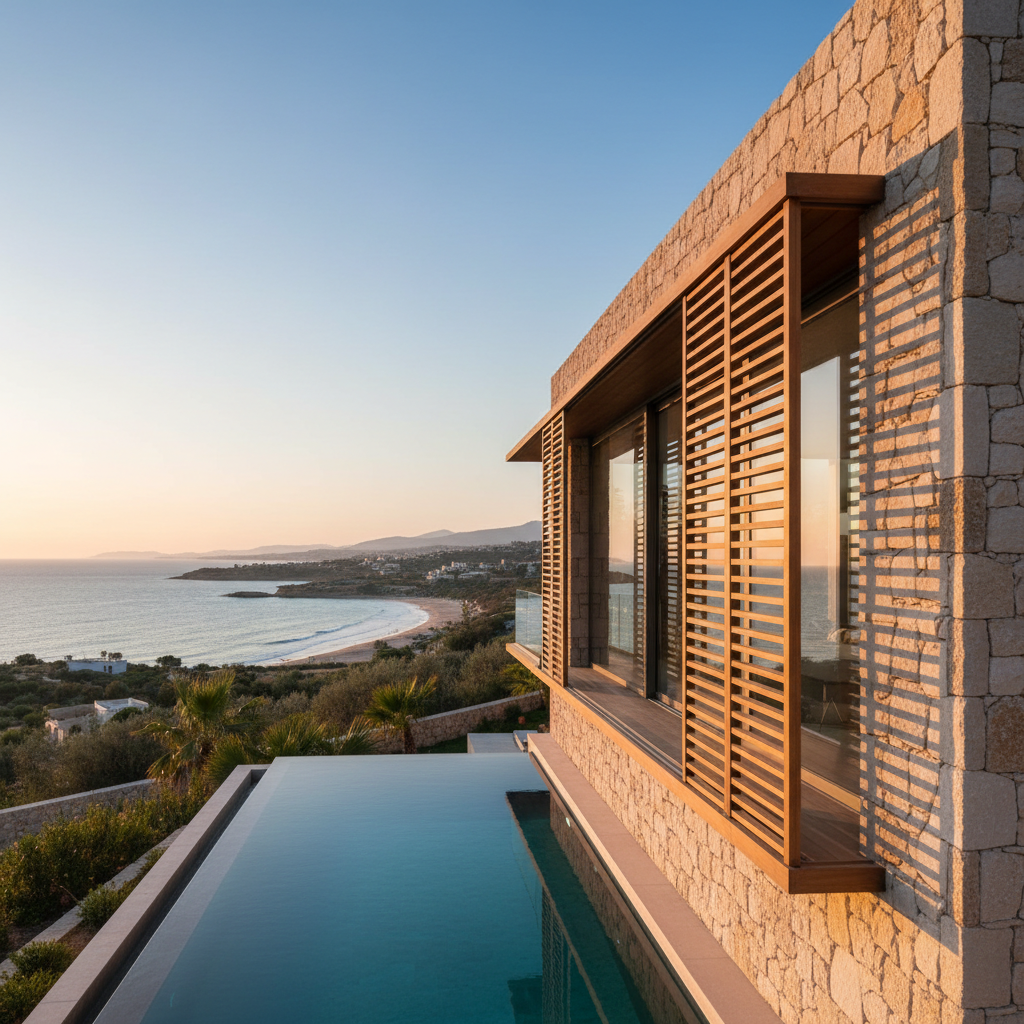
Effective shading is arguably the cornerstone of comfortable Mediterranean living. Modern Cyprus villas often feature a diverse array of sophisticated shading solutions. These range from integrated pergolas and deep overhangs to advanced louvered systems and sliding screens, all meticulously designed to manage solar gain.
- Architectural louvres and brise soleil, strategically angled to block high summer sun while permitting lower winter light.
- Generous covered verandas and loggias, extending living spaces outdoors while providing essential shade.
- Indigenous planting, such as olive and citrus trees, thoughtfully incorporated into landscaping designs to cast natural shade.
- Retractable awnings and sail shades, offering flexible sun protection over outdoor entertaining areas.
In places like Ayia Napa and Larnaca, where outdoor living is paramount, these shading elements sculpt light and shadow, defining distinct zones for relaxation and entertaining. They transform potentially sun-drenched terraces into inviting, cool retreats, essential for enjoyment during the warmer months.
The Art of the Cross-Breeze
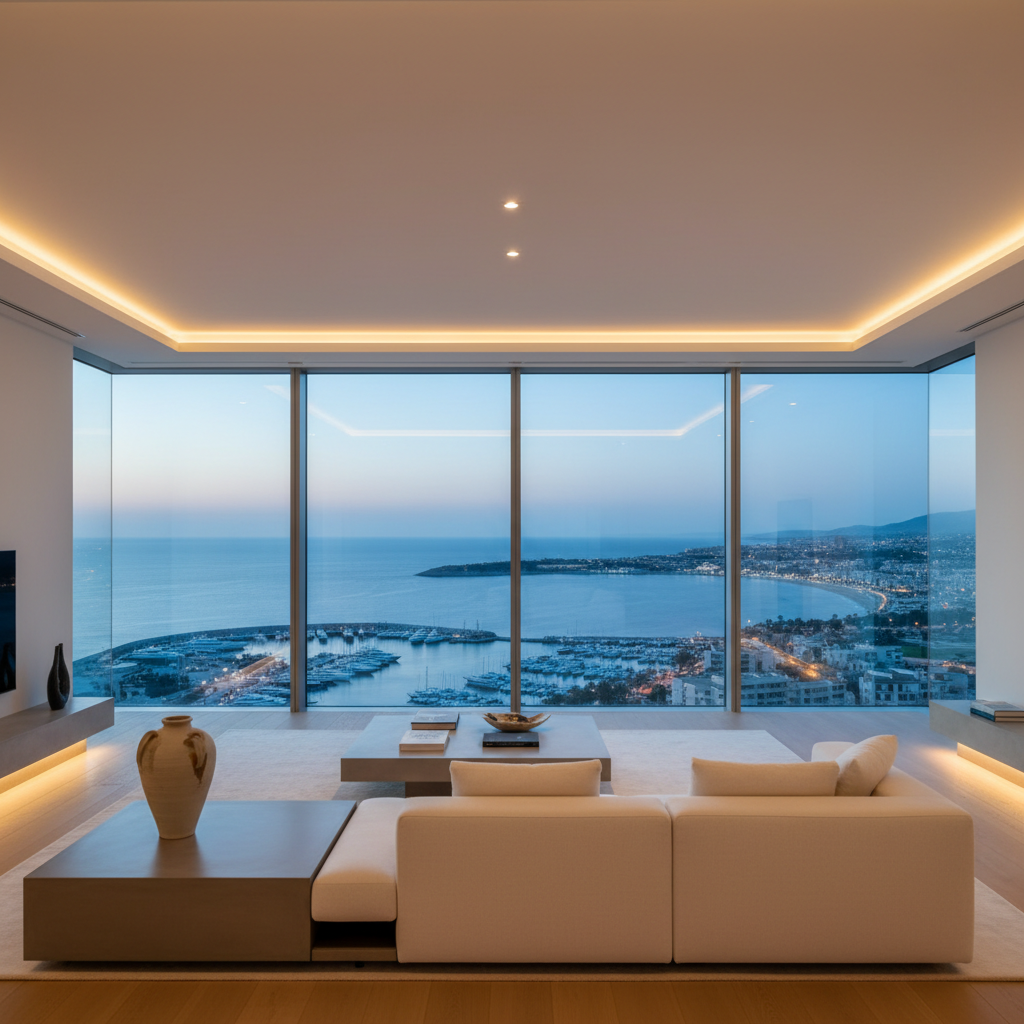
Beyond shading, natural ventilation, or the 'cross-breeze,' is a fundamental principle of effective Mediterranean design. Pioneering villa designs meticulously plan window and door placements, along with internal layouts, to facilitate gentle air currents throughout the property. This passive cooling technique significantly reduces reliance on air conditioning, creating a perpetually fresh indoor environment.
"The intelligent harnessing of natural airflow can transform a property, making it not just cooler, but truly breathe with its environment."
Architects are increasingly incorporating features such as internal courtyards, strategically placed operable skylights, and even double-height spaces to encourage the stack effect, drawing cooler air in from shaded areas and expelling warmer air upwards. This is particularly effective in residential properties in the Nicosia district, where inland temperatures can be higher, making natural ventilation a crucial element for indoor comfort.
Embracing Local Stone: Beauty and Performance
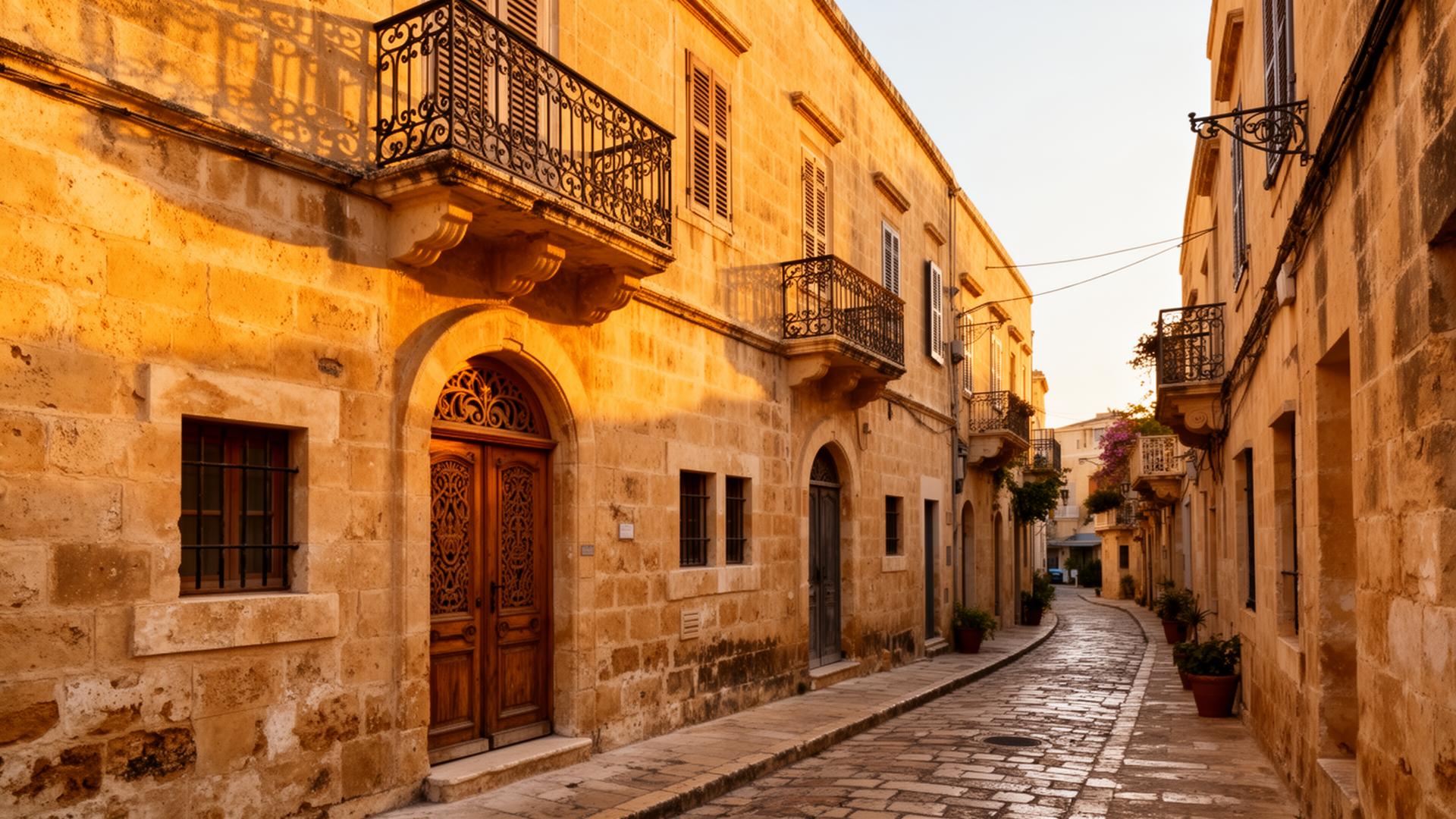
The use of local stone — whether it be warm sandstone or cool limestone — is not merely an aesthetic choice, but a functional one deeply rooted in Cypriot architectural heritage. Stone's inherent thermal mass allows it to absorb heat during the day and slowly release it at night, naturally moderating indoor temperatures. It provides a timeless texture and robust finish that grounds a property within its natural surroundings.
Contemporary villa designs are employing local stone in innovative ways, from grand exterior cladding and retaining walls to feature interior elements. This integration not only celebrates the island's geological character but also contributes significantly to the home’s thermal performance and long-term durability. It signifies a profound respect for materials that are both authentic to the region and inherently sustainable.
A Sustainable Future for Cyprus Property
The thoughtful reinterpretation of traditional Mediterranean architectural principles in modern Cyprus villas signals a mature and responsible approach to luxury development. By prioritising natural light management, passive ventilation, and indigenous materials, designers are not just creating beautiful homes; they are crafting sustainable living environments perfectly attuned to the Cypriot climate. This integration ensures that these properties offer not only exceptional comfort and aesthetic appeal but also contribute to a more energy-efficient and harmonious future for the island's real estate landscape.