The allure of Cyprus, with its sun-drenched landscapes and ancient heritage, continues to captivate discerning international buyers. Beyond the vibrant coastal cities of Limassol and Paphos, or the tranquil olive groves near Nicosia, lies a fundamental desire for homes that are not only beautiful but also inherently comfortable and respectful of their surroundings. This aspiration has led to a profound re-evaluation of design principles, with leading architects in Cyprus increasingly drawing inspiration from the island’s rich architectural past to inform contemporary villa design.
The Enduring Wisdom of Mediterranean Design
For centuries, Cypriot homes were crafted to exist in harmony with the island’s distinct climate, rather than in opposition to it. This pragmatic approach yielded architectural solutions that are both elegant and remarkably effective, ensuring comfortable interiors even during the warmest months. Modern Mediterranean architecture in Cyprus is now experiencing a renaissance, as developers and designers recognise the intrinsic value of these time-tested methods.
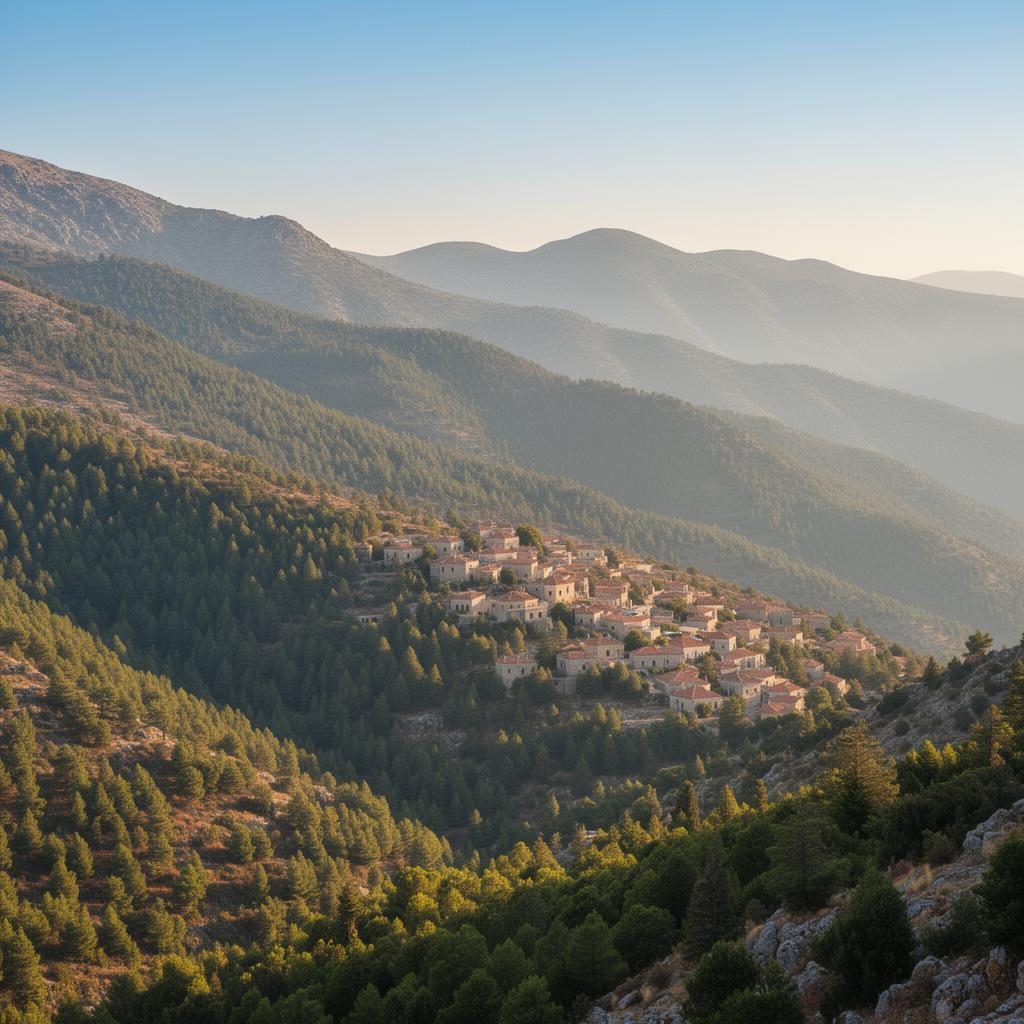
The focus is less on air-conditioning as a primary solution and more on intelligent building envelopes that naturally mitigate heat gain. This shift reflects a broader global movement towards sustainable living, combined with a desire for authenticity in luxury property. Whether overlooking the coastline near Ayia Napa or nestled in the hills above Larnaca, the principles remain consistent.
Mastering Natural Climate Control
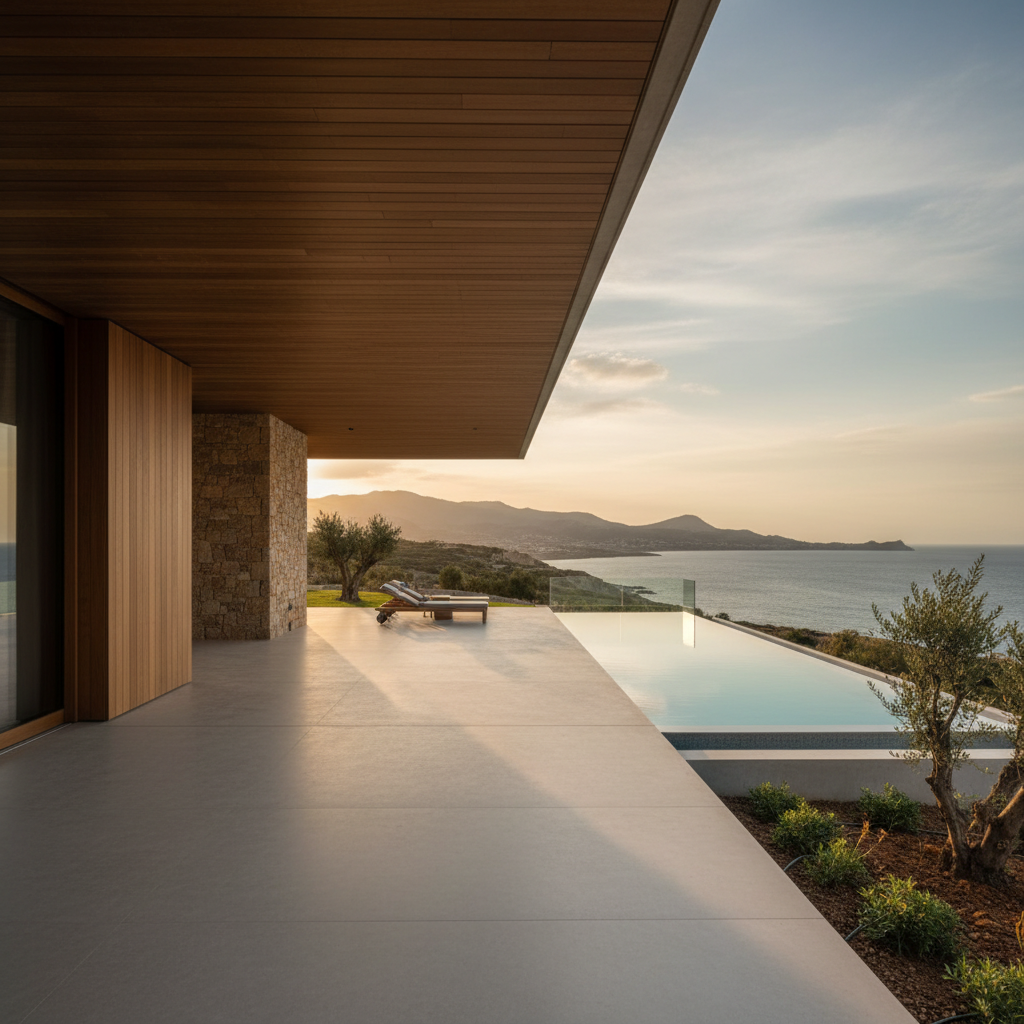
Perhaps the most critical element in designing for the Mediterranean climate is the strategic integration of shading. Deep eaves, pergolas, and meticulously planned trellises adorned with climbing bougainvillaea or grapevines are not merely decorative. They cast essential shadows over windows, outdoor living areas, and façades, preventing direct solar radiation from overheating interior spaces.
- **Strategic Orientation**: Positioning a villa to minimise exposure to the harshest sun, particularly on east and west façades.
- **Deep Overhangs**: Creating substantial shade for windows and outdoor terraces, often extending several metres.
- **Pergolas and Trellises**: Offering dappled shade that evolves with the sun's position, softening light and reducing glare.
- **Verandas and Covered Patios**: Providing essential outdoor living spaces protected from direct sun and occasional rain showers.
Cross-breeze ventilation is another cornerstone of effective Mediterranean architecture in Cyprus. Thoughtful placement of openings, such as opposing windows and doors, facilitates natural airflow through a residence. This continuous circulation not only cools the interior but also expels stale air, creating a fresh and inviting atmosphere, particularly beneficial in coastal properties in Limassol or Paphos where sea breezes are prevalent.
The Enduring Appeal of Local Stone
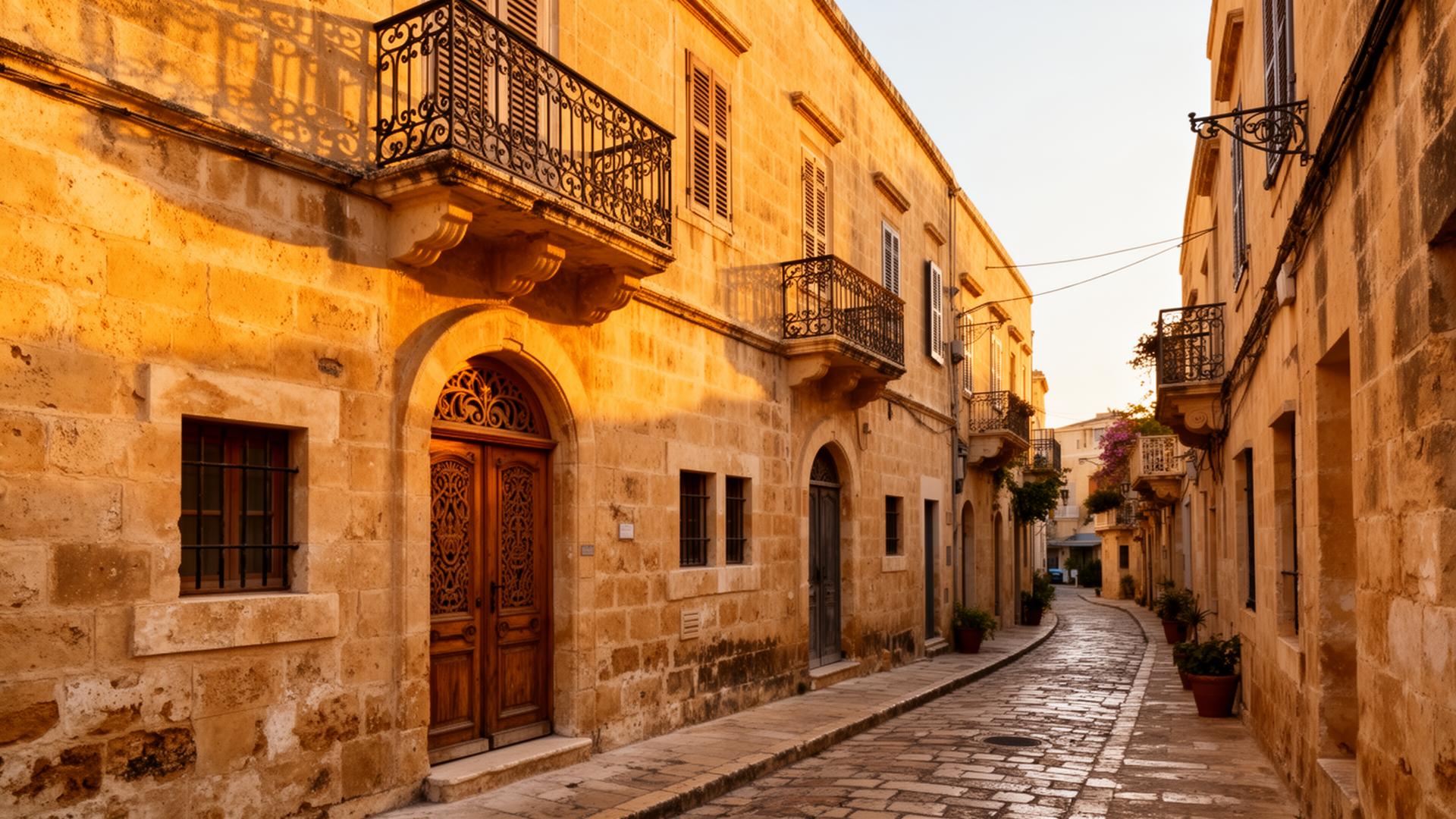
The use of local stone, a hallmark of traditional Cypriot building, offers both aesthetic beauty and practical benefits. Limestone and other native stones, abundant across the island, possess excellent thermal mass properties. This means they absorb heat slowly during the day and release it gradually at night, helping to stabilise interior temperatures and reduce the need for mechanical cooling.
"The inherent beauty and functionality of natural stone are irreplaceable in creating homes that feel truly anchored to the Cypriot landscape. It speaks of timelessness."
Beyond its thermal advantages, stone adds an authentic texture and gravitas to a villa. Whether used for exterior cladding, interior feature walls, or expansive paving for courtyards and terraces, it grounds the structure within its environment. Its durability and low maintenance further enhance its appeal for luxury properties seeking longevity and understated elegance.
Integrating Modernity with Tradition
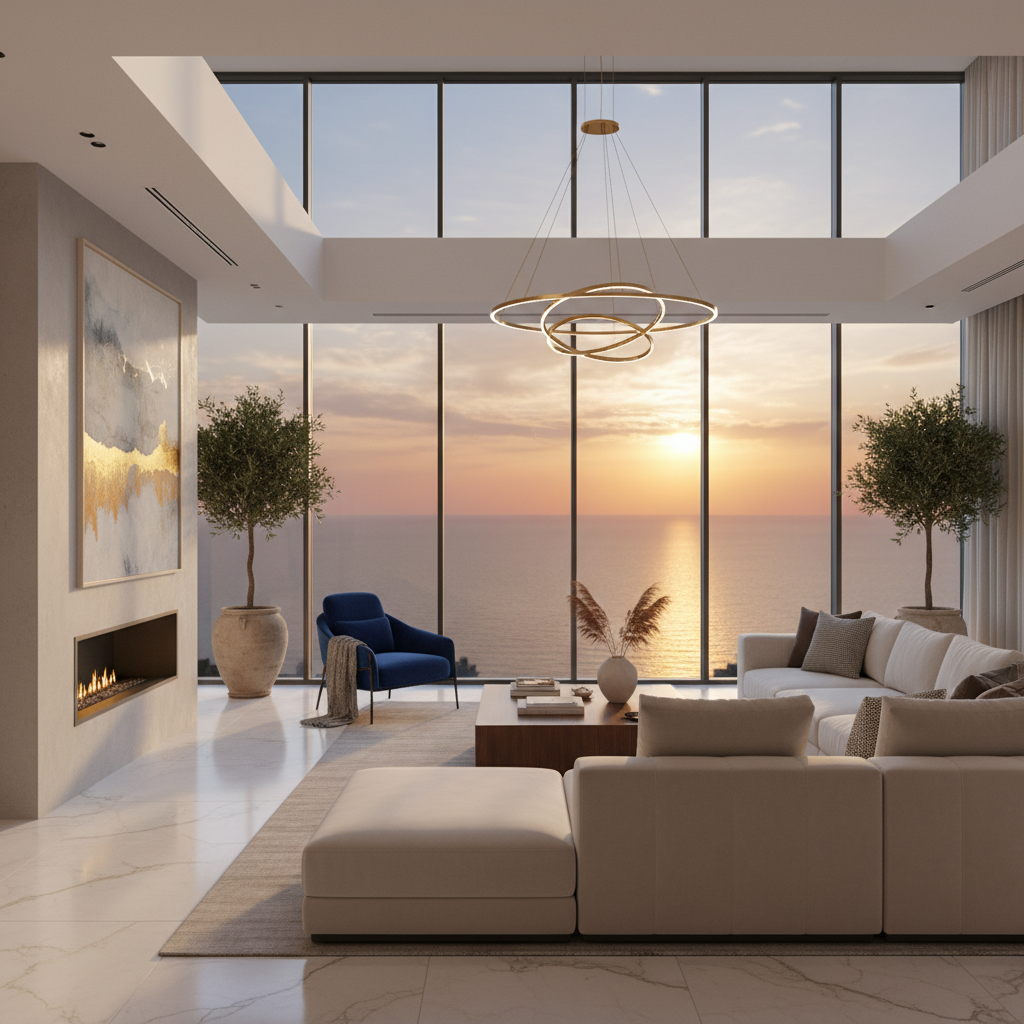
Contemporary villa design in Cyprus is not about slavishly replicating the past, but rather about intelligently interpreting its lessons. Modern architects are seamlessly integrating these traditional elements with advanced construction techniques and sophisticated finishes. Expansive glass panels might be shaded by deep cantilevers, for instance, or traditional courtyards might feature innovative water features that further aid in cooling.
The result is a new generation of luxury homes that offer exceptional comfort and reduced environmental impact, without compromising on modern amenities or architectural sophistication. From high-specification residences near Nicosia to sea-front villas in Ayia Napa, this thoughtful approach ensures that property in Cyprus continues to represent an astute investment in both lifestyle and sustainability.