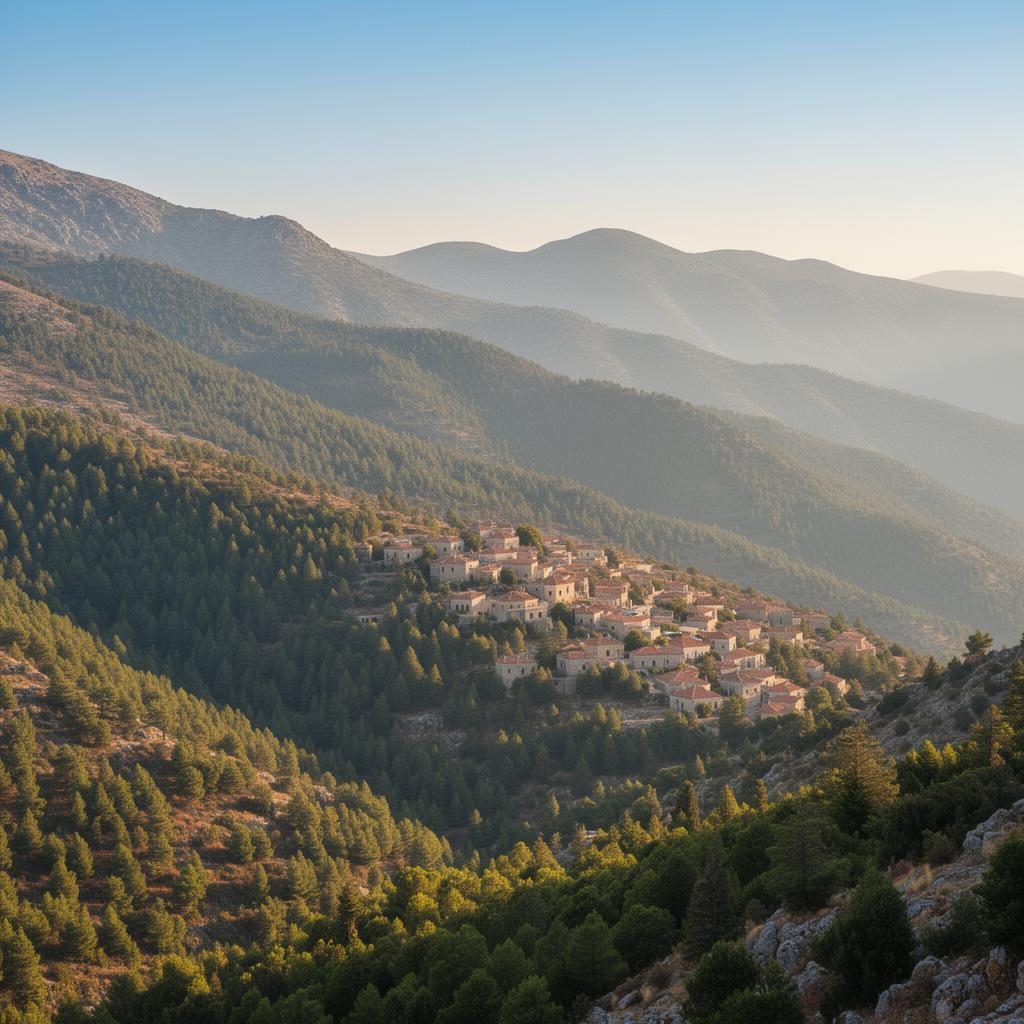
The allure of Cyprus extends beyond its azure waters and golden sands; it resides profoundly in its lifestyle, deeply intertwined with the island's unique climate. For discerning international buyers seeking a property that offers both opulence and an authentic sense of place, the design philosophy behind a modern Cypriot villa is paramount. It is here that the enduring wisdom of Mediterranean architecture finds contemporary expression, blending passive cooling strategies with refined aesthetics to create homes that are inherently comfortable, energy-efficient, and deeply connected to their environment.
The Enduring Principles of Cypriot Design
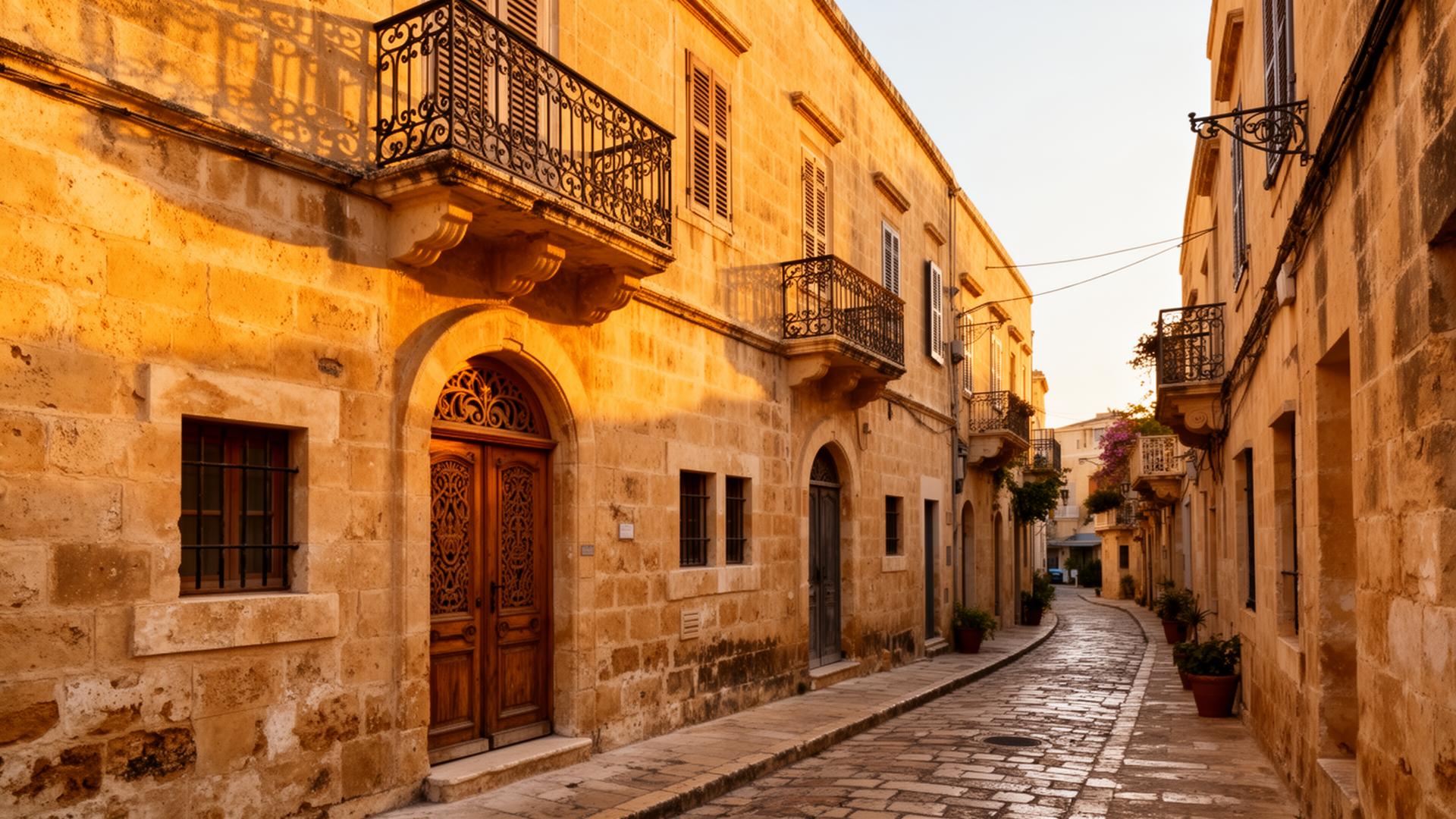
Traditional Cypriot homes, born of necessity and deep understanding of the local climate, offer invaluable blueprints for modern architects. These vernacular structures instinctively addressed the challenges of intense summer heat and bright sunlight long before the advent of air conditioning. Their design elements, such as thick stone walls, small window openings, and shaded courtyards, were not merely decorative but functional, ensuring interior comfort throughout the year. Contemporary luxury villa design on the island draws heavily from these timeless principles, reinterpreting them for a modern aesthetic.
Mastering the Sun: The Art of Shading
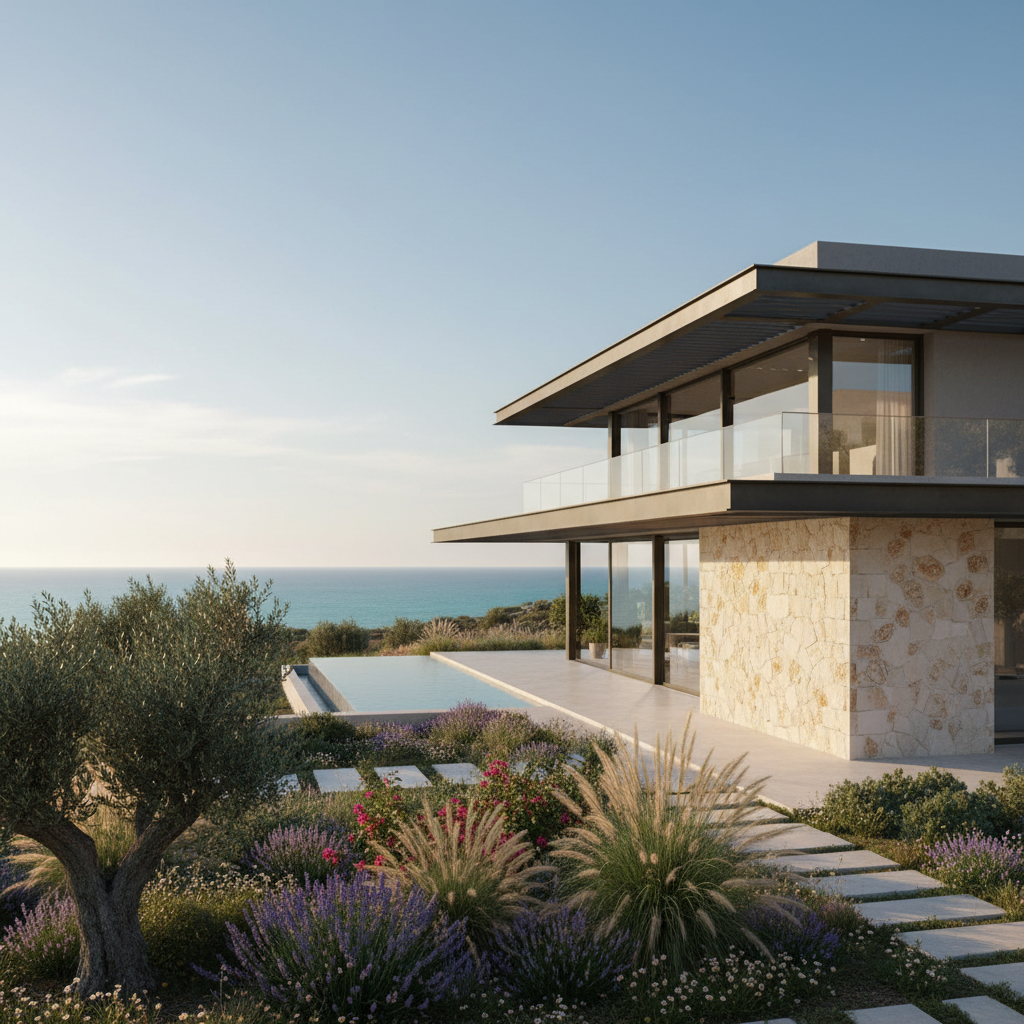
Effective solar shading is perhaps the most critical element in Mediterranean architecture in Cyprus, transforming harsh sunlight into dappled light and reducing heat gain significantly. Modern villas employ a sophisticated array of architectural solutions to achieve this. Deep overhangs, pergolas, and meticulously designed louvred screens are integral features, often crafted from sustainable timber or brushed aluminium, which not only provide shade but also add textural richness and visual interest to the façade.
- **Pergolas and Trellises:** These structures, often adorned with climbing bougainvillea or jasmine, create living shade that cools outdoor living spaces and filters light into interior areas.
- **Fixed and Adjustable Louvres:** Strategically placed, these allow residents to control sunlight penetration and privacy, adapting to the sun's path throughout the day.
- **Deep Setbacks and Overhangs:** Extended rooflines and recessed windows prevent direct solar radiation from entering the home, maintaining cooler internal temperatures.
- **Vegetation:** Thoughtful landscaping, including mature trees and strategically planted shrubs, provides natural shade and contributes to microclimate cooling around the property.
The Breath of the Island: Harnessing Cross-Ventilation
While shading mitigates solar gain, natural cross-ventilation is essential for expelling warm air and introducing cooler breezes, particularly in coastal areas such as Limassol, Paphos, and Larnaca. Architects meticulously plan window and door placements, often incorporating opposite openings on different elevations to facilitate efficient airflow through living spaces. High ceilings and strategically located vents further assist in the stack effect, allowing warm air to rise and escape, drawing in cooler air from below.
"A well-designed villa in Cyprus breathes with the island, offering a seamless transition between indoor serenity and the vibrant Mediterranean outdoors."
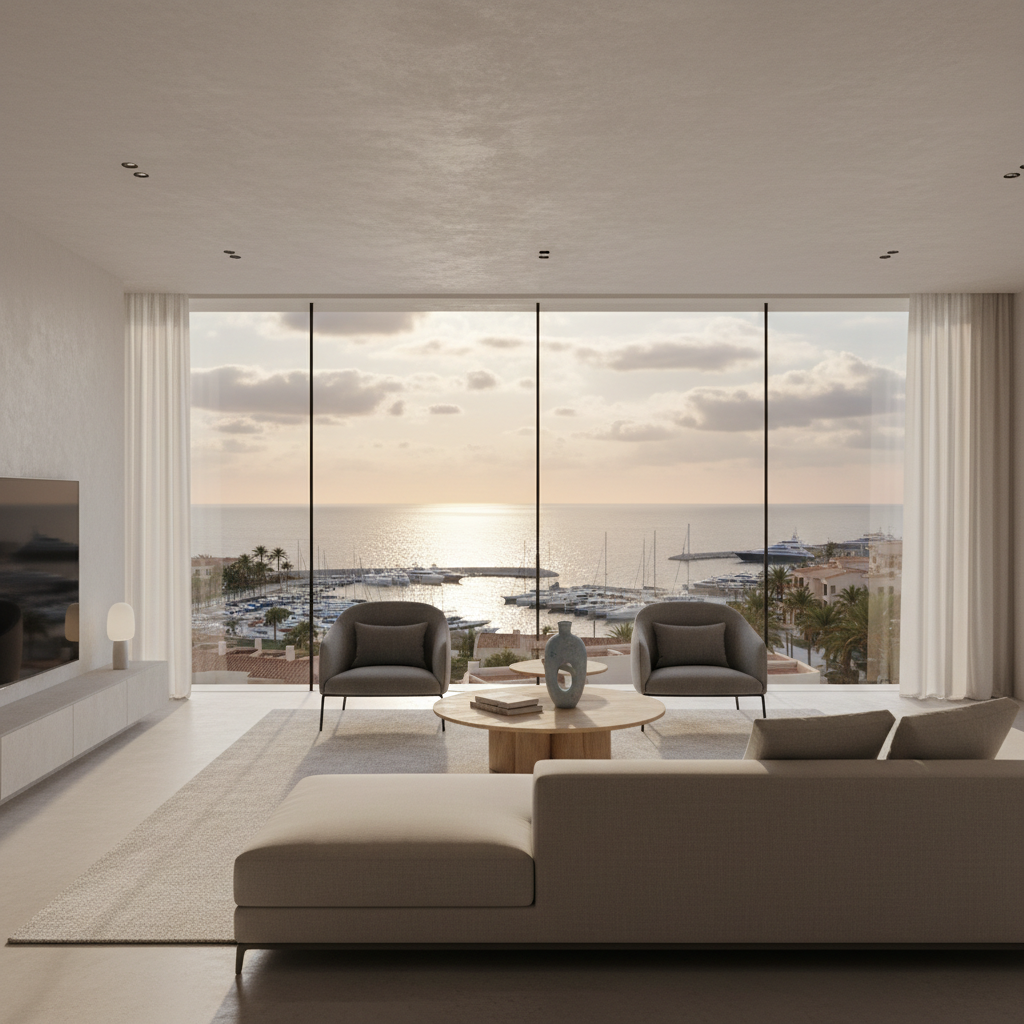
This intelligent design minimises reliance on mechanical air conditioning, contributing to both environmental sustainability and reduced operational costs. Homes in desirable locations such as Ayia Napa or the hills above Nicosia can particularly benefit from prevailing winds. The integration of expansive sliding glass doors allows for entire walls to open up, blurring the lines between interior living areas and outdoor terraces, courtyards, and infinity pools.
The Enduring Character of Stone: Materiality and Mass
No discussion of Mediterranean architecture in Cyprus would be complete without acknowledging the profound role of natural stone. Locally sourced stone, with its inherent thermal mass, acts as a natural insulator, slowly absorbing heat during the day and releasing it gradually at night. This thermal flywheel effect helps to stabilise interior temperatures, keeping homes cooler in summer and warmer in winter.
Beyond its functional benefits, stone imbues a villa with an undeniable sense of permanence, authenticity, and sophisticated texture. Whether used for exterior cladding, internal feature walls, or expansive flooring, its varied hues and tactile qualities connect the residence to the island's geological heritage. This use of natural materials contributes to a sense of understated luxury, grounding contemporary design in Cypriot tradition.
A Vision for Sustainable Luxury
The considered integration of shading, cross-breeze, and stone in modern Cyprus villas represents more than just a nod to tradition; it is a forward-thinking approach to sustainable luxury. These homes are designed to perform exceptionally well in their environment, offering unparalleled comfort and a deep connection to the Mediterranean landscape. For the discerning buyer, investing in such a property is not merely acquiring real estate; it is embracing a lifestyle where sophisticated design harmonises effortlessly with nature.