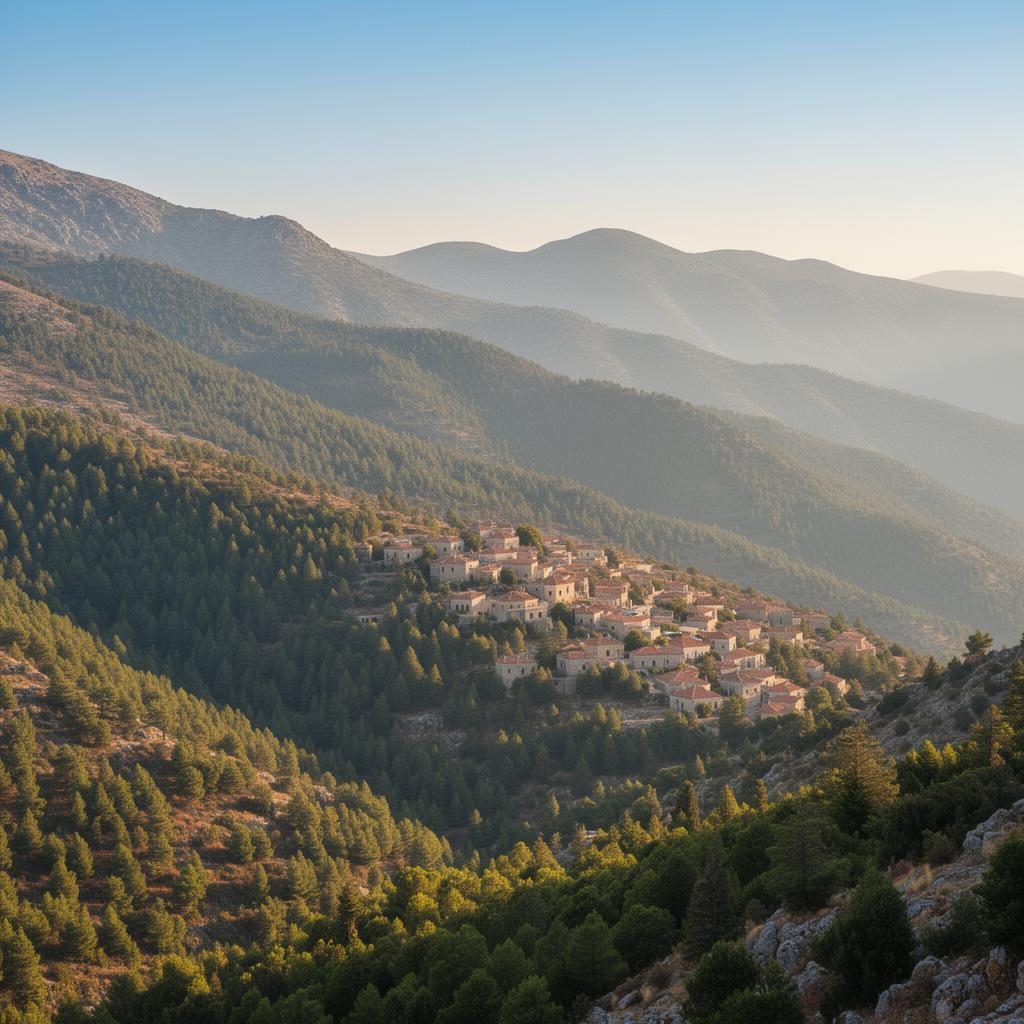
The allure of Cyprus, with its sun-drenched landscapes and inviting coastline, draws discerning international buyers seeking homes that marry luxury with an authentic Mediterranean experience. For those commissioning new properties or renovating existing ones, the focus increasingly shifts towards architectural designs that respond intelligently to the island's unique climate. This approach ensures comfort and sustainability, making a property a true sanctuary regardless of the season.
Embracing Climate-Responsive Design Principles
Modern Mediterranean architecture in Cyprus is not merely about aesthetic appeal; it is fundamentally about functionality and harmony with the environment. Architects are thoughtfully reinterpreting traditional building practices, which instinctively addressed the island's intense summer sun and mild winters. This reinterpretation integrates cutting-edge materials and engineering with time-honoured wisdom, creating spaces that feel inherently cool and inviting.
The demand for villas that offer both exquisite living and intelligent climate control is particularly strong in desirable locations such as Limassol, Paphos, and Ayia Napa. Buyers are looking beyond superficial luxury, seeking homes where natural elements play a pivotal role in comfort. This shift reflects a broader global trend towards sustainable living, where a property's environmental footprint is as important as its finish.
The Art of Shading: Protecting and Defining Spaces
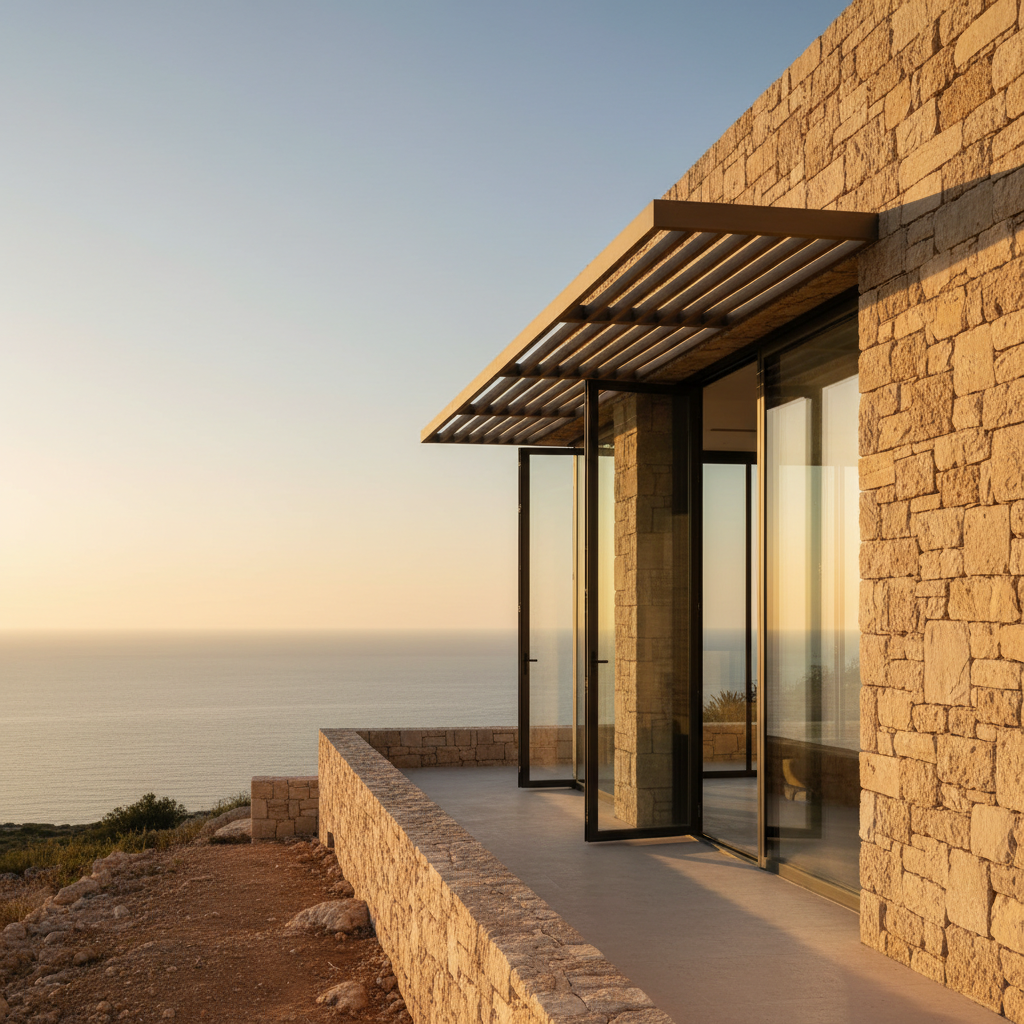
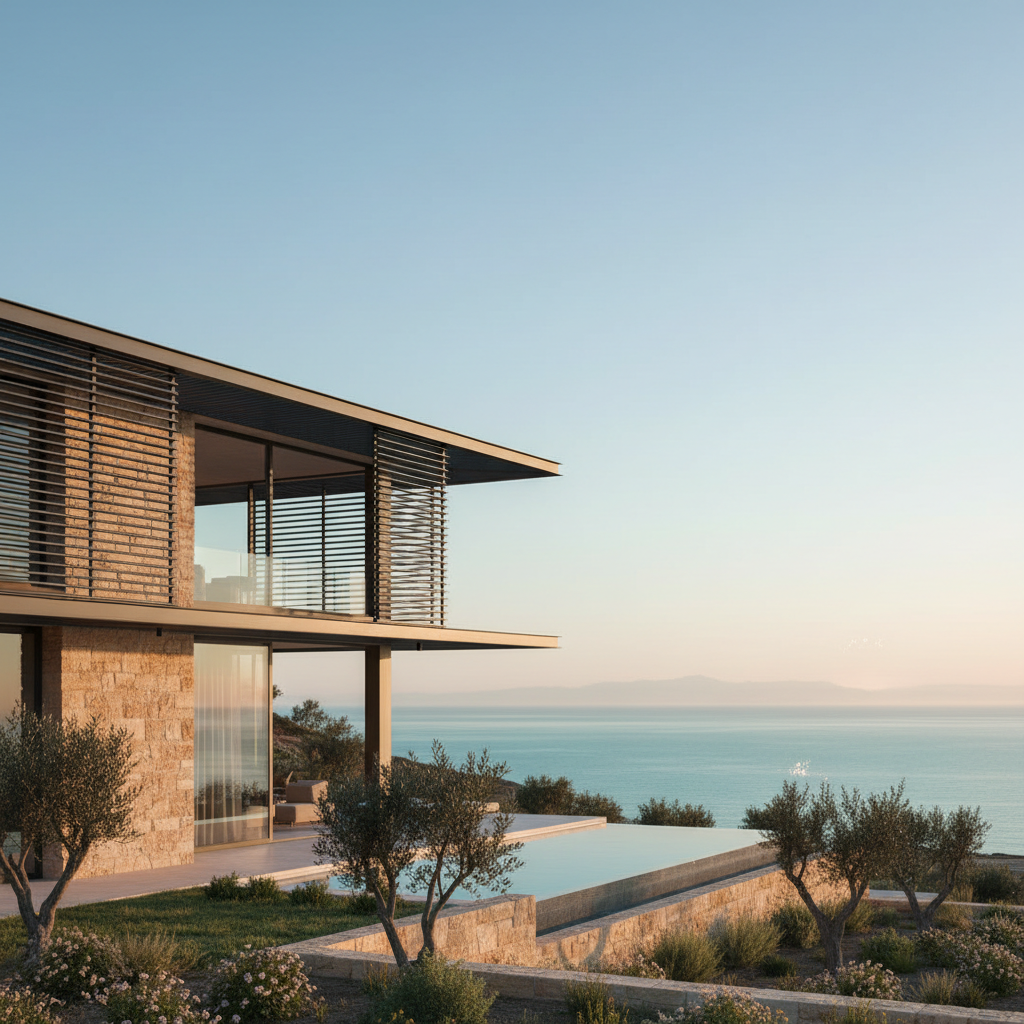
Effective shading is arguably the most critical element in modern Cyprus villa design, transforming direct sunlight into diffused, pleasant illumination. Deep overhangs, pergolas, and meticulously placed vertical louvres are not merely decorative; they are indispensable architectural features. These elements reduce solar gain on façades and windows, ensuring interiors remain cool and comfortable without excessive reliance on air conditioning.
Beyond fixed structures, movable screens and carefully selected landscaping provide dynamic shading solutions. Indigenous trees and strategically planted shrubs can cool outdoor areas and filter sunlight, enhancing privacy and creating a verdant microclimate. This thoughtful integration of natural and built forms creates versatile outdoor living spaces that can be enjoyed throughout the day.
Mastering Cross-Breeze: Natural Ventilation at Its Best
The strategic utilisation of cross-ventilation, or 'cross-breeze', is a hallmark of intelligent Mediterranean architecture in Cyprus. This involves designing floor plans and window placements to facilitate the natural movement of air through a property. By creating clear pathways for air circulation, homes can harness prevailing breezes to cool interiors passively, reducing energy consumption and enhancing occupant well-being.
- Strategically aligned windows and doors on opposing walls.
- Use of internal courtyards or open-plan layouts to draw air through the core.
- Integration of clerestory windows or ventilation stacks to encourage hot air to rise and escape.
- Careful consideration of prevailing wind directions during the site planning phase.
In coastal regions like Larnaca and Limassol, where sea breezes are prevalent, optimising for cross-ventilation is particularly effective. This not only cools the internal environment but also introduces the invigorating scent of the sea, enhancing the sensory experience of living by the coast.
The Timeless Appeal of Stone and Natural Materials
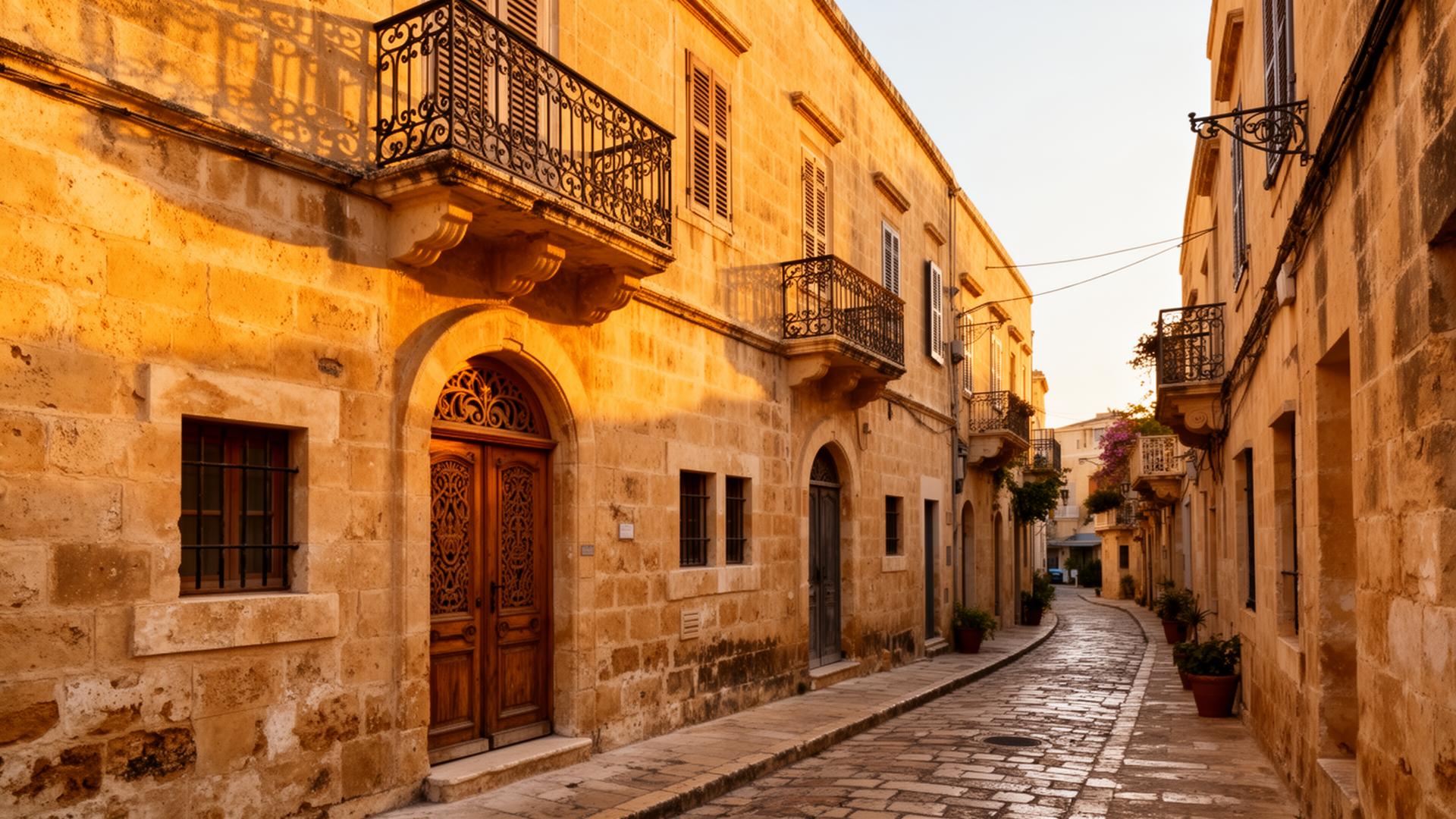
The incorporation of natural stone, such as local limestone or granite, is a defining characteristic of sophisticated villa design in Cyprus. Stone possesses excellent thermal mass properties, meaning it absorbs heat slowly during the day and releases it gradually at night. This natural insulation helps to regulate indoor temperatures, keeping interiors cooler in summer and warmer in winter.
Beyond its thermal benefits, stone offers an aesthetic that is both robust and inherently beautiful, grounding a property within its Mediterranean context. Paired with other natural materials like timber, render, and ceramics, it creates a tactile and authentic living environment. This commitment to natural elements resonates deeply with buyers seeking an understated luxury that endures.
"The most effective designs for Cyprus do not fight the sun, but embrace its presence, tempering its power with grace and intelligence."
A Future-Forward Approach to Mediterranean Living
The evolution of Mediterranean architecture in Cyprus reflects a mature understanding of its unique climate and the desires of a sophisticated clientele. By prioritising principles of shading, cross-breeze, and the intelligent use of natural materials like stone, architects are crafting homes that are not only aesthetically stunning but also inherently comfortable and sustainable. These villas represent a benchmark for luxury living that is deeply connected to its locale.
For those considering investment in the Cyprus property market, particularly in upscale residential developments from Paphos to Nicosia, understanding these foundational design principles is crucial. It ensures that a property offers not just a place to reside, but a truly elevated and enduring Mediterranean lifestyle experience. The future of Cyprus villa design is firmly rooted in these climate-responsive innovations.