
The narrative surrounding the short-term rental market in Cyprus has matured considerably over the past twenty-four months. Institutional capital, international relocations, and structural shifts in Mediterranean tourism have disrupted historical assumptions regarding holiday lets. For international investors targeting sustained rental yield in Cyprus, evaluating performance now demands a forensic appraisal of local sub-markets rather than island-wide averages.
Divergent Trajectories: Limassol and Paphos in Focus
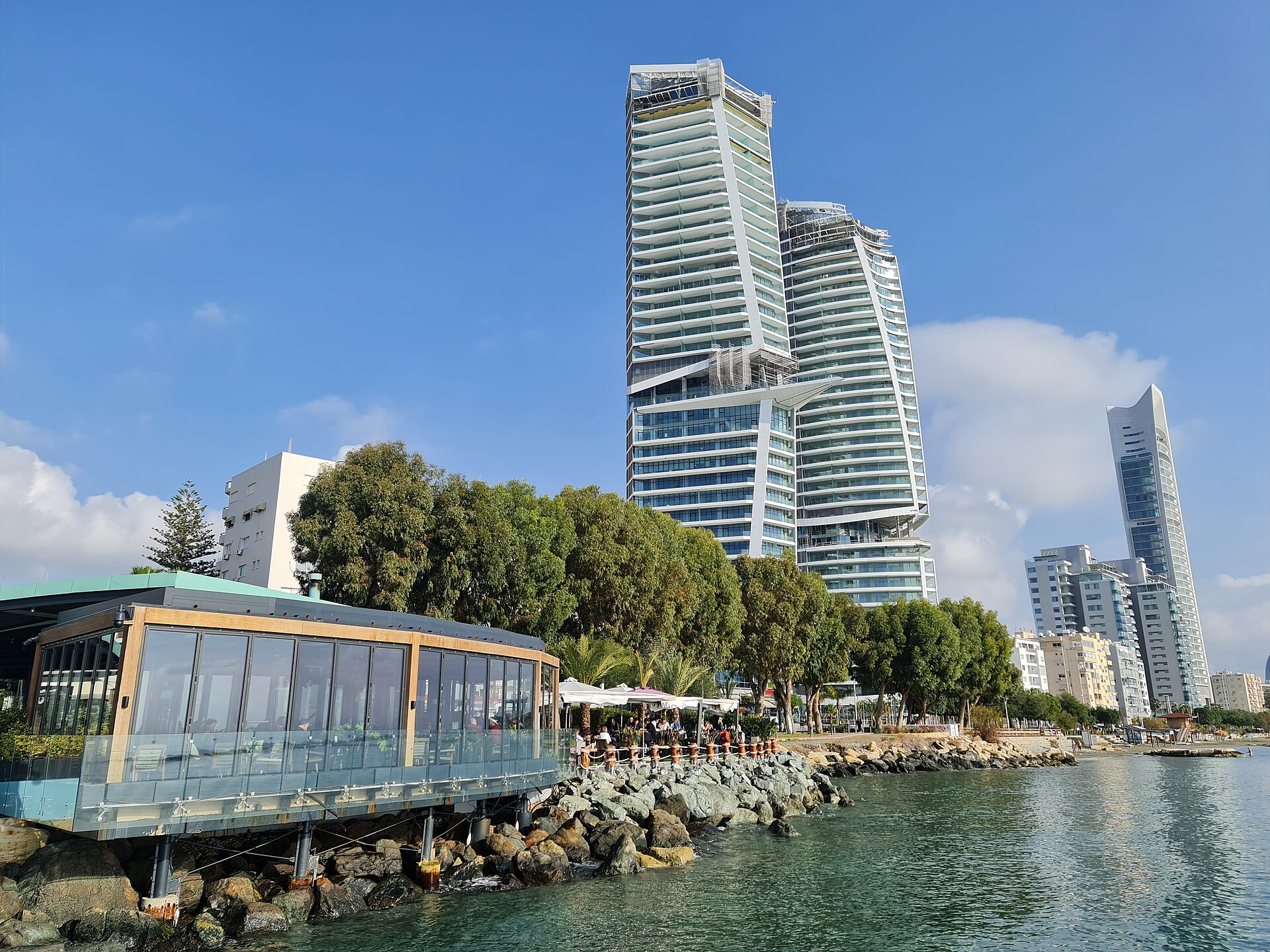
Limassol and Paphos represent two entirely distinct operational models for prime residential property. Limassol operates primarily as an international business hub layered with upscale leisure, where executive short stays and corporate travellers anchor demand outside the standard holiday calendar. Average daily rates for prime apartments along the seafront corridor frequently range between €180 and €350 per night, yet steep capital values inherently compress gross returns into the 5.5% to 7.0% bracket.
Paphos, conversely, continues to benefit from an extended leisure calendar that stretches from late March into mid-November, fortified by direct European air connectivity and a burgeoning reputation for cultural tourism. Lower acquisition thresholds mean that turnkey two-bedroom townhouses and coastal villas achieve gross yields between 7.5% and 9.2%. While individual nightly tariffs in Paphos rarely match those achieved in a prime waterfront tower in Limassol, the lower capital basis delivers superior nominal cash-on-cash performance.
"Yield calculations in coastal Cyprus increasingly depend on shoulder-season occupancy rather than peak summer spikes; winter corporate lets in Limassol create stability that sheer holiday volume in Paphos must compensate for across nine months."
Underwriting the Operating Balance Sheet
The disparity between headline gross yields and real net distributions is where many non-resident investors miscalculate. Professional hospitality management across both districts typically absorbs between 18% and 25% of gross revenues, covering linen logistics, turnover, and platform optimisation. Electricity tariffs in Cyprus remain among the highest in Southern Europe, meaning that unchecked air-conditioning usage during high-summer months can materially erode operational margins if climate automation is omitted.
- Limassol: High average daily rate, continuous corporate demand, with entry thresholds for prime turnkey units typically exceeding €450,000.
- Paphos: Extended 230-day leisure season, lower acquisition pricing from €240,000, with yields sensitive to low-cost airline route frequency.
- Larnaca: An emergent mid-tier alternative offering gross returns near 7.8%, driven by coastal regeneration and international transit convenience.
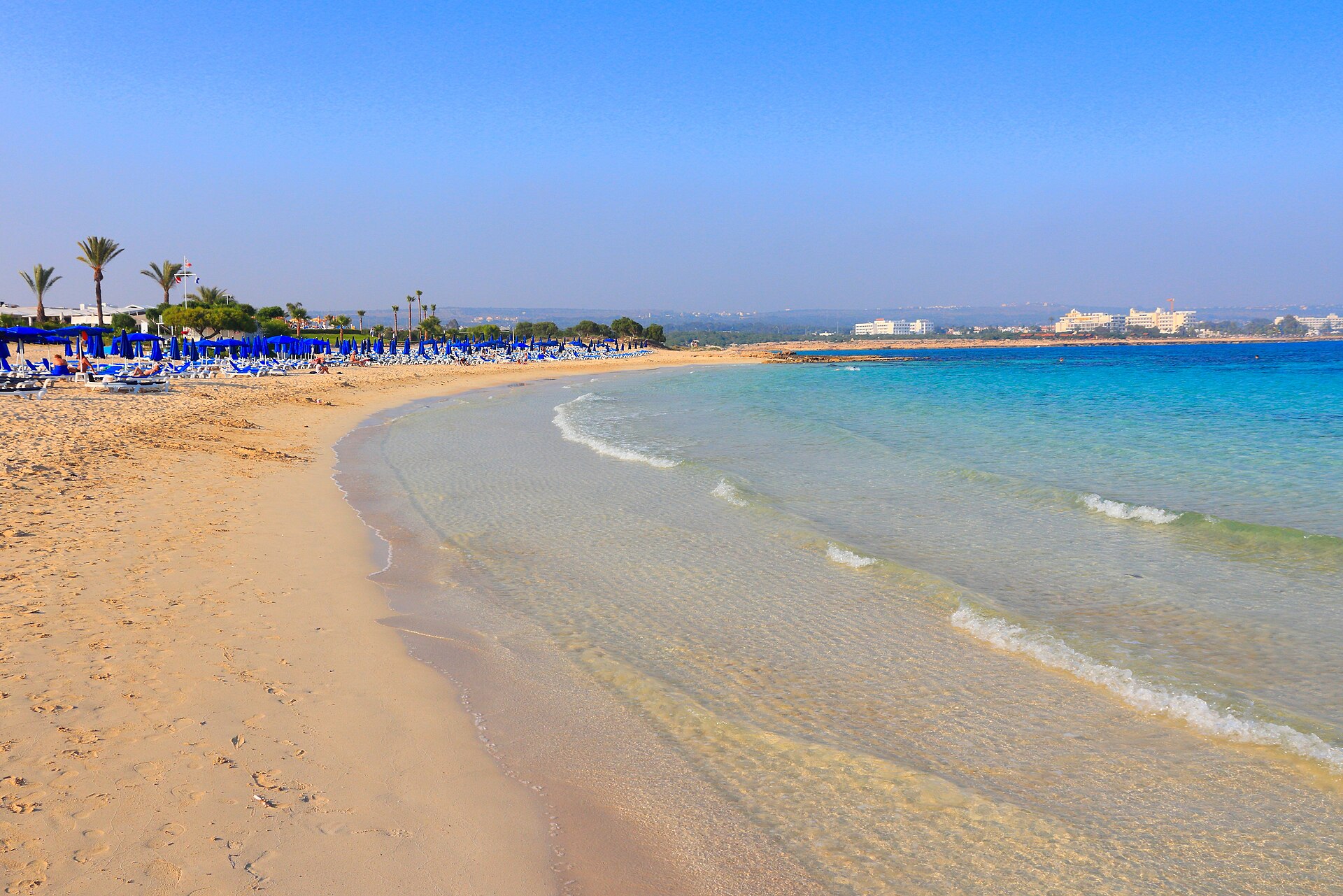
- Ayia Napa: Intense seasonal demand with peak rates between June and August, followed by sharp winter contractions that require proactive reserve budgeting.
Regulatory Oversight and Asset Selection
Regulatory standards enforced by the Deputy Ministry of Tourism have formalised the short-let environment, requiring all properties to register and maintain defined safety and civil liability standards. In premium developments across Limassol, collective management committees are increasingly adopting bylaws that restrict transient holiday occupation to preserve exclusivity for owner-occupiers. Prospective purchasers must scrutinise building declarations to ensure short-stay permissions are unambiguously permitted before committing capital.
Looking ahead, forward-thinking buyers are structuring flexible strategies that transition between short-term holiday letting during the summer and medium-term executive lets over the Mediterranean winter. This hybrid framework mitigates seasonal void periods in Paphos and capitalises on transient professional arrivals across Limassol and Nicosia. In an increasingly sophisticated market, the most reliable yields will flow not from opportunistic summer pricing, but from precision asset management and compliance with evolving regulatory baselines.