If you have not been to Ayia Napa since 2019, you have not been to Ayia Napa. The town that European tabloids spent two decades describing as the Mediterranean's answer to Ibiza has, in the space of one investment cycle, redrawn itself around a deep-water marina, a serious archaeological museum, and a low-rise residential grid that owes more to Antibes than to its own past.
The marina, first
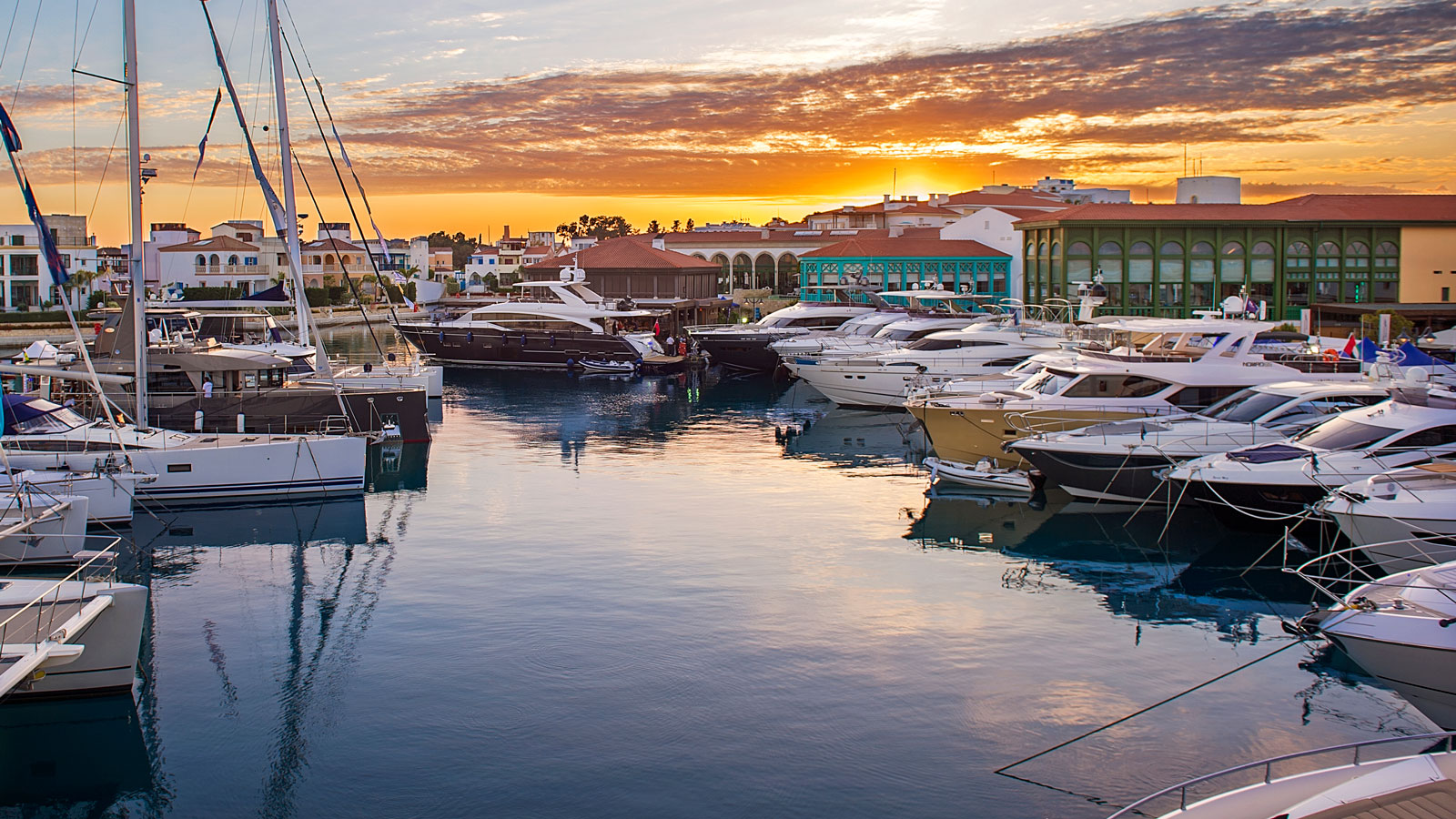
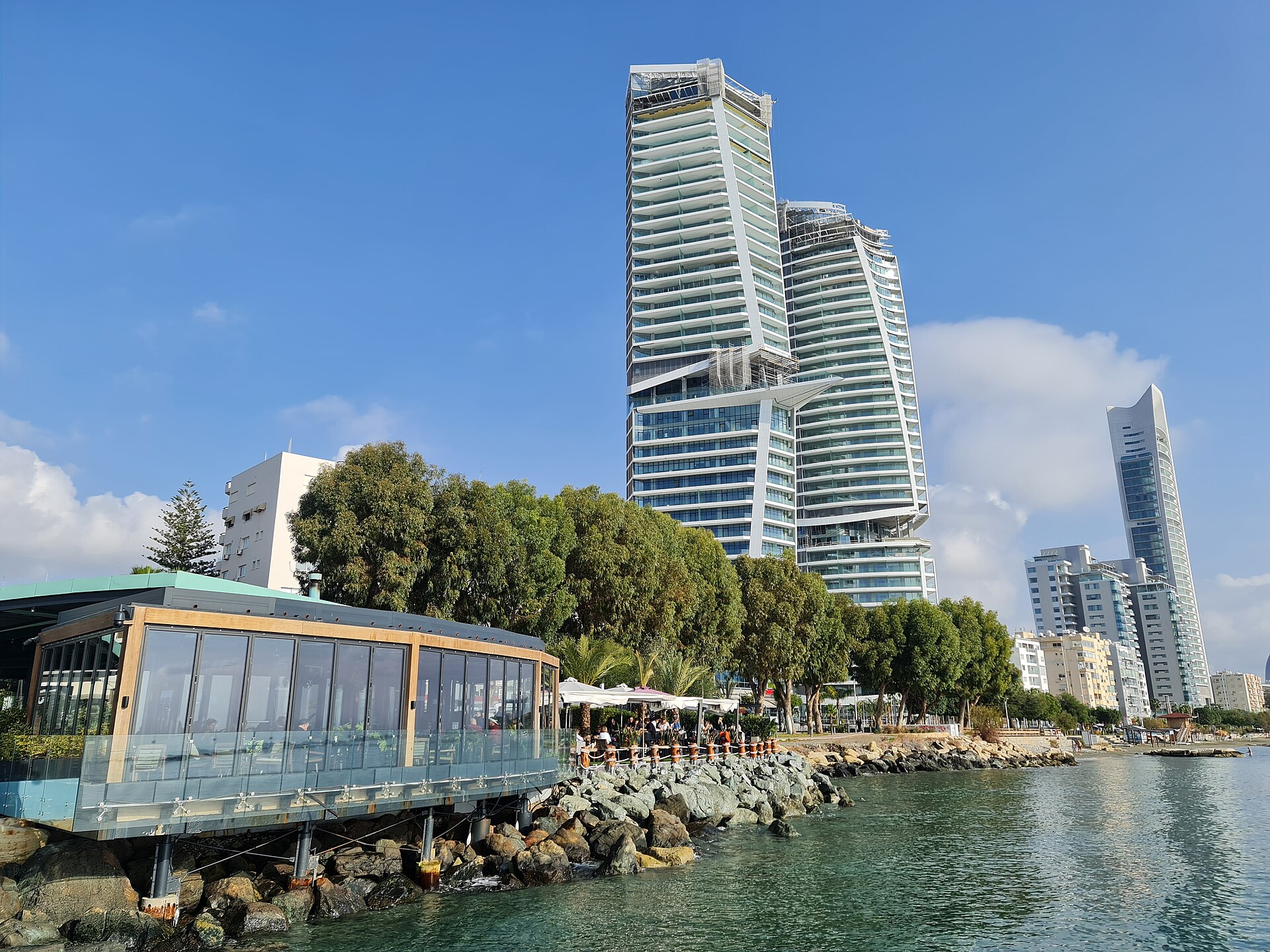
The €310m Ayia Napa Marina, delivered in phases between 2022 and 2025, gave the town what it had never had: a reason to exist outside the summer months. 600 berths, half of them above 24 metres, anchor a 28,000 m² mixed-use quarter with two residential towers (the work of the late Hadid studio) and a low-rise village of 87 villas. Average clearing prices in the towers now sit at €11,800/m²; the villas range from €3.4m to €9.6m.

The museum that changed the conversation
Less remarked-upon, and arguably more important, is the Thalassa Museum's 2024 expansion. It now holds the largest collection of Bronze Age maritime artefacts in the eastern Mediterranean. The museum is the reason European cultural press began writing about Ayia Napa in a different register, and the reason a particular kind of buyer — older, quieter, less interested in a club scene — began to consider the eastern coast at all.
What the money is doing now
- Phase 2 of the marina (a further 180 berths and a hotel) breaks ground in autumn 2026.
- Three off-market villa sales above €7m closed in the last 12 months — none publicly listed.
- A new low-rise district on the Cape Greco road has full permits for 140 residences, capped at three storeys.
- Short-let yields have compressed from 8.4% (2019) to 5.1% (2025) as long-let demand from year-round residents grew.
- Protaras, ten minutes north, is now treated as part of the same micro-market and clears at a 12% discount to Napa proper.
What has not changed
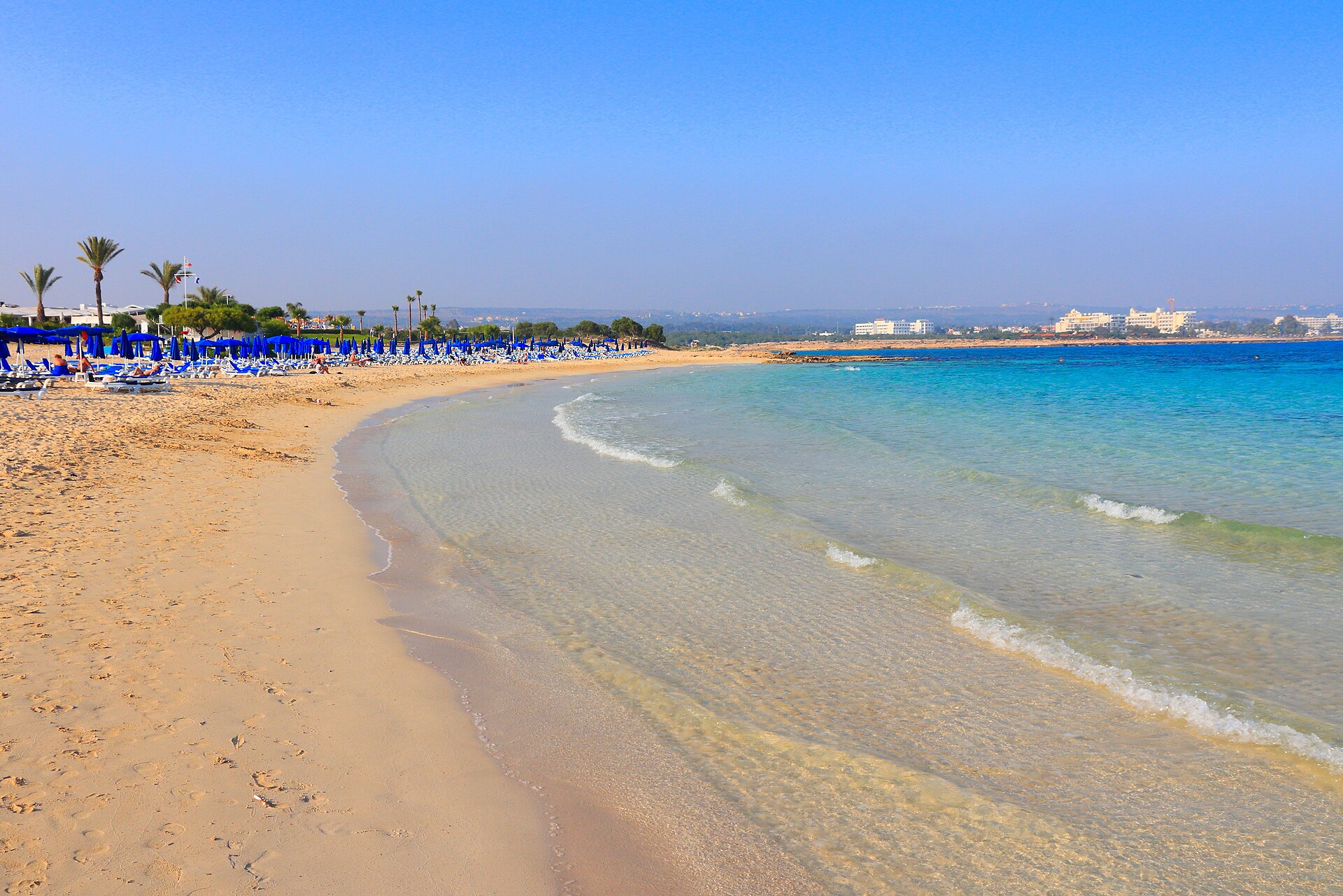
The strip on Ayias Mavris is still there, still loud, still doing what it does between June and September. The town has not erased its past; it has built a separate quarter that does not depend on it. Whether you find the result charming or sanitised is a matter of taste — but the capital flows are unambiguous.
"Ayia Napa is the only Cypriot town in the last decade to have successfully rebranded itself without losing its existing economy. Both versions of the town now coexist, three streets apart."