
The Mediterranean short-let sector has transitioned from an informal holiday trade into an asset class defined by institutional discipline and stringent regulatory oversight. For international investors targeting Cyprus, assessing short-let yields across Limassol and Paphos requires looking past headline gross projections and examining the granular realities of operational expenditure, seasonal compression, and demographic demand.
Diverging Dynamics: The Corporate Hub versus the Leisure Coast
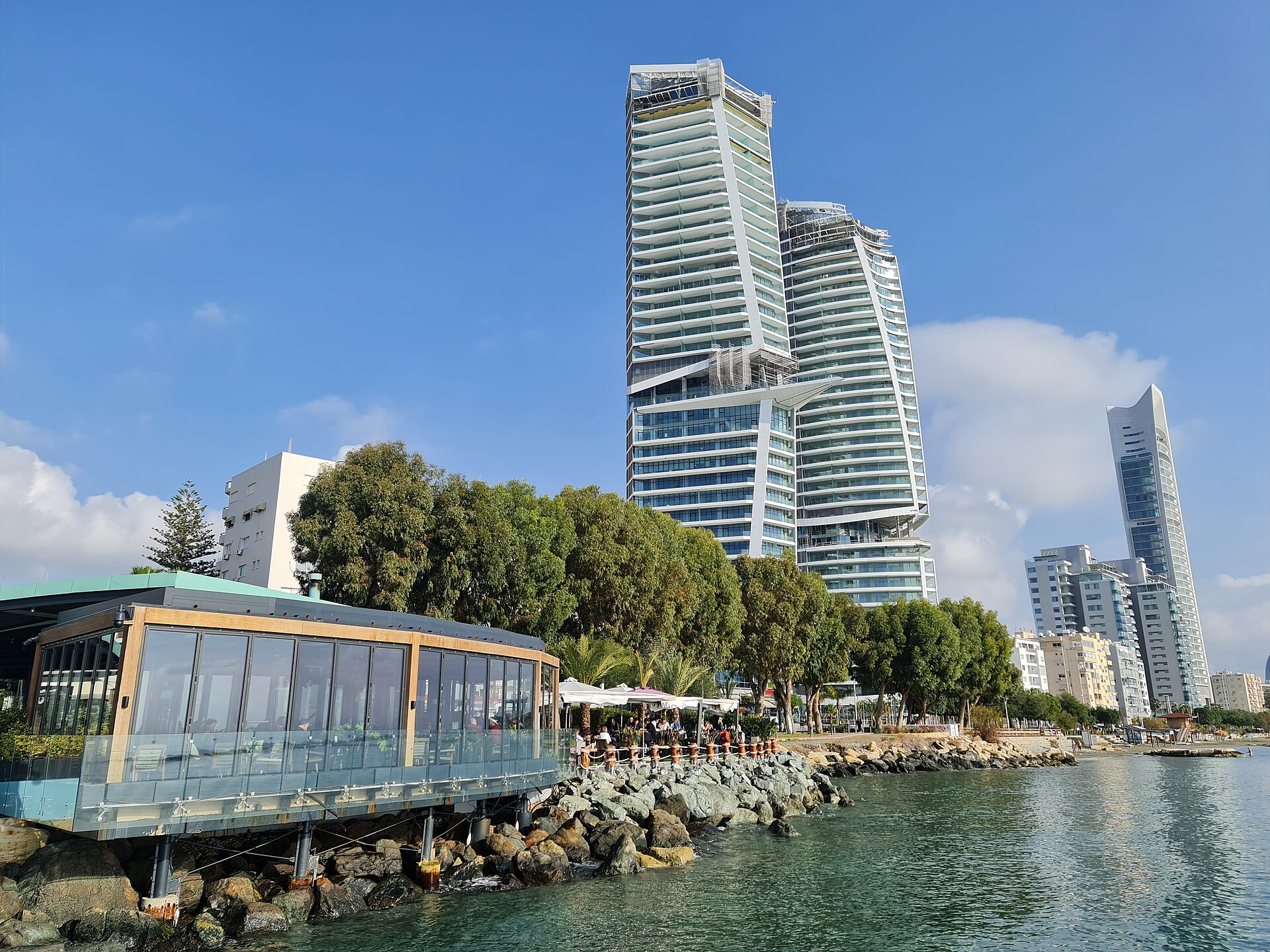
Limassol and Paphos present fundamentally divergent economic foundations. Limassol operates as the island's primary commercial capital, where short-stay demand is bolstered throughout the year by corporate relocations, international fintech summits, and professional services. This consistent baseline reduces the vulnerability to low-season troughs, allowing prime apartments near the coastal strip to maintain occupancy rates of 68 to 74 percent across twelve months.
Paphos, by comparison, remains inherently tied to leisure travel, international golf tourism, and sustained European winter migration. Capital entry values in Paphos are markedly lower than those in Limassol, which often flatters initial return calculations. However, achieving an attractive rental yield in Cyprus through Paphos holiday assets demands a clear understanding of its pronounced summer crests and softer mid-winter shoulder months.
"Yield calculations that omit professional asset management fees and rigorous local licensing rarely survive their first fiscal year."
Deconstructing the Real Numbers: Net Versus Gross Returns
While promotional materials frequently tout gross returns upwards of nine percent, net yields settle into more realistic, sustainable corridors once property operations are accounted for. In Limassol, gross yields of 6.5 to 7.8 percent generally compress to a net range of 4.2 to 5.4 percent. In Paphos, where acquisition costs per square metre remain more accessible, well-managed coastal villas and residences can achieve net yields between 5.0 and 6.2 percent.
- Management overheads: Professional operators typically charge between 18 and 25 percent of gross revenues for turnkey hospitality management.
- Utility burdens: Air conditioning consumption during the July-to-September peak materially erodes operational margins if smart climate controls are absent.
- Communal and reserve funds: Prime residential schemes with communal wellness spas, heated pools, and concierge facilities require higher annual contributions.
- Licensing compliance: Registration with the Deputy Ministry of Tourism is mandatory, accompanied by municipality taxes and value-added tax obligations on short-stay operations.
The Regional Ripple: Larnaca, Nicosia, and Ayia Napa
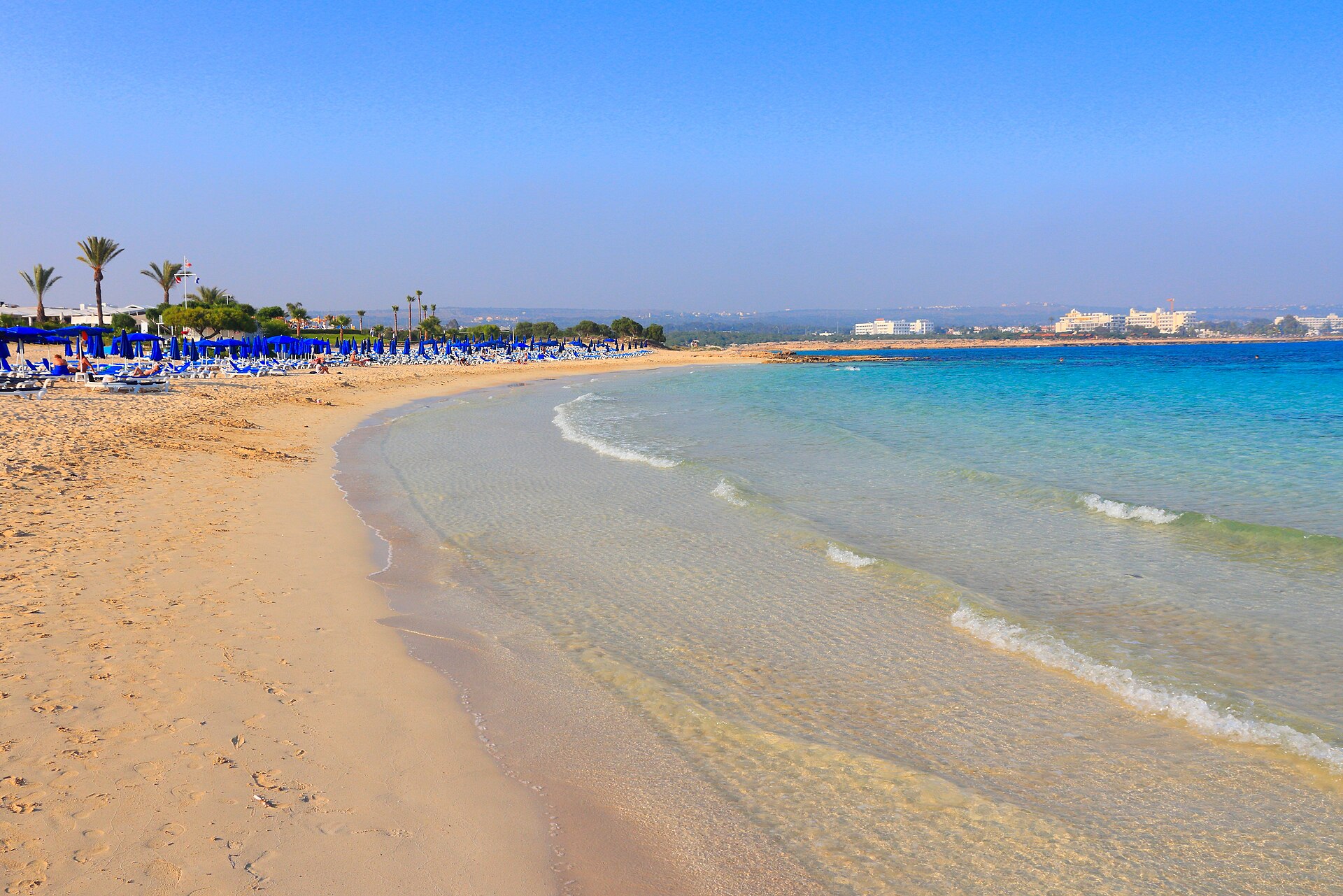
A balanced perspective requires acknowledging other island centres that frame investor choices. Larnaca is quietly gaining ground as infrastructure investments near the port area unlock yields comparable to Paphos, backed by continuous airport proximity. In Nicosia, the market is almost entirely immune to tourism cycles, delivering stable corporate lets rather than true short-let volatility. To the east, Ayia Napa and Protaras generate exceptional cash flows across a brief four-month summer window, but remain virtually dormant throughout the winter.
Strategic Outlook: Capital Preservation and Asset Selection
Moving forward, the distinction between standard holiday flats and prime, amenity-rich residences will dictate yield resilience. International tenants increasingly prioritise bespoke finishes, dedicated workspaces, and private wellness facilities. Investors navigating the short let Limassol Paphos landscape must weigh whether they seek Limassol's superior liquidity and long-term capital preservation or the cash-flow efficiency accessible in Paphos.
Ultimately, sustainable income in the Cyprus residential market is achieved through uncompromising asset quality and professional local execution. Those who approach property acquisitions with conservative occupancy models and robust legal structuring will continue to find Cyprus one of the most compelling yield environments in the southern Mediterranean.