
For private investors evaluating the Mediterranean basin, short-term residential property in Cyprus represents an intriguing study in contrasts. Over the past three years, unprecedented international capital inflows, driven by technology sector relocations and shifting European lifestyle priorities, have reshaped both capital values and tenant profiles. Yet beneath the headline figures lies a bifurcated market where investment logic diverges sharply between the cosmopolitan coastal strip of Limassol and the historically leisure-oriented enclave of Paphos.
Two Divergent Models of Mediterranean Yield
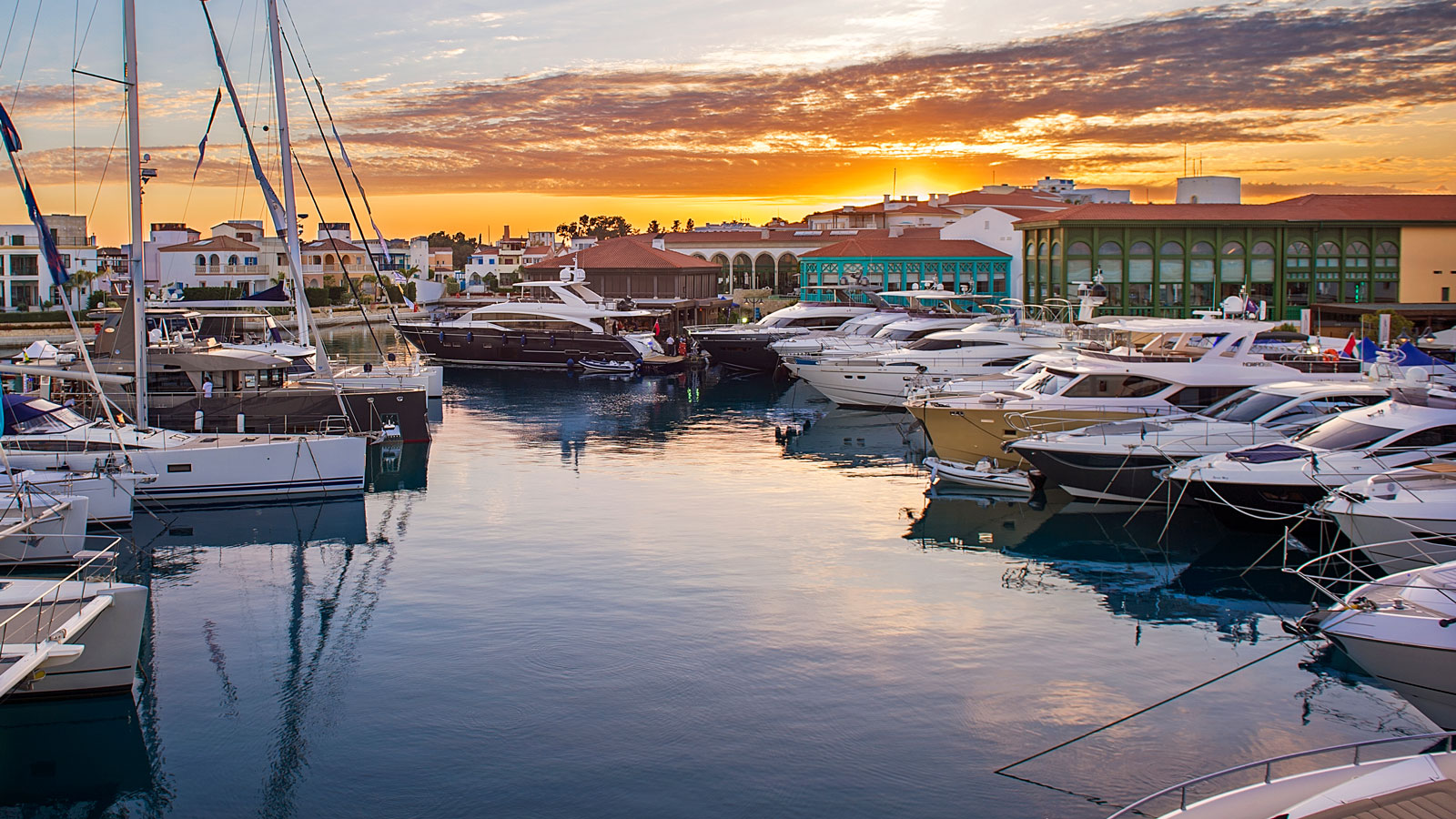
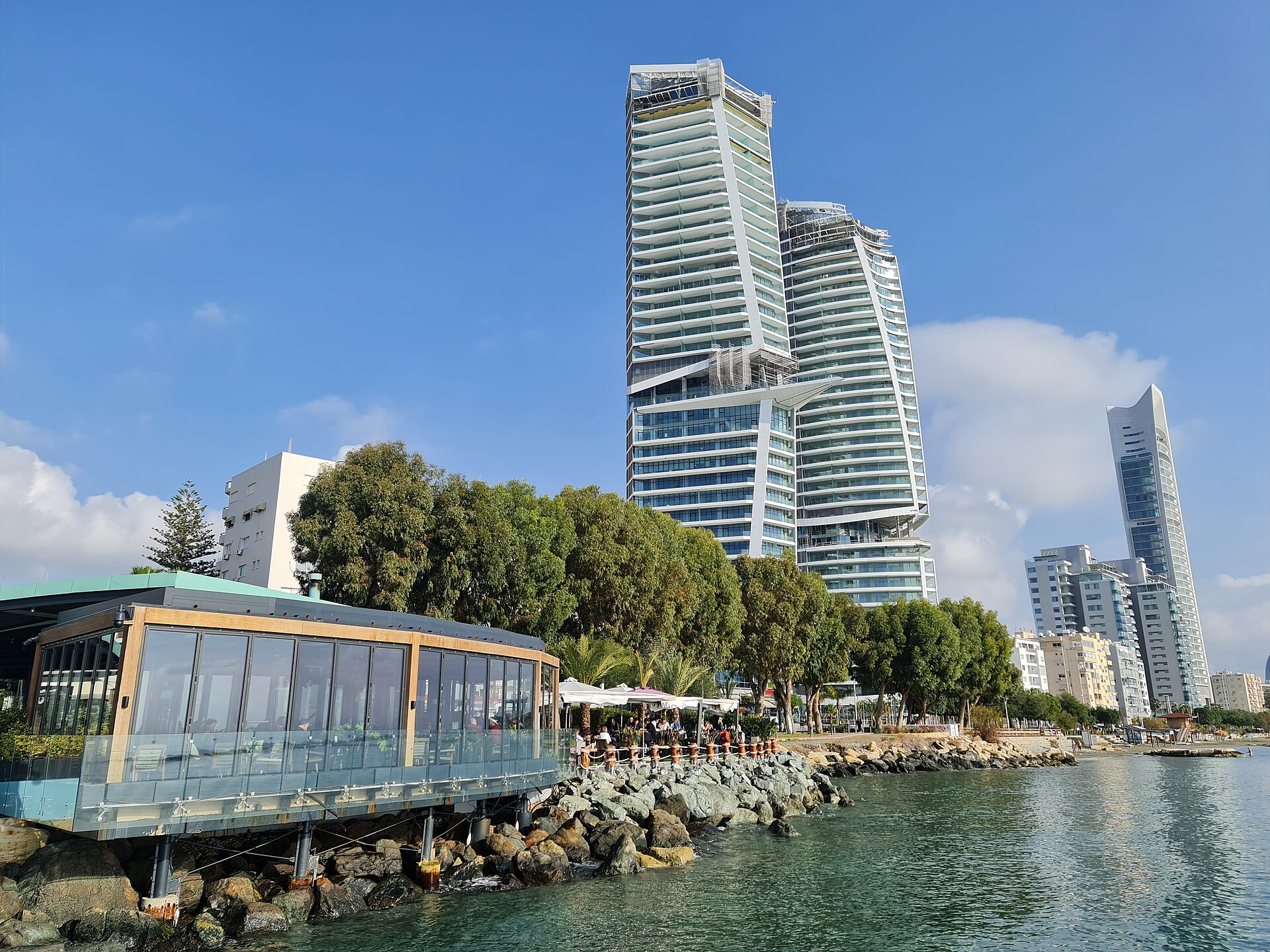
Limassol operates fundamentally as a hybrid economy, pairing high-end leisure tourism with year-round corporate demand. Prime marina-front apartments and newly completed high-rise towers routinely command average daily rates exceeding five hundred euros during peak summer months, maintaining respectable occupancy through winter due to visiting executives, conference delegates, and relocating professionals. However, elevated acquisition costs—frequently reaching eight to twelve thousand euros per square metre for frontline prime property—inevitably compress yields, leaving gross annual returns clustered between 6.0 and 7.5 per cent.
Conversely, the short let Limassol Paphos comparison tilts in favour of the western coast when evaluated on pure cash-on-cash metrics. Paphos continues to benefit from an extended leisure season, spanning March to November, anchored by British, German, and Scandinavian holidaymakers alongside steady winter golfing tourism. Because capital values for turnkey detached villas and boutique coastal apartments remain notably lower—often between three and five thousand euros per square metre—well-positioned properties generate gross yields of 8.0 to 10.2 per cent, despite a softer mid-winter lull.
"While Limassol functions as a capital preservation play with resilient corporate liquidity, Paphos consistently delivers the superior income distribution that income-focused family offices demand."
Dissecting the Operating Costs: Gross Versus Net
Achieving an attractive rental yield Cyprus investors can bank upon requires a clinical understanding of operational deductions. Short-term letting demands intensive management infrastructure, with local professional operators taking between 18 and 25 per cent of gross revenue to oversee marketing, guest hospitality, and housekeeping. Additionally, air-conditioning consumption under the intense summer sun presents a significant utility cost unless modern photovoltaic arrays and intelligent climate sensors are integrated into the residence.
Regulatory frameworks must also be factored into any acquisition model. Properties must be formally registered with the Deputy Ministry of Tourism, complying with strict safety standards, guest registration protocols, and municipal lodging taxes. When factoring in platform booking fees, maintenance sinking funds, insurance, and the standard statutory deductions, investors should anticipate an erosion of 250 to 350 basis points from their headline gross yield to arrive at a true net figure.
- Property management and guest servicing: 18 to 25 per cent of gross bookings
- Utility expenditure and communal service charges: 8 to 12 per cent of revenue
- Statutory reserve for refurbishment, linen replacement, and wear: 4 to 6 per cent
- Licensing compliance fees, municipal overnight levies, and local property taxes
The Broader Geography: Context Beyond the Two Hubs
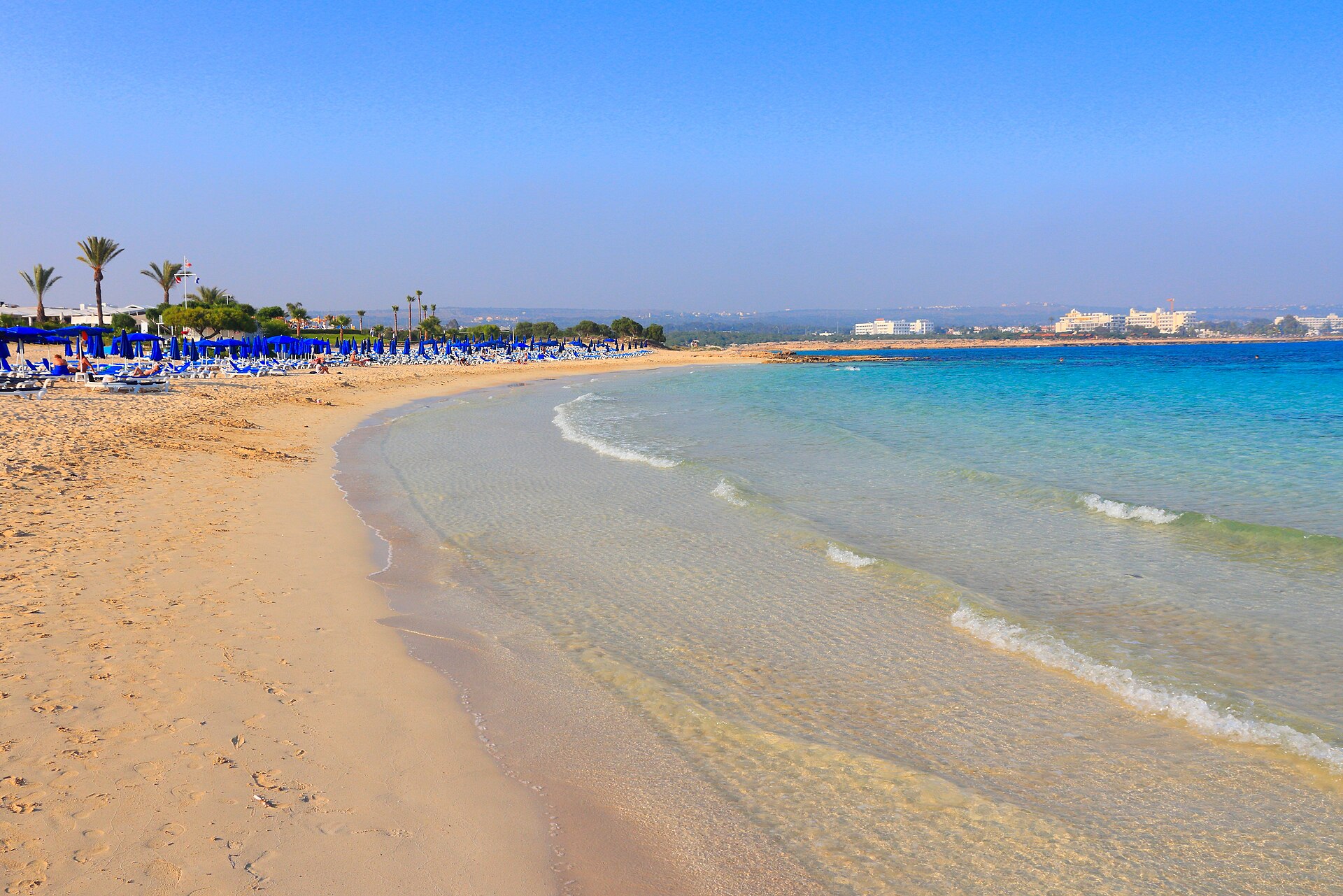
While Limassol and Paphos capture the bulk of foreign equity, neighbouring markets provide valuable context for portfolio diversification. Larnaca has emerged as a compelling mid-market option, where lower entry pricing and ongoing waterfront masterplans deliver steady short-let returns to travellers seeking proximity to the island's primary international airport. Meanwhile, Ayia Napa and Protaras remain hyper-seasonal, compressing immense gross revenues into a fifteen-week window followed by near-total winter closure, contrasting with Nicosia, where the market is almost entirely long-term, domestic, and institutional.
Portfolio Strategy and the Outlook
The forward outlook for short-term residential assets in Cyprus remains constructive, supported by enhanced air connectivity and continued European preference for self-contained luxury accommodation over traditional hospitality. For buyers focused on capital appreciation and liquidity, prime central Limassol continues to mirror institutional prime residential benchmarks across southern Europe. For buyers whose primary investment objective is income yield, high-specification villas in coastal Paphos, particularly those within established resort environments, offer one of the most compelling risk-adjusted cash flows available in the Eastern Mediterranean today.