The performance of holiday accommodation and executive short-stays has undergone a structural recalibration across coastal Cyprus. What was once predominantly a summer trade dictated by charter flight schedules has broadened into a multi-tiered marketplace catering to remote professionals, corporate relocations, and affluent leisure travellers. Navigating this landscape requires looking beyond headline figures to understand how capital values and running costs dictate real net outcomes.
Divergent Profiles: Corporate Continuity Versus Leisure Seasonality
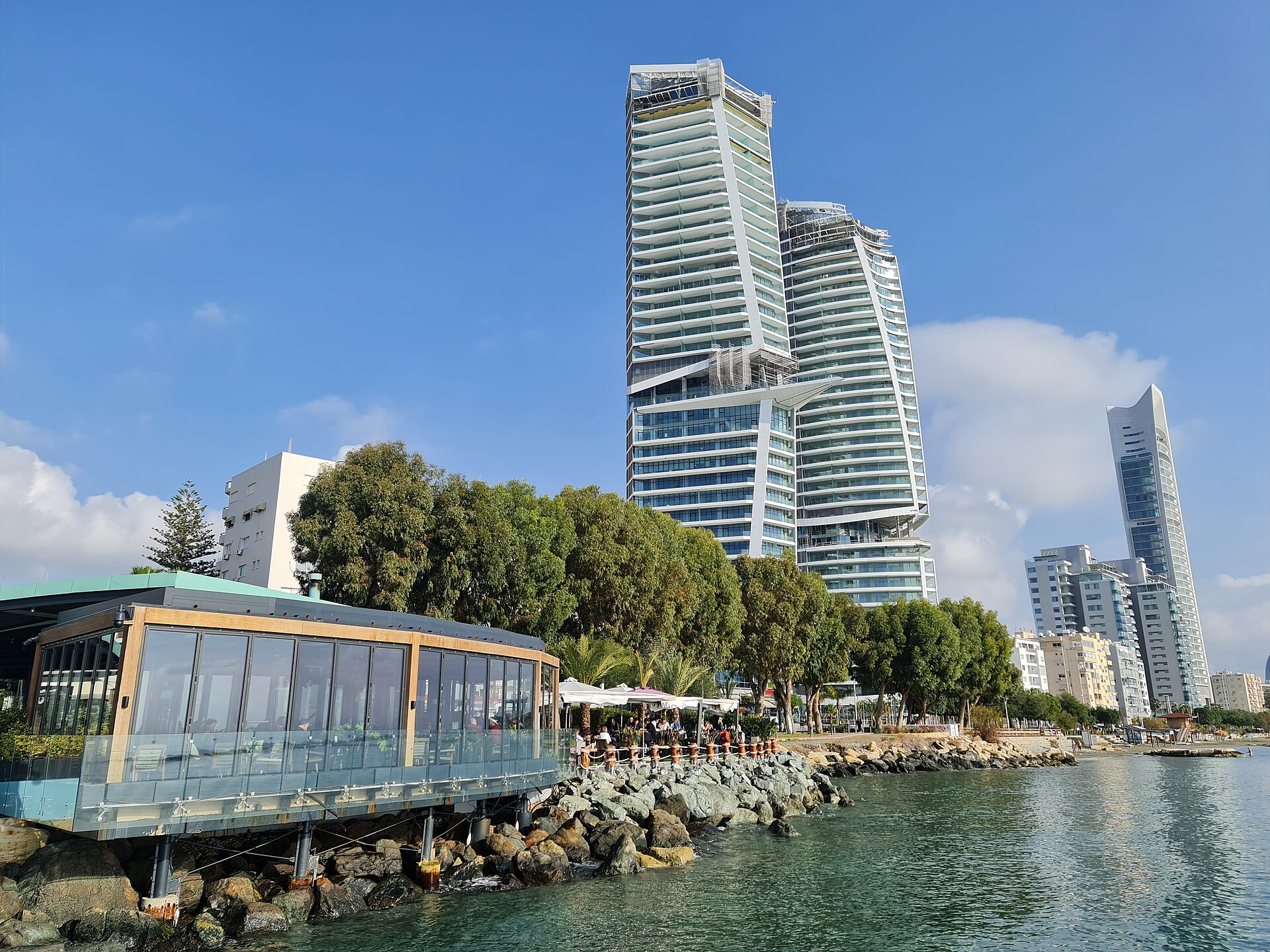
When examining rental yield in Cyprus, Limassol and Paphos present fundamentally distinct financial architectures. Limassol operates as the island’s primary commercial engine, where short-term occupancies are sustained through all twelve months by international corporate headquarters, visiting executives, and financial services conferences. Consequently, prime apartments in central Limassol command robust average daily rates that frequently absorb the higher capital acquisition costs inherent to the city.
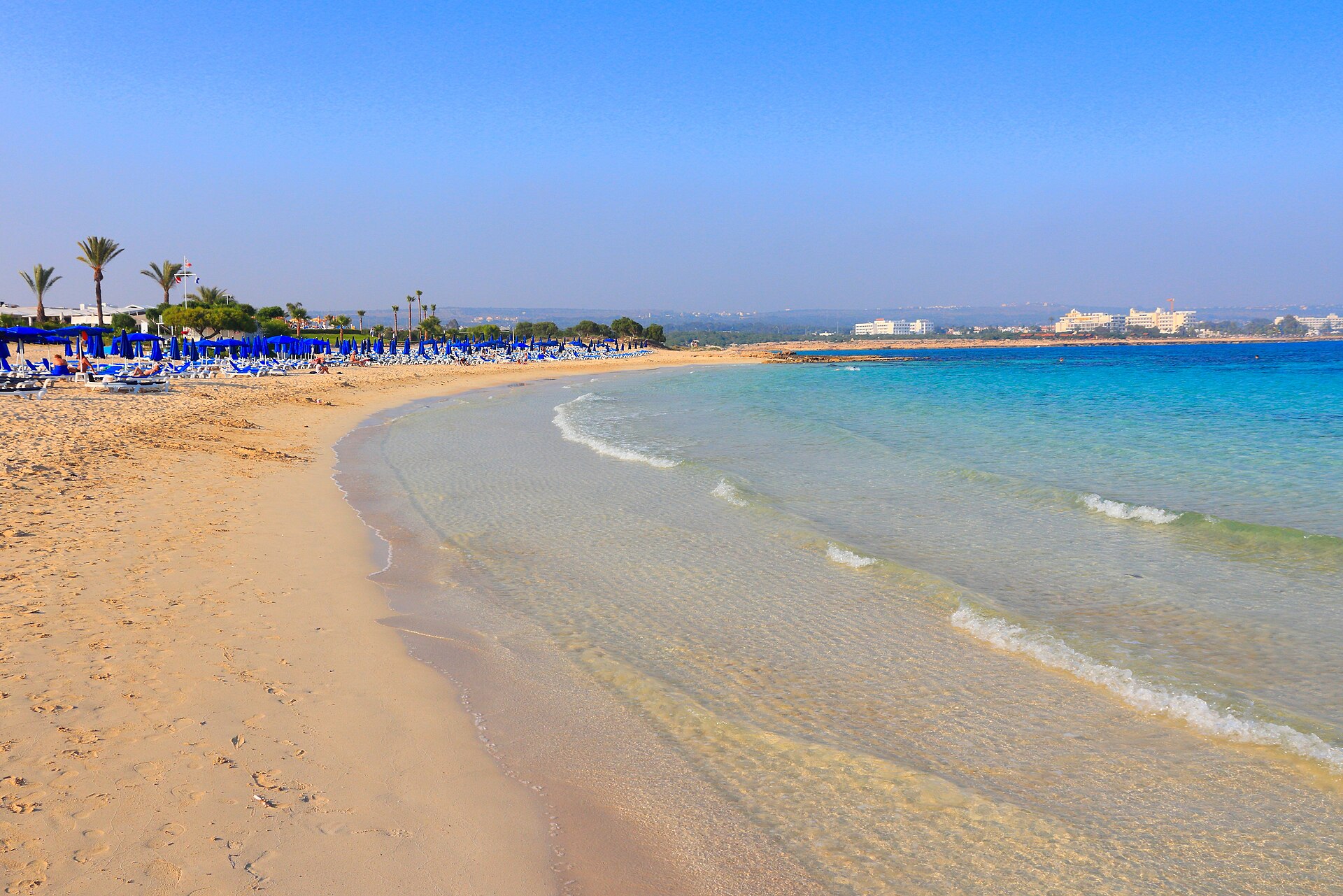
Paphos, conversely, remains an established leisure redoubt, drawing European holidaymakers from March through November and a growing cadre of winter long-stayers seeking golf resorts and mild coastal conditions. Lower entry prices per square metre in Paphos mean that gross returns during the peak summer months can appear exceptionally attractive, often touching 8 to 9.5 percent for well-appointed villas with private pools. However, the winter dip remains more pronounced than in the southern commercial capital, requiring prudent revenue forecasting.
Deconstructing the Balance Sheet: From Gross to Net
Evaluating a short let in Limassol or Paphos requires clear-eyed accounting of the friction points between headline income and net take-home yields. High-end short-let assets in prime Limassol locations typically generate gross yields between 6.0 and 7.5 percent, while realistic net yields settle between 4.2 and 5.5 percent once operational overheads are deducted. In Paphos, where gross projections often reach 8.5 percent, net outcomes commonly stabilise in the 5.0 to 6.2 percent corridor for properties with competent local management.
- Property management charges, which standardly range from 18 to 25 percent of gross booking revenue for full-tier hospitality services.
- Elevated electricity expenditure, heavily influenced by summer air conditioning usage and the pricing structure of the Electricity Authority of Cyprus.
- Platform fees, cleaning turnovers, municipal tourism levies, and regular maintenance reserves necessary to protect five-star guest ratings.
- Mandatory statutory compliance, including registration fees with the Deputy Ministry of Tourism for self-catering accommodation units.
"Headline gross figures frequently obscure the friction of seasonal occupancy and operational maintenance. In contemporary Cyprus, true outperformance hinges on year-round appeal and disciplined asset stewardship."
Comparative Context: The Island-Wide Horizon
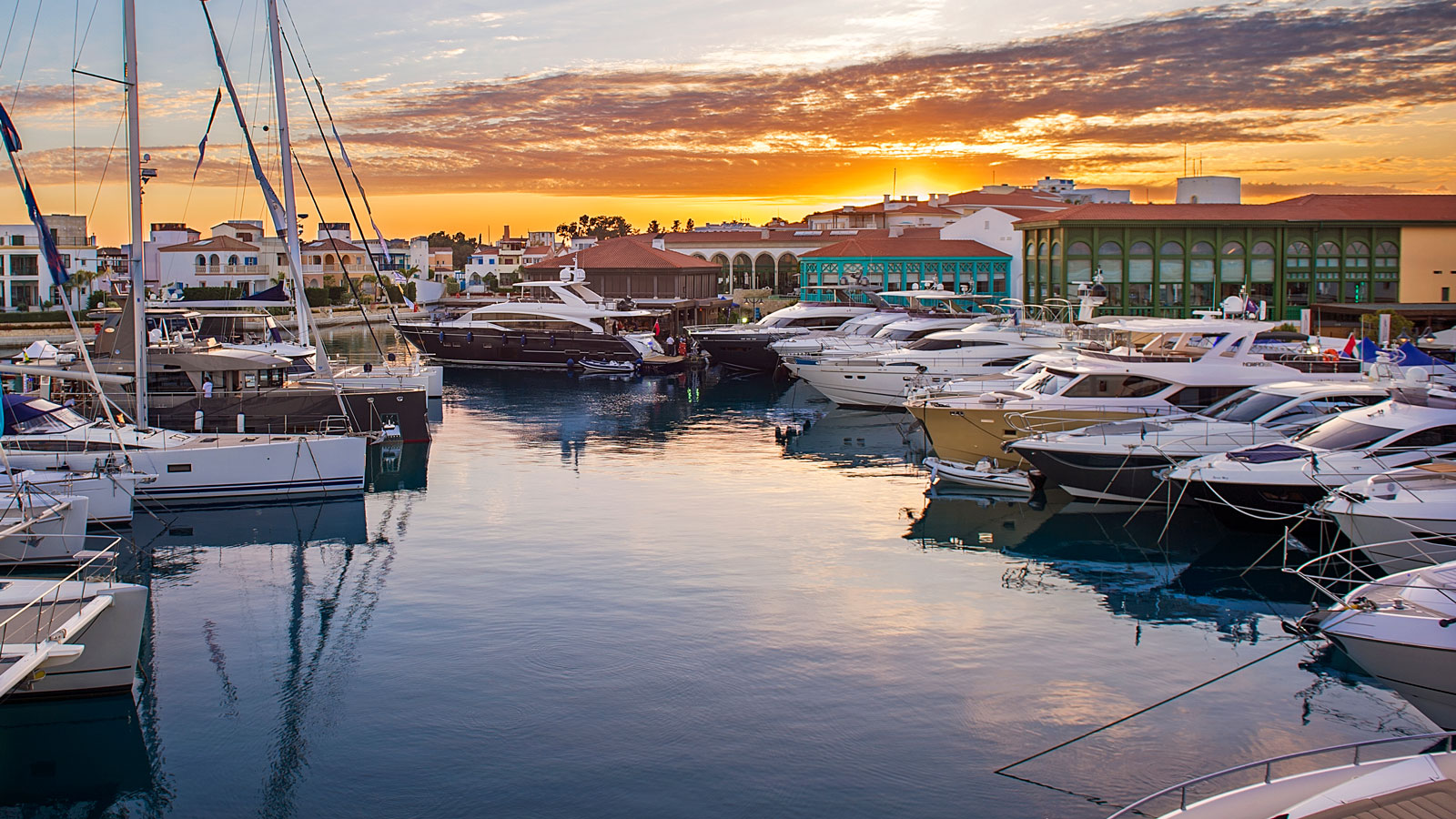
While Limassol and Paphos dominate international investment allocations, alternative regional dynamics provide useful benchmarks. Larnaca has quietly gained momentum, supported by airport proximity and ongoing marina regeneration, offering lower entry thresholds and respectable gross yields around 6.5 to 7.5 percent. Further east, Ayia Napa and Protaras deliver intense, hyper-seasonal yields during four summer months, but winter dormancy leaves properties generating minimal income for half the calendar year. In inland Nicosia, the holiday short-let market is virtually non-existent, replaced instead by steady civil service and diplomatic medium-term lets.
Strategic Outlook for Portfolio Allocators
For institutional and private capital, the choice between Limassol and Paphos depends primarily on risk appetite and investment horizon. Investors prioritising capital preservation, asset liquidity, and stable year-round tenancy naturally lean toward Limassol apartments near the coastline and business districts. Those seeking cash flow optimisation and lifestyle utility often favour detached Paphos villas within established resort environments, where personal usage can be harmonised with seasonal holiday letting.
Looking ahead, legislative oversight by the Deputy Ministry of Tourism ensures that sub-standard residential units are gradually filtered out of the short-term pool, shielding legitimate operators from unregulated competition. Assets that combine authentic architectural integrity, high energy efficiency ratings, and professional operational management are consistently outperforming generic holiday stock across both districts, securing sustainable returns for discerning buyers.