
The calculus of residential investment in the eastern Mediterranean has evolved considerably over the past twenty-four months. In Cyprus, where international capital has traditionally gravitated toward permanent residency or long-term leases, the short-stay sector has matured into a sophisticated asset class. Discerning private clients now view short-let properties not merely as lifestyle annexes, but as operational investments requiring exact financial appraisal.
Diverging Profiles: Limassol Corporate Demand versus Paphos Leisure
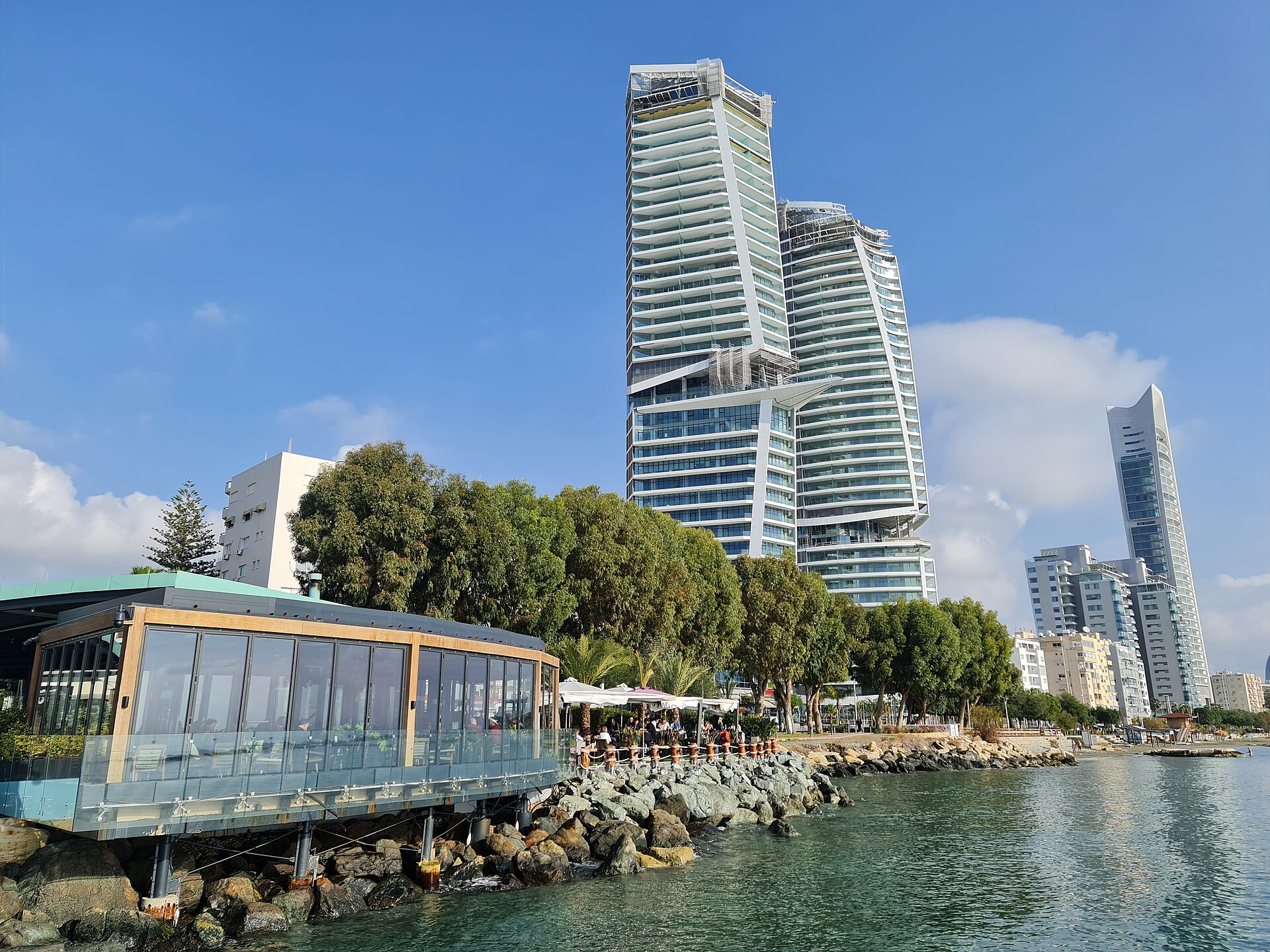
Evaluating performance requires distinguishing between the structural drivers of Limassol and Paphos. Limassol operates as the commercial hub of the island, sustaining a year-round corporate demographic bolstered by international technology firms, shipping headquarters, and financial practices. Consequently, prime apartments near the marina or along the central seafront command high average daily rates that remain resilient outside the conventional summer season. However, elevated entry valuations—often exceeding seven thousand euros per square metre for frontline developments—exert natural compression on baseline returns.
By contrast, Paphos retains an orientation anchored in leisure tourism, extended winter getaways, and golf-centric lifestyle travel. Capital entry values in prime enclaves such as Tala, Peyia, and the coastal fringes of Kato Paphos remain appreciably lower than those in Limassol. This lower capital basis allows premium villas and sea-view apartments to generate robust top-line figures between May and October. A well-positioned three-bedroom villa in Paphos can generate gross revenue equivalent to an eight to ten per cent return during peak operational periods, though the winter shoulder season necessitates careful rate management.
Deconstructing Gross versus Net Rental Yield in Cyprus
Brochure projections for Mediterranean real estate often present gross figures that conceal the operational frictions of short-stay hospitality. In reality, translating top-line bookings into an investable net rental yield in Cyprus requires accounting for platform commissions, utility burdens, and professional property oversight. High cooling costs during the midsummer months, coupled with ongoing maintenance of private pools and landscaped grounds, introduce material deductions that long-term tenancies avoid.
- Full-service local asset management and guest concierge provisions, typically absorbing 18 to 22 per cent of turnover
- Booking platform commissions and international transaction fees, aggregating between 3 and 15 per cent
- Seasonal utility consumption, particularly unmetered climate control across peak summer heatwaves
- Statutory compliance charges, including the Deputy Ministry of Tourism licensing levy and communal service fees
- A recurrent reserve allowance of 5 per cent of gross revenue for soft-furnishing refurbishment and wear-and-tear mitigation
"The distinction between headline yields and true net performance lies in asset liquidity and year-round operational control, rather than speculative peak-season rates."
The Current Performance Metrics Across Key Micro-Markets
When the operating ledger is cleared, net yields settle into reliable bands for prime assets. In Limassol, institutional-grade two-bedroom apartments within managed coastal developments are currently yielding net figures between 4.2 and 5.3 per cent, insulated by an average annual occupancy rate hovering near 72 per cent. Paphos demonstrates higher yield variability; prime detached homes frequently deliver net yields between 5.5 and 6.8 per cent, though occupancy exhibits a wider dispersion between peak July and off-season January.
Other regions present alternative strategic balances for private portfolios. Larnaca continues to narrow the gap with Limassol, driven by port redevelopment infrastructure and proximity to the primary international airport, with select waterfront units achieving net yields of approximately 5.8 per cent. Meanwhile, administrative stability in Nicosia keeps short-let activity tightly tied to diplomatic and legislative calendars, and the seasonal leisure enclaves of Ayia Napa and Protaras offer hyper-concentrated returns across a compressed four-month trading window.
Regulatory Rigour and Strategic Positioning
Institutionalising a short let in Limassol or Paphos now requires strict compliance with the national self-catering accommodation framework, administered by the Deputy Ministry of Tourism. Properties must hold a valid registration certificate, comply with municipal fire standards, and settle the standard value-added taxation where applicable. Unregulated operations face strict scrutiny, meaning that verified, compliant residences command a measurable valuation premium upon eventual resale.
For the cross-border buyer, the decision between Limassol and Paphos rests on portfolio priorities. Limassol suits those seeking capital preservation, corporate liquidity, and smoother cash flow across twelve months. Paphos appeals to investors seeking superior cash-on-cash returns, personal holiday utilisation, and entry price points that leave broader scope for organic capital appreciation.