
The evolution of the Cypriot property market over the past five years has shifted international attention towards performance-led acquisitions. While capital preservation remains the foundational pillar for high-net-worth investors, the comparative short let Limassol Paphos dynamic reveals distinct asset profiles, operating models, and net return structures. Understanding genuine yield performance requires dissecting the operational realities beneath marketing projections, from seasonal contraction to corporate tenancy demand.
Divergent Trajectories: Corporate Stays Versus Pure Leisure
Limassol and Paphos occupy fundamentally different positions on the Mediterranean accommodation spectrum. Limassol operates as a dual-engine economy, underpinned by an expanding corporate enclave of international technology and financial headquarters alongside its luxury coastal appeal. Paphos, by contrast, remains predominantly anchored to classic holidaymaker demand, enhanced by its UNESCO-listed antiquities, championship golf courses, and an international airport offering year-round European connectivity.
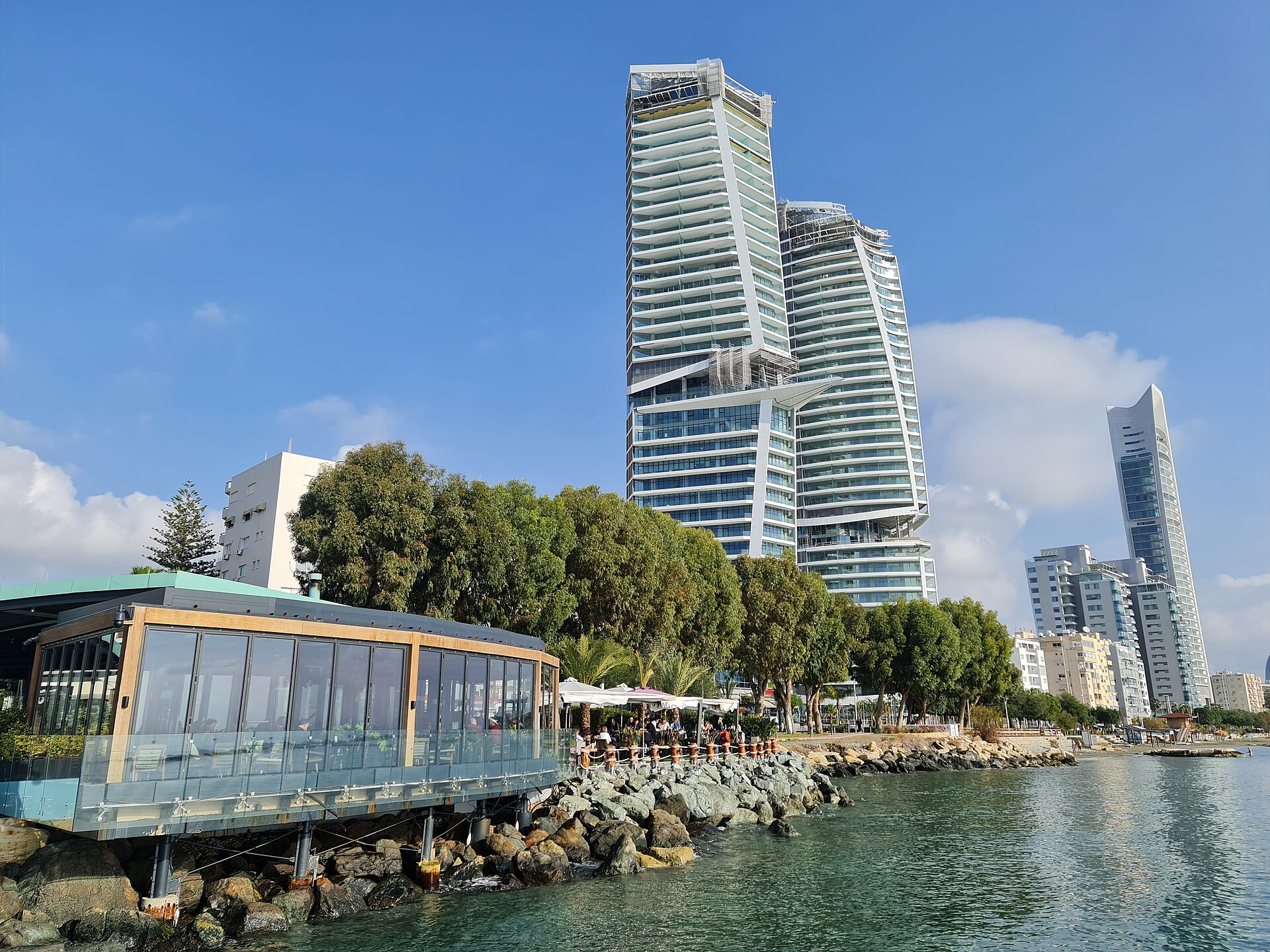
This foundational difference dictates booking velocity across the calendar year. In Limassol, premium two-bedroom residences in proximity to the waterfront or the business district frequently capture high average daily rates from visiting executives and transient professionals even during the traditional winter lulls. Paphos experiences a more pronounced seasonality, enjoying peak occupancy from late April through October, followed by an off-season that leans heavily on long-stay European retirees and sports tourism.
"Gross yields in prime coastal enclaves often flatter; true portfolio resilience rests on net retention after platform fees, municipal taxes, and off-peak occupancy realities."
Evaluating Net Performance: The Headline Numbers Versus Reality
When assessing rental yield Cyprus metrics, marketing brochures routinely cite gross figures between 8% and 10%. In prime Paphos locations such as Kato Paphos or the hillside villas of Peyia, gross yields of 7.5% to 8.5% are achievable during peak summers, but full-year net returns typically settle between 5.2% and 6.4% once operating costs are reconciled. Limassol presents a distinct trade-off: higher entry prices for marina-side towers and coastal apartments compress gross figures to 6.0% to 7.0%, yet sustained annual occupancy delivers net returns between 4.8% and 5.5% with lower volatility.
- Seasonality spreads: Paphos sees an occupancy drop of roughly 35% between December and February, whereas central Limassol holds a resilient 65% baseline.
- Operational overheads: Fully managed short-let services across both cities generally absorb between 18% and 25% of gross revenues.
- Asset differentiation: Modern two-bedroom apartments in Limassol attract corporate daily rates, while detached three-to-four bedroom villas with private pools drive superior returns in Paphos.
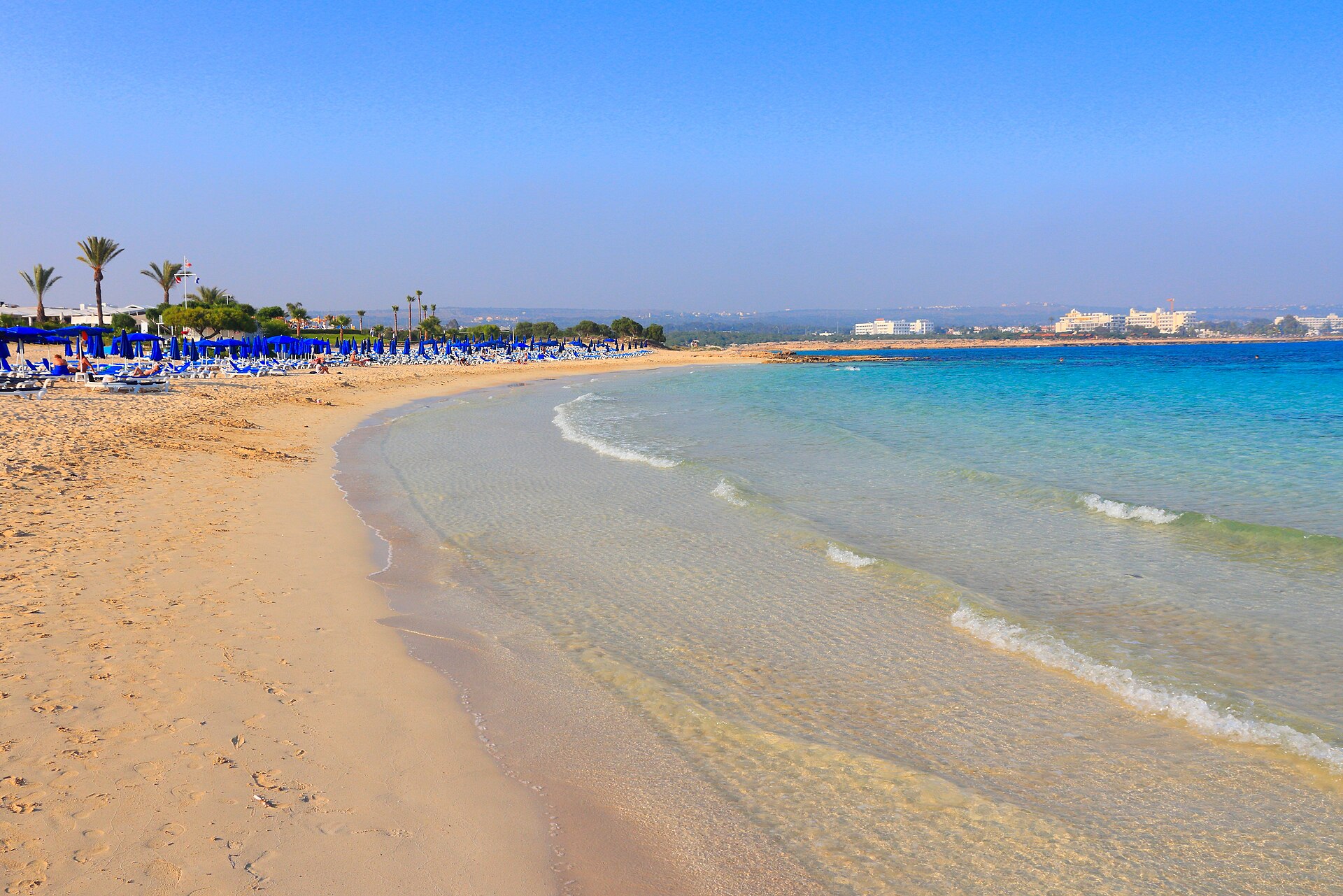
- Geographic spillover: Investors seeking compressed entry costs are increasingly benchmarking these numbers against emergent opportunities in Larnaca and prime coastal Ayia Napa.
Practical Considerations: Regulation, Taxation, and Management
Operating an institutional-grade short-let portfolio in Cyprus demands strict adherence to regulatory standards. All self-catering properties must be registered with the Deputy Ministry of Tourism, a mandate enforced to eliminate unregulated operators and ensure high health and safety standards. Non-resident owners must also navigate Value Added Tax obligations on operational services and maintain clear accounting for local municipal hospitality levies.
Utility management represents another subtle factor affecting bottom-line yield. The intense summer climate across the island necessitates modern energy-management systems, as unmanaged air conditioning usage can erode operational margins by several percentage points. Sophisticated investors mitigate this risk by integrating intelligent climate control hardware into their initial interior fit-out expenditure.
Strategic Outlook for Capital Allocation
Moving into the current fiscal cycle, capital allocation across Cyprus real estate is adopting a hybrid stance. Rather than relying solely on pure short-term holiday letting, discerning buyers are acquiring flexible assets capable of alternating between high-yield summer lets and medium-term corporate leases. While commercial cores like Nicosia offer steady conventional tenancies, prime coastal Limassol and Paphos remain the benchmark destinations for investors balancing private holiday usage with competitive, asset-backed income.