
The narrative surrounding the short-let market in Cyprus has undergone a quiet recalibration over the past eighteen months. Driven by sustained tourist arrivals, remote executive mobility, and international corporate headquarters relocating to the island, holiday and mid-term rentals have attracted considerable private capital. Yet the difference between paper projections and realised net returns requires discerning analysis, particularly when comparing the island's two most prominent coastal investment destinations.
Diverging Dynamics: Limassol's Corporate Flow versus Paphos Leisure
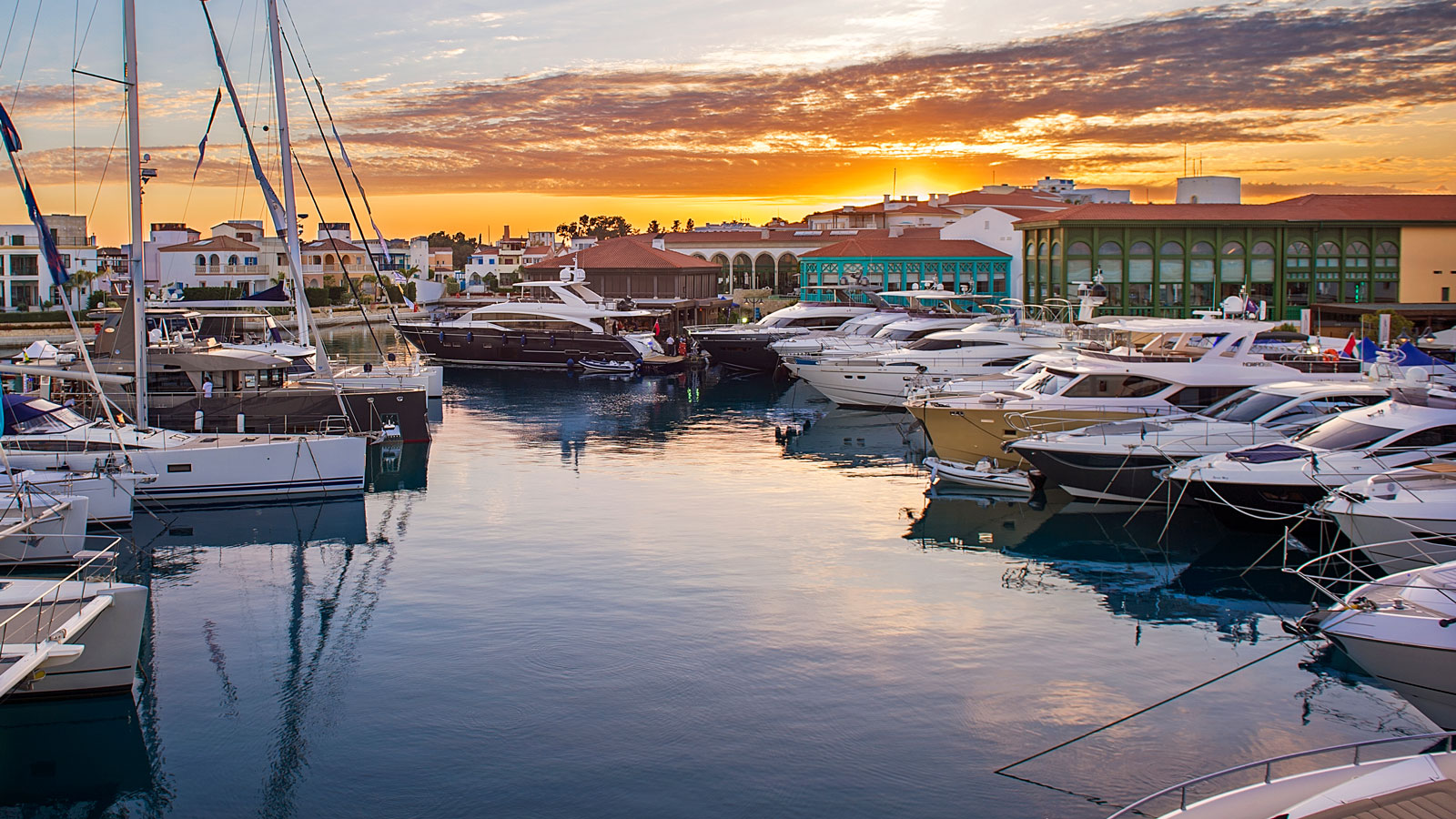
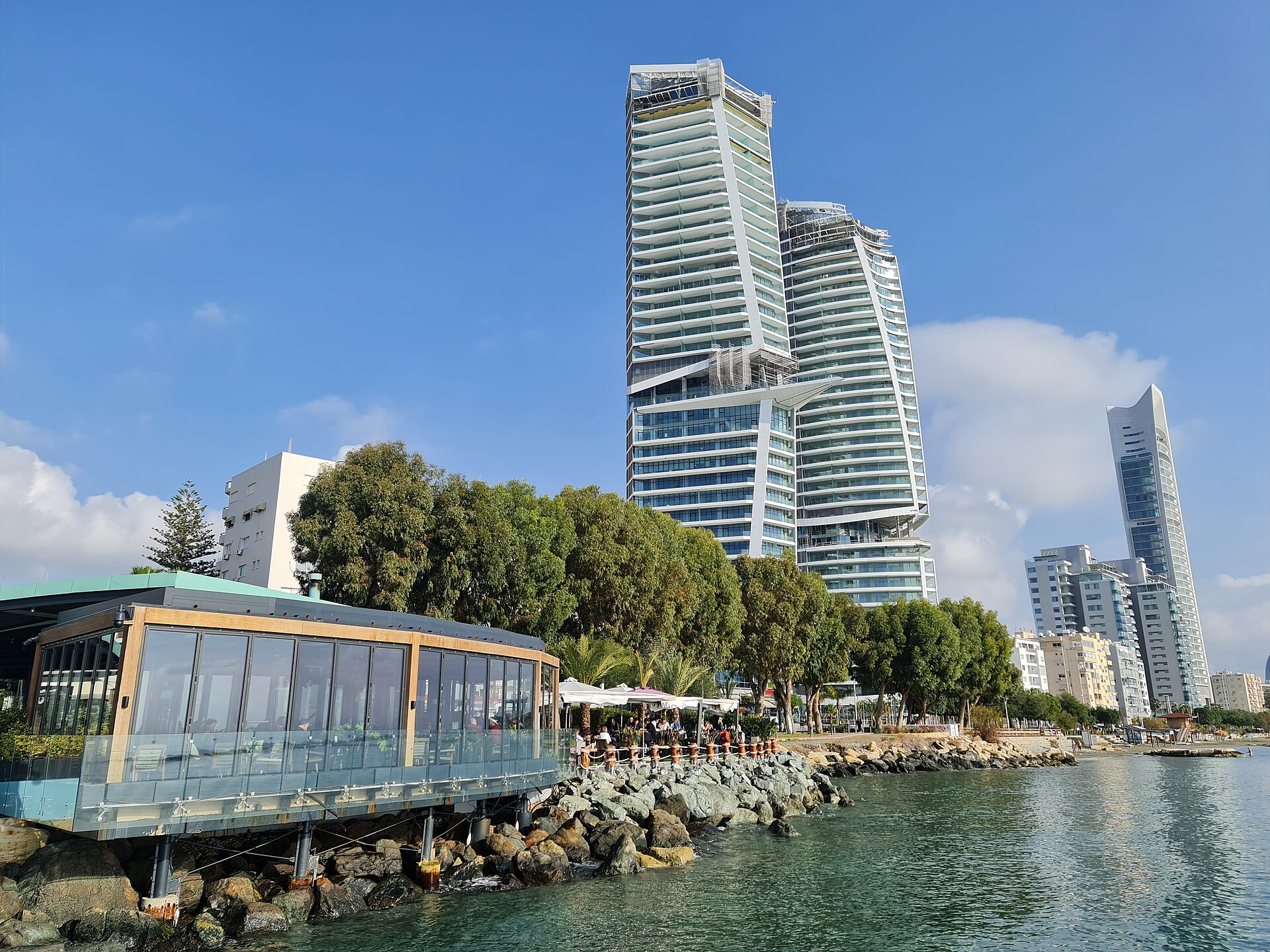
Limassol and Paphos present fundamentally distinct operating models for property investors seeking income. Limassol benefits from a structural dual market where holidaymakers in summer are replaced by visiting financial and technology executives during the winter months. This structural hybrid cushions the typical Mediterranean low season, allowing prime coastal apartments to maintain occupancy rates of 65 to 72 percent year-round. However, because capital entry values in Limassol remain the highest on the island, headline gross yields for prime waterfront properties generally hover between 5.5 and 6.8 percent.
Paphos, conversely, operates predominantly on traditional leisure tourism and wellness migration, characterised by higher peak-season average daily rates (ADRs) and lower initial acquisition costs per square metre. Detached villas with private pools and well-situated townhouses near Kato Paphos frequently achieve gross figures between 7.5 and 9.2 percent. The vulnerability in Paphos lies in the shoulder period from November through March, where income relies on long-stay European retirees and off-season golf tourism.
"Headline yields in coastal Mediterranean destinations frequently seduce international buyers, yet the true health of an asset is measured exclusively by its net cash flow after local management and seasonal vacancies."
Deconstructing the Cost Stack: What Gross Figures Omit
- Comprehensive turnkey property management typically absorbs between 18 and 25 percent of gross booking revenue.
- Utility allowances, particularly summer air conditioning and pool heating, represent an escalating operational overhead that must be actively metered.
- Mandatory self-catering accommodation licensing under the Cyprus Deputy Ministry of Tourism requires strict compliance and periodic renewal.
- Sinking fund reserves and communal estate charges in high-amenity residential developments can diminish yields by 1 to 2 percentage points annually.
When assessing rental yield Cyprus performance, international buyers must distinguish between managed and self-directed assets. Full-service asset management firms deliver hands-off continuity but meaningfully reduce bottom-line performance. For a well-located two-bedroom apartment in central Limassol, a gross yield of 6.2 percent routinely compresses to an institutional-grade net yield of 4.1 to 4.5 percent once platform commissions, municipal levies, and regular maintenance reserves are factored in.
Strategic Considerations: Portfolio Allocation Beyond the Coast
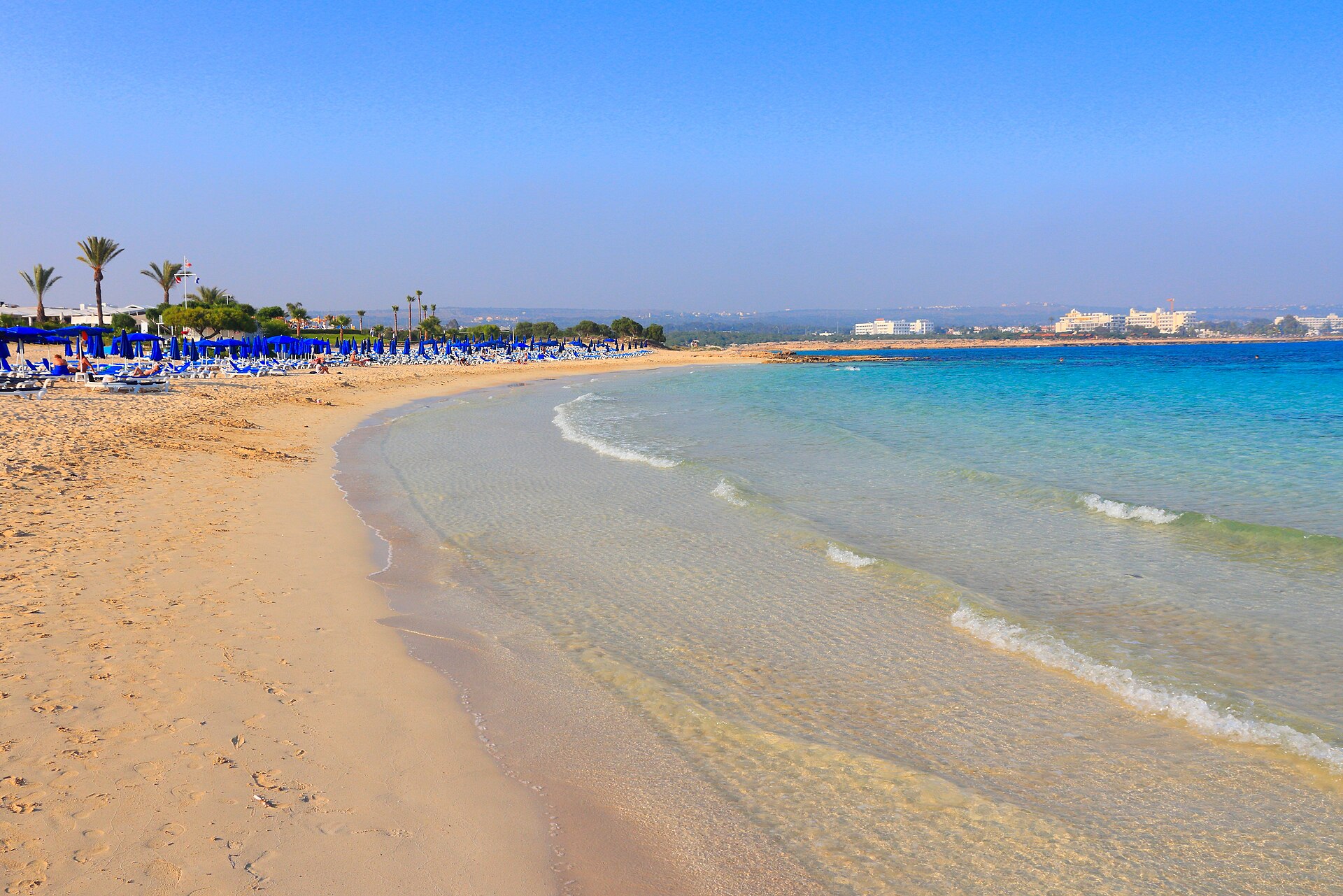
While short let Limassol Paphos dynamics dominate conversations, comparative analysis across Cyprus reveals compelling alternative strategies. In Larnaca, proximity to the primary international airport and substantial master-planned infrastructure regeneration have produced gross yields approaching 7.8 percent at more accessible entry prices. Nicosia, strictly an administrative and commercial capital, offers little short-term tourism appeal but delivers remarkable stability through multi-year diplomatic and corporate tenancies. To the far east, Ayia Napa and Protaras generate remarkable yields during an intense five-month window, but require portfolios structured to withstand almost complete winter dormancy.
The Outlook for Discerning Investors
The era of effortless double-digit short-term yields has matured into an institutional phase defined by quality, specification, and regulatory adherence. Properties that command sustained premiums share specific architectural characteristics: energy-efficient construction, dedicated workspaces for hybrid professionals, and refined communal facilities that stand out on global booking platforms. For high-net-worth investors, short-term lets in Cyprus remain an effective capital hedge and income generator, provided acquisitions are underwritten against conservative net margins rather than aspirational gross marketing brochures.