The allure of Cyprus, with its sun-drenched climes and enviable lifestyle, is undeniable. For discerning international buyers seeking a primary residence or a sophisticated holiday retreat, the focus extends beyond aesthetics to the very liveability of a property. Integral to this is the implementation of passive cooling strategies, an architectural approach that intelligently leverages natural elements to maintain comfortable indoor temperatures without reliance on extensive mechanical systems. This methodology is not merely a question of luxury; it is a fundamental pillar of sustainable living and elevated design.
The Enduring Wisdom of Mediterranean Design
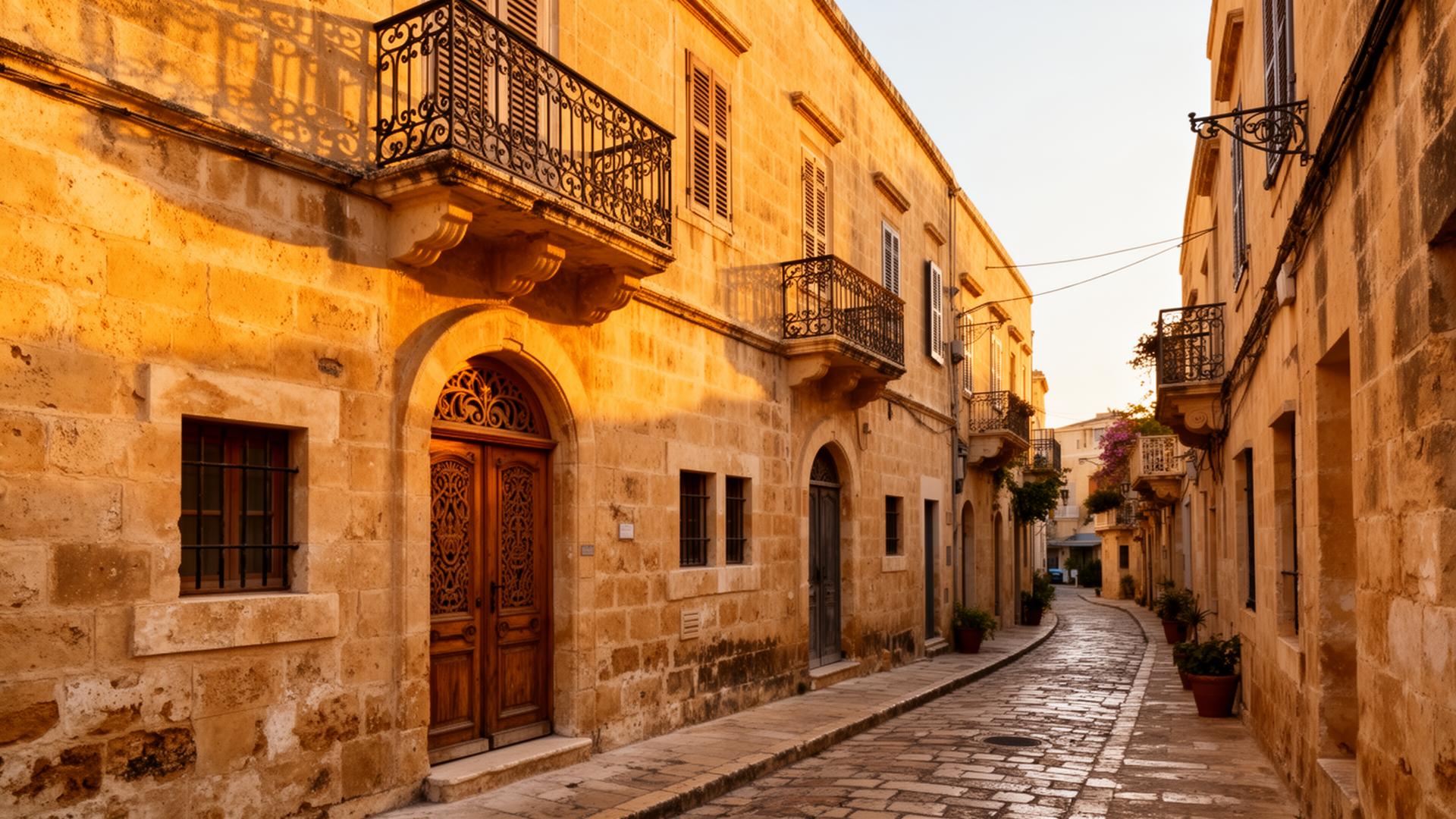
The rich architectural heritage of the Mediterranean offers a masterclass in adapting to warm climates. Centuries of local building practices have refined techniques that effectively mitigate heat gain, such as thick stone walls, elevated ceilings, and the strategic placement of openings. Today, leading architects in places like Limassol and Paphos are reinterpreting these timeless principles through contemporary lenses, integrating advanced materials and construction methods to achieve superior thermal performance. This blend of tradition and innovation defines the pinnacle of sustainable villa design in Cyprus.
The inherent sustainability of passive cooling ensures that homes remain comfortably cool, even during the warmest months, without incurring exorbitant energy bills. For high-net-worth individuals, this translates not only to a reduced environmental footprint but also to significant long-term operational savings and an enhanced quality of life. A property designed with meticulous attention to passive cooling stands as a testament to conscientious luxury and thoughtful investment.
Key Elements of Passive Cooling Cyprus Homes
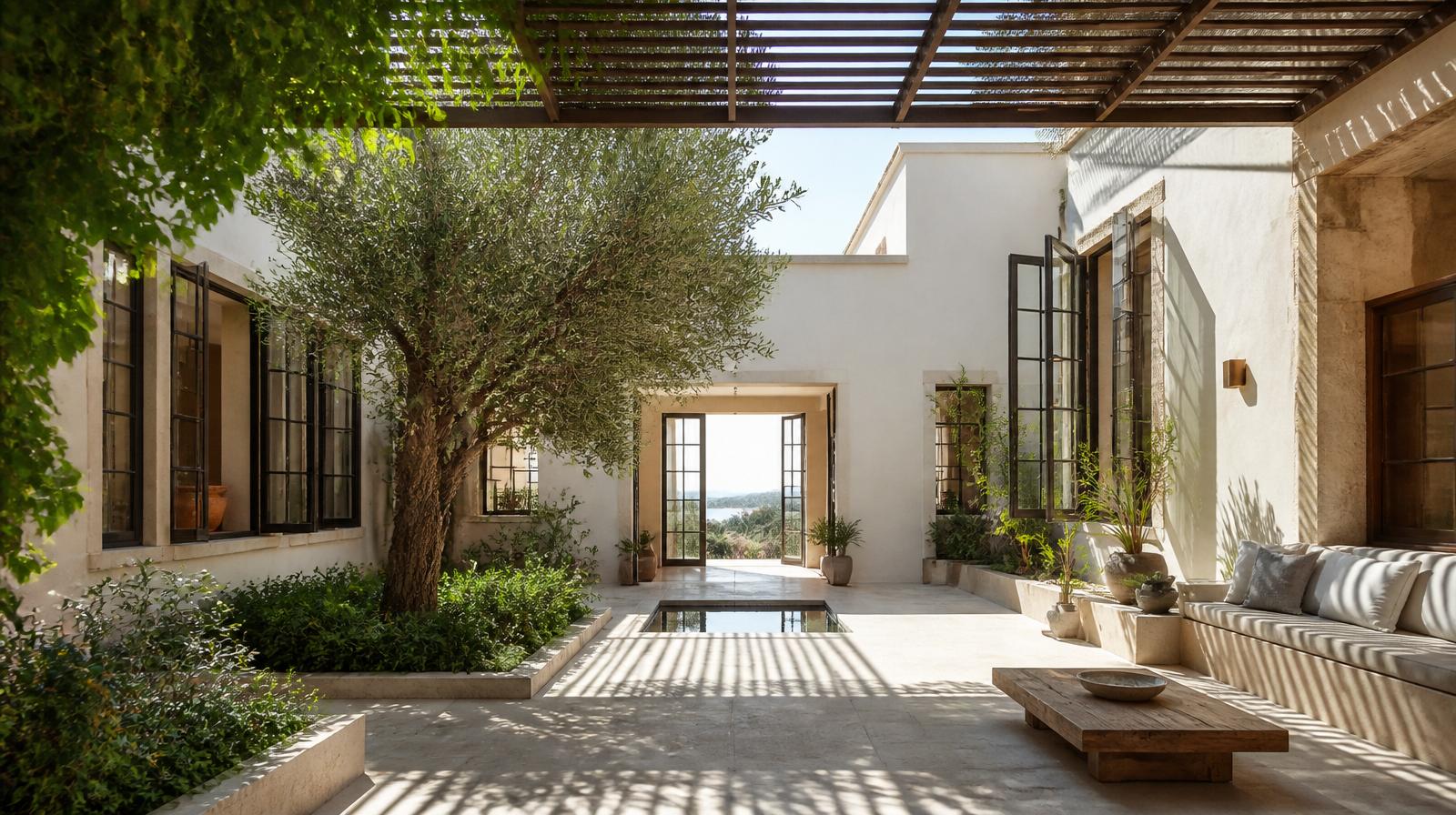
- Strategically placed courtyards and atriums which create microclimates and draw air through the building.
- Generous overhangs, pergolas, and louvres that provide effective shading to windows and external walls, particularly on south-facing elevations.
- Cross-ventilation pathways, utilising prevailing winds to flush out warm air and introduce cooler breezes.
- Thermal mass elements, such as concrete or stone, which absorb heat during the day and release it slowly at night, moderating indoor temperatures.
- Light-coloured external finishes and reflective roofing materials to minimise solar heat absorption.
Consider the profound impact of a well-designed courtyard. These outdoor 'rooms' act as heat sinks, drawing cooler air inwards as warm air rises, effectively creating a natural air conditioning system. Similarly, precisely angled sunshades and brise-soleils become architectural statements that serve a vital function, preventing direct solar radiation from overheating interior spaces in areas like Ayia Napa or Larnaca.
"True luxury in Mediterranean living means an effortless connection to the natural environment, where comfort is achieved through intelligent design, not mechanical force."
Practical Considerations for the Informed Buyer
When evaluating a property, prospective buyers should look for evidence of these passive design elements. Are windows strategically placed to allow for dominant cross-breezes across living areas and bedrooms? Does the layout incorporate shaded outdoor spaces that become extensions of the interior? Beyond the aesthetics, understanding the functional aspects of the home's interaction with its climate is paramount.
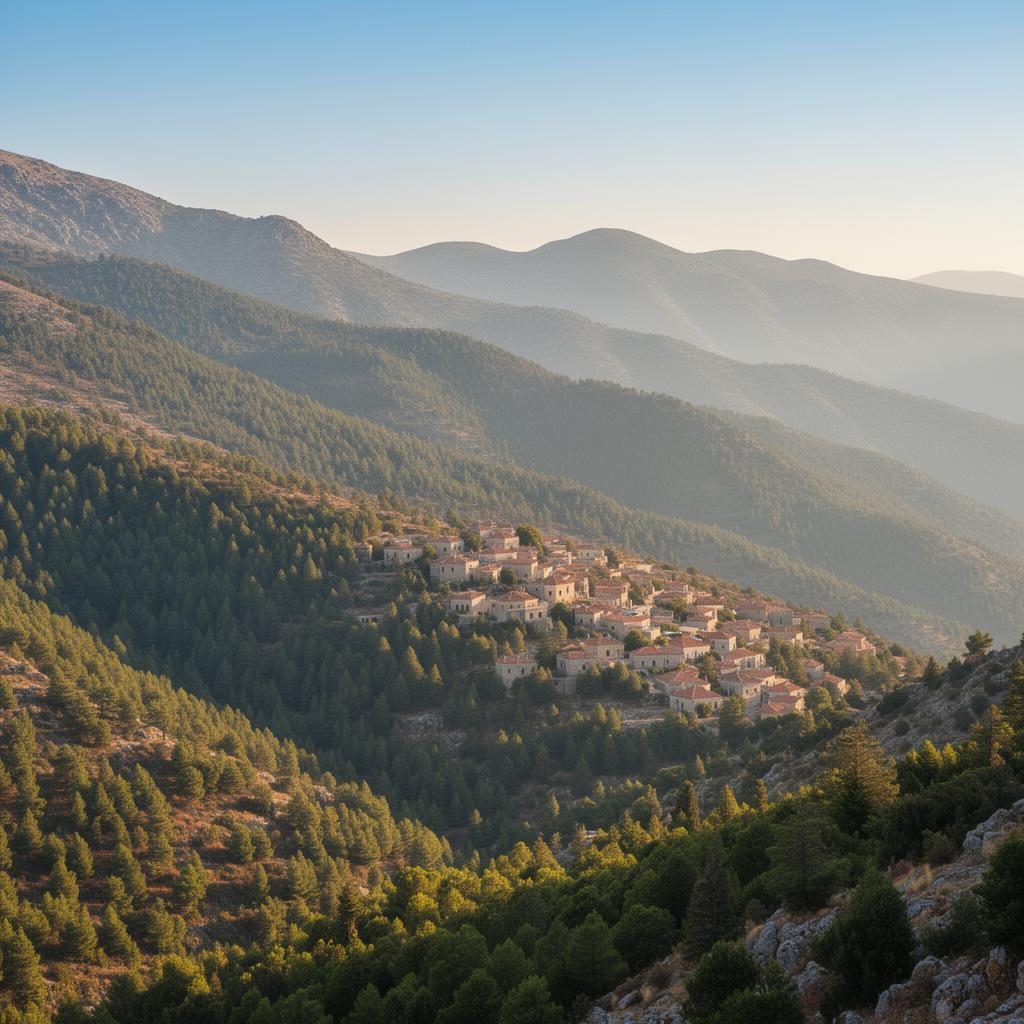
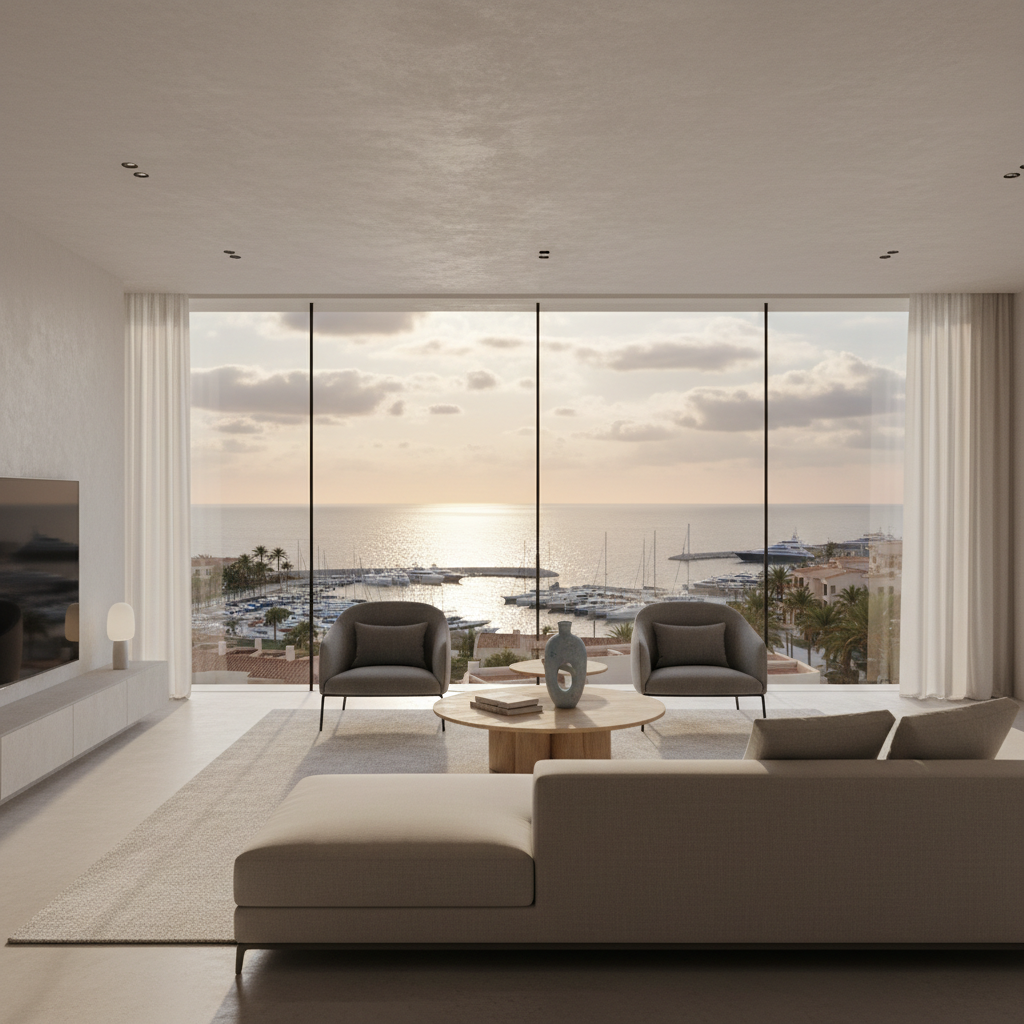
Engaging with developers who prioritise these sustainable practices, particularly in larger projects such as a marina-side tower in Limassol or hillside villas in Paphos, ensures a property that is both environmentally responsible and exquisitely comfortable. The integration of high-performance glazing, adequate insulation, and robust shading solutions, in conjunction with natural ventilation, represents a holistic approach to dwelling in the Cypriot climate. This discerning eye for intelligent design is a hallmark of a truly valuable acquisition.
A Sustainable Future for Cypriot Real Estate
The ongoing evolution of architectural design in Cyprus continues to embrace and refine passive cooling strategies. This commitment to sustainability not only addresses global environmental concerns but also profoundly enhances the living experience within these exquisite properties. As the demand for intelligently designed, eco-conscious homes grows, properties featuring exemplary passive cooling systems will command increased prestige and value in the market.
For properties in Nicosia, where urban heat island effects can be more pronounced, these design choices become even more critical. The integration of green spaces, water features, and careful material selection contributes to a microclimate that offers refuge from the summer heat. Ultimately, investing in a home that thoughtfully incorporates passive cooling is an investment in comfort, sustainability, and the enduring quality of Mediterranean living.