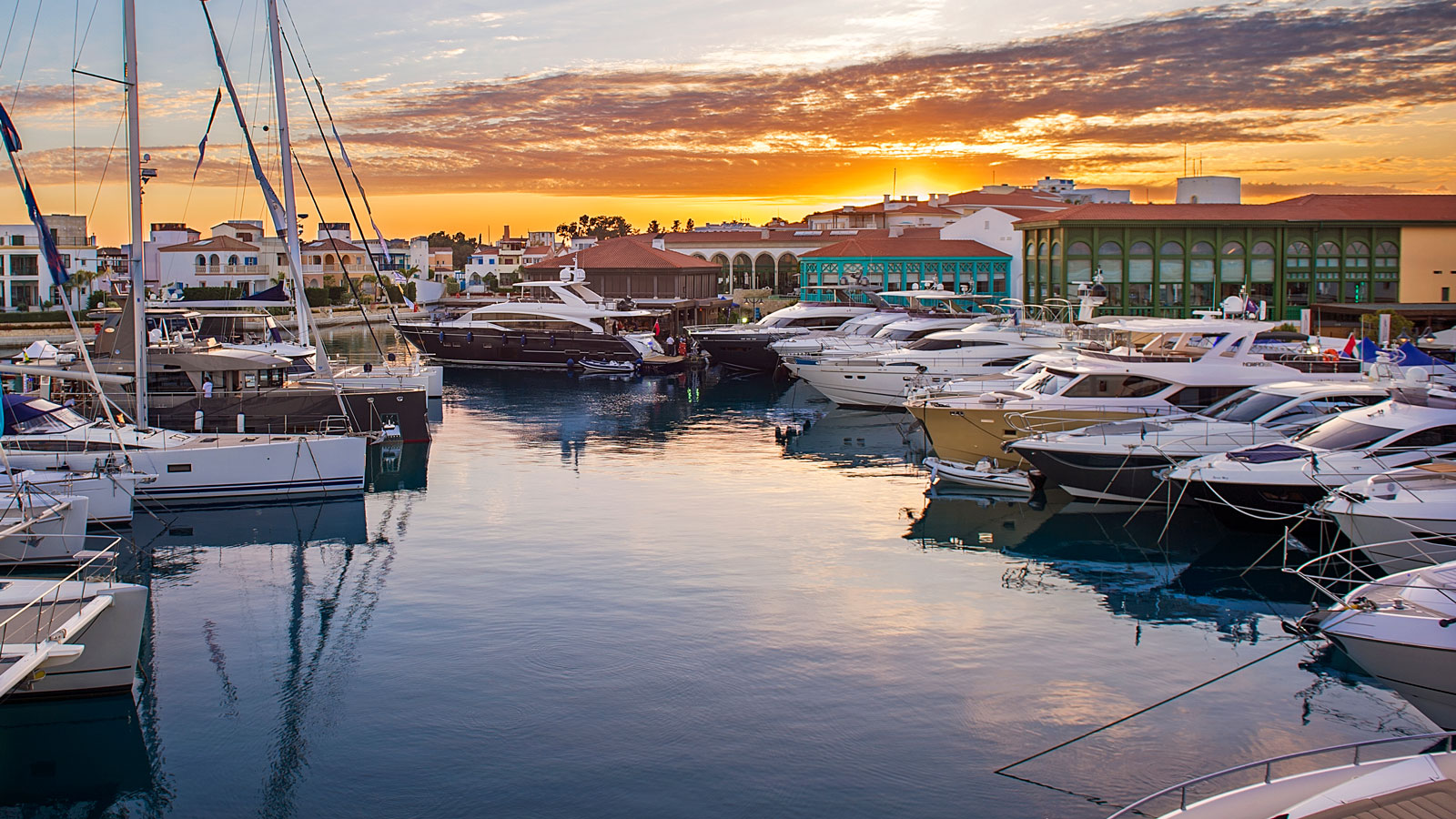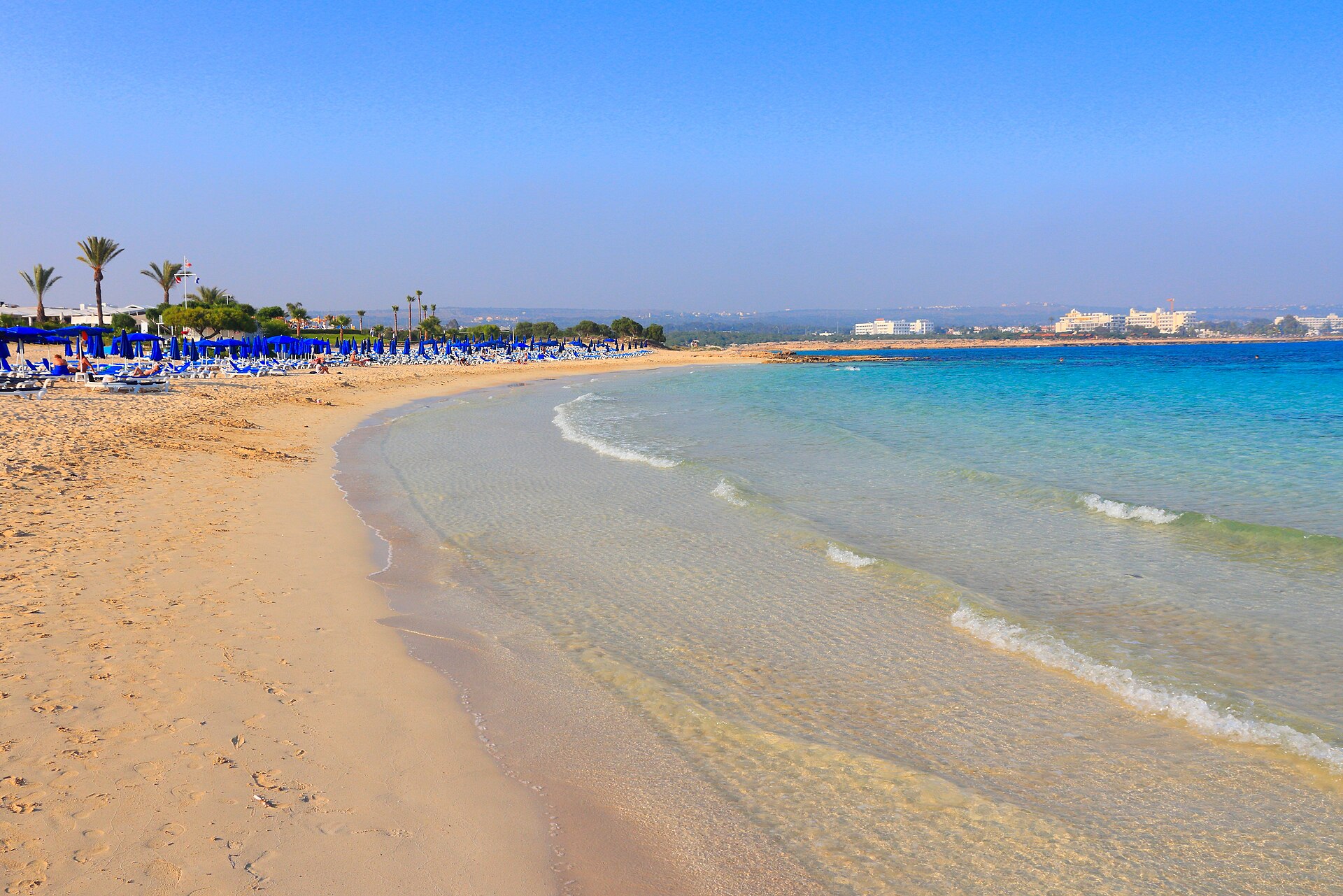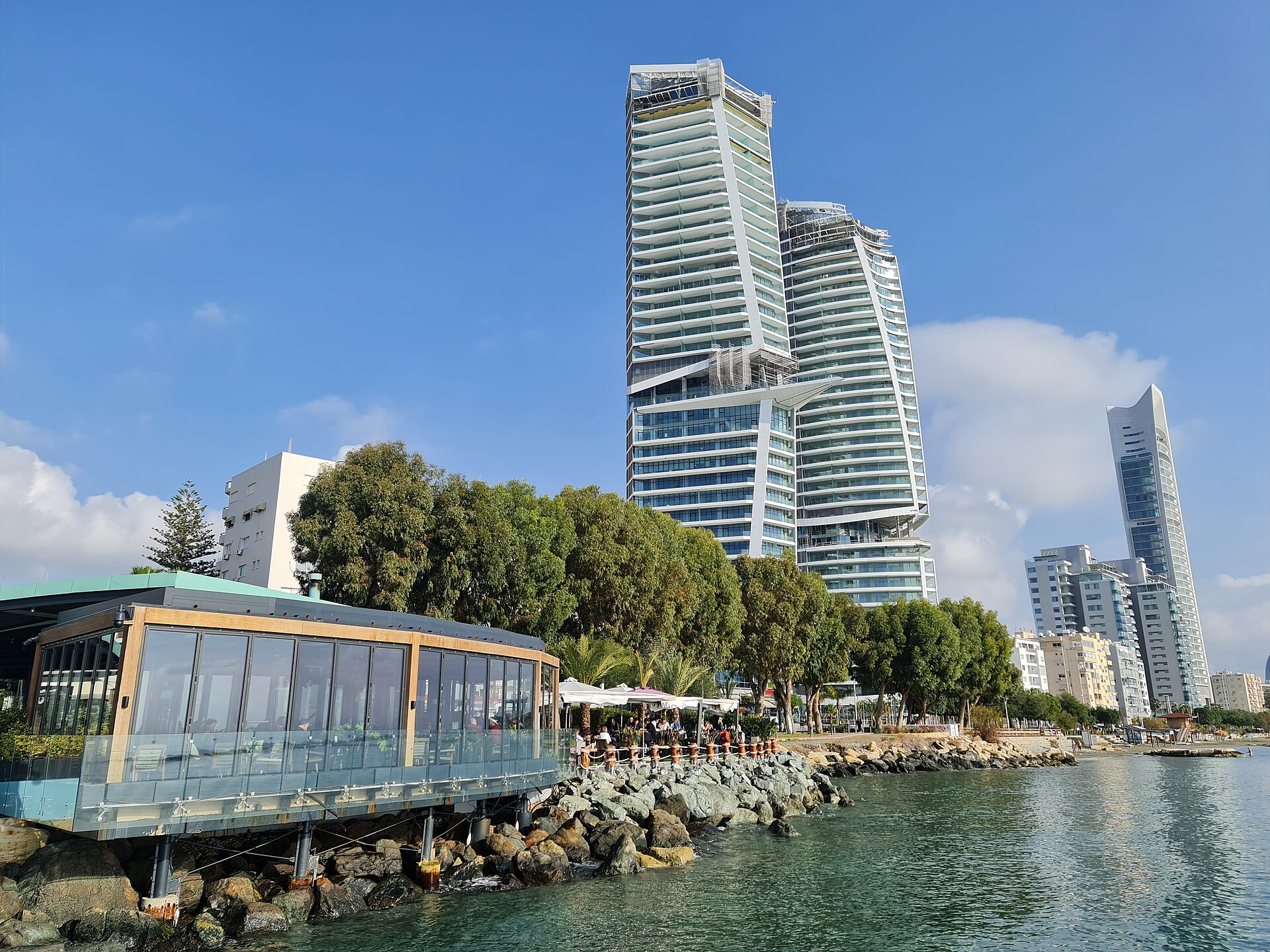
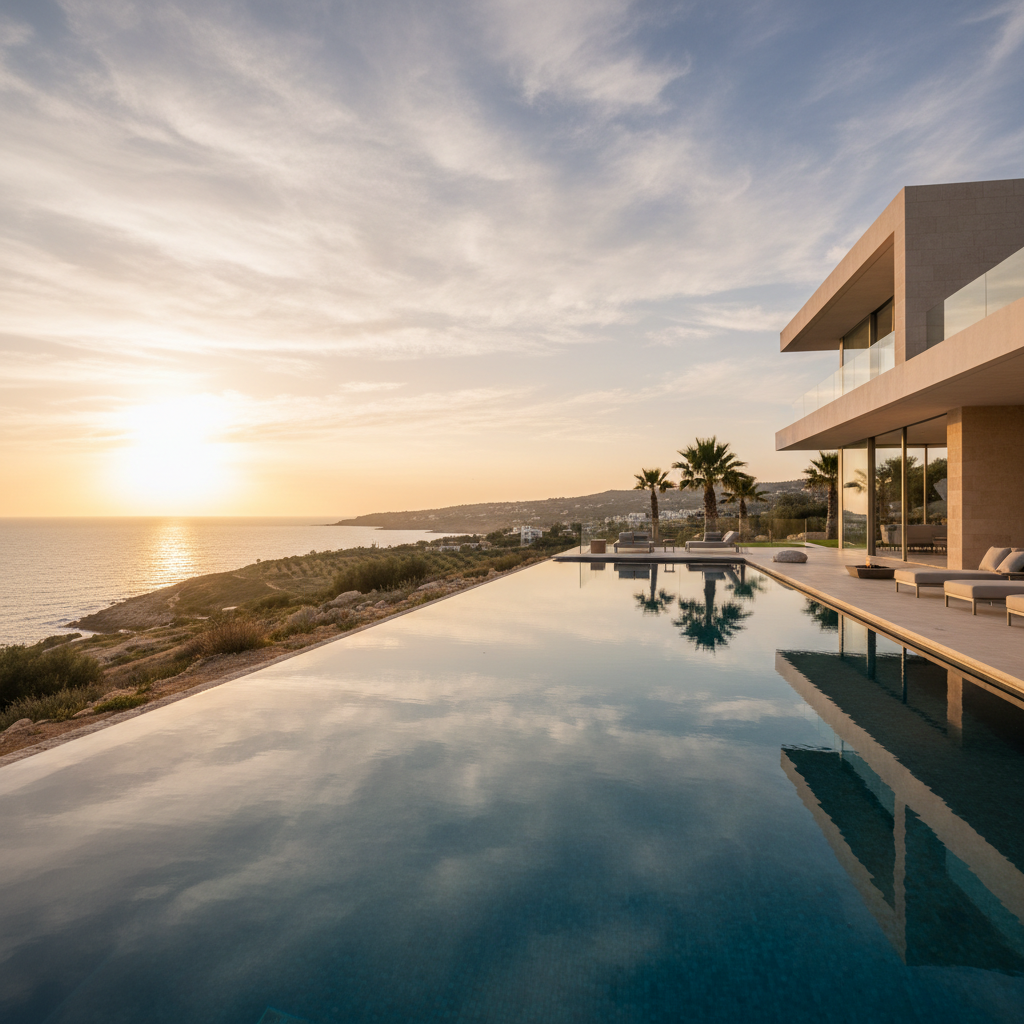
For decades, the western shoreline of Cyprus occupied a distinct niche in the regional landscape. While Limassol positioned itself as a dense financial centre defined by high-rise towers, and Larnaca initiated its ambitious transport regeneration, Paphos quietly developed a reputation for measured, landscape-first living. Over the past twenty-four months, however, demand for prime Paphos coastal villas has escalated from steady European retirement interest to focused acquisitions by global private capital.
The Shift in Capital and Buyer Profiles
The contemporary purchaser of a coastal residence in Paphos diverges sharply from previous cycles. High-earning technology executives, creative sector founders, and cross-border consultants who initially established corporate footprints in Limassol or Nicosia are actively migrating westward. Paphos offers an antidote to urban density without demanding isolation, backed by international schooling options, an operational airport with year-round European connections, and an established culinary scene.
In parallel, Central and Northern European family offices are diversifying liquidity into freehold Mediterranean residential assets. The stability of the Cyprus legal framework, anchored in English common law, provides the institutional reassurance these buyers require. These investors are not acquiring speculative inventory; they are deploying capital into bespoke, low-density residences situated within established coastal enclaves such as Peyia, the Sea Caves corridor, and the eastern fringe of Polis.
"Paphos has transitioned from a seasonal retreat to an enduring primary residence enclave for buyers who prioritise spatial luxury and microclimate stability over metropolitan scale."
Structural Drivers Shaping Current Demand
- Comparative value metrics: Prime frontline villas in Paphos consistently trade at a tangible discount per square metre compared to equivalent marine plots in Limassol or Ayia Napa.
- Residency via real estate: The Cyprus Permanent Residency programme remains an efficient mechanism for third-country nationals, underpinned by real asset acquisition.
- Infrastructure and connectivity: Direct flights from Paphos International Airport to prime financial hubs ensure uninterrupted mobility for active executives.
- Low-density urban planning: Stricter environmental and building ratios along the western littoral protect sea views and guard against hyper-development.
The financial logic underpinning these acquisitions remains robust within the broader Cyprus property market. Supply along true frontline parcels is structurally finite. Because substantial swathes of the Akamas coastline are permanently protected from commercial exploitation, existing residential zones adjacent to the sea command enduring scarcity value that insulated estates in other Mediterranean territories often struggle to replicate.
Practical Considerations for International Buyers
Navigating the acquisition of Paphos villas requires meticulous scrutiny of town-planning approvals and title deed clarity. Investors should pay particular attention to coastal protection buffer zones and architectural compliance certificates, particularly when acquiring custom contemporary residences. Retaining independent legal counsel experienced in high-value conveyancing is essential to establish absolute title unencumbered by developer liabilities.
Tax efficiency also warrants early analysis. High-net-worth individuals moving their fiscal domicile to the island can capitalise on the non-domicile tax framework, which grants exemptions on global dividend and interest income for seventeen years. When paired with the zero inheritance tax structure of Cyprus, purchasing a luxury coastal home serves simultaneously as an estate-planning anchor and a bespoke lifestyle acquisition.
The Forward Outlook
Looking ahead, the market for prime Paphos villas is expected to sustain its upward momentum, tempered by limited supply rather than demand fatigue. As remote enterprise maturity allows high-net-worth households to uncouple their domestic life from corporate metropolises, natural microclimates that deliver genuine privacy and coastal integration will continue to outperform speculative urban developments. For discerning owners, Paphos currently represents one of the most balanced capital deployments in southern Europe.