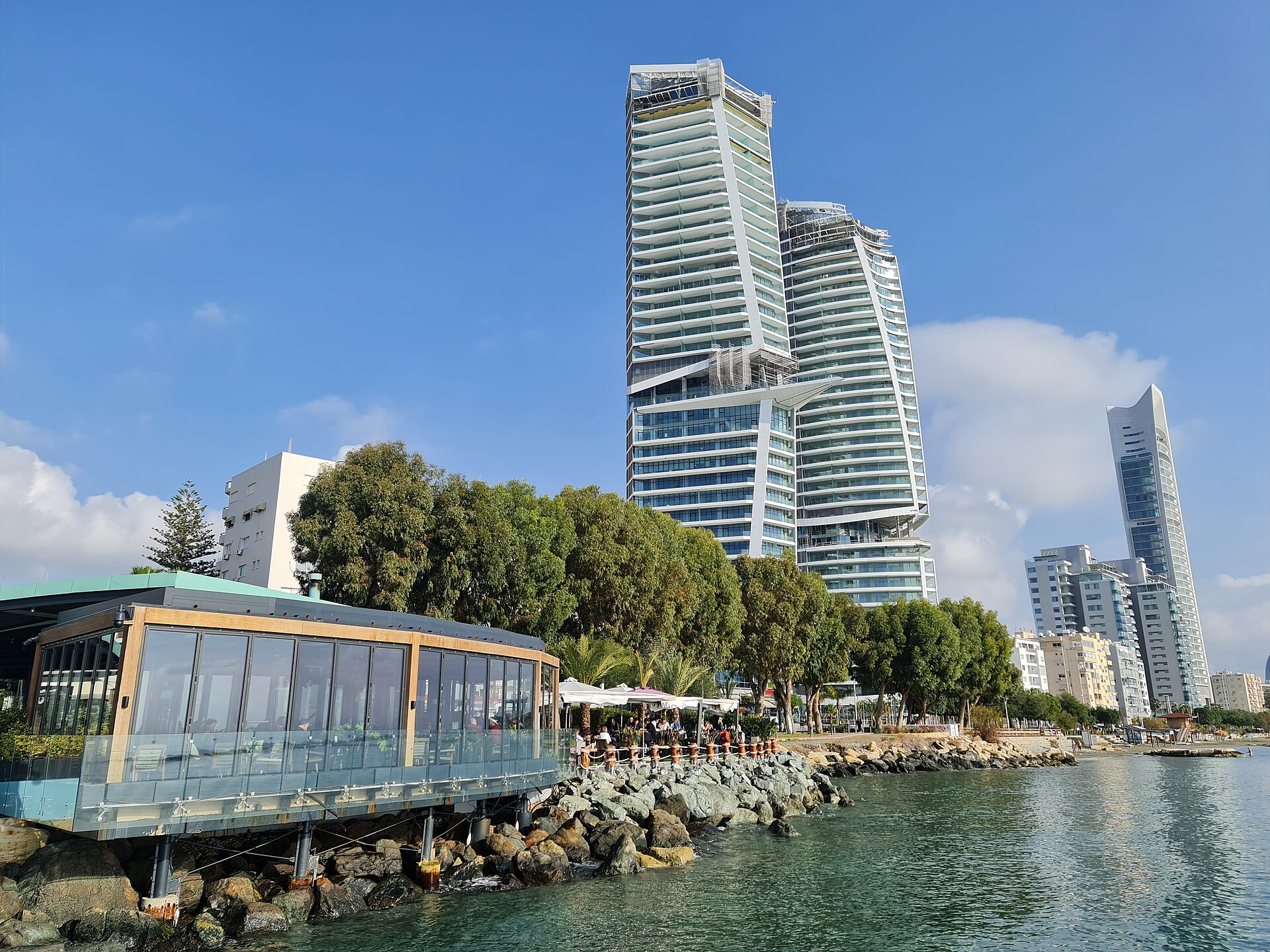
While vertical developments and high-density towers have come to define the skyline of Limassol, the western coast of Cyprus has charted a remarkably different trajectory. The demand for prime Paphos villas has gathered substantial momentum over the past eighteen months, outpacing historical averages and attracting a distinctly modern profile of international capital. Rather than speculative acquisitions, the prevailing activity in the Cyprus property market reflects a decisive pivot toward long-term security, spatial autonomy, and architectural restraint along the Mediterranean water's edge.
The Demographics Driving Western Coastal Acquisitions
Historically perceived as the quiet retreat for British retirees, Paphos has seen its buyer demographic diversify radically. Today, buyers predominantly comprise European tech entrepreneurs, financial executives relocating under the Cyprus headquartering incentive scheme, and high-net-worth families hailing from Germany, Scandinavia, and Central Europe. These buyers are younger, economically active, and prioritise high-speed connectivity alongside private garden plots and immediate beach access. While Nicosia remains the administrative core and Larnaca experiences maritime regeneration, Paphos offers an established international schooling infrastructure and direct European flight links through its airport, making full-time family relocation friction-free.
"Prime seaside real estate in western Cyprus has transitioned from a seasonal indulgence into a strategic, primary residence asset for international wealth."
Micro-Location Divergence: From Sea Caves to Neo Chorio
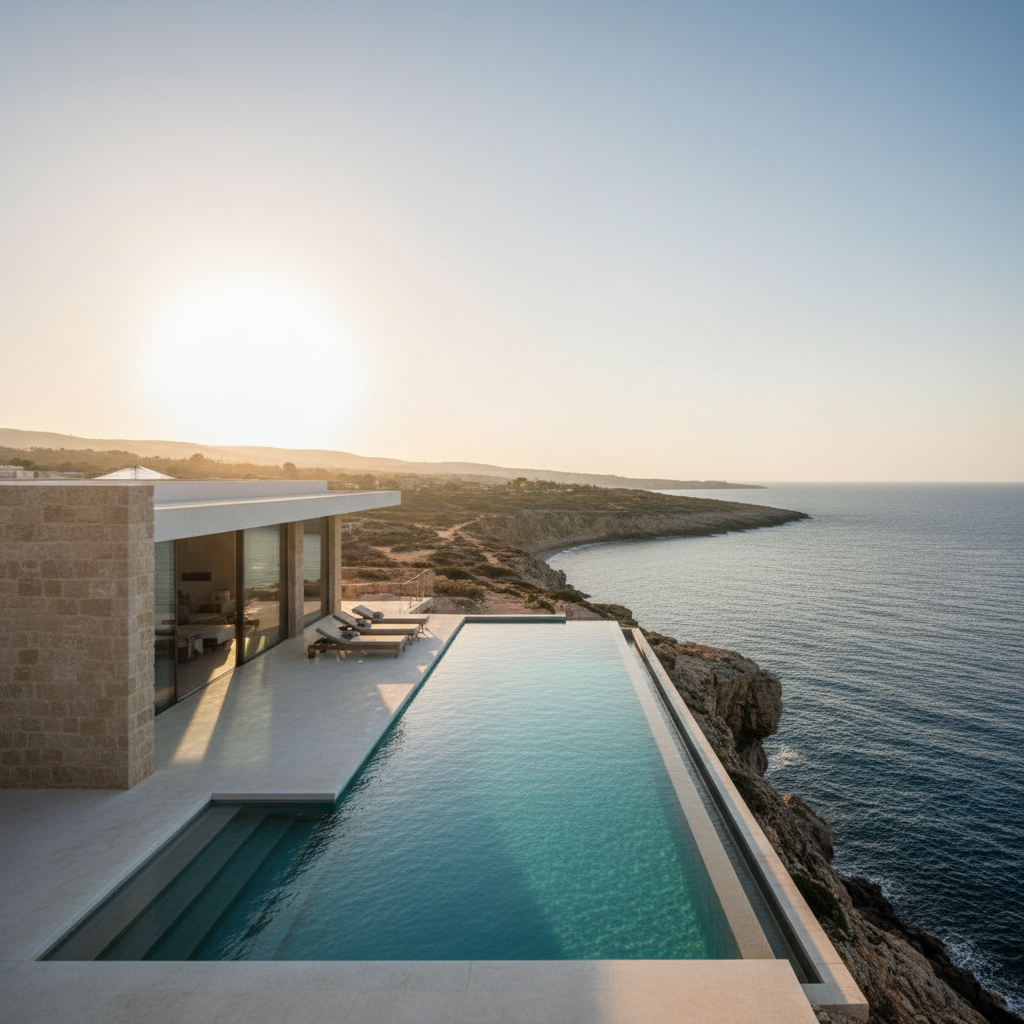
The geography of prime Paphos is far from homogenous, with distinct coastal pockets commanding premium valuations. Enclaves such as Sea Caves and Peyia remain top-tier selections for buyers seeking extensive horizontal footprints, low building density, and dramatic limestone cliff views. Further north toward Polis and the fringes of the Akamas National Park, mature purchasers are prioritising ecological proximity and untamed coastline over urban proximity. In contrast to the bustling lifestyle corridors of Ayia Napa or the high-rise marine towers of Limassol, the coastal tracts of Paphos preserve an organic low-density feel where private estates retain authentic buffer zones.
- Sovereign wealth stability anchored by European Union regulatory and legal protections.
- Generous plot allocations that contrast sharply with the compressed footprints of urban apartments.
- Permanent residency pathways under Regulation 6(2), granting seamless European access to qualifying families.
- A benign fiscal environment featuring the 60-day tax residency rule and non-domicile dividend exemptions.
Architectural Evolution and Energy Performance
Current market appetite has decisively penalised outdated Mediterranean vernacular in favour of contemporary, climate-responsive architecture. Discerning acquirers demand villas engineered with Class A energy certification, integrated photovoltaic arrays, thermally broken glazing, and hidden heat-pump infrastructures. Natural materials—specifically local Paphos stone, textured fair-faced concrete, and sustainable iroko timber—are increasingly employed to integrate residences seamlessly into their scrubland and sea-facing plots. What was once treated as an aesthetic preference has evolved into an investment safeguard, as institutional ESG standards and higher utility costs shape resale liquidity.
Supply Constraints and Capital Outlook
The primary headwind for prospective purchasers is not macroeconomic volatility, but an acute scarcity of developable beachfront parcels under strict environmental zoning laws. With municipal restrictions protecting coastal reserves from overdevelopment, unencumbered freehold land near the water is finite. Consequently, prime Paphos villas represent one of the most defensive categories within the broader Cyprus property market, insulated from speculative boom-and-bust cycles by structural undersupply. For buyers seeking a Mediterranean home that marries capital resilience with refined everyday living, the western coast continues to justify its position as the premier choice.