Over the past twenty-four months, the Cyprus property market has witnessed a notable recalibration. While Limassol continues to attract corporate capital and vertical residential schemes, prime coastal Paphos villas have emerged as the asset of choice for private individuals seeking long-term European footholds. This shift is not merely speculative; it is grounded in evolving lifestyle mandates, geopolitical hedging, and a preference for low-density coastal living.
The Capital Inflow: Who Is Entering the Market
The demographic profile of buyers acquiring residential properties along the south-western coastline has diversified substantially. Traditionally dominated by British retirees seeking holiday dwellings, current acquisitions are spearheaded by younger international entrepreneurs, technology executives relocating under favourable headquartering incentives, and family offices from Northern and Central Europe. These buyers arrive with substantial liquidity, often seeking turn-key estates that accommodate both remote enterprise and multi-generational living.
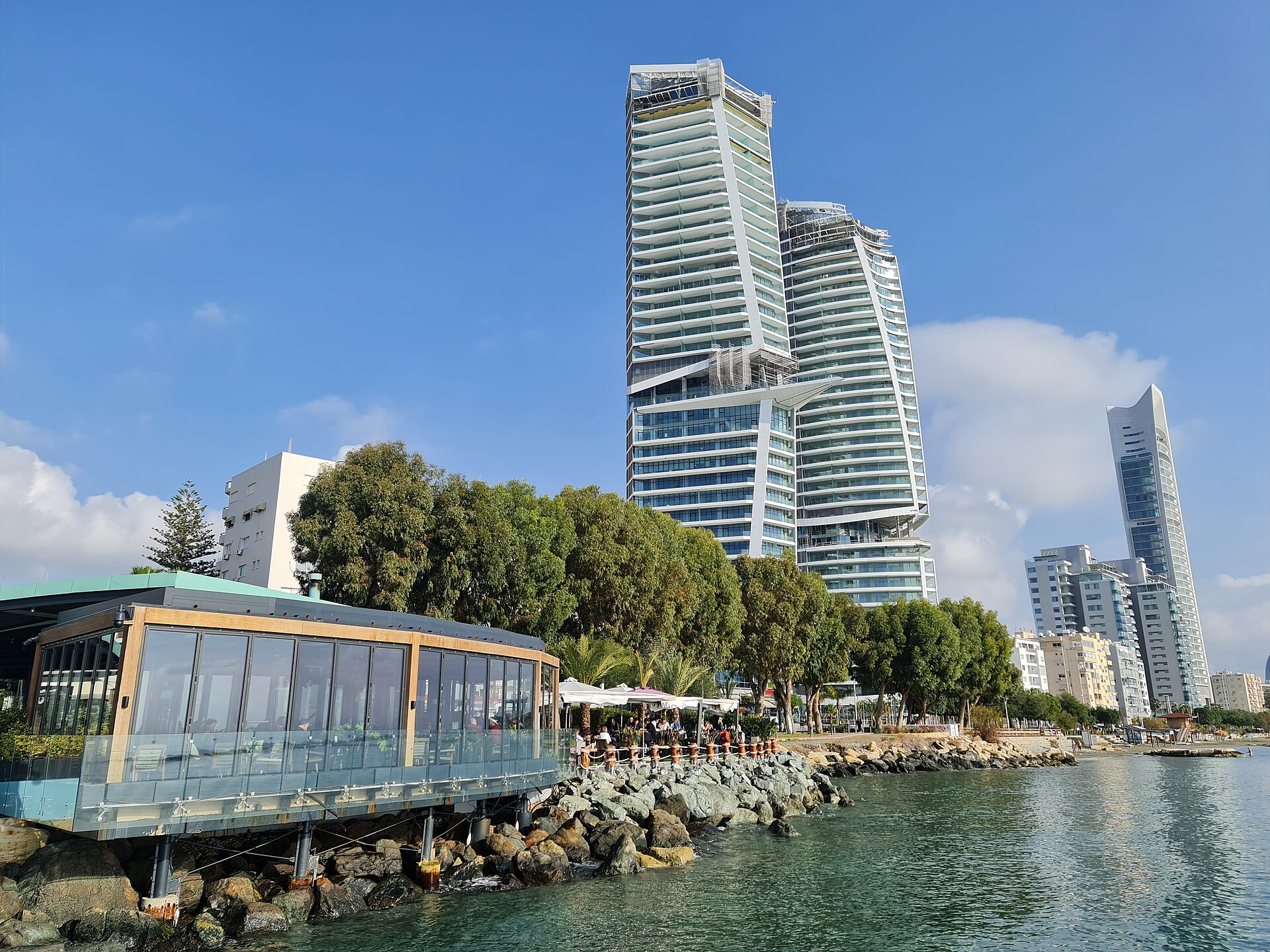
Simultaneously, non-EU nationals continue to view prime detached residences as the most resilient vehicle for meeting the criteria of the Cyprus permanent residency programme. Unlike the urban density seen in Nicosia or the high-rise landscape of central Limassol, Paphos offers generous land allocations, sea views, and proximity to international schooling, making it an intuitive primary residence rather than a secondary asset.
- Relocated executives and corporate principals establishing European tax residency.
- Northern European families seeking energy-efficient, standalone coastal residences.
- High-net-worth investors diversifying sovereign exposure via prime Mediterranean land holdings.
- Lifestyle purchasers prioritising private amenities, mature grounds, and immediate shoreline access.
"Demand in the south-west has transitioned from seasonal leisure to primary domicile, permanently altering the velocity and pricing of prime coastal real estate."
Micro-Locations and Spatial Demands
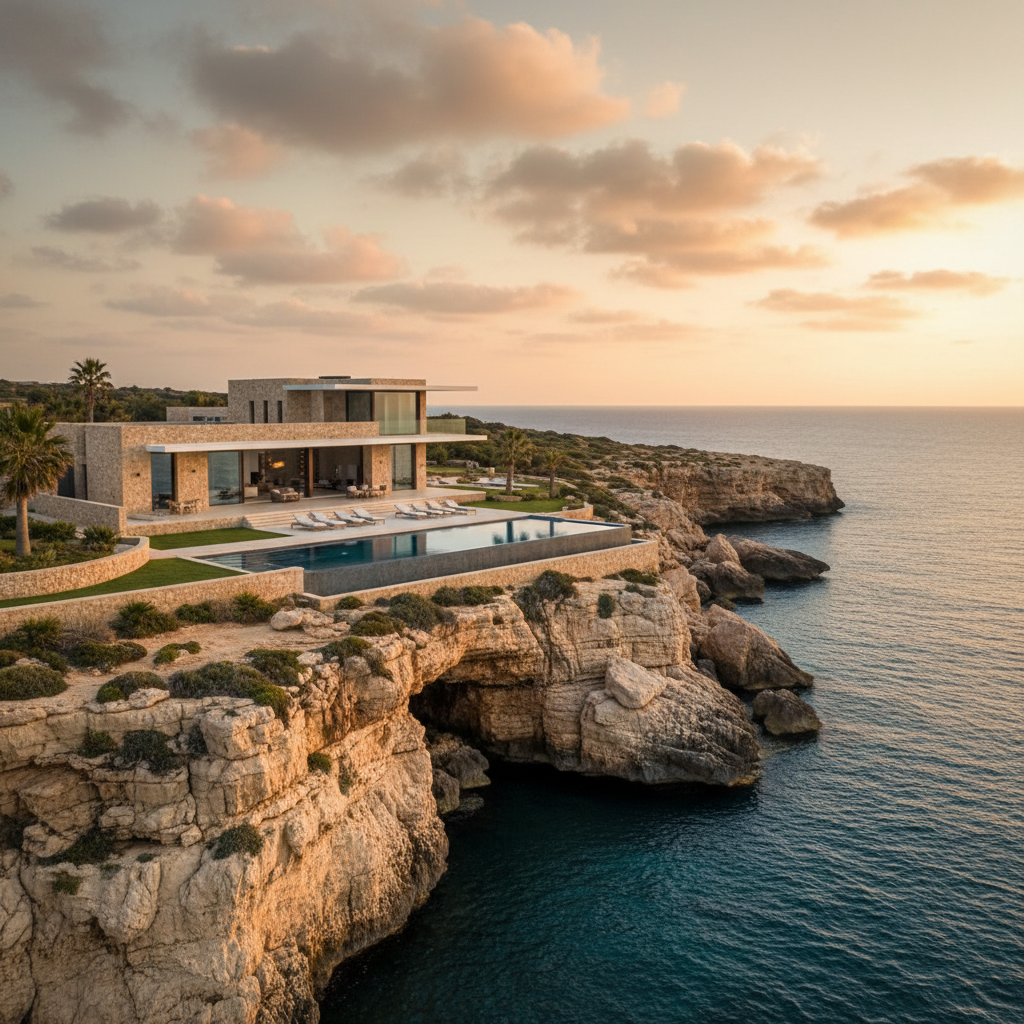
Buyer focus remains sharply concentrated on select pockets where environmental protections limit future vertical development. Locations such as Sea Caves, Peyia, and the coastal perimeters of Polis Chrysochous have absorbed the bulk of ultra-prime interest. In these districts, contemporary architectural styles that marry vernacular stone with expansive glazing are commanding historic price premiums.
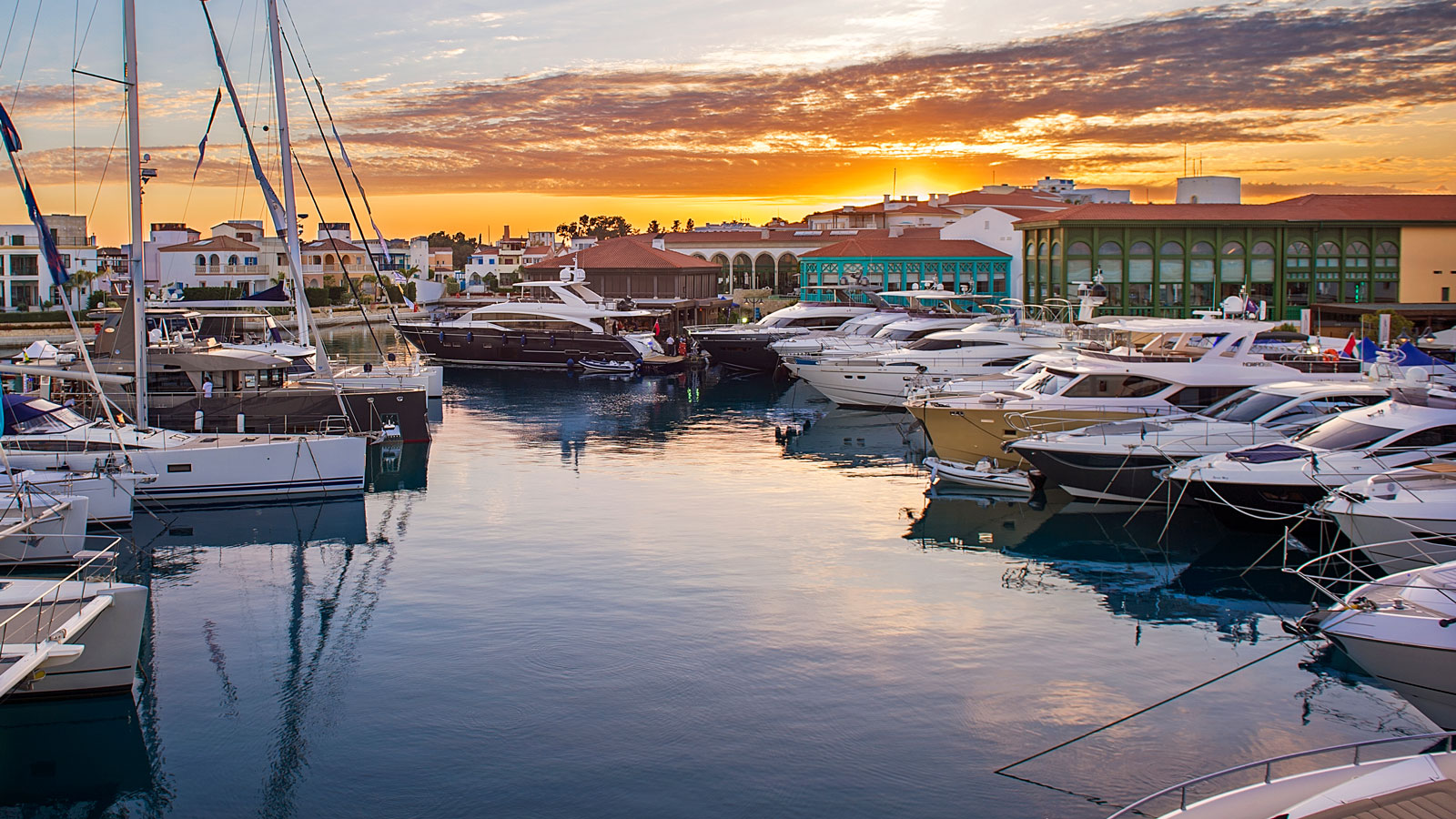
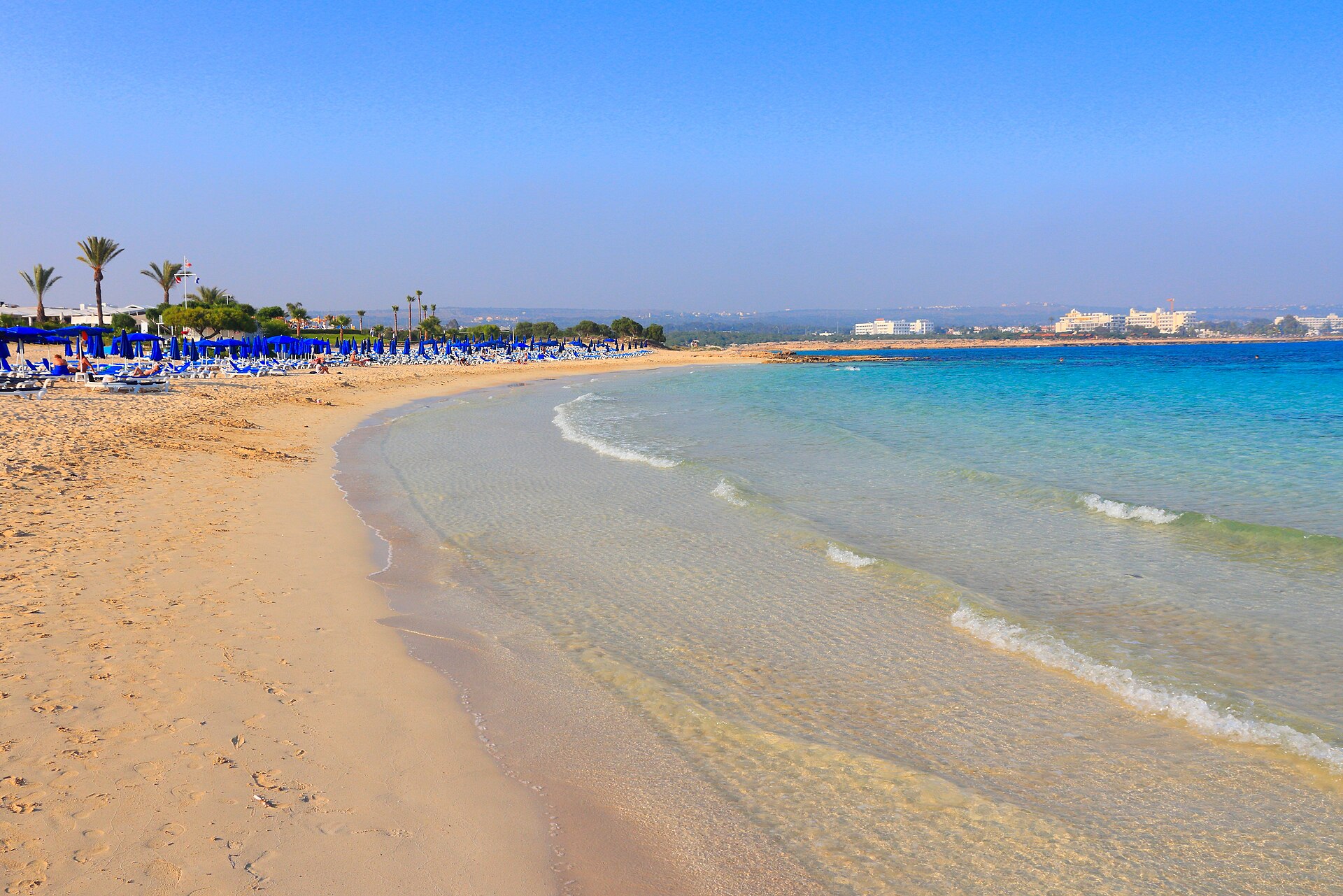
While regions like Larnaca and Ayia Napa have gained traction for marina-adjacent apartments, Paphos retains an exclusivity derived from its topography. The presence of two championship golf resorts and an operational international airport ensures consistent global connectivity without compromising the tranquillity that high-net-worth families demand.
Regulatory and Structural Considerations
Navigating acquisitions of prime Paphos villas requires meticulous due diligence, particularly regarding planning zones and building coefficients. Coastal zones often sit within stringent Natura 2000 fringes or archaeological buffers, meaning replacement cost and legal compliance dictate long-term capital preservation. Discerning buyers must ensure that title deeds are unimpeded and that environmental certifications align with forthcoming European property directives.
The Medium-Term Outlook
With available shoreline land finite and construction costs stabilising at an elevated baseline, prime villas in the region are functioning as capital preservation instruments. The sustained demand from international owner-occupiers provides a protective floor against broader macroeconomic volatility, distinguishing coastal Paphos from more speculative segments of the wider Mediterranean market.