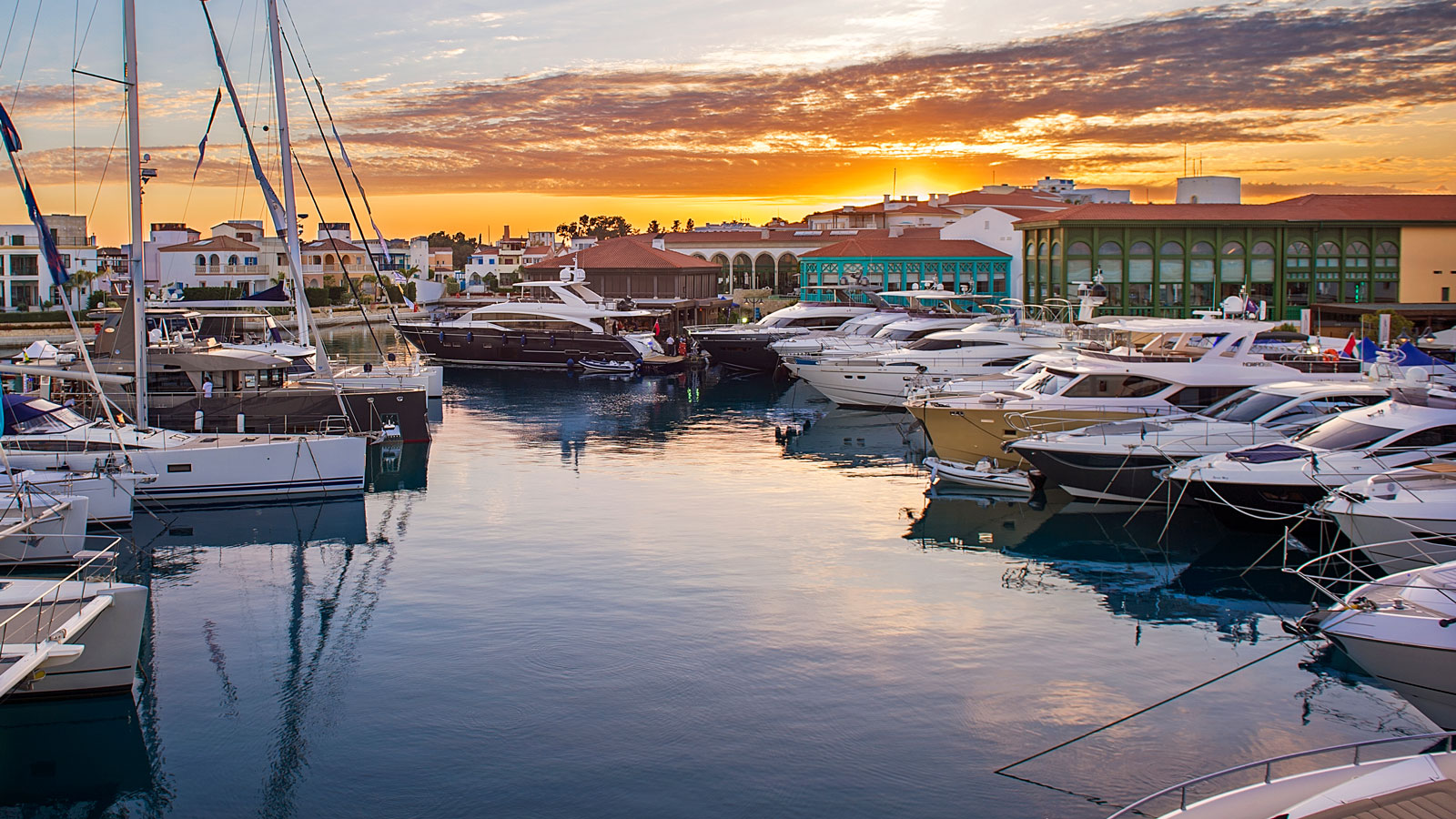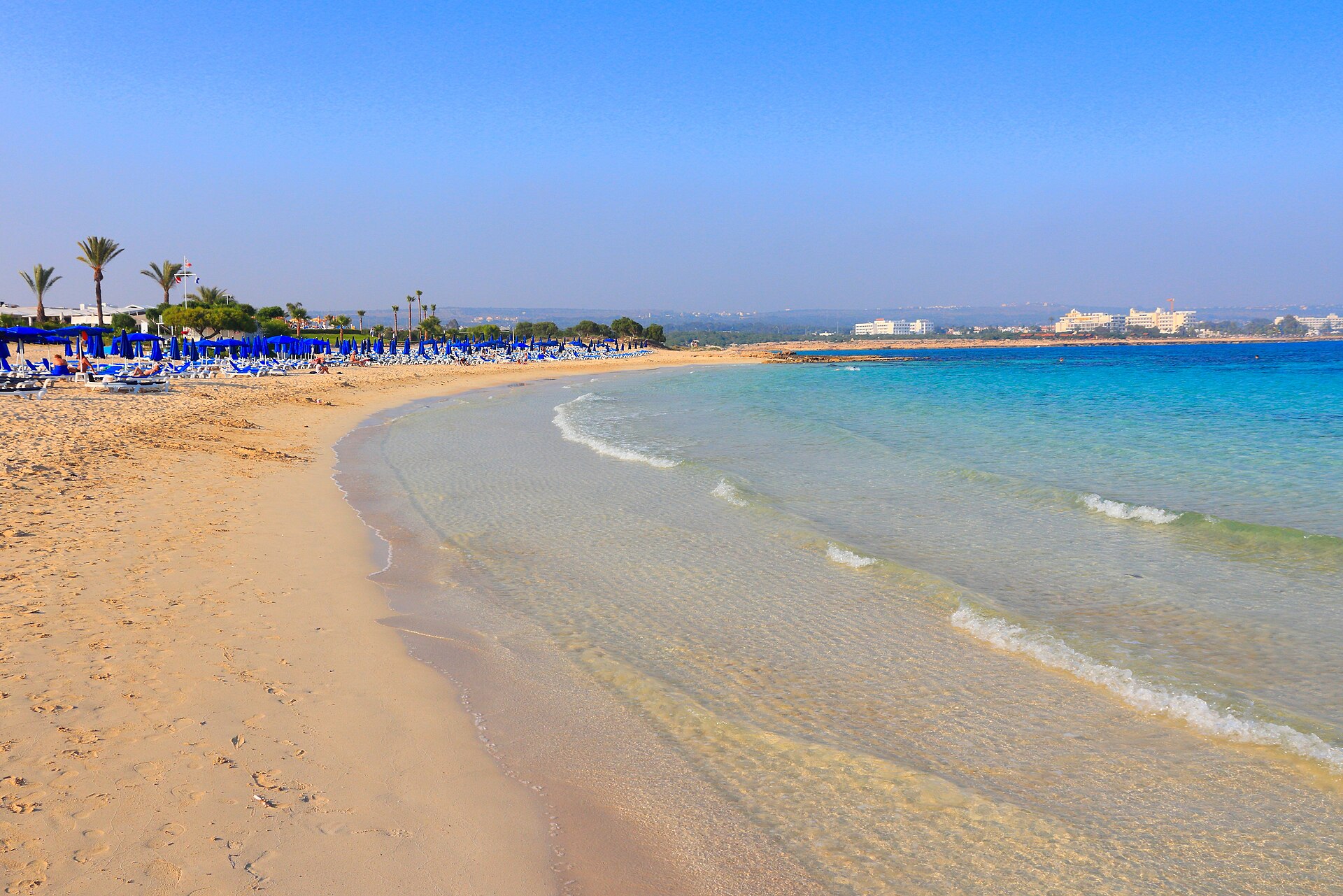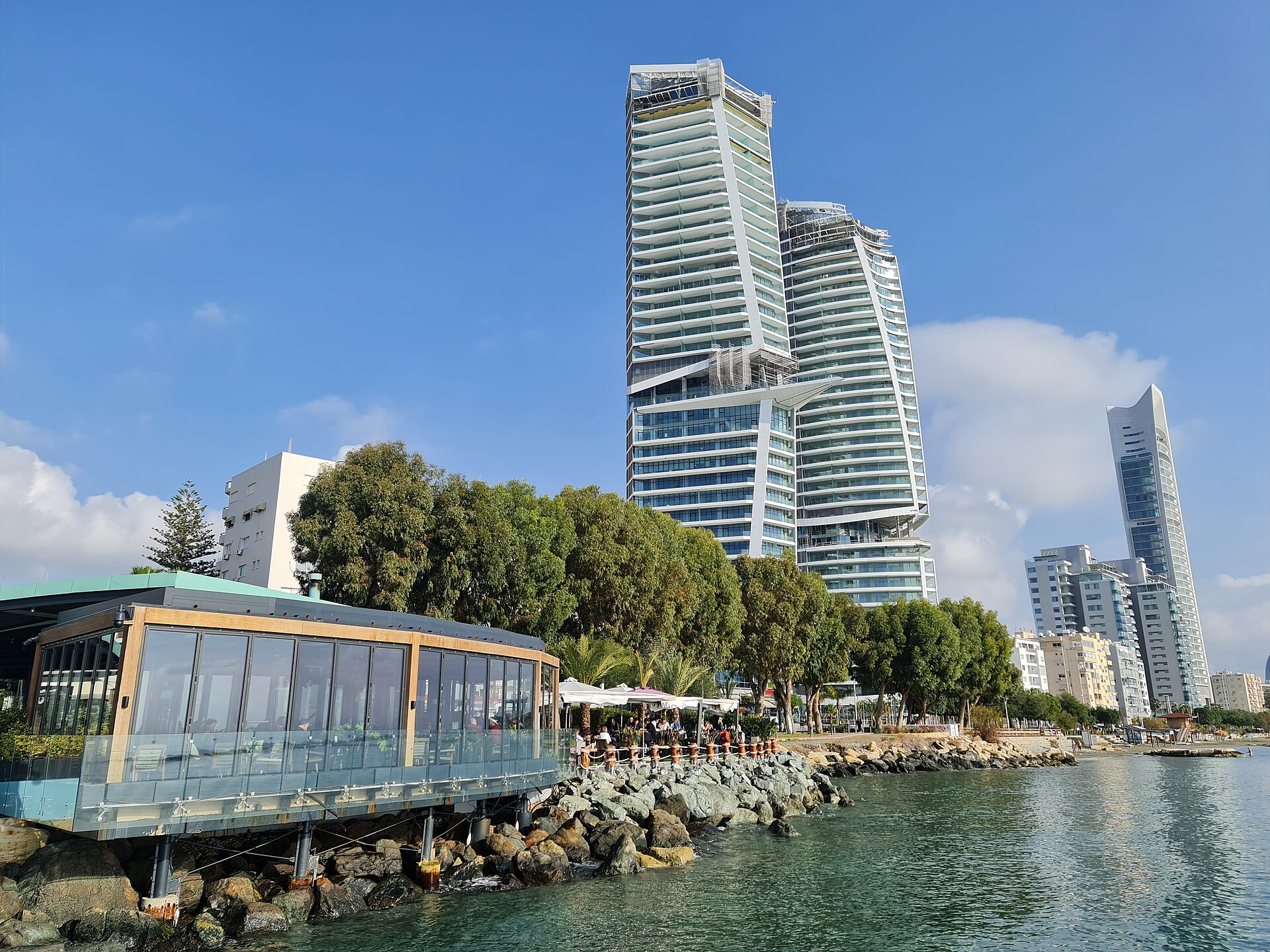
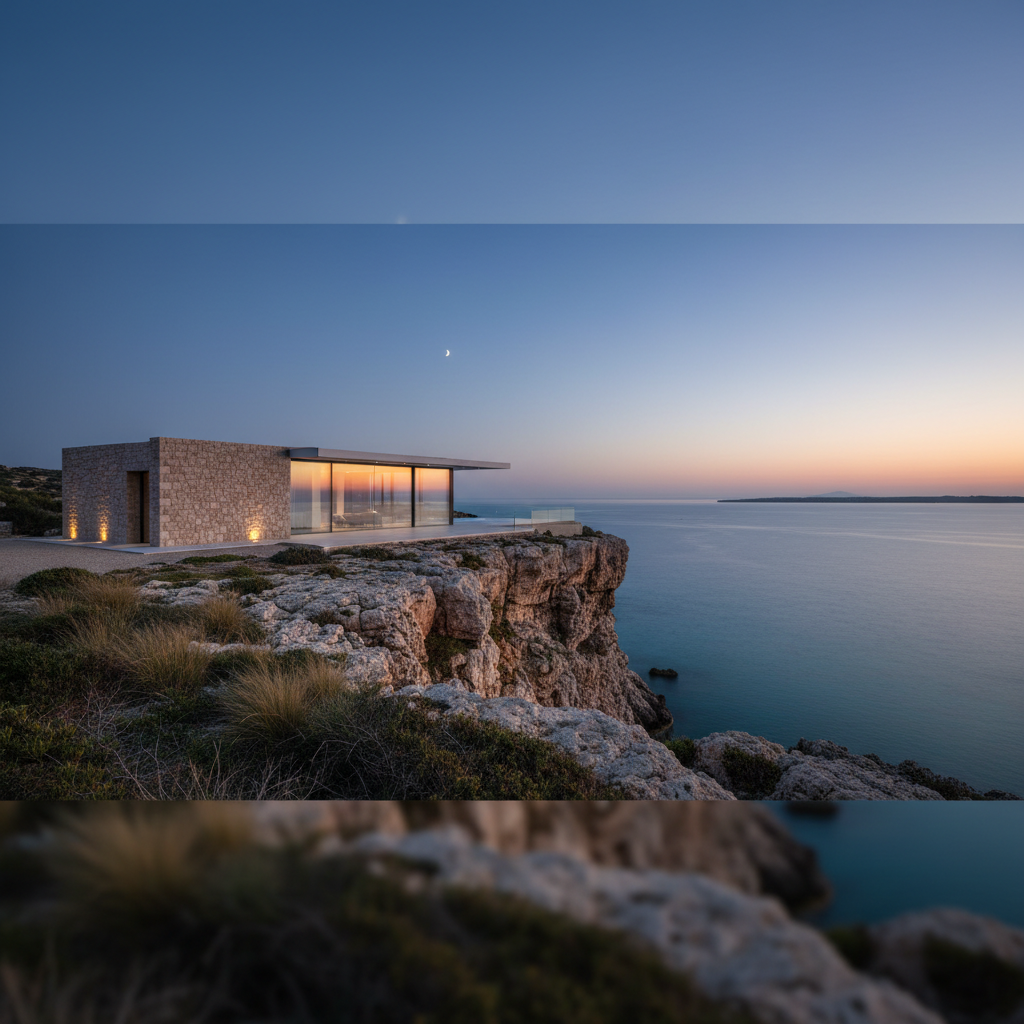
While Limassol continues to attract corporate headquarters and vertical high-density development, the western edge of the island is experiencing a distinctly different movement. Demand for prime Paphos villas has decoupled from traditional seasonal holiday home trends, driven instead by international private wealth seeking permanent footholds, structural wealth preservation, and expansive coastal footprints. The contemporary buyer in Paphos is younger, internationally mobile, and markedly more focused on architectural integrity and personal wellbeing than the market has seen in previous cycles.
The Quiet Realignment of Prime Capital
The demographic profile acquiring prime seafront and hillside plots has shifted noticeably over the past eighteen months. Where British retirees once formed the predominant buyer class, the current market is underpinned by European tech executives, family offices from Central and Northern Europe, and Middle Eastern professionals seeking geographic diversification. For these buyers, Paphos offers an antidote to the high-density urban pressure of Limassol or the commercial intensity of Nicosia, while retaining the essential infrastructure of private international schools, championship golf courses, and an operational international airport.
"Paphos has evolved from an understated seasonal enclave into a year-round destination for capital seeking both lifestyle discretion and enduring tangible value."
What Distinguishes the Current Wave of Buyers
Today's purchasers are not seeking speculative off-plan apartments; they are deploying capital into bespoke, low-density residences with immediate utility. They evaluate properties through the dual lens of secondary residency qualification and daily functionality, favouring detached homes set within private grounds over shared-amenity complexes. The shift towards remote enterprise management has also turned coastal Paphos into a primary residence base for founders and senior executives who commute across Europe on a bi-weekly schedule.
- Uncompromised spatial density: plot sizes in areas such as Peyia, Sea Caves, and Chloraka allow for true perimeter privacy that urban centres cannot replicate.
- Statutory residency alignment: direct qualification for permanent residency via prime real estate investment remains a central administrative catalyst.
- Proximity to high-tier education: top-ranking English-medium international schools allow foreign families to establish full-time domestic routines.
- Scarcity of front-line zoning: strict environmental protections along the Akamas peninsula and protected coastlines enforce long-term supply constraints.
Practical Realities and Structural Value Drivers
Prospective buyers must navigate a market where plot values vary dramatically based on coastal proximity and planning density thresholds. Unlike Larnaca, which is currently driven by long-term port regeneration, or Ayia Napa, which remains largely leisure-oriented, Paphos retains mature planning controls that protect against uncontrolled vertical expansion. Consequently, prime front-line and elevated ridge villas command strong liquidity because unbuilt coastal land is finite, making completed contemporary assets exceptionally resilient against broader macro-economic fluctuations.
The Regional Perspective: A Strategic Outlook
As the Cyprus property market matures, regional differentiation will become even more pronounced. For investors and family offices assessing long-term exposure, coastal Paphos provides a measured balance between lifestyle dividend and intrinsic asset security that high-rise urban markets often lack. With ongoing municipal improvements, expanding private infrastructure, and an inherently restricted supply of coastal land, the acquisition of well-designed Paphos villas represents one of the most stable real estate allocations in the Eastern Mediterranean today.