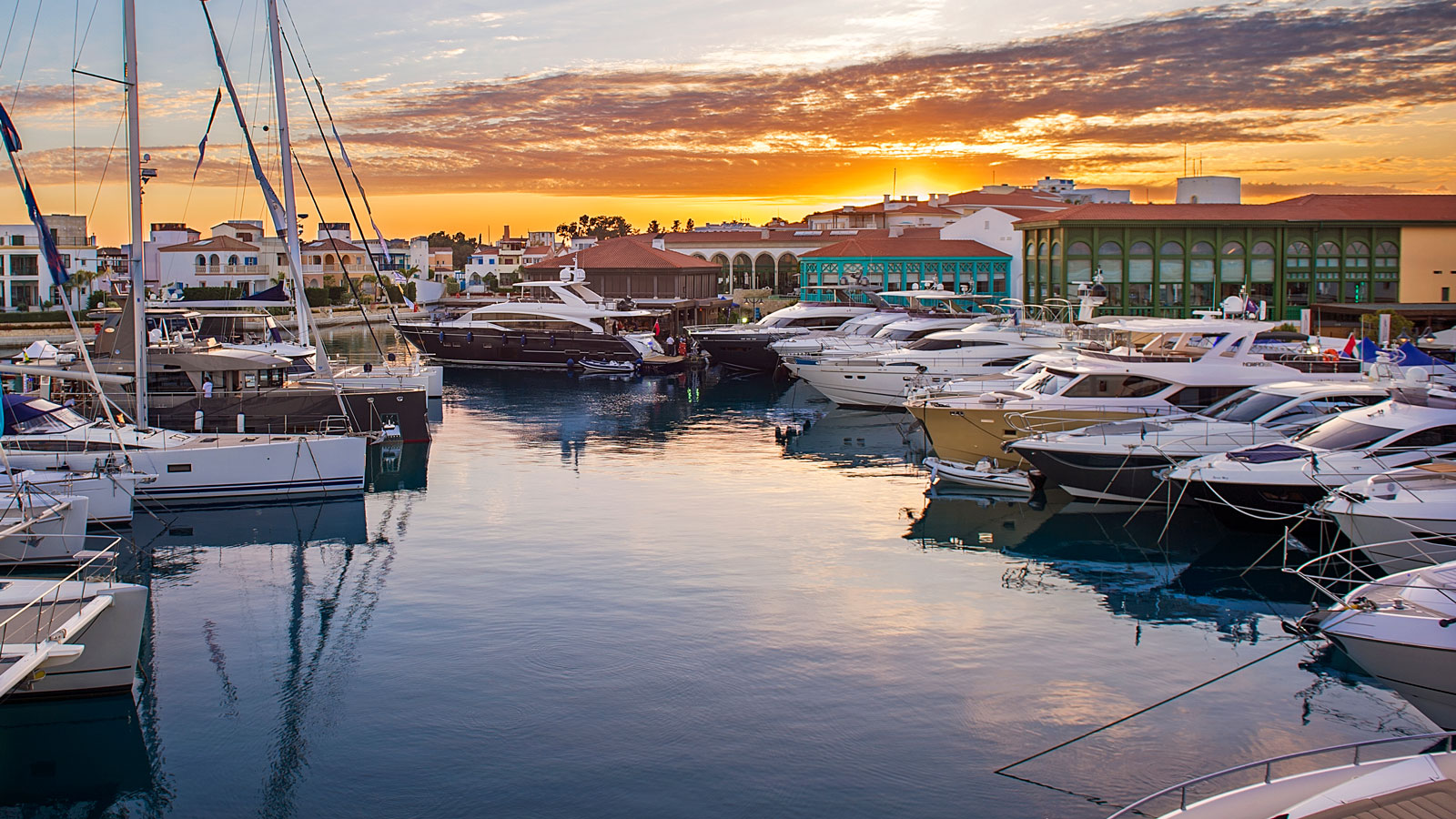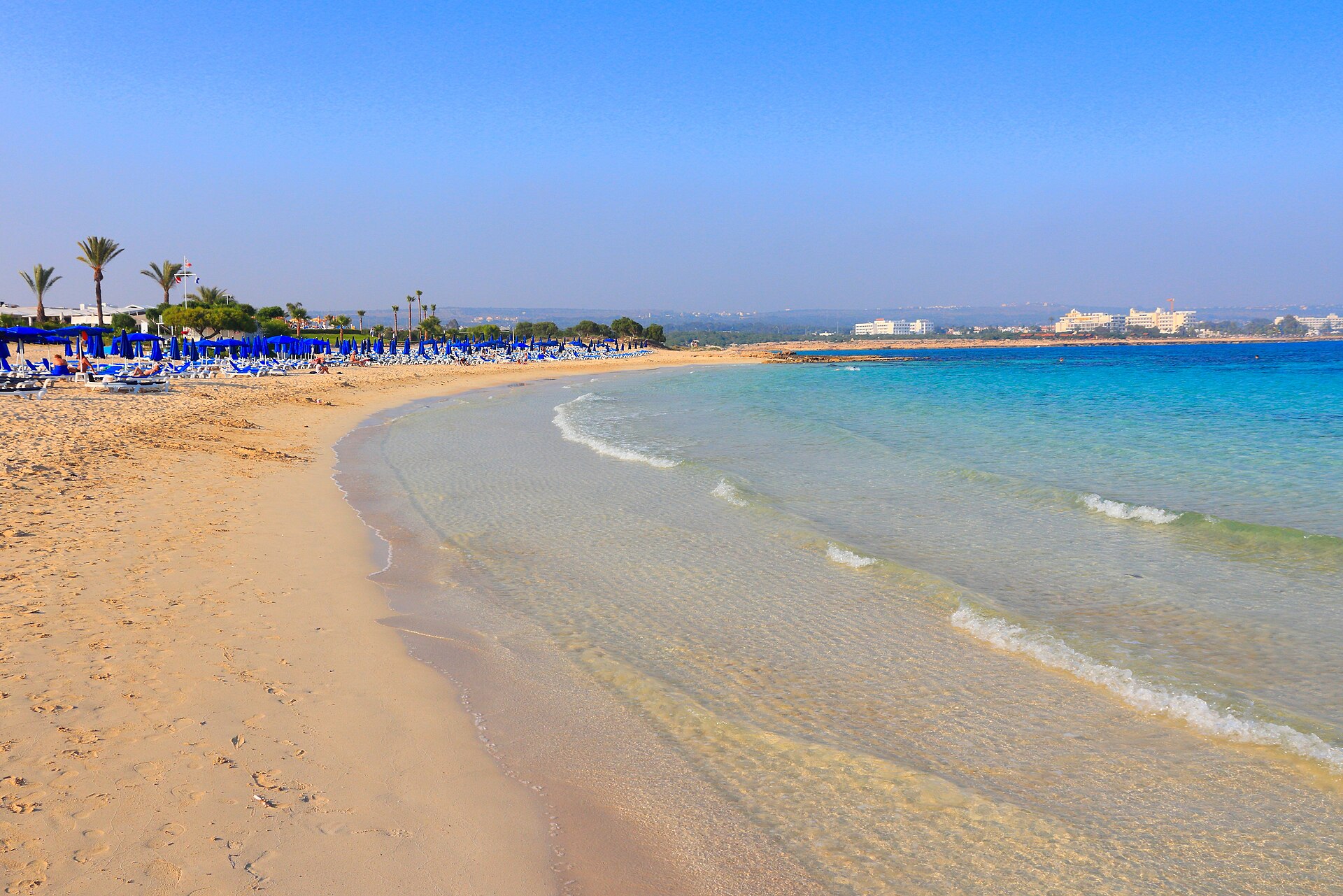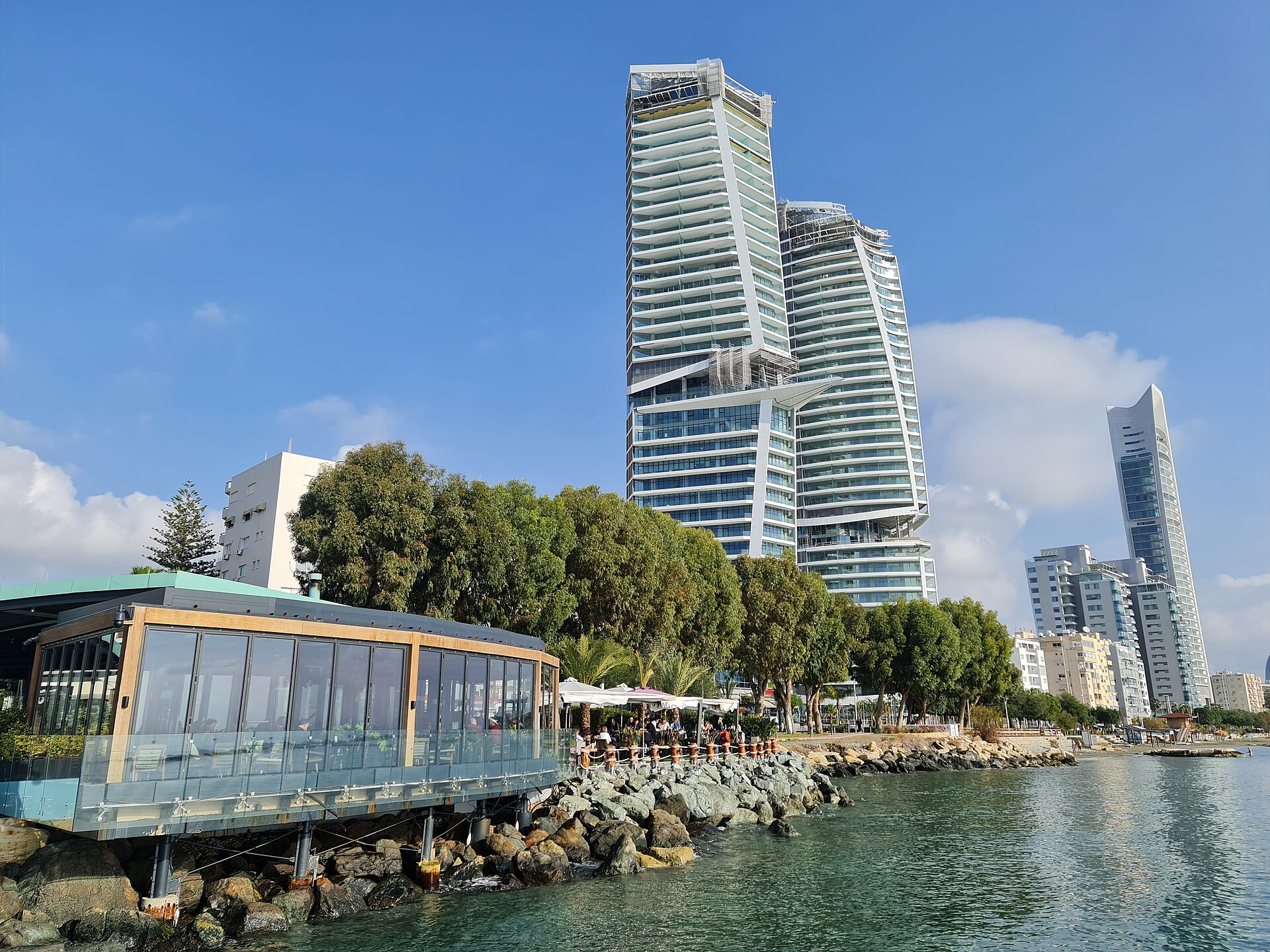

For the past decade, international buyers focusing on Cyprus have maintained a near-exclusive gaze towards the southern coastline. The dramatic vertical growth of Limassol, the lifestyle appeal of Paphos, and the strategic positioning of Larnaca have absorbed the lion's share of foreign real estate transactions. Yet, twenty miles inland, the capital city has quietly evolved into one of the most fundamentally sound, structural investment propositions in the Eastern Mediterranean.
Decoupled from Coastal Volatility: The Market Signal
While waterfront properties remain sensitive to shifts in international leisure tourism and citizenship programmes, Cyprus capital real estate operates on an entirely distinct economic engine. Nicosia is the administrative, legal, financial, and educational core of the island, hosting foreign embassies, international audit firms, tech enterprises, and government institutions. This concentration of institutional capital creates year-round tenancy patterns that insulate the prime segment from the seasonal swings observed in coastal holiday destinations like Ayia Napa or western Paphos.
Over the past three years, local high-net-worth families and seasoned international funds have directed significant balance-sheet liquidity into boutique, design-led residential developments. Unlike the monolithic high-rises dominating the coastline, prime residential assets in the capital favour understated, low-density formats that integrate seamlessly with mature garden neighbourhoods such as Engomi, Strovolos, and Dasoupolis.
What Institutional and Private Buyers Are Finding
The demand profile for luxury Nicosia apartments is underpinned by an affluent, discerning tenant base that prioritises sustainable architecture, acoustic privacy, and central accessibility. Senior diplomats, European institutional directors, and multinational executives present covenant strength rarely matched in resort locations. Consequently, gross residential yields on premium stock in the capital routinely achieve five to six per cent, accompanied by void periods that are among the shortest anywhere in southern Europe.
"While coastal towers often capture the imagination of transient capital, prime property in Nicosia delivers the steady, counter-cyclical resilience that institutional wealth requires."
Key Advantages of Capital Residential Assets
- Uninterrupted, twelve-month tenancy schedules driven by executive, diplomatic, and corporate contracts rather than seasonal tourism.
- Significantly lower entry prices per square metre compared to equivalent prime beachfront assets in Limassol.
- Strict urban planning codes that protect historic residential enclaves from overdevelopment and ensure capital preservation.
- Exceptional liquidity in the resale market, bolstered by enduring domestic wealth and established local families.
- Emergence of high-performance architectural standards, featuring Class A energy certifications and integrated geothermal solutions.
Practical Considerations and Micro-Location Nuances
Acquiring property in the capital requires an intimate understanding of micro-neighbourhoods. Districts such as Engomi retain prestige through their proximity to foreign embassies and leading private medical facilities, making them ideal for long-term diplomatic lets. Conversely, the central municipal core appeals to a younger demographic of corporate professionals who demand walkable access to contemporary dining, the national business district, and cultural institutions.
Investors should scrutinise parking allocations, energy efficiency ratings, and acoustic insulation specifications when reviewing off-market stock. Given Nicosia's summer climate, residential schemes that incorporate passive shading, thermal mass, and high-specification heat-pump infrastructure consistently command rental premiums over standard developments.
The Long-Term Capital Outlook
As the urban fabric of Nicosia undergoes measured regeneration, supported by major public realm upgrades and university expansions, the structural supply deficit for prime three- and four-bedroom apartments will remain acute. For portfolio allocators seeking genuine diversification within Cyprus, the capital represents not a secondary consideration, but a foundational anchor that combines capital preservation with uncompromised operational consistency.