The allure of Cyprus as a prime destination for discerning international buyers extends beyond its sun-drenched shores and advantageous lifestyle; it is increasingly defined by its architectural responses to the Mediterranean climate. Modern villa design on the island now thoughtfully synthesises contemporary aesthetics with time-honoured principles, creating homes that are not only visually striking but also inherently comfortable and energy-efficient. This thoughtful approach reflects a deeper understanding of the local environment, transforming properties into sanctuaries that exist in harmony with their natural surroundings.
The Resurgence of Climatic Design
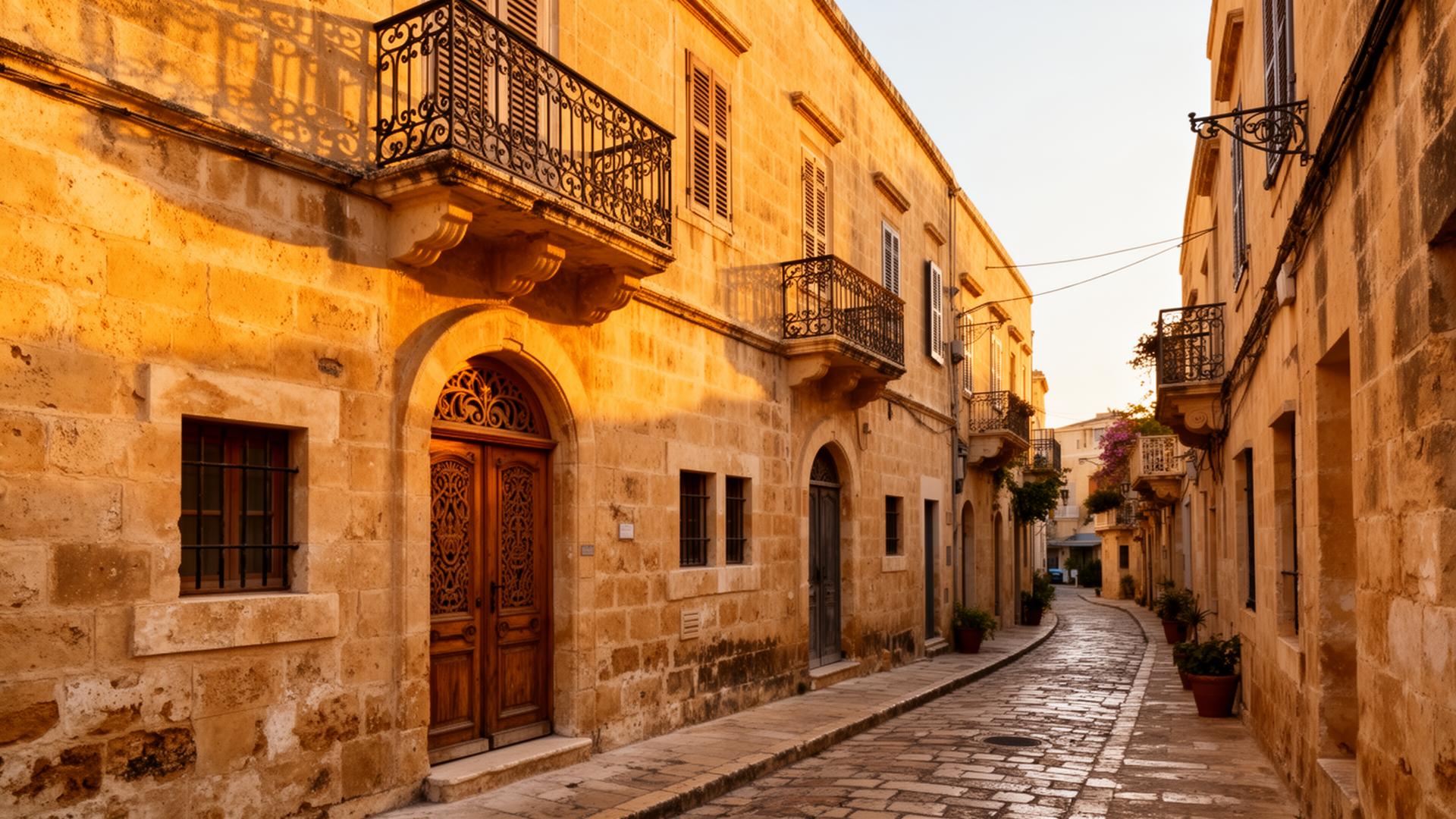
For centuries, traditional Mediterranean architecture in Cyprus evolved as a direct response to the intense summer heat and abundant sunshine. Structures were designed to provide respite, utilising locally available materials and passive cooling techniques. Today, with a renewed focus on sustainability and liveability, contemporary architects are revisiting these elemental strategies, adapting them for the demands of high-net-worth clients seeking both luxury and environmental responsibility. This evolution is particularly evident in new developments across Limassol, Paphos, and Ayia Napa, where innovative design is a key differentiator.
The market signal is clear: buyers are increasingly seeking properties that offer genuine comfort without excessive reliance on artificial climate control. This demand has spurred a creative renaissance in design, where architects are blending cutting-edge technology with ancient wisdom. The resulting villas exemplify a sophisticated understanding of how to live well in a Mediterranean climate, offering a tangible benefit in both daily comfort and long-term running costs.
Key Design Principles for Mediterranean Comfort
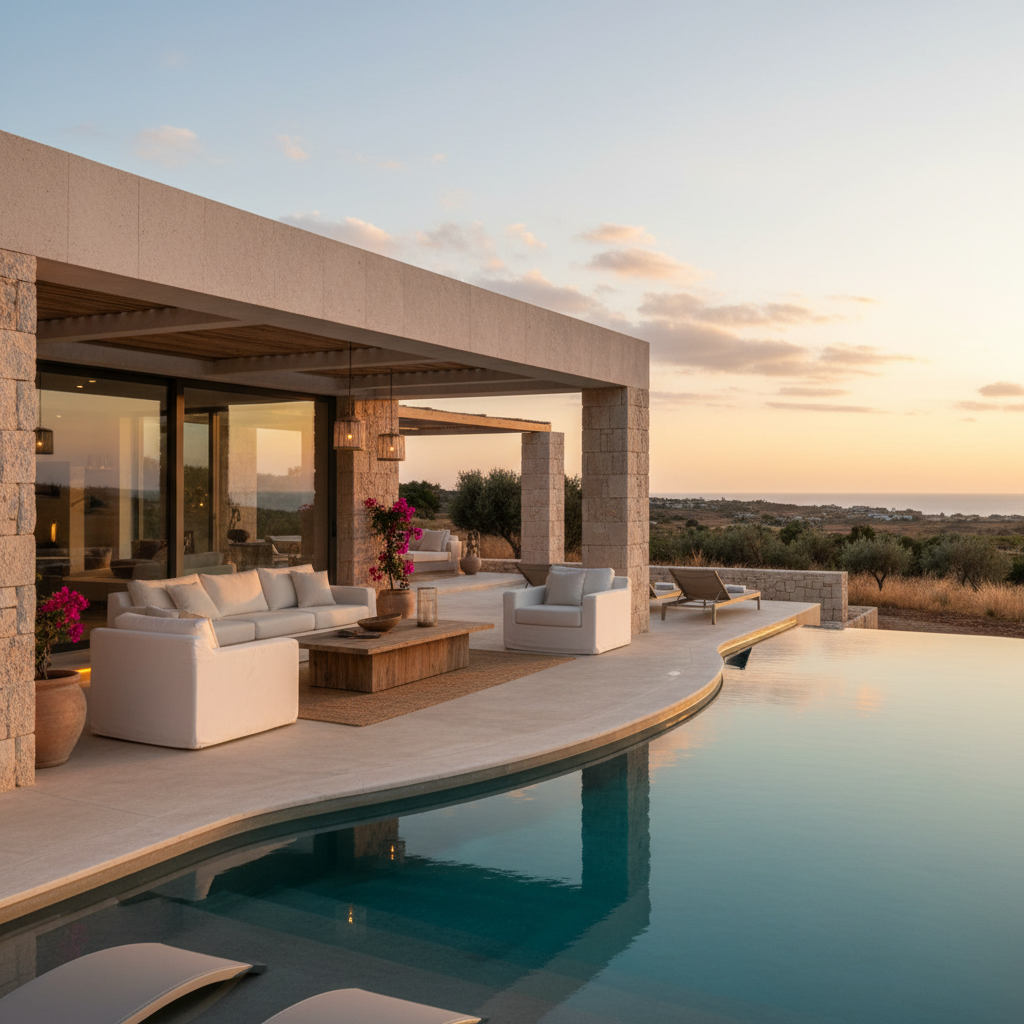
- Strategic Shading: Overhanging eaves, pergolas, verandas, and deep-set windows are employed to mitigate solar gain, particularly on south and west-facing elevations. These elements create dynamic interplay of light and shadow, enhancing aesthetic appeal while dramatically reducing indoor temperatures.
- Optimised Cross-Breeze: Thoughtful placement of openings – windows, doors, and courtyards – facilitates natural ventilation. This allows air to flow freely through living spaces, drawing heat out and providing a constant, refreshing breeze, essential during warmer months.
- Local Stone and Materiality: The use of natural stone, such as local Cypriot limestone, for walls and flooring provides excellent thermal mass, absorbing heat during the day and releasing it slowly at night. This stabilises indoor temperatures and grounds the architecture within its local context.
- Water Features and Courtyards: Incorporating reflective pools or internal courtyards can aid in microclimate regulation, cooling the air through evaporation and encouraging air circulation within the property’s footprint.
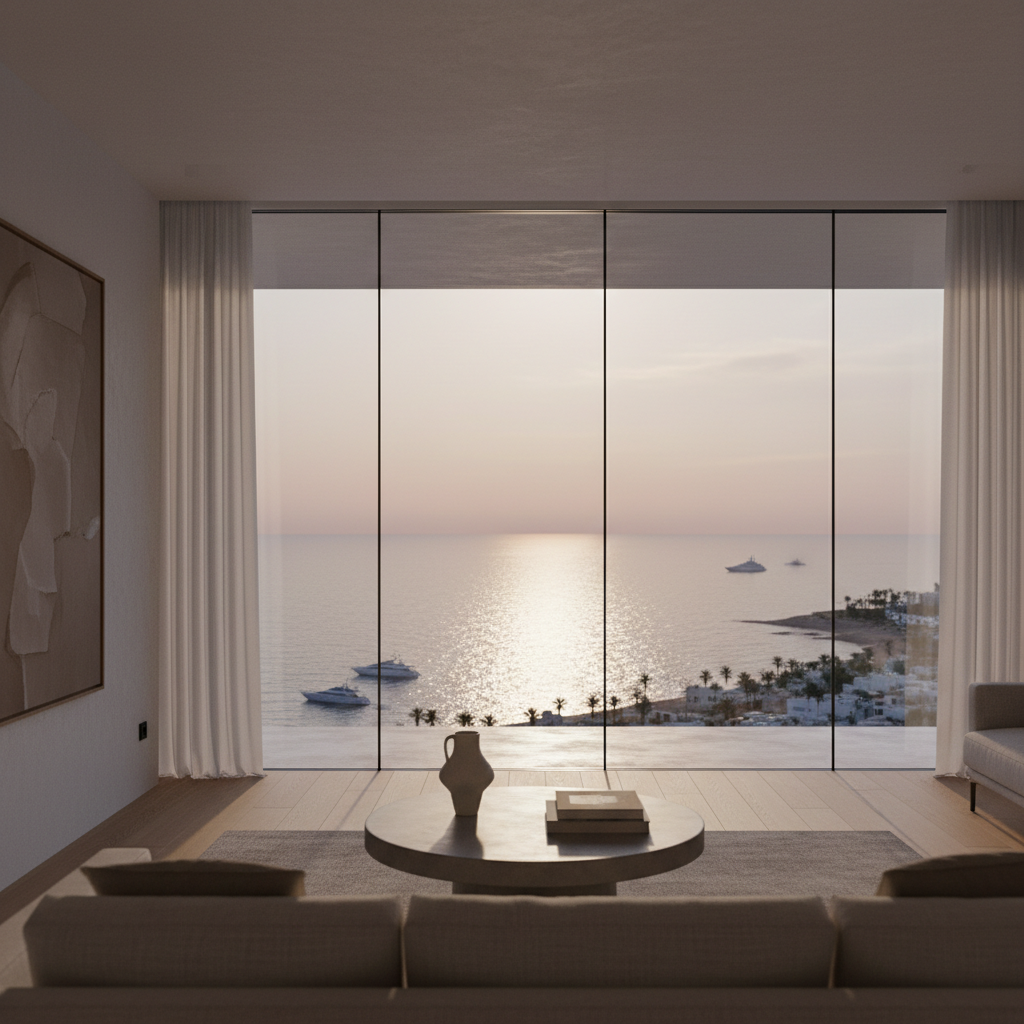
- Indoor-Outdoor Flow: Seamless transitions between interior and exterior living areas blur the lines between them, extending living spaces into shaded terraces and gardens. This enhances the sense of openness and connection to the Mediterranean landscape.
Aesthetics and Practicality: The Cyprus Villa
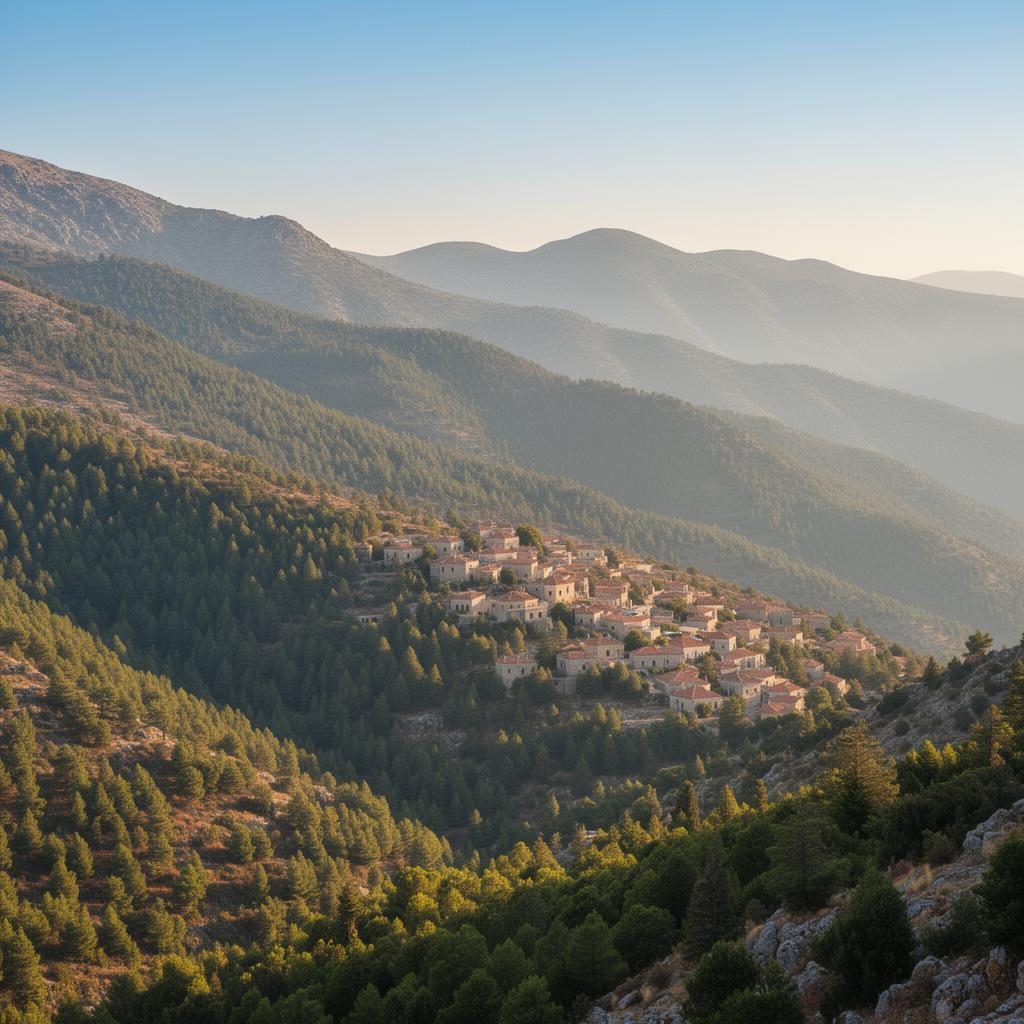
The application of these principles extends beyond mere functionality; they deeply inform the aesthetic character of modern Cypriot villas. The robust texture of local stone, the play of light through slatted pergolas, and the cool touch of natural materials underfoot contribute to a distinct sense of place and luxury. In sought-after areas such as the hillsides of Paphos or the coastal stretches of Larnaca, these design choices elevate a property from a mere residence to a finely crafted home perfectly attuned to its environment.
For international buyers, understanding these architectural nuances is paramount. A villa designed with effective cross-breeze pathways and strategic shading will offer a significantly superior living experience compared to one that neglects these considerations, particularly during the extensive Cypriot summer. Such thoughtful design also translates into long-term savings on energy consumption, aligning luxury with sustainable living practices.
The Future of Mediterranean Living
The trajectory for Mediterranean architecture in Cyprus points towards an even deeper integration of sustainable practices and climatically responsive design. As global awareness of environmental impact grows, and as the desire for authentic, comfortable living spaces intensifies, architects continue to innovate. From sophisticated passive cooling systems to the intelligent use of local flora for microclimate enhancement, the future promises villas that are ever more harmonious with their sun-drenched island setting.
This evolution ensures that owning a property in Limassol, Nicosia, or any other desirable location in Cyprus means investing in a lifestyle that is both luxurious and inherently connected to the island’s unique natural rhythm. The enduring principles of shading, cross-breeze, and local stone remain fundamental, shaping exquisite homes that stand as testaments to intelligent, considered design.