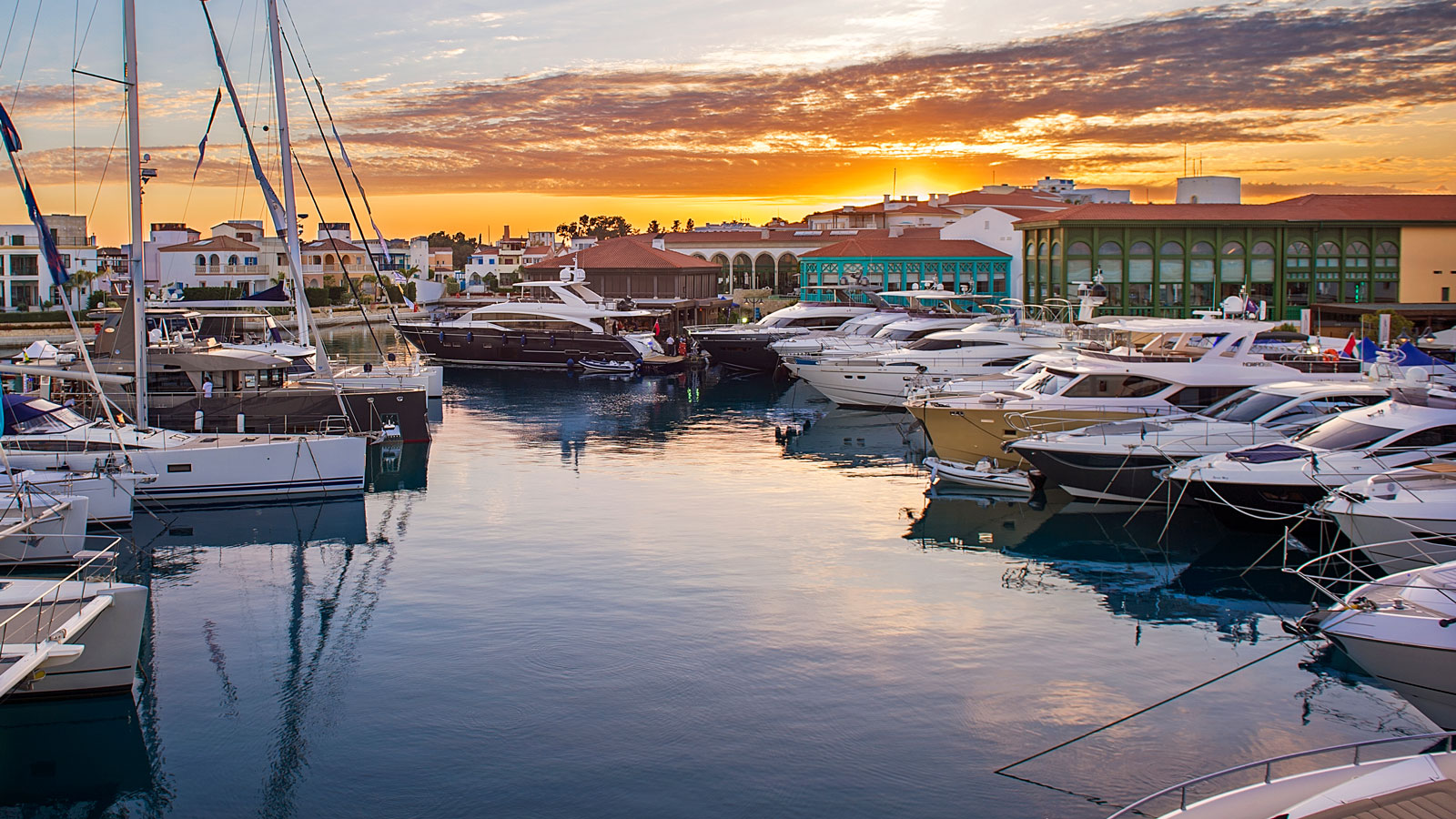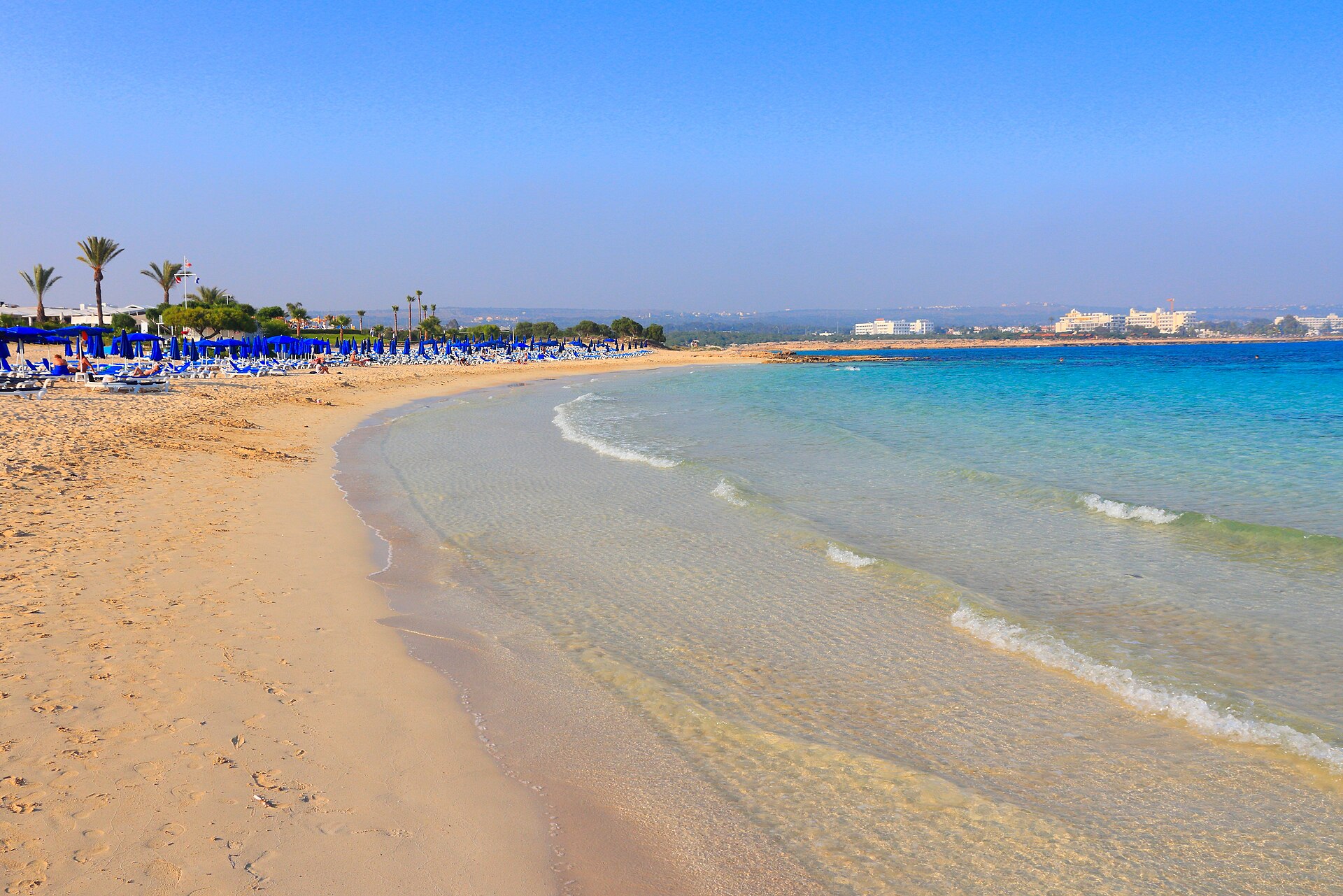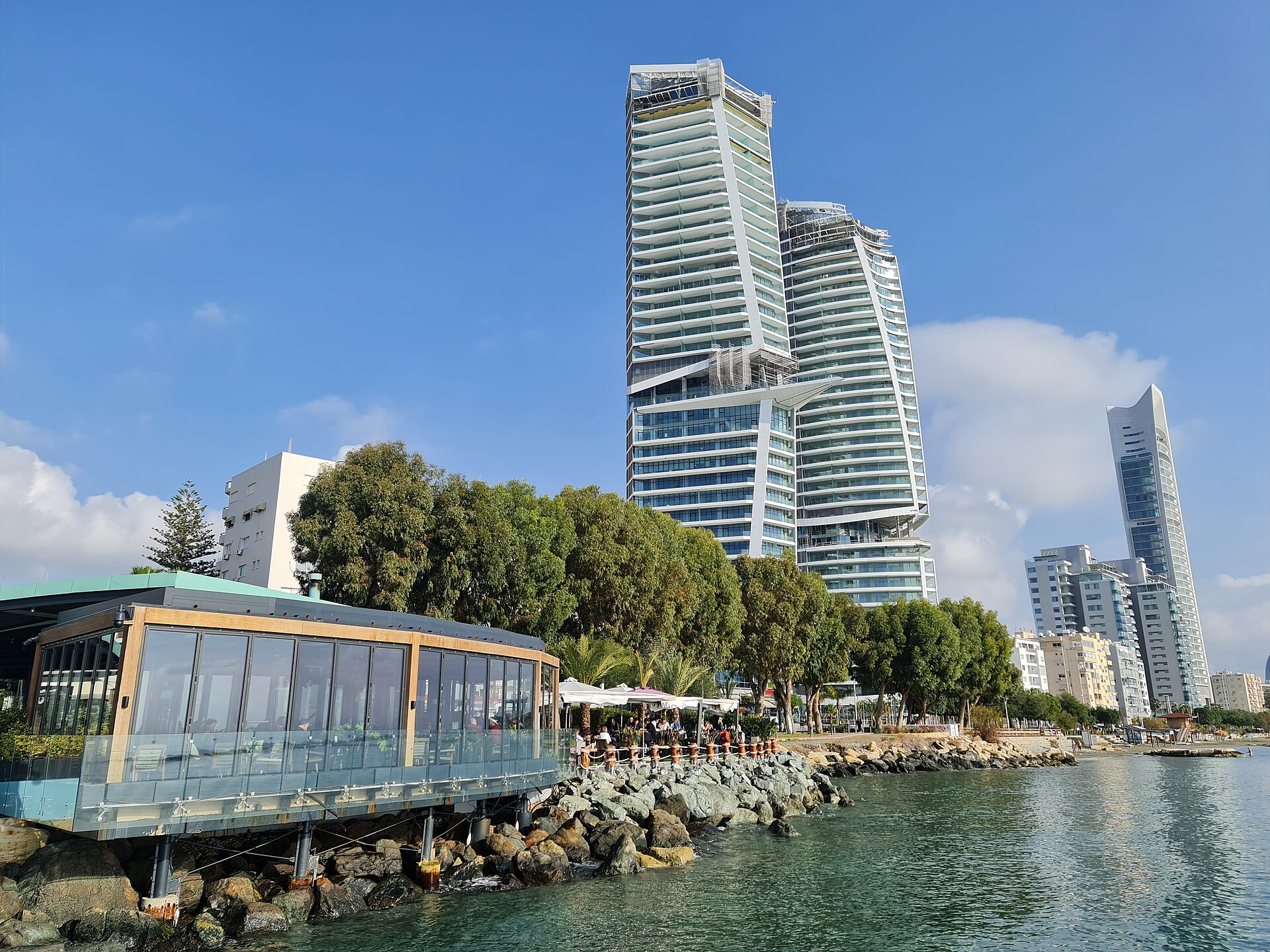
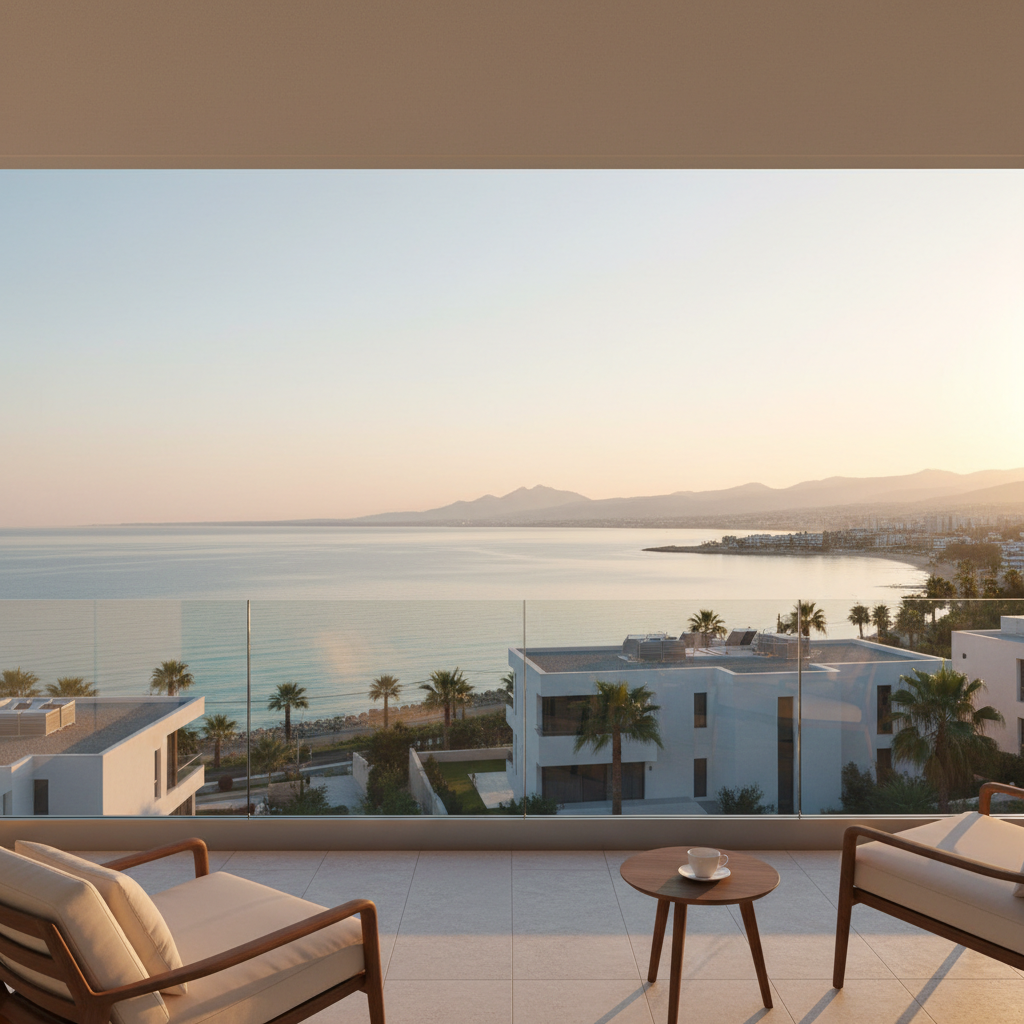
The coastal strip of Limassol has long served as the bellwether for the broader Cyprus property landscape. Recent off-plan launches and late-phase releases along the southern shoreline indicate a distinct recalibration in how prime square metres are valued. Rather than speculative surges, the latest pricing structures reflect disciplined underwriting, driven by sustained international demand and constrained frontline land.
Decoding the Baseline: What Prime Waterfront Now Costs
Historically, high-rise completions set ambitious ceilings, but recent releases across prime coastal pockets show these former ceilings transitioning into established baselines. Entry points for prime seafront apartments Cyprus offers have consolidated above expected thresholds, supported by institutional capital and corporate relocations under the headquartering regime. While Paphos offers pastoral estate settings and Larnaca captures growing interest for lower-density coastal schemes, Limassol continues to command a distinct liquidity premium.
"The current waterfront cycle in Limassol is defined less by speculative vertical growth and more by an uncompromising flight to quality, architectural permanence, and integrated management."
Key Drivers Behind the Latest Waterfront Pricing Tiers
Several interrelated fundamentals dictate why developers are pricing new inventory at current figures. It is no longer sufficient to offer mere proximity to the water; modern ultra-high-net-worth buyers expect institutional-grade amenities and sustained operational excellence. The resulting cost basis directly reflects these elevated development benchmarks.
- Scarcity of unencumbered frontline parcels along the coastal corridor, concentrating development into boutique high-specification schemes.
- Higher build specifications, including advanced acoustic insulation, high-efficiency glazing, and certified low-carbon construction standards.
- Strong corporate inflows from international technology, financial, and maritime entities establishing operational bases across Limassol and Nicosia.
- A sustained preference for managed residential hospitality, where branded management contracts protect long-term asset value.
Comparative Dynamics Across the Island
For buyers evaluating Limassol real estate against other regional markets, the contrast is informative. Nicosia maintains steady domestic and corporate transactions insulated from international coastal tourism, whereas Ayia Napa and Protaras cater heavily to seasonal leisure capital. Limassol occupies a singular hybrid role, acting as both an international commerce hub and a year-round Mediterranean resort, which shields rental yields from typical off-season compression.
Strategic Considerations for Prospective Investors
Navigating this tier of the market requires careful inspection of contract terms, delivery schedules, and ongoing service charges. Early-stage pricing advantages on off-plan waterfront units can be substantial, yet they must be balanced against developer solvency and track record. Prospective purchasers should examine whether quoted per-square-metre figures reflect internal usable area or extended covered verandas, as discrepancies significantly affect projected yields.
The Long-Term Trajectory
Looking ahead, Limassol’s seafront corridor shows little vulnerability to price softening in the top decile. As environmental regulations tighten and infrastructure upgrades mature, prime residential towers and low-density boutique residences will continue to command robust resale margins. For the discerning investor, current launches indicate that prime waterfront real estate in Cyprus has matured into a resilient, globally integrated asset class.