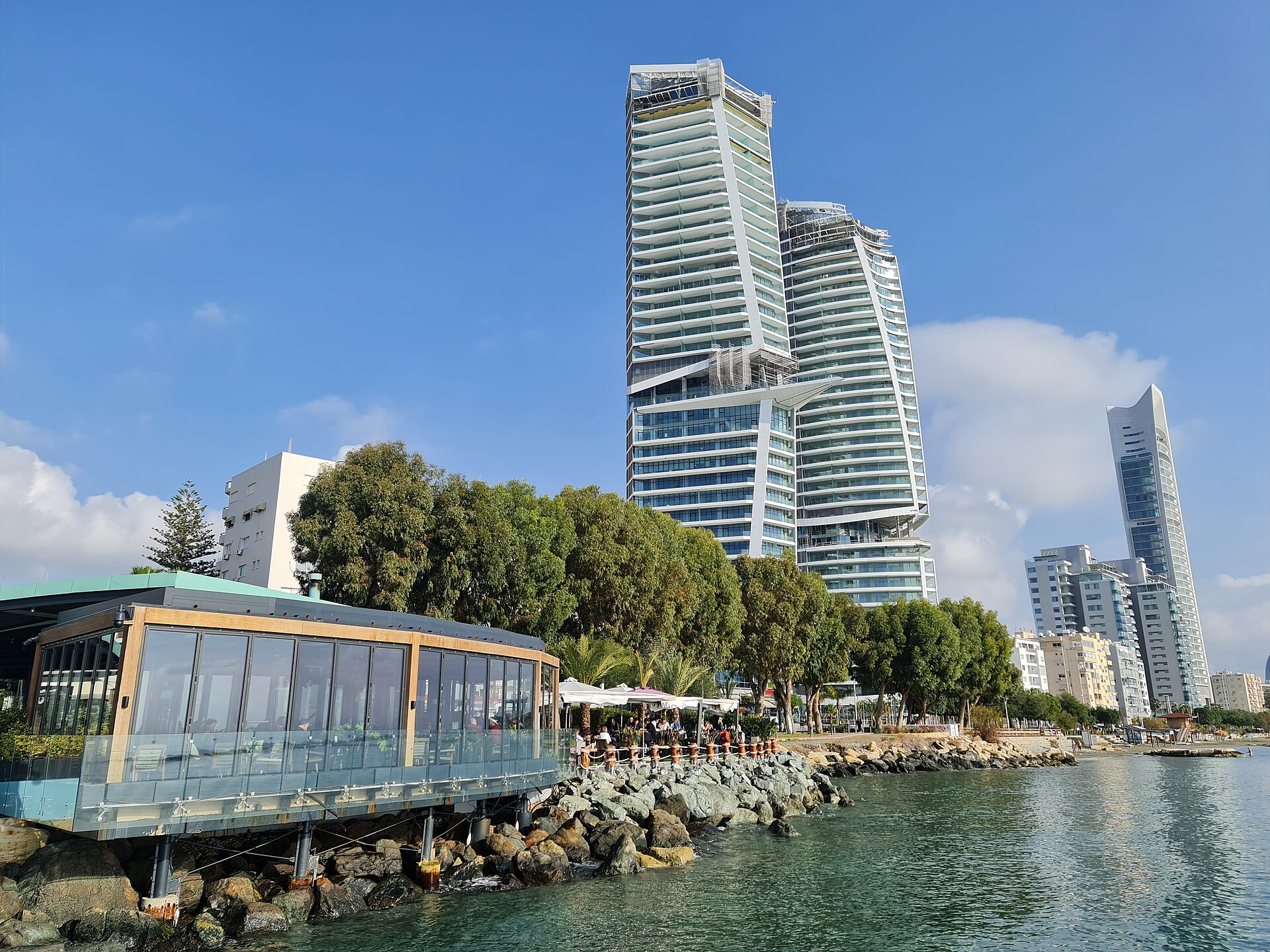
Limassol's coastal strip has long functioned as the primary barometer for prime residential values across Cyprus. Over the past decade, the skyline absorbed significant international capital, transitioning from modest mid-rise apartment blocks to commanding architectural landmarks along the Mediterranean shoreline. The latest tranche of prime off-plan launches indicates that the market has entered a mature, highly discerning phase where indiscriminate price growth has been replaced by calculated differentiation.
The Recalibration of Prime Coastal Valuations
Recent scheme introductions along the Limassol coastline demonstrate a subtle yet consequential shift in pricing mechanisms. Where earlier speculative cycles saw uniform premiums applied across broad geographic bands, current launch tariffs are minutely tailored to construction integrity, thermal efficiency ratings, and long-term service provision. Transaction data shows square-metre rates stabilizing at elevated thresholds, but buyers are no longer paying indiscriminate premiums simply for coastal proximity without uncompromising architectural execution.
Furthermore, the profile of international capital acquiring seafront apartments in Cyprus has fundamentally matured. The historical predominance of purely passive investment has given way to active corporate relocations, technology executives, and family offices establishing operational footprints on the island. This demographic prioritises functional livability, extensive private amenities, and verified sustainability credentials over purely ostentatious footprint, forcing developers to redirect capital into mechanical infrastructure, acoustic insulation, and bespoke interior appointments.
"The era of speculative coastal inflation has given way to a disciplined flight to substance, where verifiable architectural quality commands a defensive, sustained premium."
Boutique Density and Architectural Substance
A notable signal embedded in recent releases is the pivot away from hyper-dense high-rise formats toward low-density boutique developments. Along prime enclaves such as Agios Tychonas and Mutluyaka, developers are prioritising privacy, sprawling lateral layouts, and private green space over raw vertical scale. These schemes reflect an understanding that discerning buyers value tranquility and exclusive access far more than sheer floor count, driving benchmark valuations higher for boutique developments.
Regional Context: Limassol Versus the Broader Island
To interpret Limassol real estate accurately, one must examine it against the wider Cyprus landscape. While Limassol remains the undisputed commercial and prime residential nucleus, secondary coastal markets are recalibrating their own propositions in response to Limassol's pricing ceiling. Investors seeking alternative risk-adjusted entries are actively surveying adjacent districts, each presenting distinct yield and capital appreciation profiles.
- Limassol continues to anchor absolute capital values, supported by deep commercial tenant demand and limited seafront land reserves.
- Paphos presents a lifestyle-oriented alternative, with low-rise villas and resort residences capturing steady Western European retirement and lifestyle capital.
- Larnaca is experiencing sustained infrastructure-led momentum, offering attractive entry prices for coastal developments within close reach of the international airport.
- Nicosia maintains stability as the administrative and diplomatic centre, driven predominantly by domestic transactions and long-term corporate lets rather than coastal tourism.
- Ayia Napa and Protaras remain seasonal havens, where prime marina developments offer niche second-home appeal but carry distinct seasonality profiles.
Strategic Outlook for Prime Allocators
Looking forward, the pipeline of prime seafront apartments in Cyprus will face structural headwinds related to land scarcity along prime coastlines and stringent environmental planning controls. These supply constraints suggest that prime coastal valuations in central Limassol will remain resilient against broader macroeconomic fluctuations. However, acquisition strategy requires heightened diligence, with particular attention paid to developer balance sheets, maintenance fee structures, and title conveyance timelines before capital deployment.