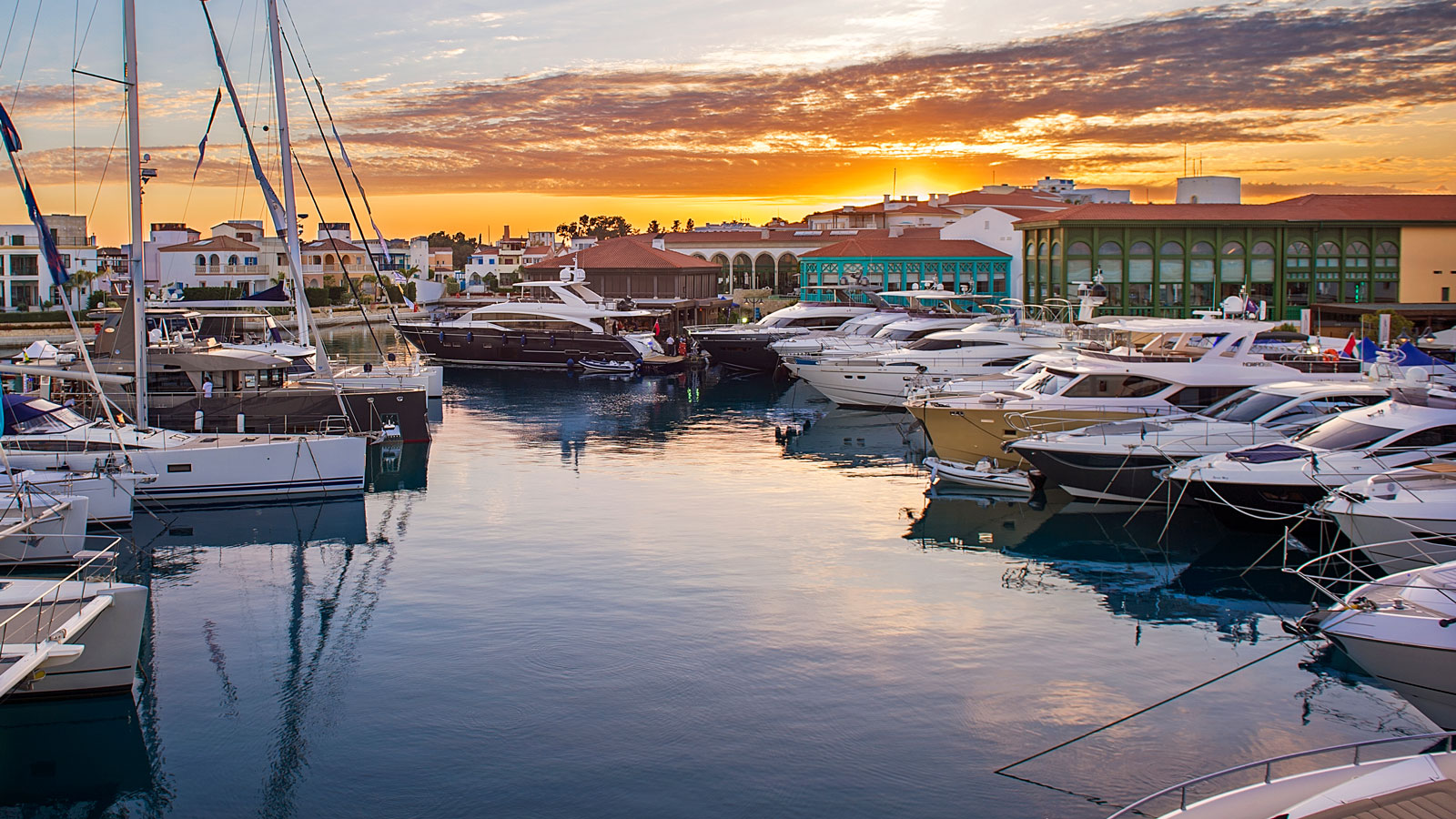
Larnaca has spent decades quietly observing the rapid vertical expansion of Limassol and the seasonal hospitality surges of Ayia Napa and Paphos. While its coastal peers pursued dense, high-rise luxury and foreign direct capital with deliberate urgency, this historic port town maintained an authentic, measured Mediterranean tempo. Today, that patience is yielding dividends. A confluence of infrastructure upgrades, including the ambitious redevelopment of the marina and port area, alongside immediate international airport access, has shifted the institutional and private calculus. Larnaca property is no longer viewed simply as a domestic alternative, but as an elegant, sustainable Cyprus investment proposition.
The Infrastructure Catalyst
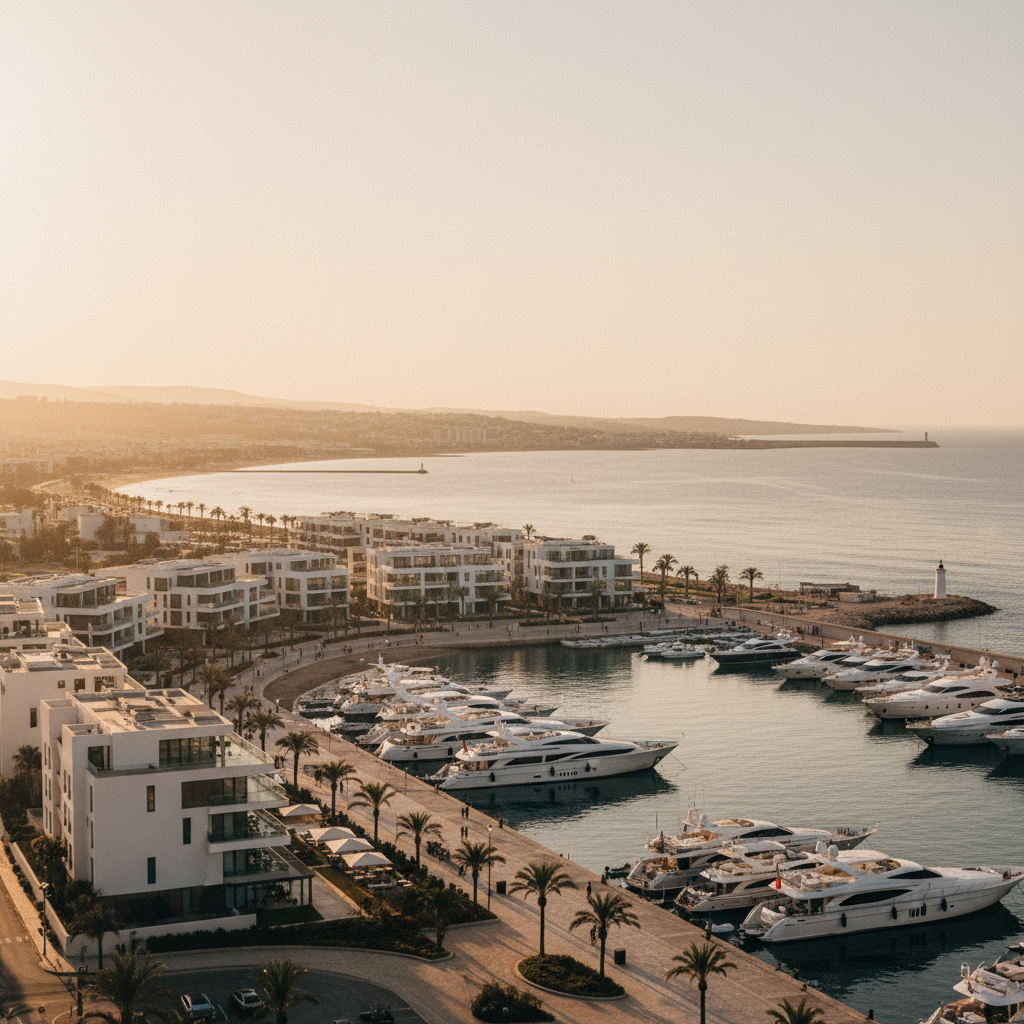
At the heart of Larnaca's strategic repositioning lies its connectivity and capital investment pipeline. The proximity of the island's primary international gateway has always provided an operational advantage over cities like Nicosia or Paphos, yet historically failed to anchor high-net-worth residency. Now, the comprehensive reimagining of the central waterfront and former refinery belt along the coastal road is unlocking kilometres of pristine shoreline. Institutional capital is flowing into master-planned districts, upscale boutique residences, and marine infrastructure that rivals established hubs across the eastern Mediterranean.
"Larnaca represents a rare counterpoint in modern Mediterranean development: an authentic coastal city modernising without compromising its architectural scale or community fabric."
A Discerning Shift in the Buyer Demographic
The profile of purchasers entering Larnaca has matured substantially over the past twenty-four months. While earlier cycles were underpinned by holiday home buyers seeking affordability compared to prime beachfront in Limassol, the contemporary wave comprises European professionals, international family offices, and tech sector entrepreneurs. These individuals prioritise walkability, year-round municipal life, and proximity to reputable British-curriculum schools. Furthermore, the city's architectural inventory is responding in kind, moving away from generic residential blocks toward understated, climate-resilient villas and low-density beachfront apartments.
- Seamless global mobility with international flight connections situated less than fifteen minutes from the urban core.
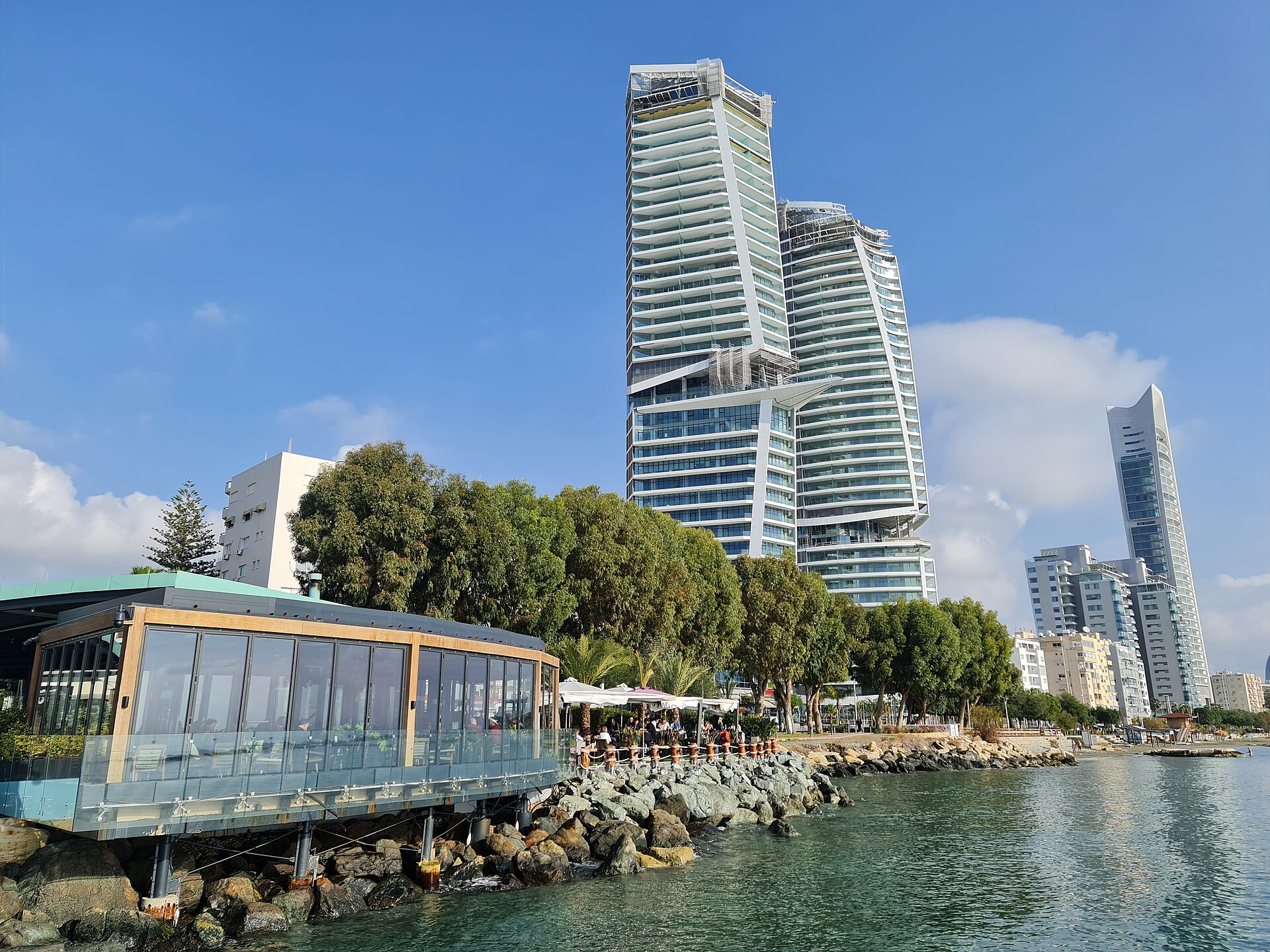
- Favourable entry yields and capital appreciation potential compared to mature coastal markets like Limassol.
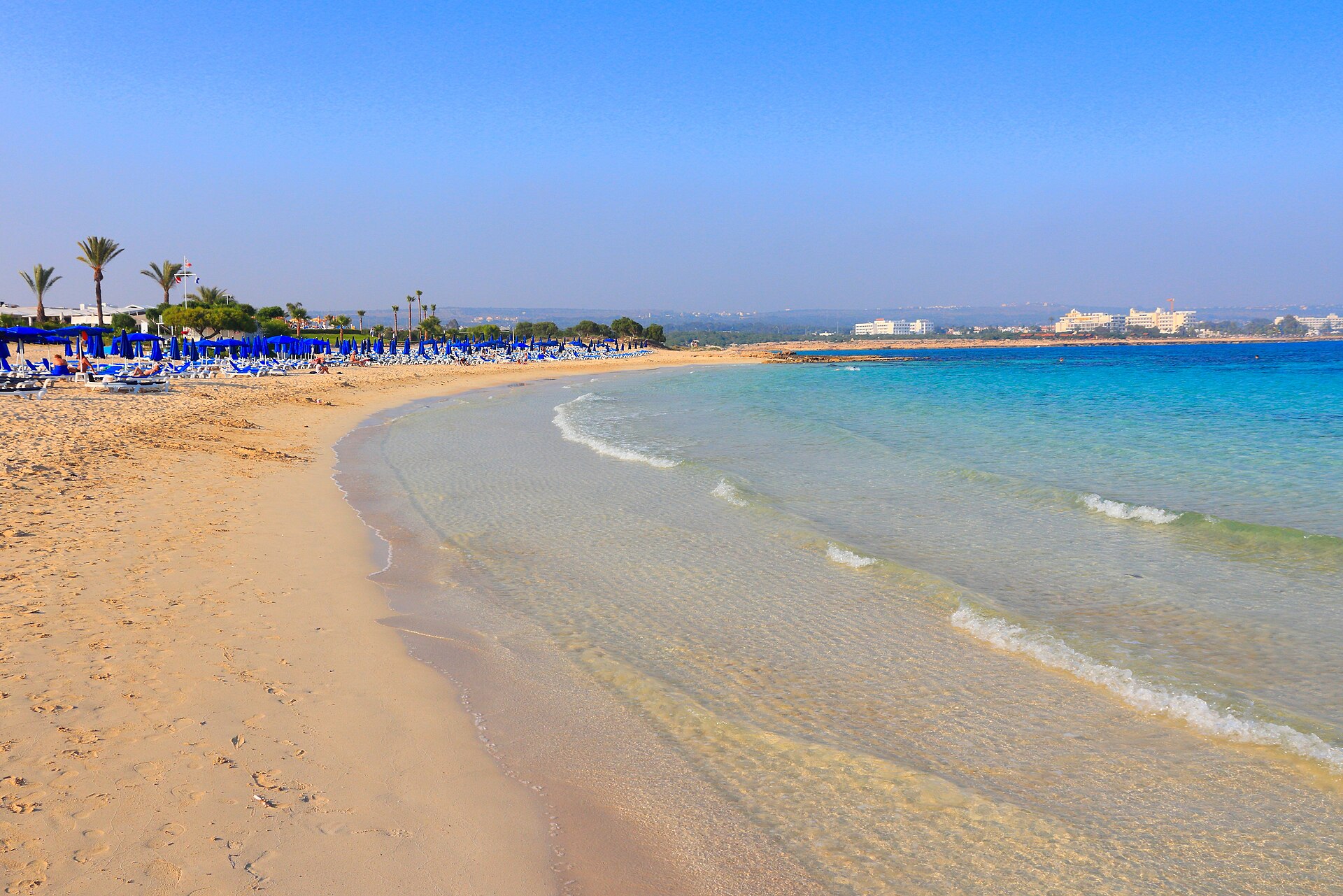
- Extensive regeneration of brownfield coastal zones, preserving long-term beachfront view corridors.
- A balanced urban ecosystem offering active winter life, unaffected by the sharp seasonality of traditional resort towns.
Strategic and Practical Considerations
Navigating this emerging market requires an appreciation of micro-locations. Coastal enclaves such as Pervolia and Meneou offer private estates with generous plots, appealing to those who prize discretion within easy reach of the airport terminal. Conversely, the central promenade and the expanding marina district provide liquid assets with compelling gross rental yields, supported by a growing domestic and executive tenant base. Buyers must conduct rigorous legal due diligence, specifically verifying infrastructure integration schedules and municipal planning permits in regeneration zones, as phased multi-year master plans inevitably dictate capital realisation timelines.
The Long-Term Outlook
Larnaca's ascent is defined not by speculative excess, but by coherent, long-term urban planning. As high-net-worth individuals increasingly assess Cyprus investment opportunities through the lens of liveability, sustainability, and capital resilience, the city presents an enviable equilibrium. By harmonising historic charm with modern transport infrastructure and measured luxury, Larnaca is steadily securing its position as Cyprus's most poised coastal enclave for the decade ahead.