For decades, Larnaca occupied a secondary position in the domestic hierarchy, often eclipsed by the sheer vertical momentum of Limassol and the established resort enclaves of Paphos. Today, however, the coastal city is undergoing a profound structural recalibration driven by master-planned infrastructure, municipal reclamation, and strategic geographic positioning. Discerning international purchasers seeking understated coastal living have begun to reallocate their attention toward its calmer, historically grounded avenues.
A Structural Shift Along the Coastline
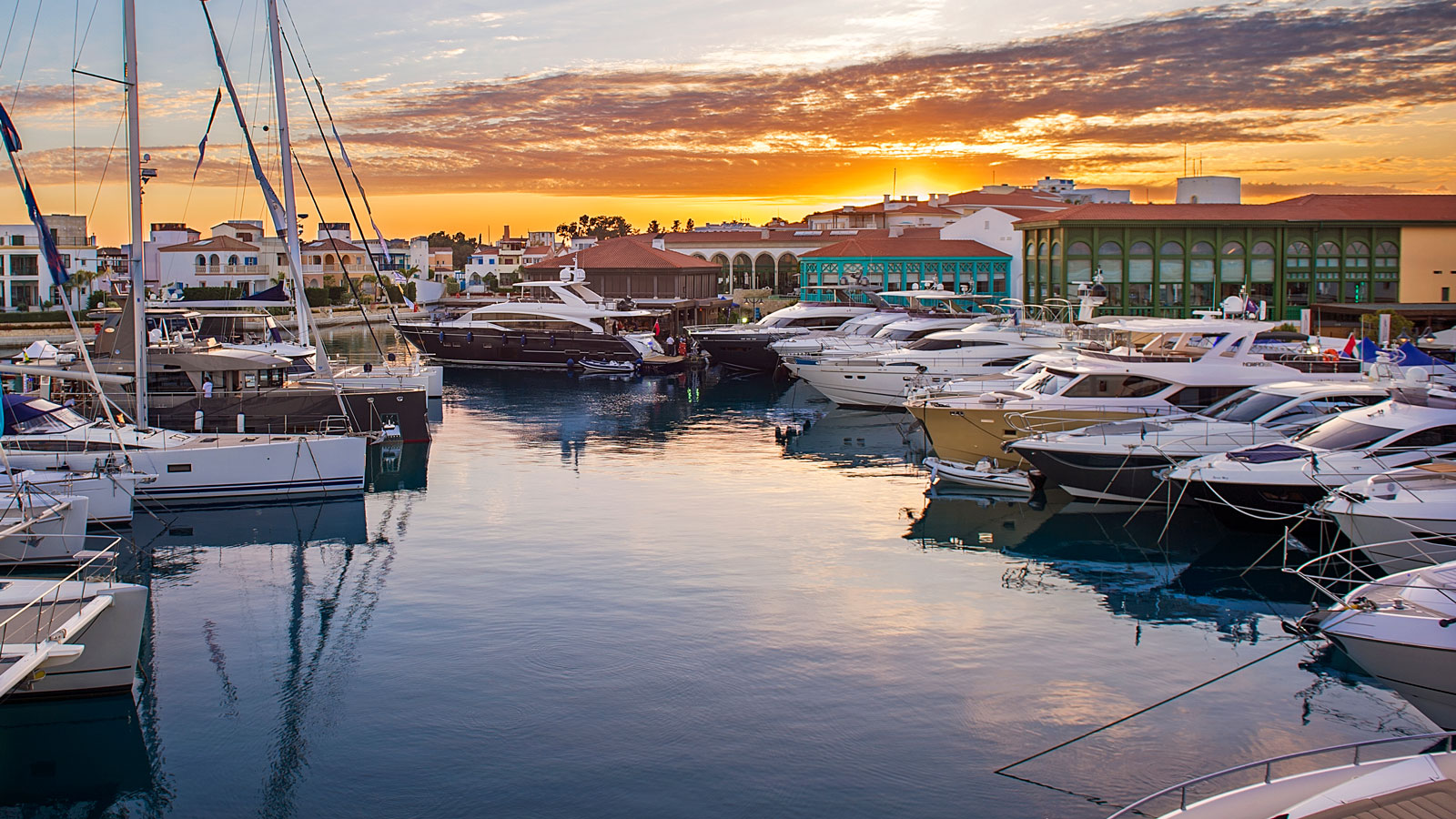
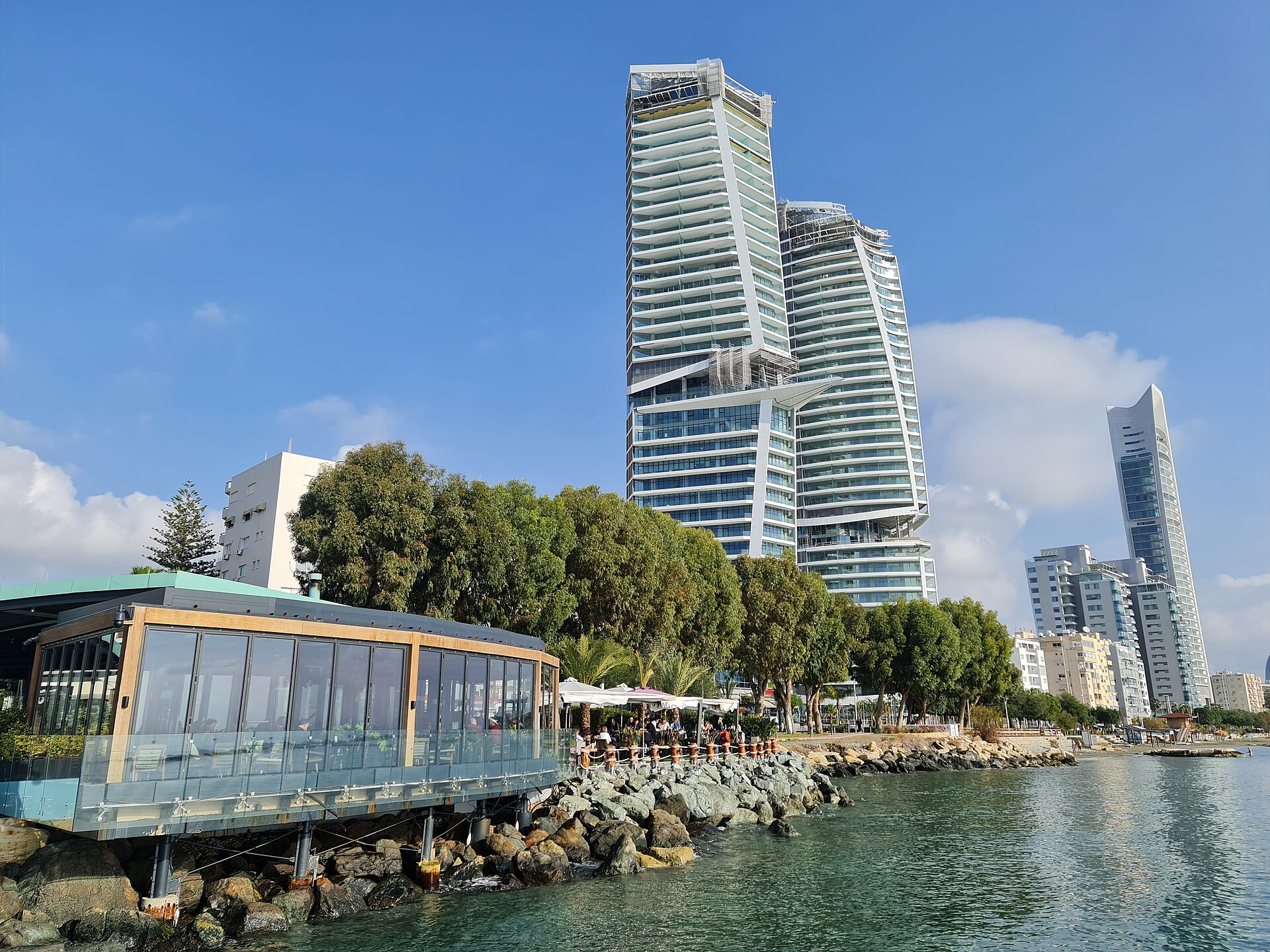
At the core of this transition lies the comprehensive revitalisation of the port and marina precinct, alongside the continuing remediation of the former petroleum storage zone along the northern waterfront. Where other regional destinations prioritised rapid high-density towers, Larnaca has opted for horizontal balance and low-impact coastal urbanism. Its immediate proximity to the island's primary international airport provides an operational frictionlessness that neither Nicosia nor the far reaches of Ayia Napa can replicate, making it an exceptionally convenient base for mobile European executives.
"Larnaca is not attempting to replicate the hyper-dense profile of neighbouring coastal hubs; its advantage lies in measured scale, heritage preservation, and sustainable yield dynamics."
Profiling the Modern Capital Inflow
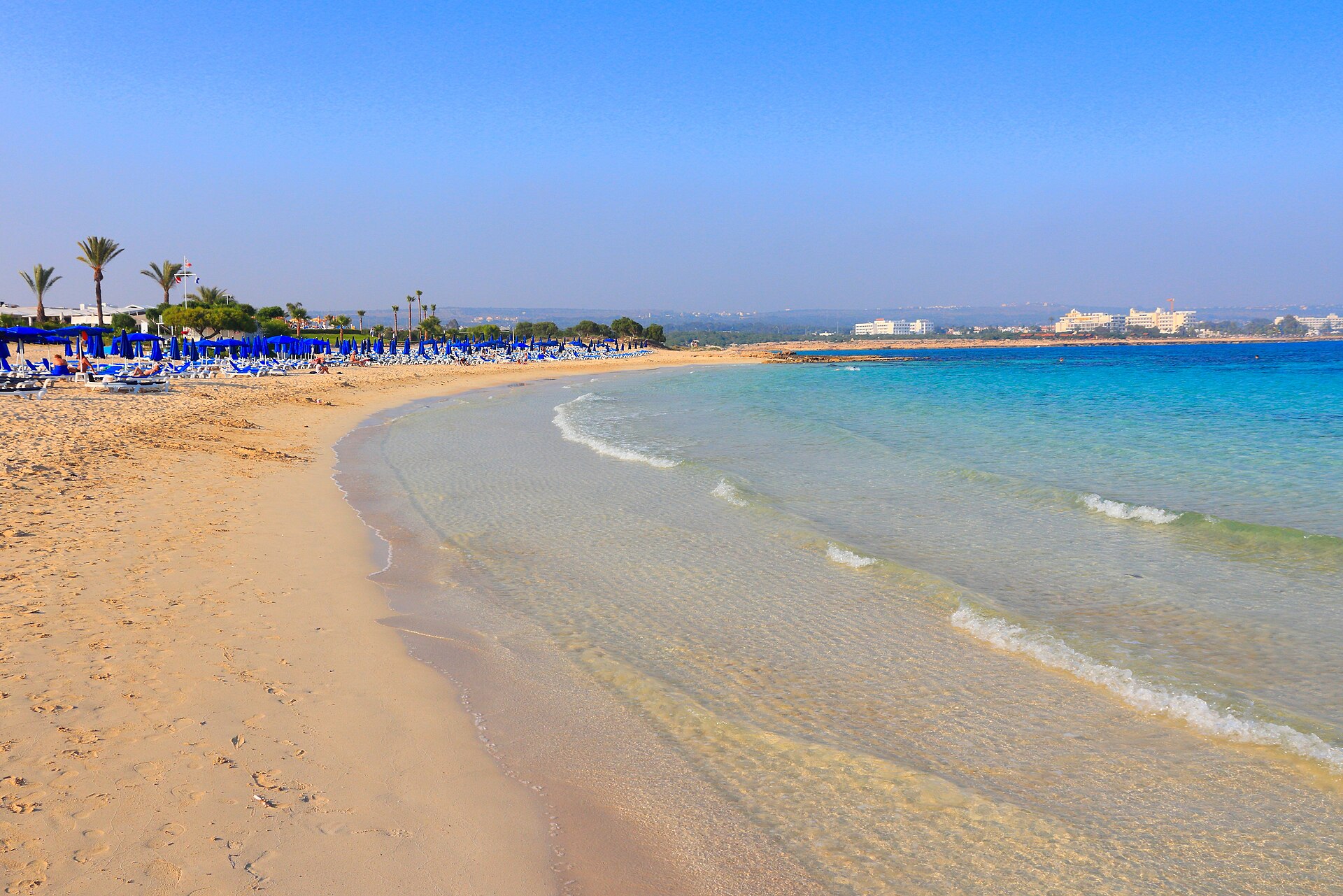
The demographic profile acquiring Larnaca property has shifted discernibly over the past twenty-four months. While historic demand was largely anchored by domestic holidaymakers and regional purchasers, the current cohort is defined by Northern European entrepreneurs, family offices, and tech sector founders establishing long-term tax residencies. These buyers place a high premium on historic stone properties within the atmospheric Saint Lazarus quarter, low-density beachfront estates in Pervolia, and refined boutique developments along the Mackenzie shoreline.
- Unrivalled air connectivity via the island's principal aviation hub, facilitating seamless regional transit
- Accessible entry valuations compared to the mature prime segments of Limassol and coastal Ayia Napa
- Substantial capital appreciation upside driven by long-term coastal master plans and refinery land redevelopment
- A balanced municipal lifestyle that integrates international schooling with authentic civic character
Strategic Value in the Cyprus Investment Landscape
From a wider portfolio perspective, high-net-worth Cyprus investment strategies are maturing beyond single-city concentration. While Nicosia retains its institutional primacy and Limassol commands institutional corporate headquarters, Larnaca sits strategically between them as a versatile residential and lifestyle nexus. The entry pricing per square metre remains notably defensive, allowing acquirers to secure waterfront proximity with superior yield profiles and transparent liquidity.
The Forward Horizon
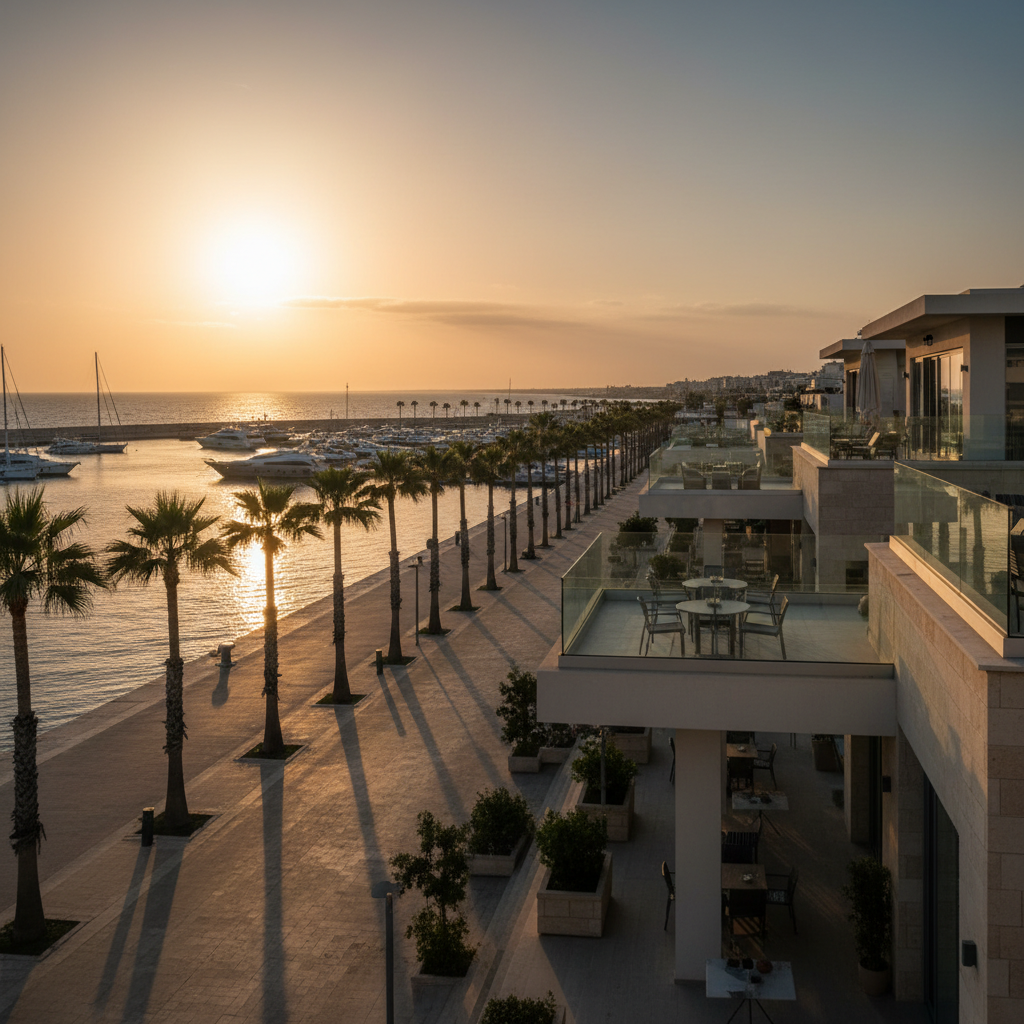
Looking ahead, the city's measured cadence is proving to be its greatest competitive asset in an increasingly noisy Mediterranean property market. By resisting uncurated speculative building and curating its municipal development around walkability and waterfront access, Larnaca is constructing durable value. For long-term investors, the current cycle offers an attractive entry window where strategic public planning and private capital have finally aligned.