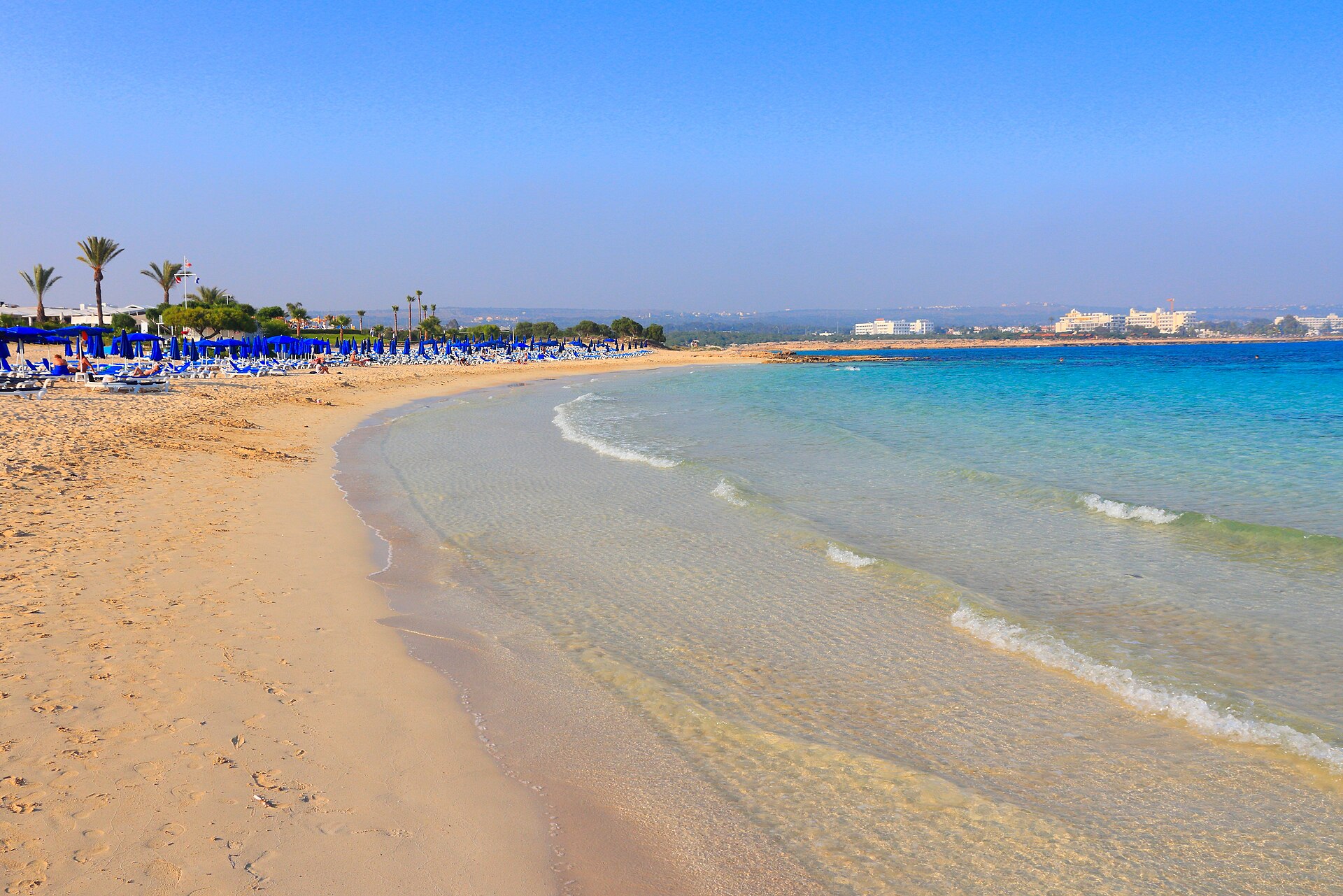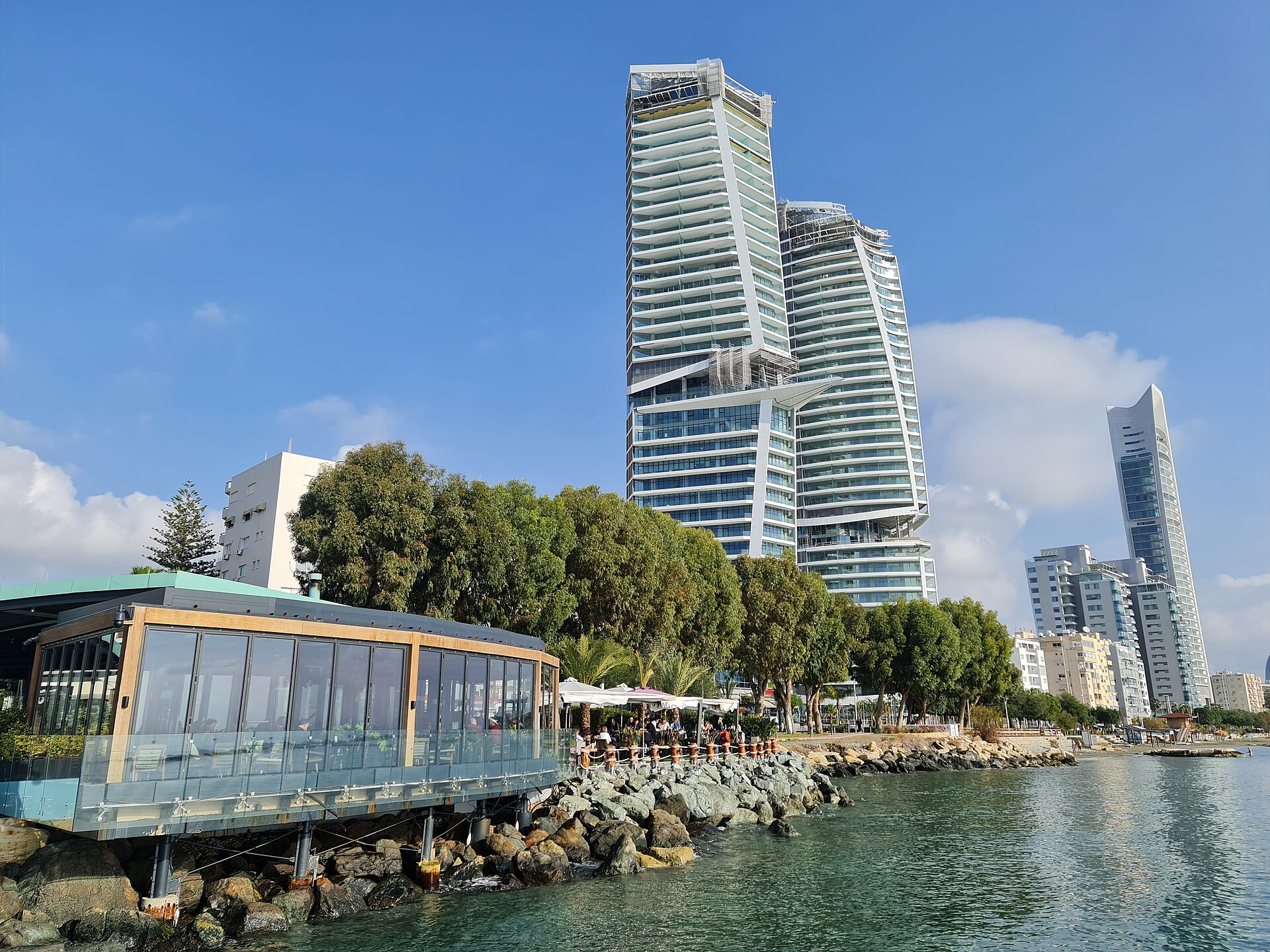
For over a decade, international capital entering the island gravitated decisively towards Limassol's high-rise waterfront and the secluded luxury villas of Paphos. Larnaca, by contrast, preserved a quieter cadence, often perceived primarily as the transit hub through which travellers arrived before journeying onward to Nicosia or Ayia Napa. Today, this hierarchy is undergoing a subtle yet profound recalibration. Discerning buyers are increasingly recognising the distinct advantages of a coastal city that balances comprehensive connectivity with a more authentic Mediterranean rhythm.
Infrastructure as a Catalyst for Structural Change
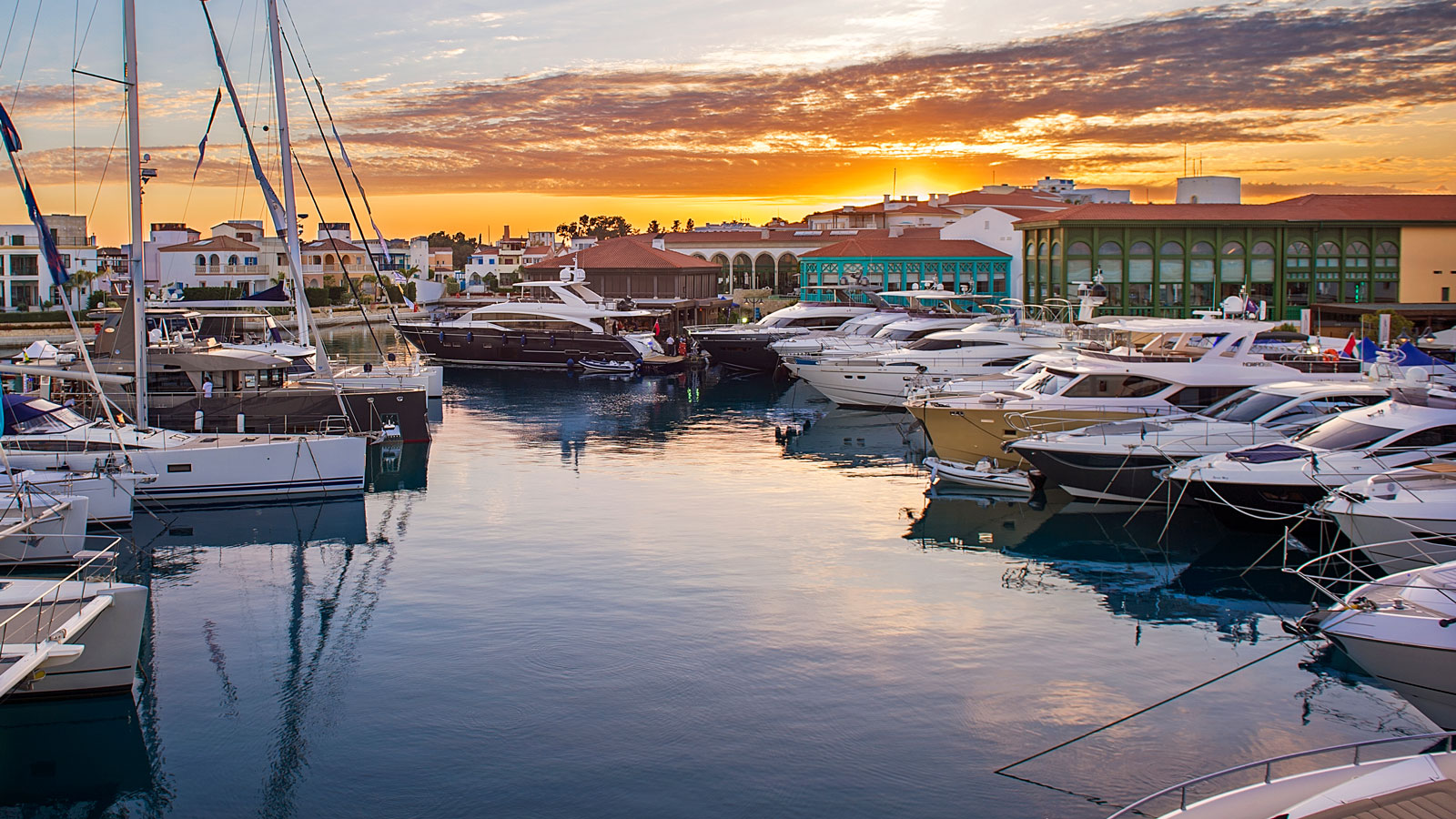
The catalyst behind this shift lies in an ambitious programme of infrastructure renewal and urban regeneration. The ongoing reimagining of the port and marina precinct, alongside the gradual transformation of the northern coastal front following the relocation of industrial fuel storage facilities, has unlocked vast swathes of prime sea-facing land. This land release represents one of the most substantial urban regeneration initiatives in the eastern Mediterranean, positioning Larnaca property not merely as a regional alternative, but as an institutional-grade investment frontier.
"Larnaca offers what mature markets often lose: the capacity for organic capital appreciation anchored by genuine municipal modernisation."
The Evolving Profile of the Mediterranean Investor
Unlike the speculative waves that defined earlier market cycles across Cyprus, current acquisition patterns in Larnaca reflect long-term capital preservation and lifestyle utility. Affluent European remote professionals, tech sector founders establishing regional bases, and Gulf-based families seek high-specification coastal residences situated within minutes of an international aviation hub. The accessibility factor is decisive; while Limassol demands an hour-long transit upon landing, a seaside apartment or villa in Larnaca enables an effortless transition between international travel and domestic routine.
Distinctive Advantages for Contemporary Portfolios
- Capital entry valuations that remain significantly competitive when benchmarked against equivalent prime frontage in Limassol or coastal Paphos.
- Unrivalled proximity to the island's principal international airport, offering immediate global connectivity for frequent cross-border travellers.
- A robust domestic rental market supported by multinational corporate relocations, academic institutions, and year-round urban vitality.
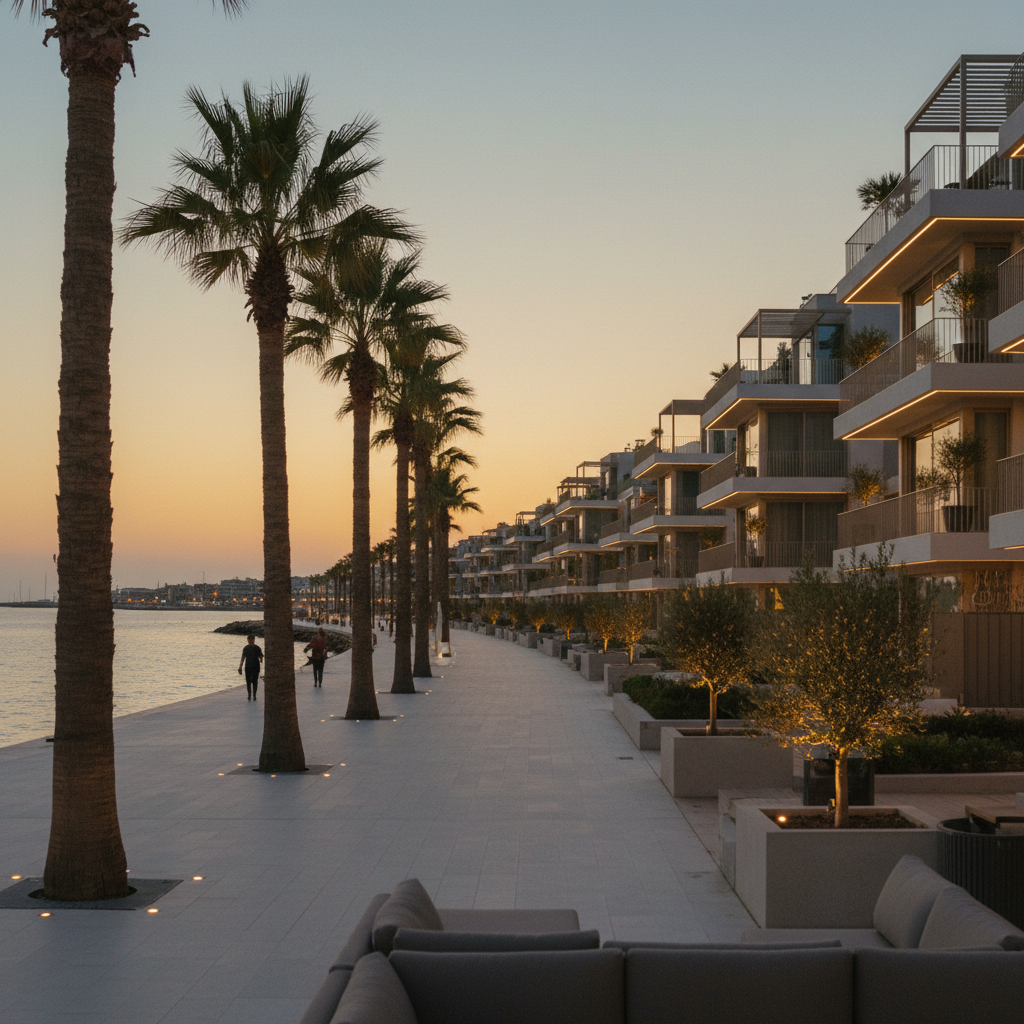
- Extensive municipal master-planning that deliberately avoids hyper-density in favour of low-to-mid-rise sustainable architecture.
Navigating the Market with Clear Perspectives
For those evaluating a Cyprus investment, due diligence must be applied to micro-locations and project execution timescales. Areas such as the historic Finikoudes promenade, the emerging port perimeter, and coastal pockets like Mackenzie and Livadia each exhibit distinct zoning characteristics and yield potentials. Investors should prioritise developments with established planning approvals, exceptional environmental performance credentials, and architectural schemes that respect the scale of the surrounding urban fabric.
The Long-Term Horizon
As Cyprus solidifies its role as an administrative, financial, and technological anchor in the region, Larnaca is well positioned to capture enduring value. The city's quiet rise is not a temporary anomaly, but a measured rebalancing of coastal prestige. For global buyers seeking an understated Mediterranean base that pairs strategic infrastructure with sustained liveability, Larnaca has firmly stepped out of the periphery and into focus.