The Mediterranean climate presents a distinct architectural paradox: intense southern illumination paired with mild winters, demanding an architectural vocabulary that works in close dialogue with its natural environment. For discerning international investors commissioning or acquiring private residences in Cyprus, the balance between vernacular heritage and contemporary minimalism has become a defining aesthetic benchmark. Modern villa design across coastal and hillside enclaves has evolved beyond generic glass boxes, returning instead to time-tested principles of thermal inertia, deliberate solar shading, and cross-ventilation.
Reinterpreting Vernacular Wisdom in Coastal Enclaves
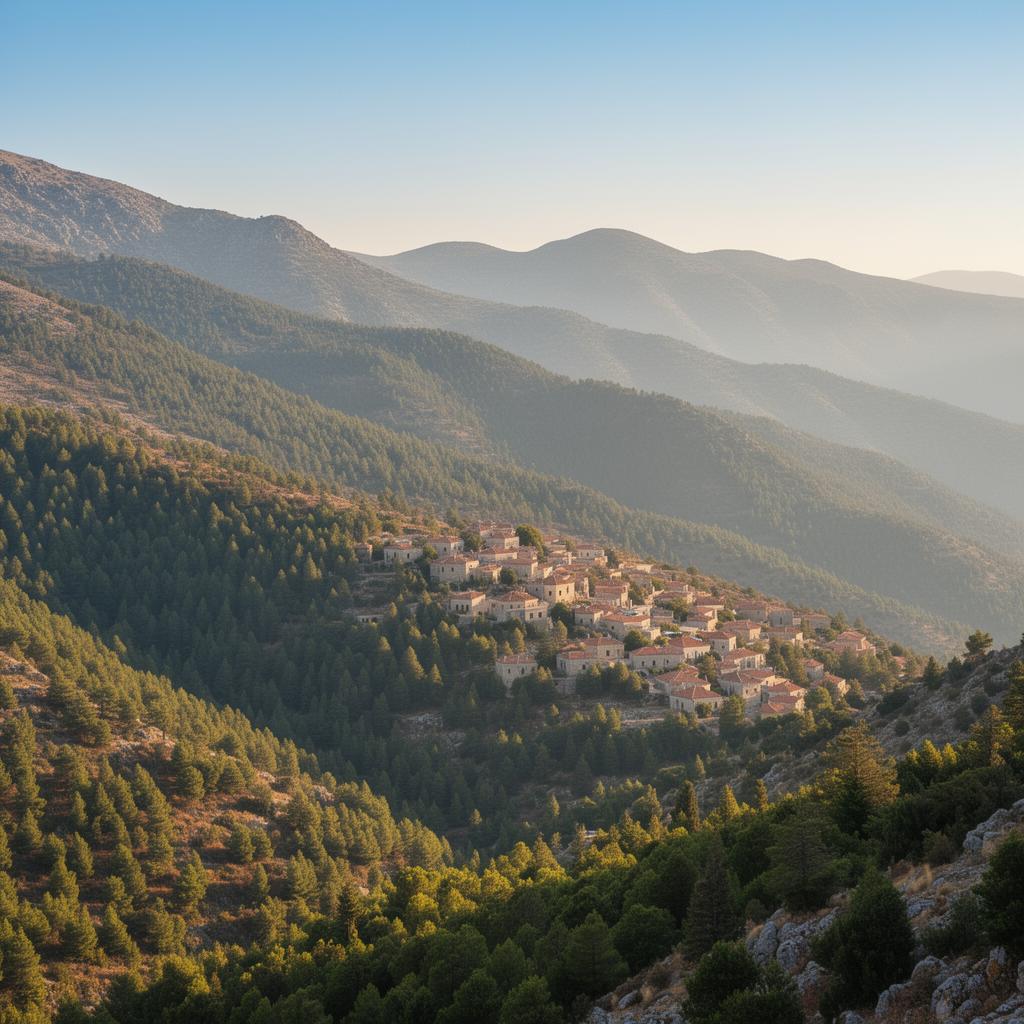
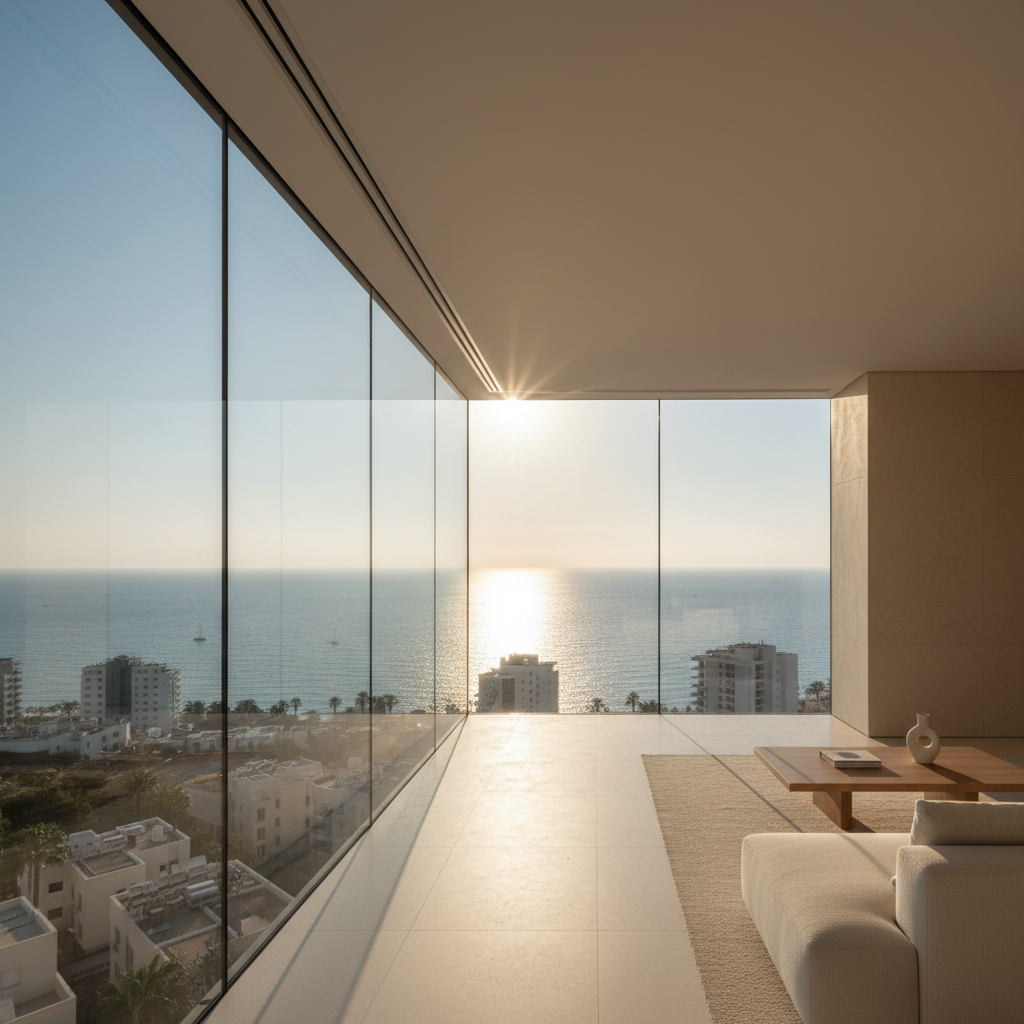
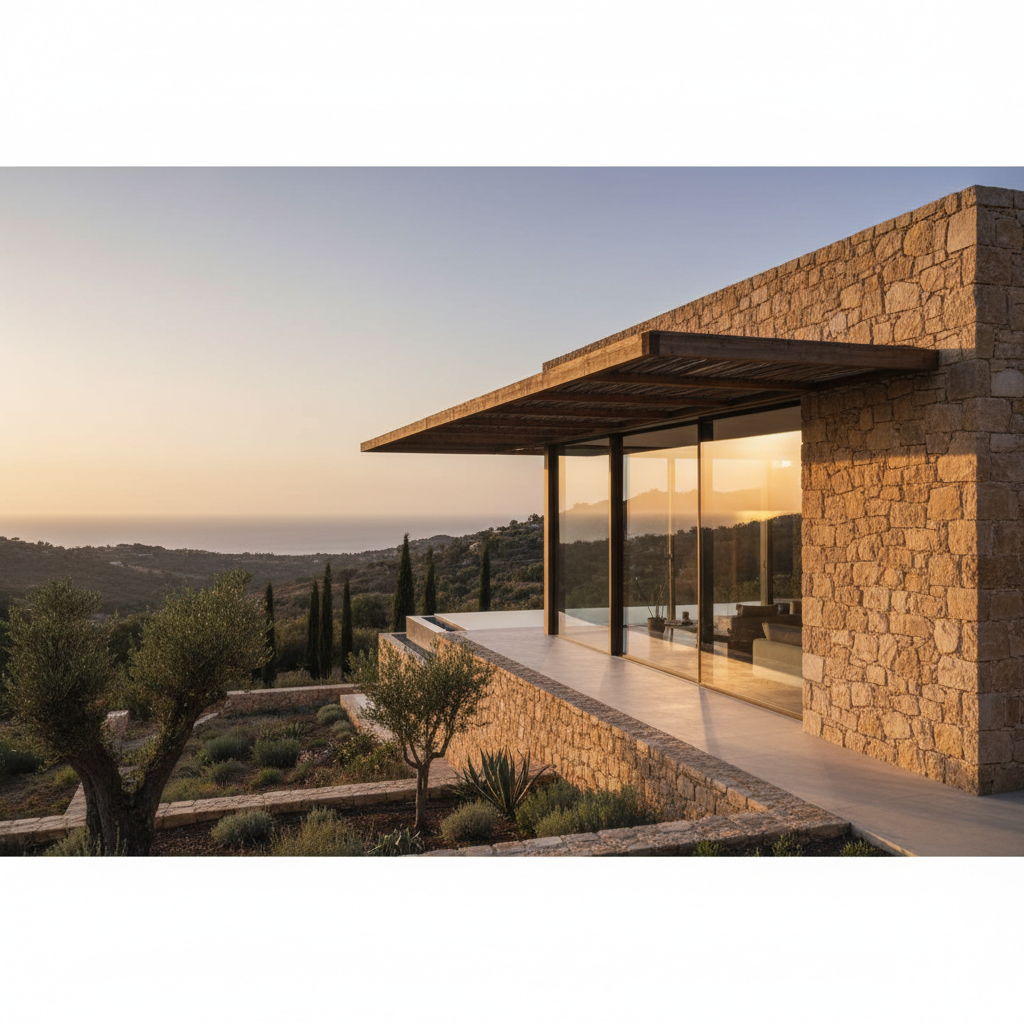
In hillside districts overlooking Limassol and peaceful coastal stretches near Paphos, leading architectural studios are deliberately departing from unshaded, high-emission glazing. While expansive apertures remain essential for framing panoramic sea horizons, unchecked solar gain rapidly overburdens mechanical cooling systems during midsummer peaks. Modern Mediterranean architecture in Cyprus increasingly champions deep covered loggias, cantilevered concrete canopies, and automated louvres crafted from anodised bronze or native timber. These interventions modulate harsh southern and western exposures, preserving unobstructed sea views while keeping interior living spaces naturally tempered.
"A truly luxurious Mediterranean residence is defined not by mechanical output, but by its capacity to maintain effortless thermal equilibrium through silent, passive craft."
Material Authenticity: The Resilience of Local Stone
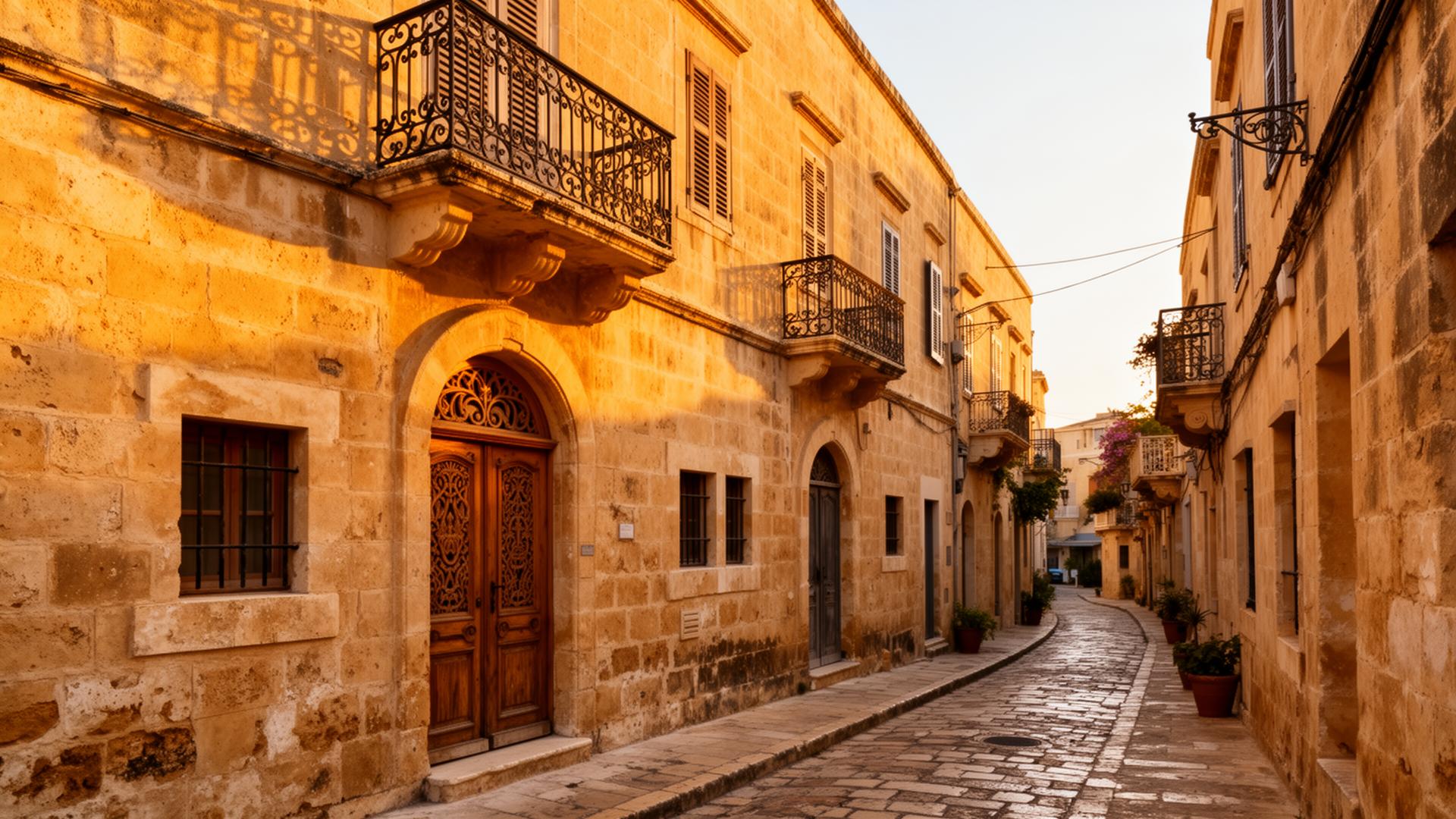
Material selection forms both the structural and aesthetic foundation of this design philosophy, with local sedimentary stone bridging classical masonry and sleek, planar geometry. From the soft ochre limestone quarried in the Larnaca hinterlands to dense grey stone from the foothills of the Troodos range, these elements provide substantial thermal mass. Thick stone spine walls absorb radiant daytime heat and release it gradually during cooler evening hours, dampening diurnal temperature swings. For prime residences in the capital, Nicosia, or on coastal bluffs near Ayia Napa, incorporating indigenous masonry grounds contemporary structures within the island's geological landscape while markedly reducing lifecycle carbon footprints.
Principles of Passive Airflow and Microclimate Engineering
- Strategic building orientation configured to channel prevailing south-westerly onshore sea breezes while sheltering terraces from dry inland winds.
- Internal landscaped courtyards and reflective water features that generate evaporative cooling through shaded, negative-pressure zones.
- Clerestory windows and double-height central galleries designed to draw up and evacuate warm air via passive stack ventilation.
- Deep structural brise-soleil pergolas and planted green roofs that insulate upper bedroom suites from direct overhead radiation.
Beyond structural mass and airflow, considered landscape architecture plays an indispensable role in moderating microclimates around private estates. Drought-hardy flora such as mature olive trees, carob, and cypress demand minimal irrigation while creating natural canopy cover that suppresses ambient surface heat. Positioning shallow reflection pools adjacent to north-facing verandas produces tangible temperature drops across adjoining living rooms, creating an intuitive transition between interior spaces and outdoor entertaining terraces.
The Long-Term Horizon for Passive Luxury
As energy performance standards tighten across Europe, passive bioclimatic design has transitioned from an architectural ambition into an essential safeguard of prime asset value. International buyers increasingly recognise that exceptional Mediterranean architecture in Cyprus must deliver environmental intelligence alongside visual restraint. A private home conceived with calibrated shading, natural cross-ventilation, and authentic stone ensures lower operating demands, commanding enduring appeal and value in an evolving, sophisticated real estate market.