For decades, residential architecture across the Mediterranean oscillated between pastoral pastiche and glass-box modernism imported wholesale from cooler northern climates. In Cyprus, where intense sunlight and long summer seasons define daily existence, the limitations of unshaded glazing quickly became apparent. A more sophisticated architectural vernacular has emerged, prioritising climate-responsive planning over superficial aesthetics. Today, the island's most compelling private residences treat solar geometry and natural ventilation not as engineering constraints, but as the foundational elements of luxurious living.
The Resurgence of Climate-Responsive Architecture
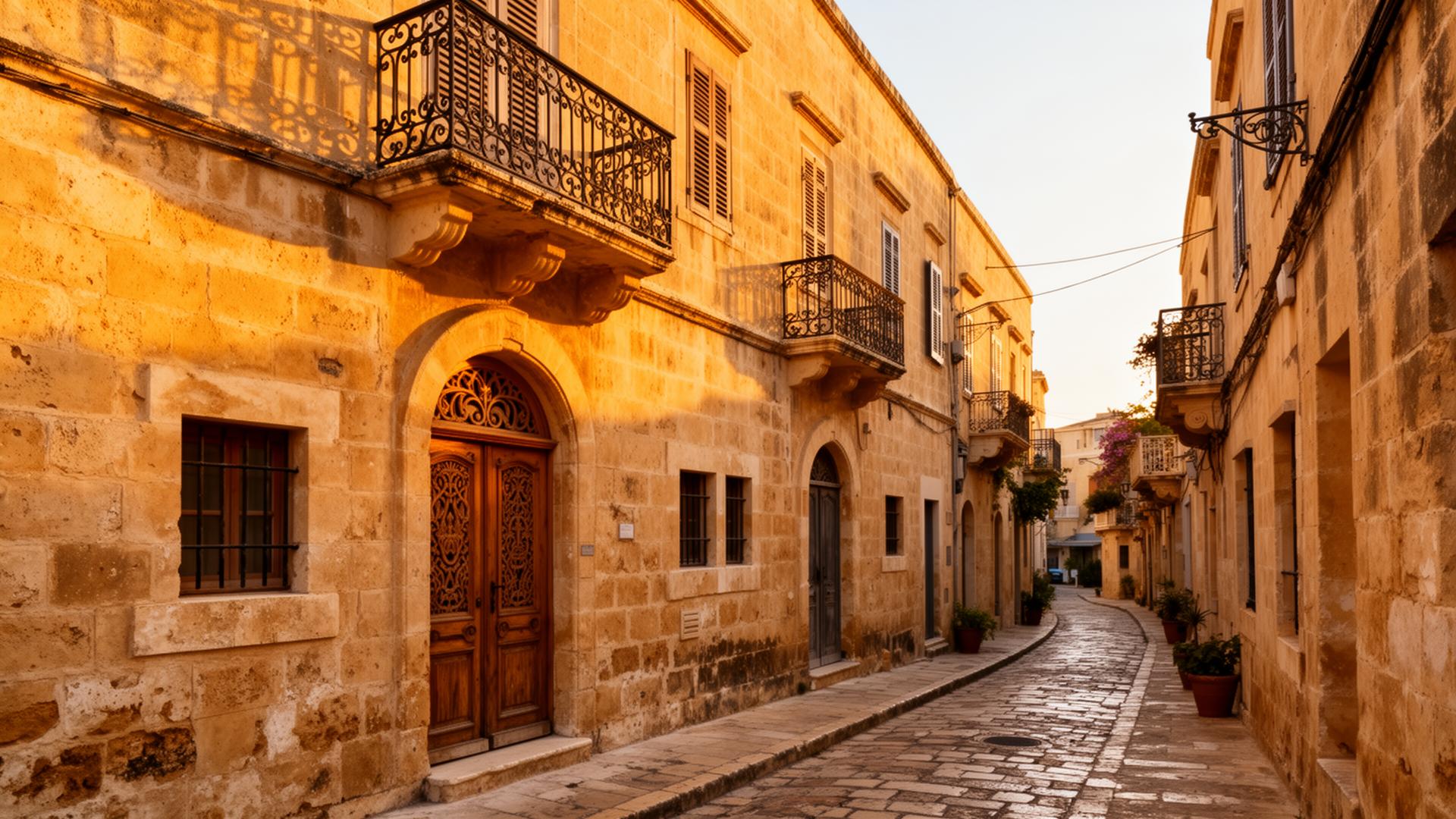
Discerning international buyers are driving a quiet shift in the prime property landscape across Limassol, Paphos, and Larnaca. Rather than demanding sealed envelopes dependent entirely on heavy mechanical cooling, homeowners increasingly seek spaces that breathe with the landscape. Modern Mediterranean architecture in Cyprus has begun to reconnect with the intuitive intelligence of vernacular village houses, which relied on thick masonry walls, sheltered internal courtyards, and narrow openings to temper the summer heat.
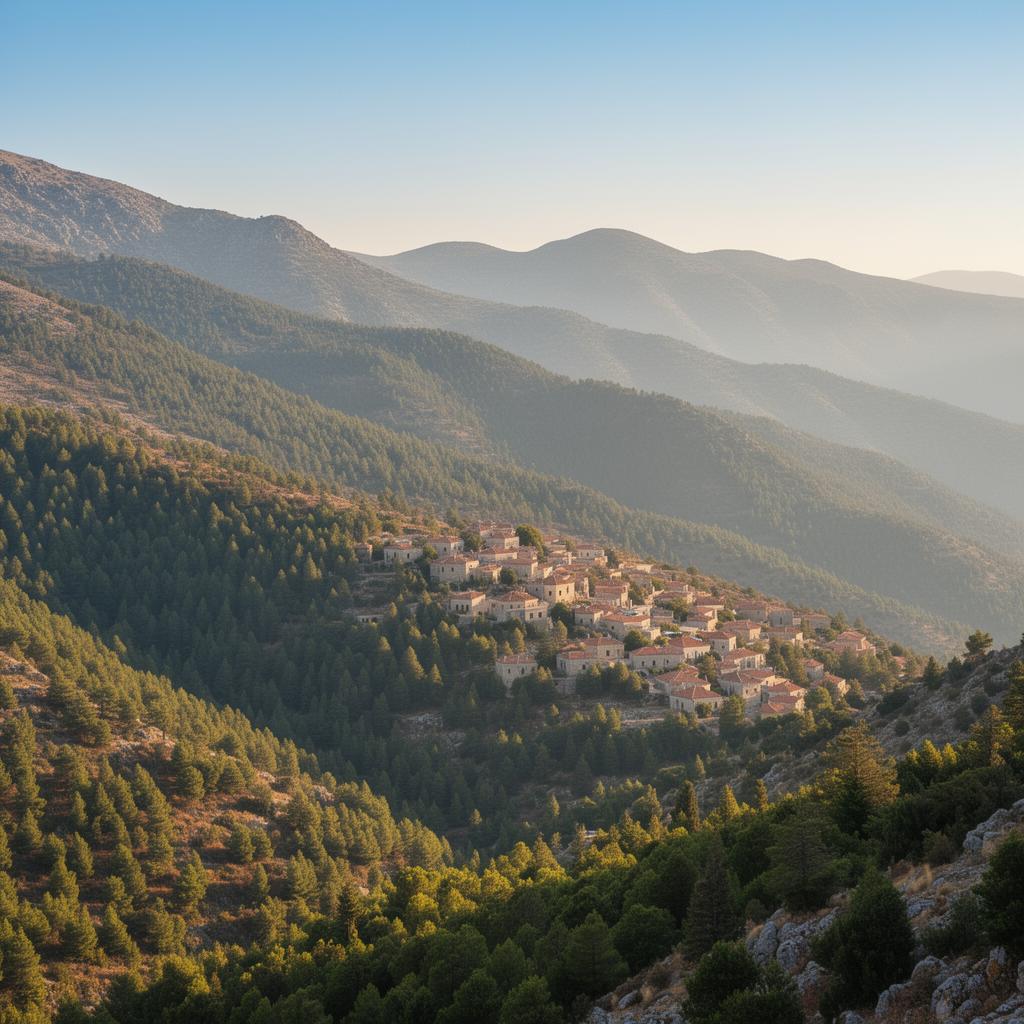
This architectural maturity is particularly visible in bespoke builds along the hillsides of Peyia and the foothills outside Limassol. By orienting primary volumes along the east-west axis and introducing deliberate structural shading, architects can dramatise the movement of natural light while entirely eliminating harsh solar gain. The result is an understated elegance where shadow becomes a sculpted, tangible material within the interior palette.
Passive Shading and the Art of the Cross-Breeze
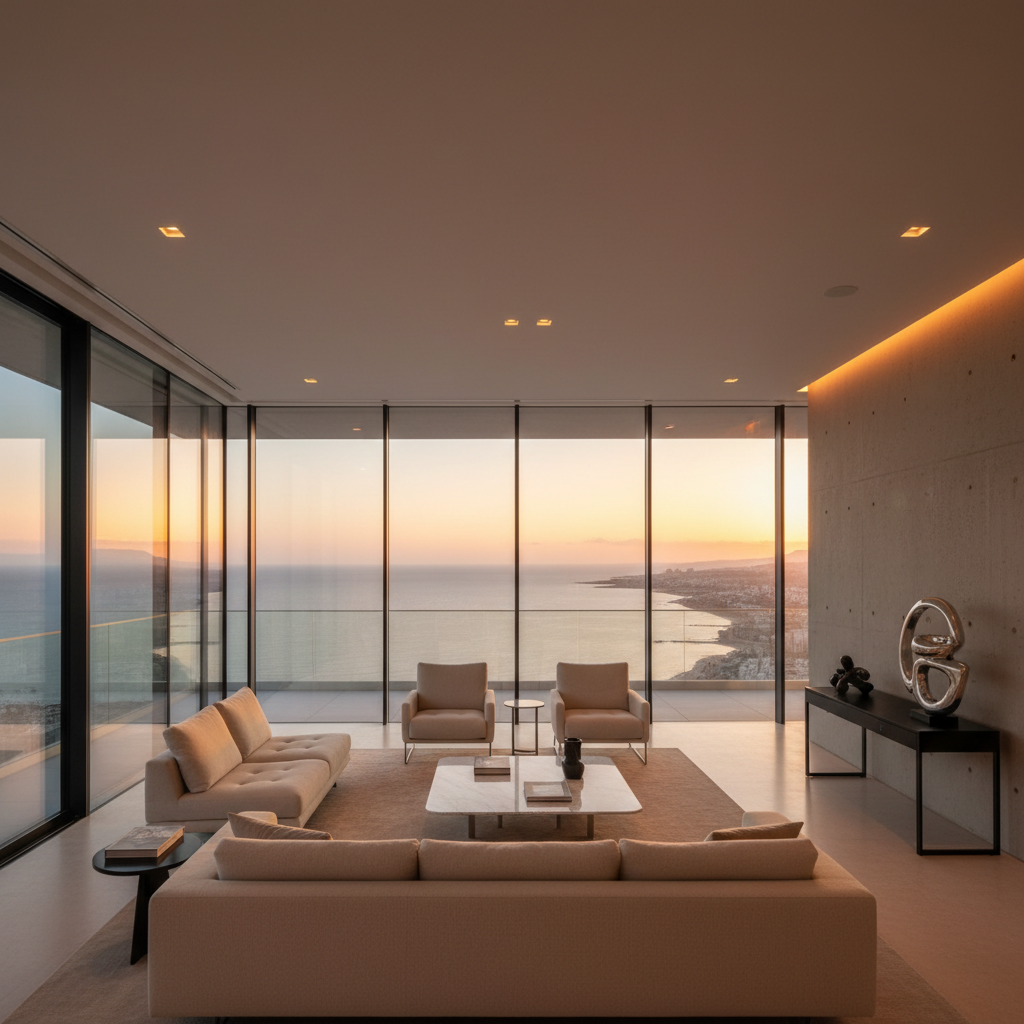
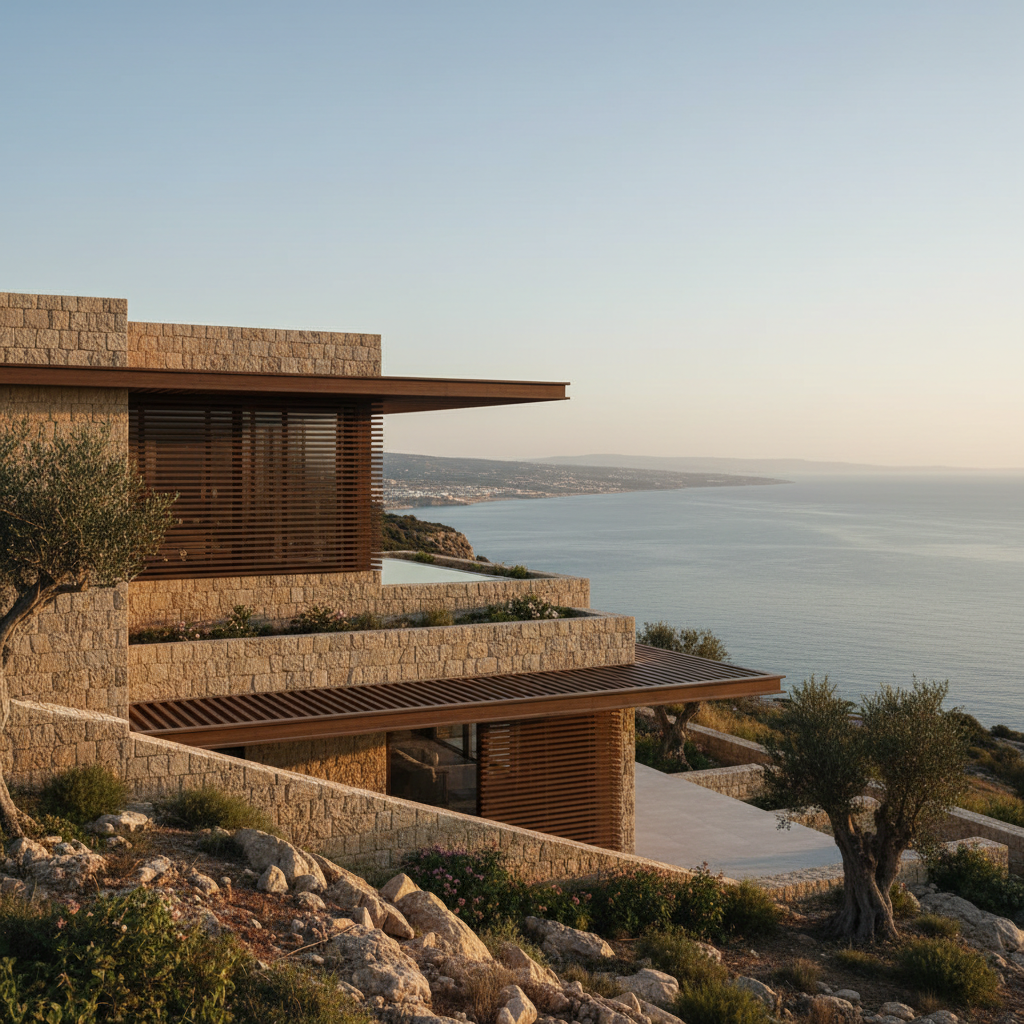
Contemporary villa design relies on a multi-layered defence against midday insolation. Deep cantilevers, automated timber louvres, and perforated concrete screens allow interiors to remain visually open to the sea while shielding glass surfaces from direct UV exposure. In coastal zones from Larnaca to Ayia Napa, where afternoon sea breezes are predictable and consistent, architectural layouts are deliberately configured to pull air through the dwelling, replacing stagnant warm air naturally.
- Deep horizontal overhangs calculated precisely to admit low winter sun while blocking the high summer zenith.
- Slender building footprints that enable true cross-ventilation between windward and leeward elevations.
- Perforated timber and aluminium brise-soleil that soften glare without compromising panoramic coastal horizons.
- Central planted courtyards that act as thermal chimneys, drawing cool air upward through private quarters.
"True luxury in Mediterranean residential design is not measured by the capacity of an air conditioning unit, but by the effortless equilibrium maintained between indoor sanctuary and ambient climate."
Local Stone as Thermal Mass and Aesthetic Anchor
Beyond shading devices, the material fabric of the building determines its interior comfort. The integration of local sedimentary limestone, sourced from regional quarries near Tochni or the Paphos hinterland, provides substantial thermal mass. These dense stone elements absorb ambient heat throughout the day and gently release it during cooler night hours, stabilising indoor temperatures without electrical intervention.
When contrasted against crisp fair-faced concrete, warm bronze metalwork, and native olive groves, rough-hewn stone roots a contemporary villa into its Mediterranean topography. In inland settings such as Nicosia, where diurnal temperature variations are pronounced, this thermal buffering is essential for genuine acoustic and climatic stillness.
An Enduring Outlook for Coastal Residential Assets
As environmental regulations tighten and institutional sustainability standards filter into private development, properties designed with passive principles will retain their commercial and lifestyle appeal far longer than their unshaded counterparts. A villa that works harmoniously with the Cyprus climate costs less to operate, maintains a higher level of sensory comfort, and ages gracefully under the Mediterranean sun. For high-net-worth investors, choosing thoughtful architecture is no longer merely an aesthetic exercise, but a calculated commitment to lasting asset resilience.