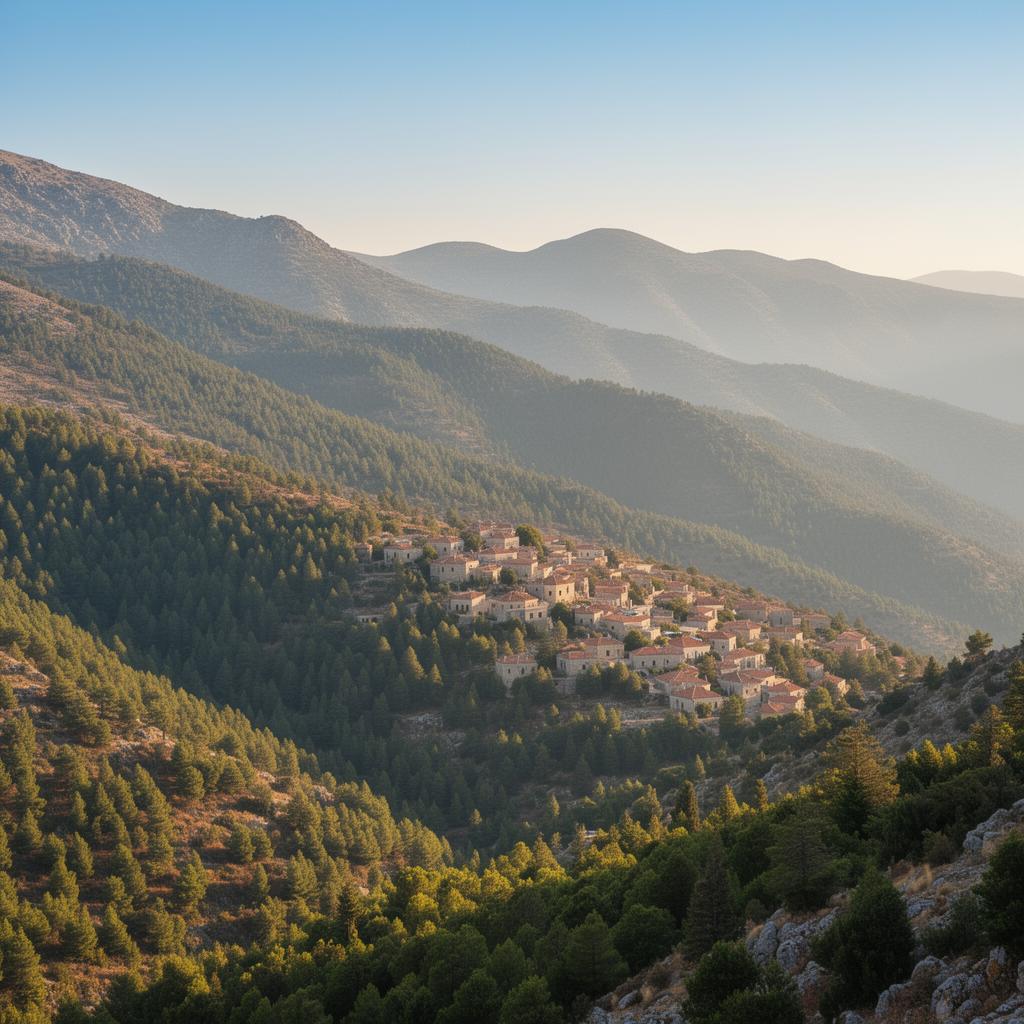
For several decades, high-end residential architecture across the eastern Mediterranean leaned heavily on northern European tropes. Sleek, unshaded glass boxes and stark white render became ubiquitous, relying almost exclusively on powerful mechanical cooling to counteract the intense Levantine sun. Today, a pronounced shift is reshaping the island's landscape, as architects and discerning homeowners return to the vernacular intelligence that defined traditional Cypriot settlements for centuries.
The Shift Toward Climate-Responsive Architecture
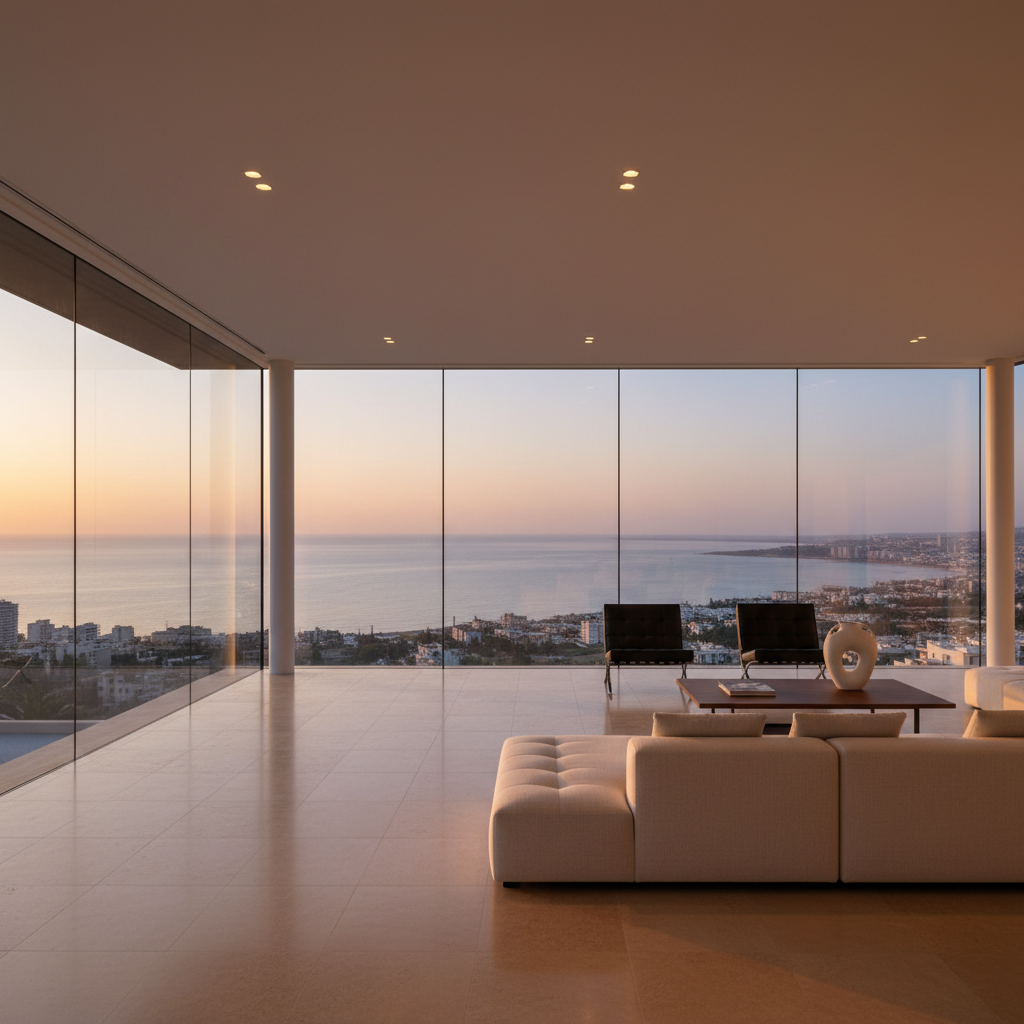
The resurgence of authentic Mediterranean architecture in Cyprus reflects both environmental pragmatism and an elevated design sensibility. In coastal settings such as Limassol and Paphos, prolonged summer heat combined with high humidity exposes the limitations of fully glazed facades. Rather than isolating occupants within sealed, air-conditioned chambers, contemporary villa design seeks to blur the boundary between indoors and outdoors, choreographing natural airflow and ambient light to maintain comfort organically.
Shading, Cantilevers, and the Modern Loggia
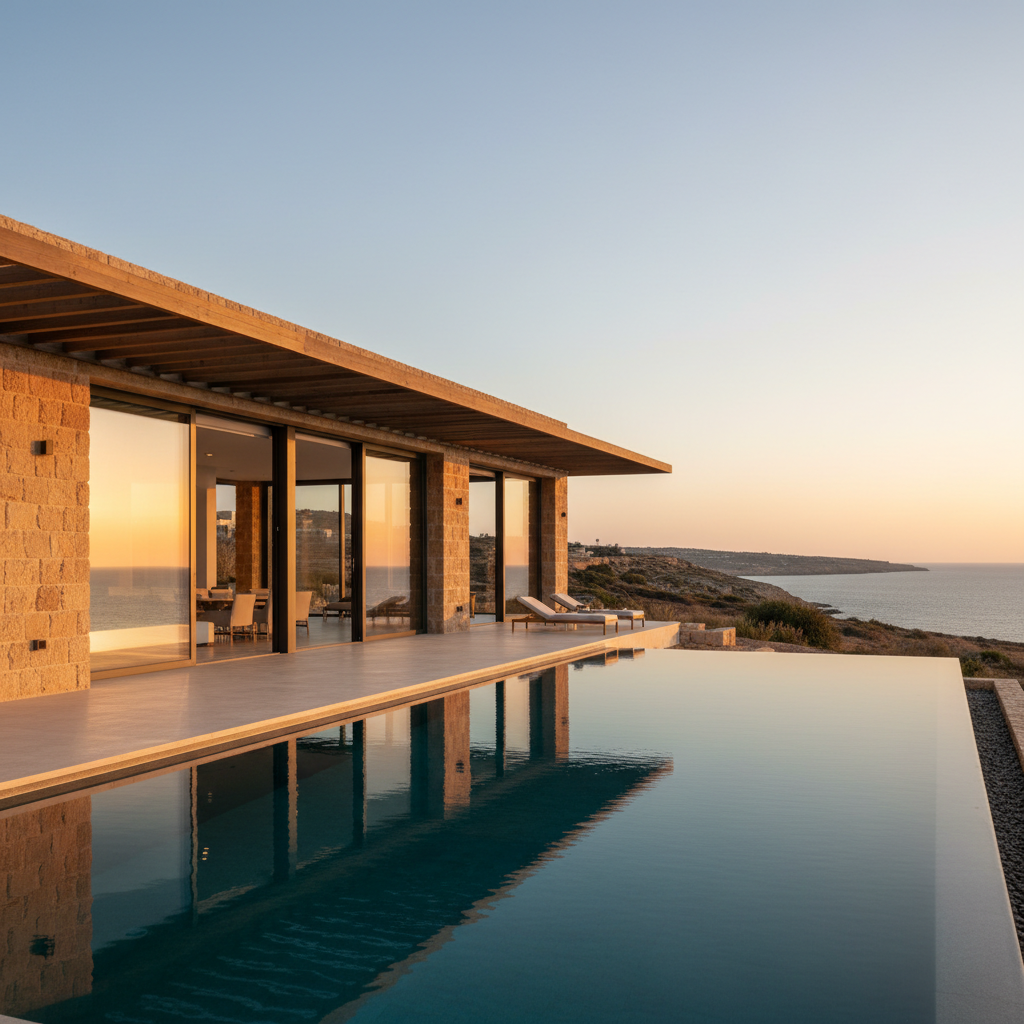
Solar mitigation is the fundamental starting point of intelligent villa architecture in this climate. Architects are moving away from surface-mounted blinds in favour of structural overhangs, deep loggias, and timber brise-soleil screens that block high summer sun while welcoming low winter light. In hillside properties near Larnaca and elevated enclaves overlooking Ayia Napa, these extended rooflines double as generous transitional rooms, allowing residents to dine, read, and converse outdoors even during the height of July afternoons.
"True architectural luxury in the eastern Mediterranean is never mechanical force; it is the quiet, effortless mastery of breeze and shade."
The Thermal Authority of Native Stone
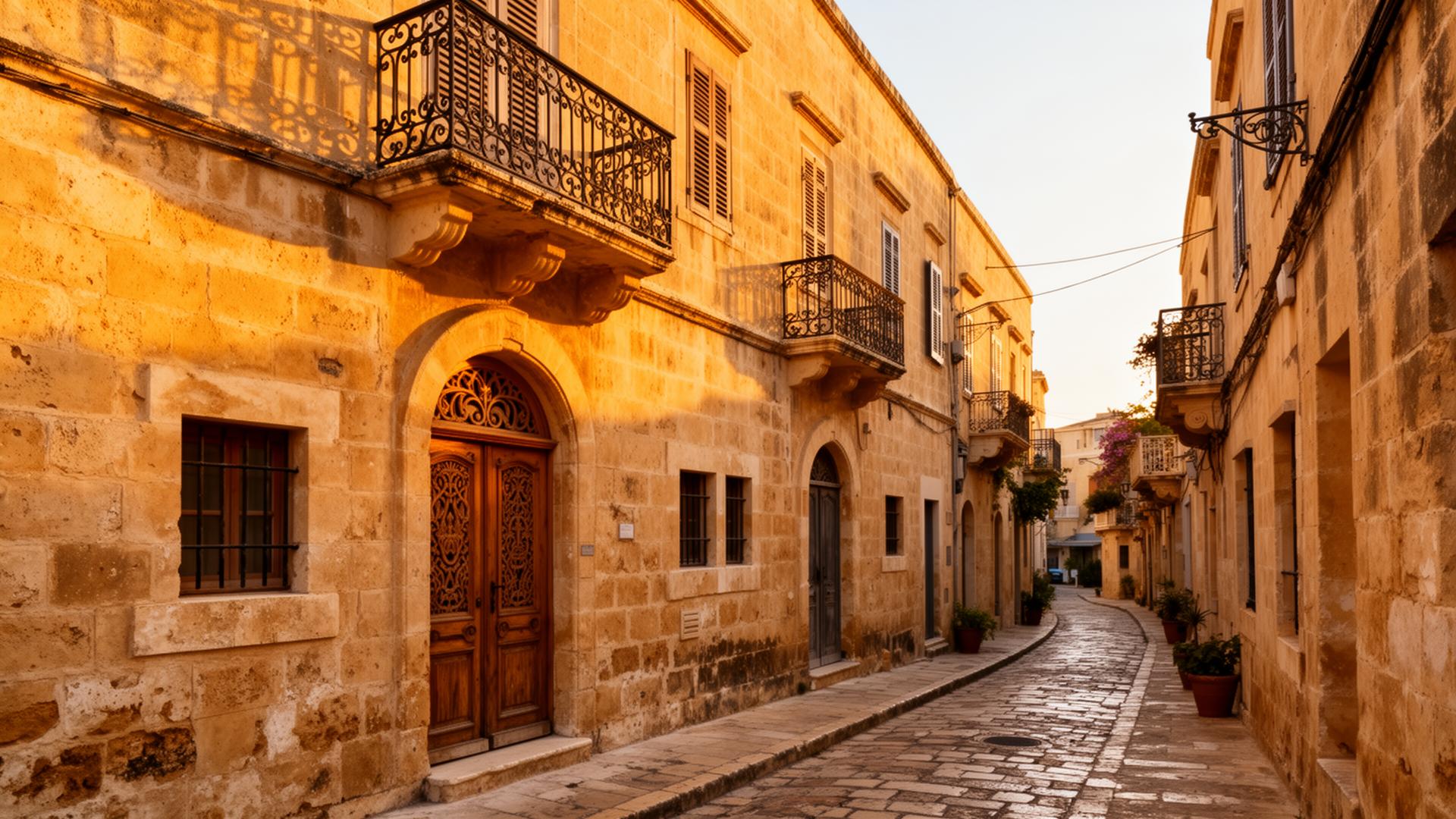
Local stone has returned as a structural and aesthetic anchor in prime residential development. Traditional Cyprus limestone, quarried around Tochni and the foothills of the Troodos range, possesses exceptional thermal mass properties that modern cavity construction alone cannot replicate. By absorbing daytime heat and slowly radiating warmth during cooler desert-like nights—particularly evident in inland plains around Nicosia—stone walls soften the daily thermal shock on the home’s interior envelope.
- Deep covered verandas that act as thermal buffer zones between interior living areas and exterior gardens.
- Dual-aspect glazing positioned specifically to capture prevailing south-westerly maritime breezes.
- Dry-stacked or dressed local limestone cladding providing dense thermal inertia against intense solar gain.
- Courtyard configurations that integrate reflective water features and native flora to promote evaporative cooling.
Investment Longevity and Practical Considerations
For international purchasers, commissioning or acquiring a villa that respects regional climate dynamics offers substantial financial and experiential dividends. Homes designed around passive ventilation and masonry thermal storage exhibit significantly lower annual operating expenditures, avoiding the excessive wear and tear common to hard-driven mechanical systems. Furthermore, natural materials like textured limestone, oiled timber, and lime wash age gracefully under ultraviolet light, requiring far less cosmetic intervention than plain painted stucco.
The Future of Coastal Luxury
As the prime Cyprus property market matures, sophistication is no longer measured by sheer square meterage or decorative excess. High-net-worth buyers now prioritise dwellings that demonstrate quiet environmental intelligence, site specificity, and timeless tactility. The evolution of Mediterranean villa design proves that modern elegance and vernacular wisdom are not competing philosophies, but essential partners in creating an enduring Mediterranean sanctuary.