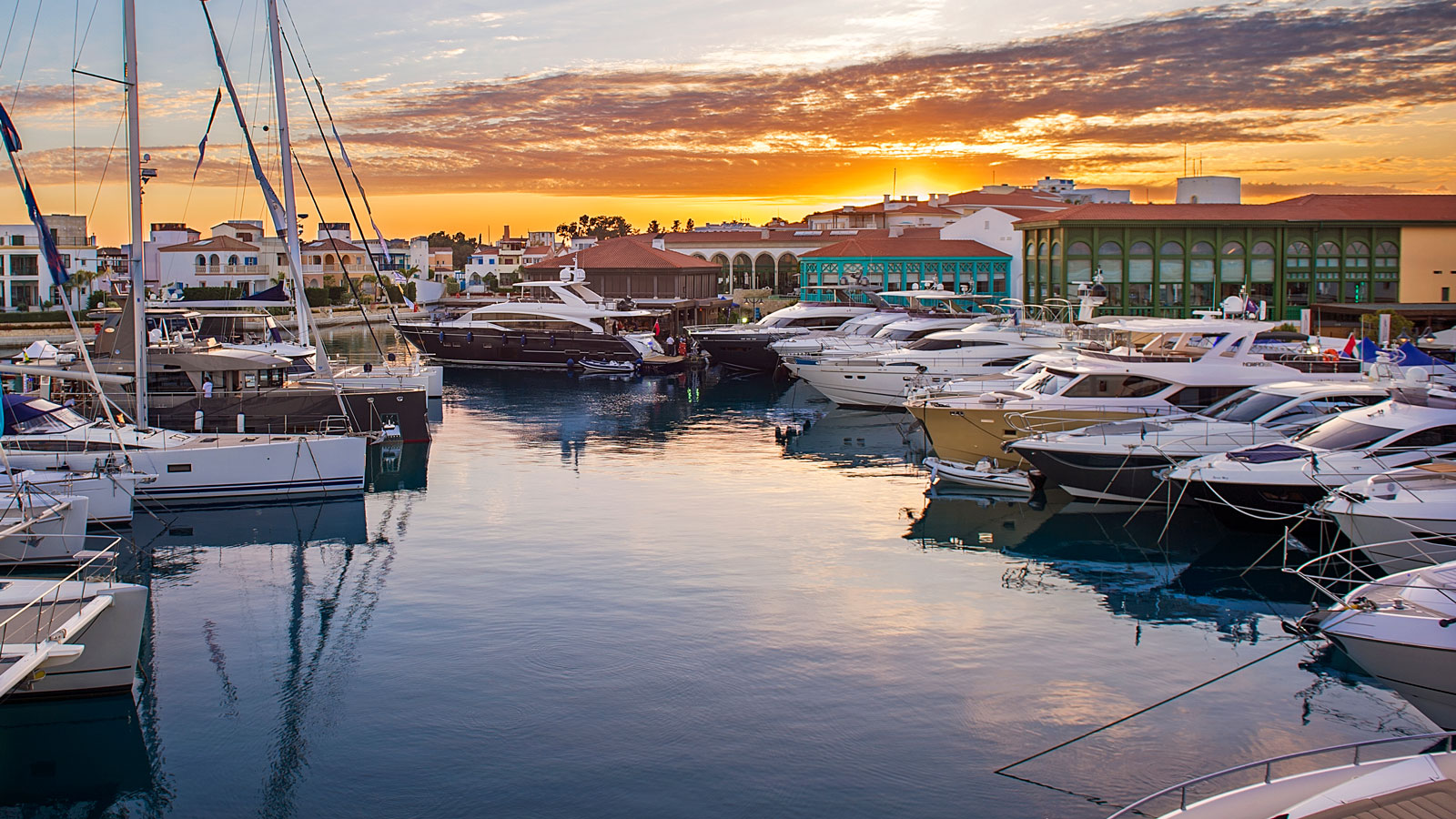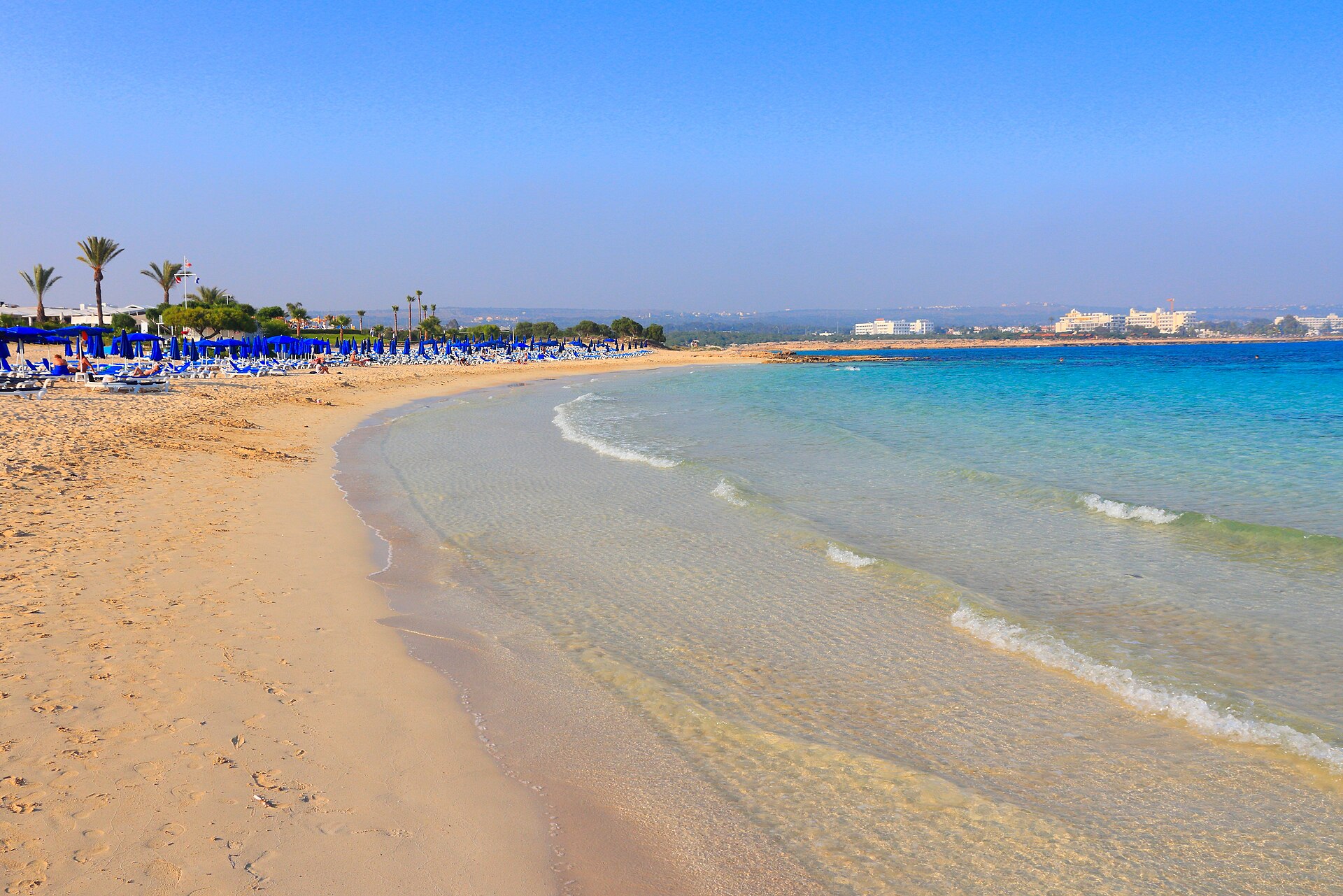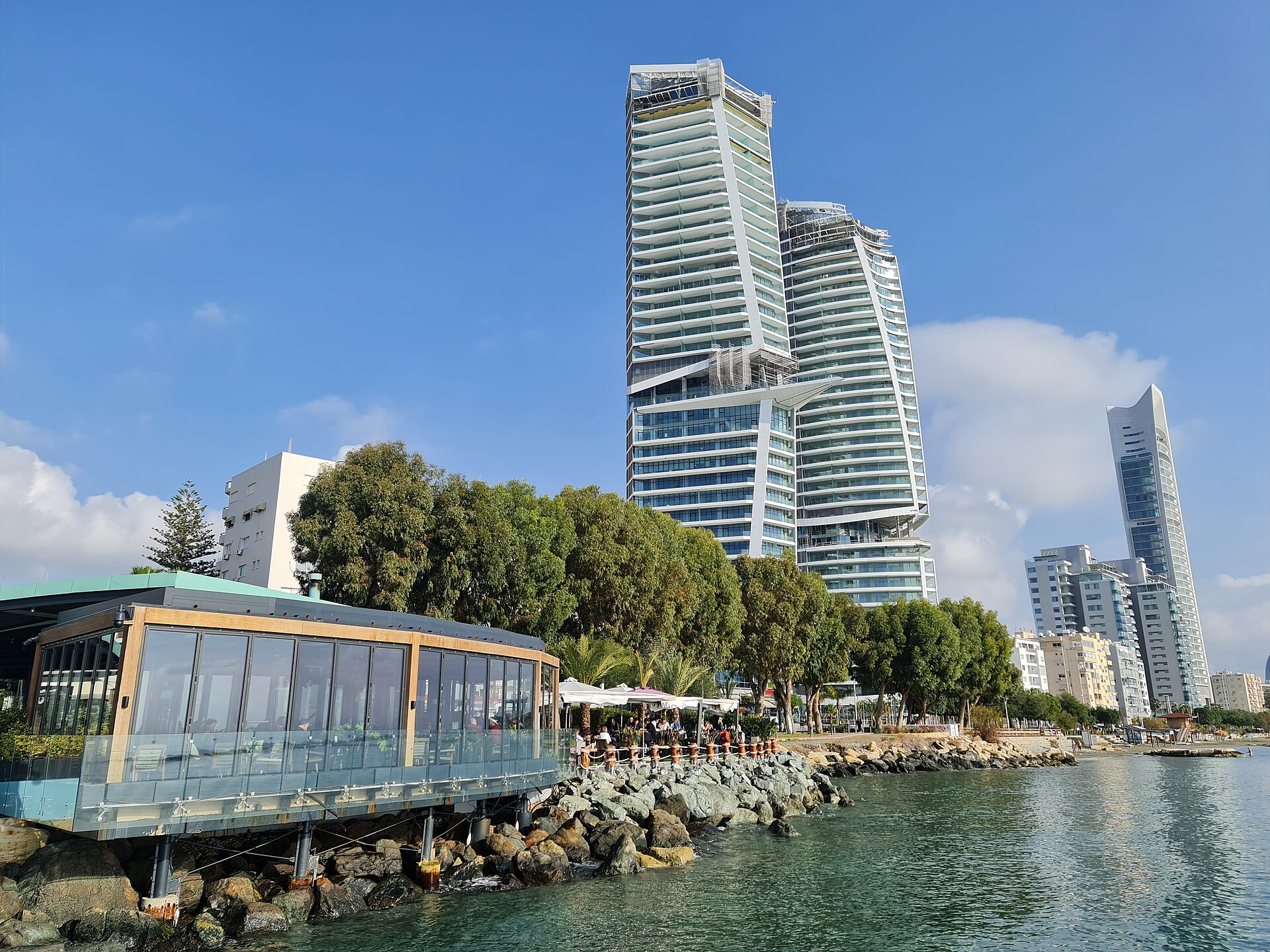
For the better part of a decade, international private capital flowing into Cyprus has maintained a distinct geographic bias. The dramatic high-rise skylines of Limassol, the coastal villas of Paphos, and the expanding marina districts of Larnaca and Ayia Napa have absorbed substantial foreign direct investment. Yet, away from the coastal leisure corridors, Nicosia continues to cultivate an environment of sustained institutional and domestic wealth that merits deliberate scrutiny from sophisticated buyers.
The Structural Divergence Between Coast and Capital
The fundamental difference between Cyprus capital real estate and coastal offerings lies in market composition. Coastal micro-markets depend predominantly on international demand, lifestyle migration, and cross-border corporate relocation. By contrast, the capital represents the administrative, judicial, medical, and educational heartbeat of the island. Its housing dynamics are anchored by permanent, high-income domestic professionals, diplomatic delegations, and multinational management teams operating on three-to-five-year rotations.
This demographic bedrock shields prime residential assets from the cyclical fluctuations occasionally felt along the shoreline. Transactions in the capital are not predicated on summer holiday seasons or tourist tenancy models. Instead, prime Nicosia apartments command year-round occupancy, creating an asset class distinguished by predictable, long-tenure cash flows and exceptional capital retention.
Attributes of Contemporary Prime Developments
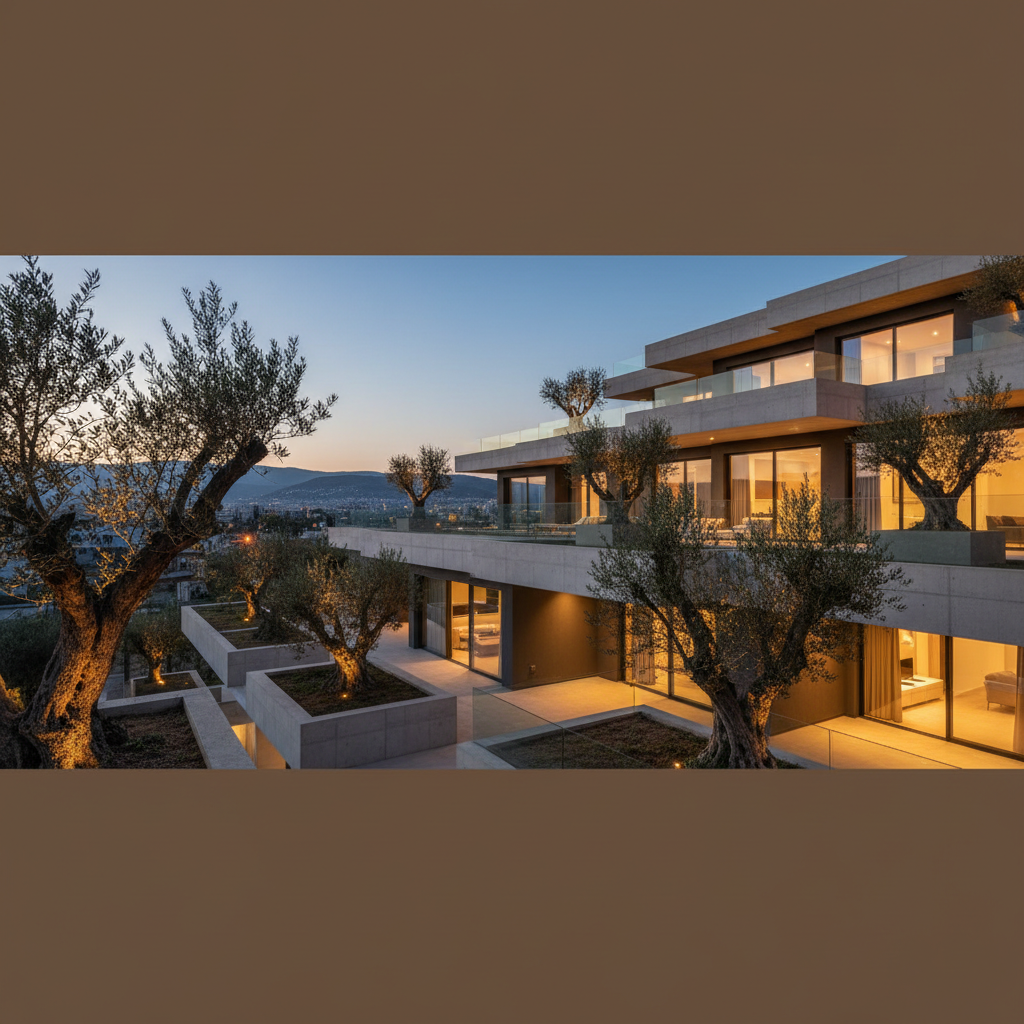
Architectural trends within the capital have pivoted away from expansive suburban villas towards refined, low-density boutique developments. The modern urban elite prioritises discreet contemporary design, acoustic privacy, and walking proximity to civic infrastructure over sprawling square footage on the periphery.
- Energy class A ratings featuring integrated photovoltaic arrays and advanced thermal envelopes.
- Low-density configurations typically restricted to six to ten residences per building.
- Deep, covered verandas designed to facilitate outdoor living throughout the Mediterranean autumn and spring.
- Secure subterranean parking infrastructure with integrated electric vehicle charging provisions.
- Strategic positioning within established enclaves such as Engomi, Acropolis, and Strovolos.
"Nicosia offers the rare luxury of liquidity underpinned by sovereign necessity rather than discretionary leisure spending."
Discreet Micro-Markets and Pricing Discrepancies
From an acquisition perspective, prime Nicosia apartments trade at an attractive pricing differential relative to beachfront counterparts in Limassol. Where top-tier coastal developments frequently command premium valuations driven by sea views, equivalent architectural specifications in Nicosia's prime addresses—such as the diplomatic belt of Engomi or the leafier quarters of Platy Aglantzias—remain notably grounded. Investors secure superior square metre values without sacrificing build quality or finish standard.
Furthermore, the capital's status as a regional medical and university hub sustains an appetite for upper-tier multi-bedroom apartments. Senior academics, medical consultants, and international institutional partners generate sustained demand for turnkey, serviced residential spaces, providing private landlords with gross rental yields that frequently outperform those of coastal secondary residences.
The Calibrated Outlook for International Buyers
For portfolio managers seeking balanced exposure across the Republic, overlooking the capital represents an incomplete thesis. While Limassol delivers undeniable international visibility and Larnaca presents emergent growth corridors, Nicosia remains the quiet centre of the island's economic sovereignty. Positioning capital within bespoke multi-family residences or prime individual apartments here yields defensive, high-calibre wealth preservation with minimal exposure to external sentiment.