The allure of Cyprus, with its sun-drenched landscapes and ancient heritage, continues to draw discerning international buyers seeking not merely a property, but a lifestyle. This pursuit often culminates in a desire for residences that harmonise with their surroundings, embodying both contemporary luxury and an inherent respect for the island's unique climate and architectural vernacular. Modern villa design in Cyprus is increasingly looking to the past, reinterpreting traditional Mediterranean principles of passive climate control and material authenticity to create homes that are as comfortable as they are visually striking.
Reinterpreting Mediterranean Architecture for Modern Living
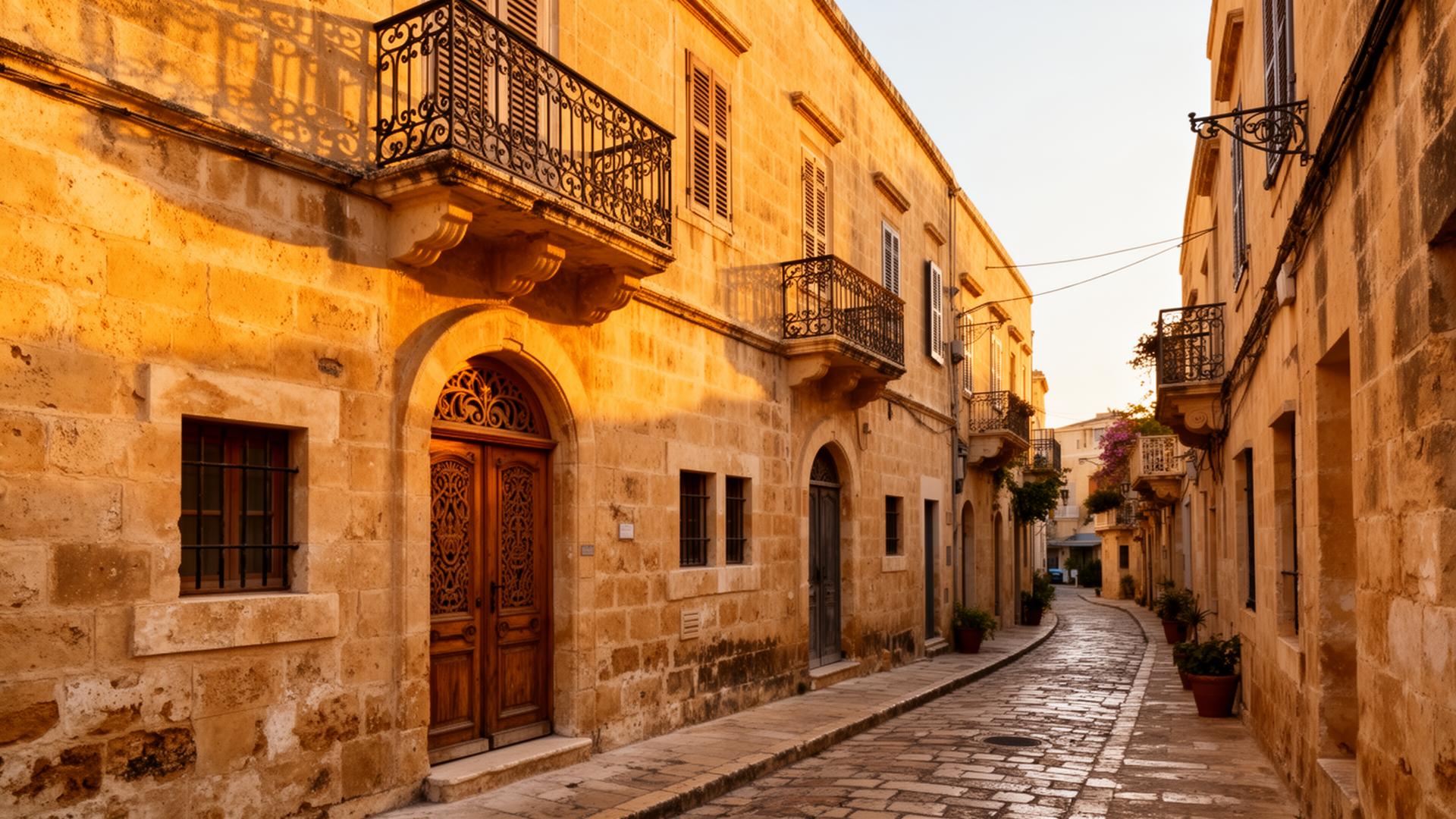
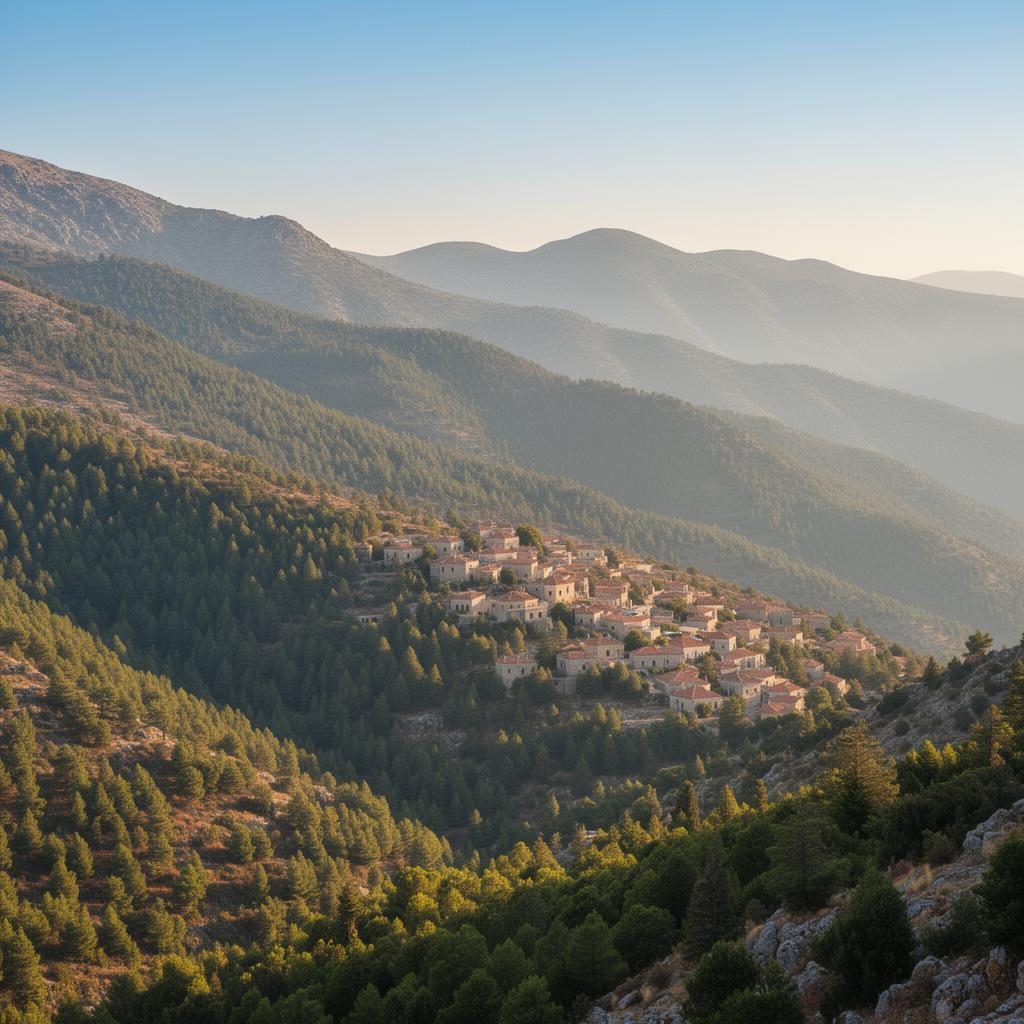
For centuries, dwellings across the Mediterranean, from the coastal towns of Paphos to the mountain villages near Nicosia, evolved in direct response to the heat and light of the region. Deep-set windows, thick walls, and shaded courtyards were not aesthetic choices but functional necessities. Today, with advancements in building technology and a heightened awareness of environmental impact, these time-tested strategies are being sophisticatedly integrated into contemporary design. The emphasis is on creating spaces that remain cool in the summer and capture warmth in the milder months, significantly reducing reliance on artificial climate control.
The Art of Shading: A Key to Cypriot Comfort
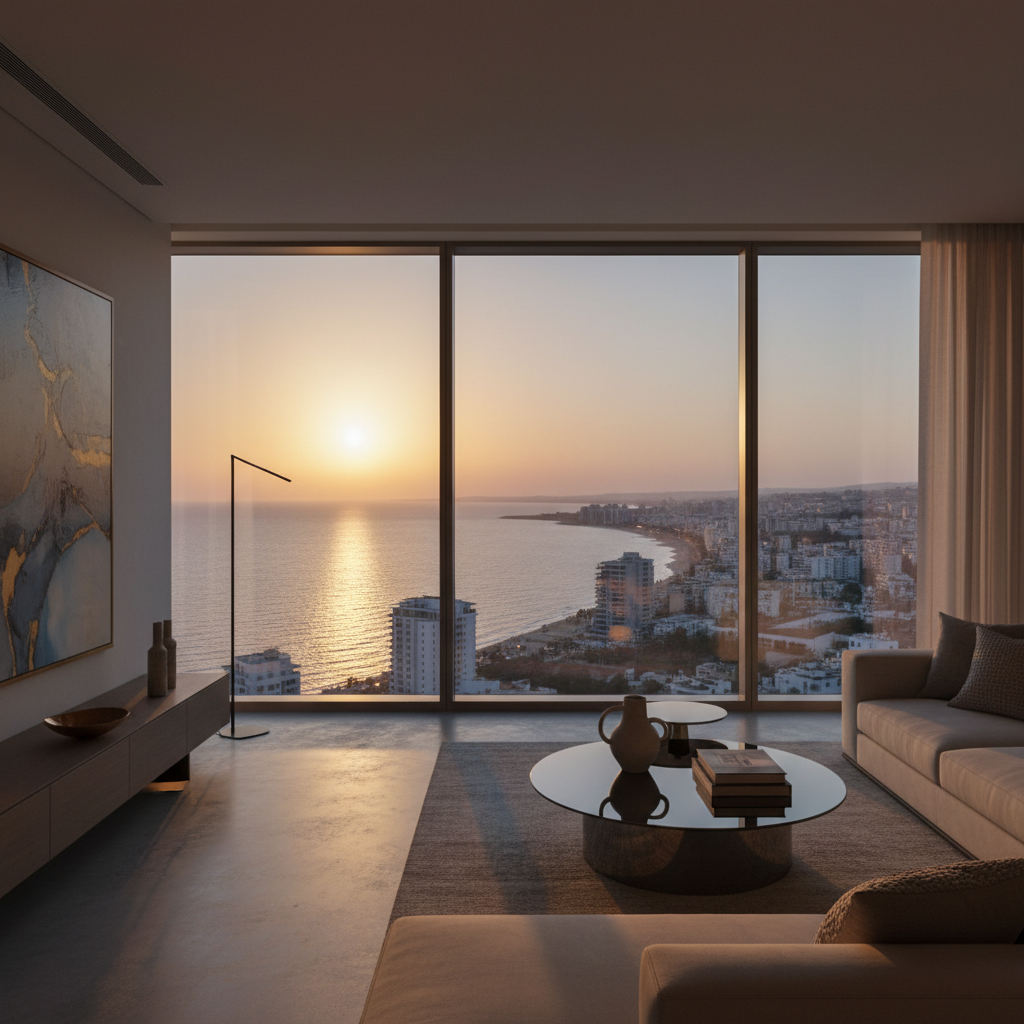
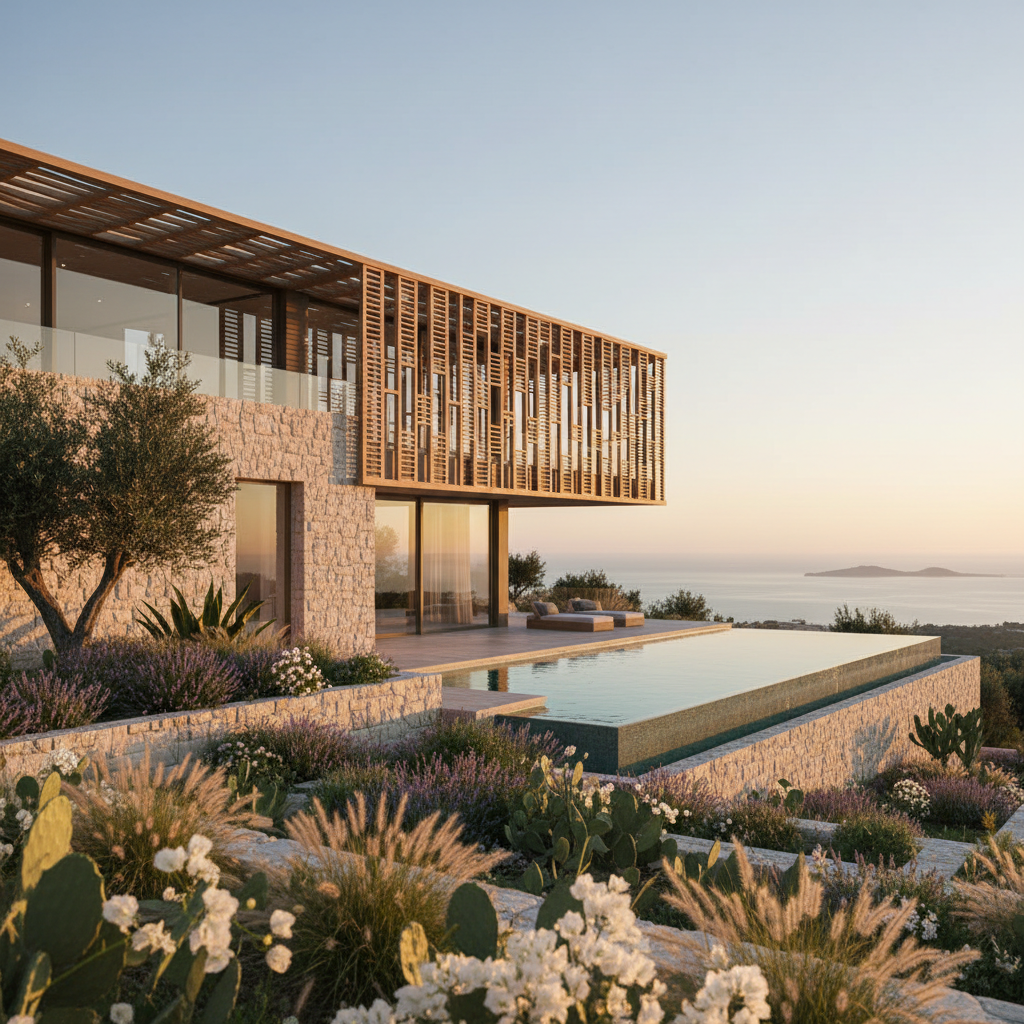
Effective shading is paramount in Cyprus's climate, a principle deeply embedded in Mediterranean architecture. Modern villas are moving beyond simple awnings to embrace architectural elements like carefully calibrated overhangs, pergolas, and brise soleil. These structures are designed to block high-angle summer sun while allowing lower winter sun to penetrate and warm interior spaces. Materials such as timber louvres, aluminium screens, and even living green walls are being employed, adding textural richness and dynamic patterns of light and shadow throughout the day, particularly noticeable in properties overlooking the sea in Limassol or Ayia Napa.
The thoughtful placement of verandas and recessed balconies further contributes to shading, creating transitional zones that blur the lines between indoor and outdoor living. These spaces become extensions of the interior, offering shaded respite and maximising the enjoyment of Cyprus's enviable climate. This approach enhances not only comfort but also privacy, a valued commodity in prime locations.
Harnessing the Breeze: Natural Ventilation Strategies
Cross-ventilation, a cornerstone of traditional design, is expertly integrated into high-end Cyprus villas. Architects meticulously consider prevailing wind directions, orienting buildings and openings to facilitate a natural flow of air. Features such as strategically placed windows, high ceilings, and even internal courtyards create a 'stack effect,' drawing warm air upwards and out, allowing cooler air to circulate through living spaces.
- Strategic window placement and sizing to encourage air flow.
- Use of louvred shutters and screens to control air intake while maintaining security.
- Integration of internal courtyards or atriums to create convection currents.
- High ceilings and open-plan layouts to facilitate natural air movement.
This emphasis on natural ventilation significantly reduces the need for air conditioning, leading to lower energy consumption and a more sustainable footprint. The result is a living environment that feels inherently fresher and more connected to the outdoor ambiance, whether in a hillside villa in Limassol or a beachfront residence in Larnaca.
The Enduring Appeal of Stone and Local Materials
Cyprus possesses a rich palette of natural materials, with local stone being prominent. Its inherent thermal mass properties make it an ideal choice for the island's climate, absorbing heat during the day and slowly releasing it at night, thus stabilising interior temperatures. Modern designs frequently incorporate cut stone for exterior cladding, feature walls, and even interior accents, celebrating its textural beauty and grounding the architecture within its locale.
"The intelligent use of local stone, alongside other natural materials, bridges the gap between traditional Cypriot building techniques and contemporary architectural expressions, delivering both aesthetic integrity and environmental performance."
Beyond stone, other natural materials like timber for pergolas and shutters, and locally sourced aggregates for concrete, are chosen for their durability, aesthetic appeal, and minimal environmental impact. This considered material selection ensures that modern villas not only perform exceptionally well but also feel authentically Cypriot, respecting the island's heritage while offering uncompromising luxury.
A Future Shaped by Smart Design
The convergence of traditional wisdom and contemporary innovation in Mediterranean architecture in Cyprus is creating a new benchmark for luxury living. Villas designed with meticulous attention to shading, cross-ventilation, and local materials offer more than just aesthetic appeal; they provide a superior living experience that is inherently comfortable, sustainable, and deeply rooted in the island's unique character. For the discerning buyer, investing in such a property represents a commitment to intelligent design that will continue to yield dividends in both lifestyle and long-term value.