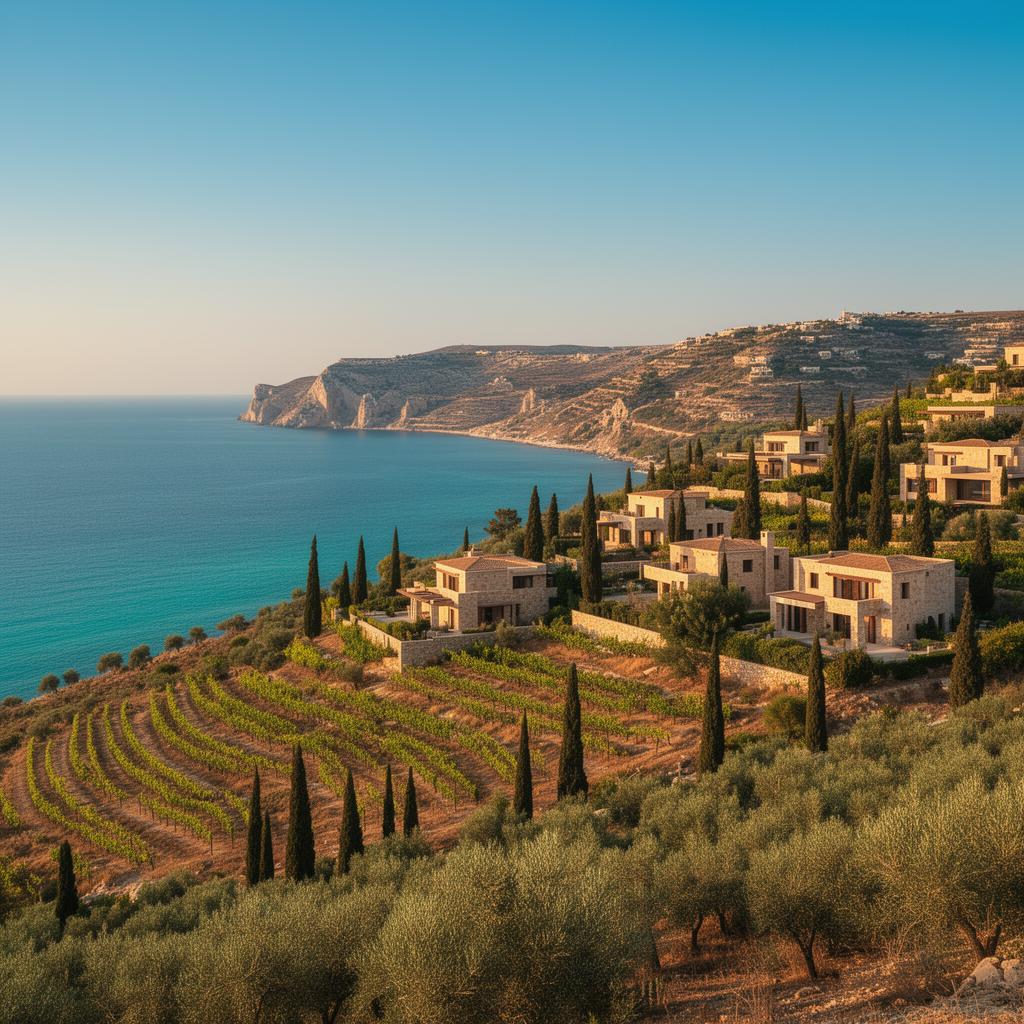

The decision to relocate a family internationally is often predicated on a confluence of factors, ranging from career opportunities to a desire for an enhanced quality of life. For discerning high-net-worth individuals, Cyprus presents a compelling proposition, offering a robust economic environment alongside the inherent allure of Mediterranean living. Yet, beyond the fiscal advantages and picturesque landscapes, the practicalities of daily life, particularly for families with children, warrant meticulous consideration. A successful transition hinges upon understanding the educational landscape, the quality of healthcare provisions, and the nuances of integrating into a new community.
The Educational Foundation: International Schools in Cyprus
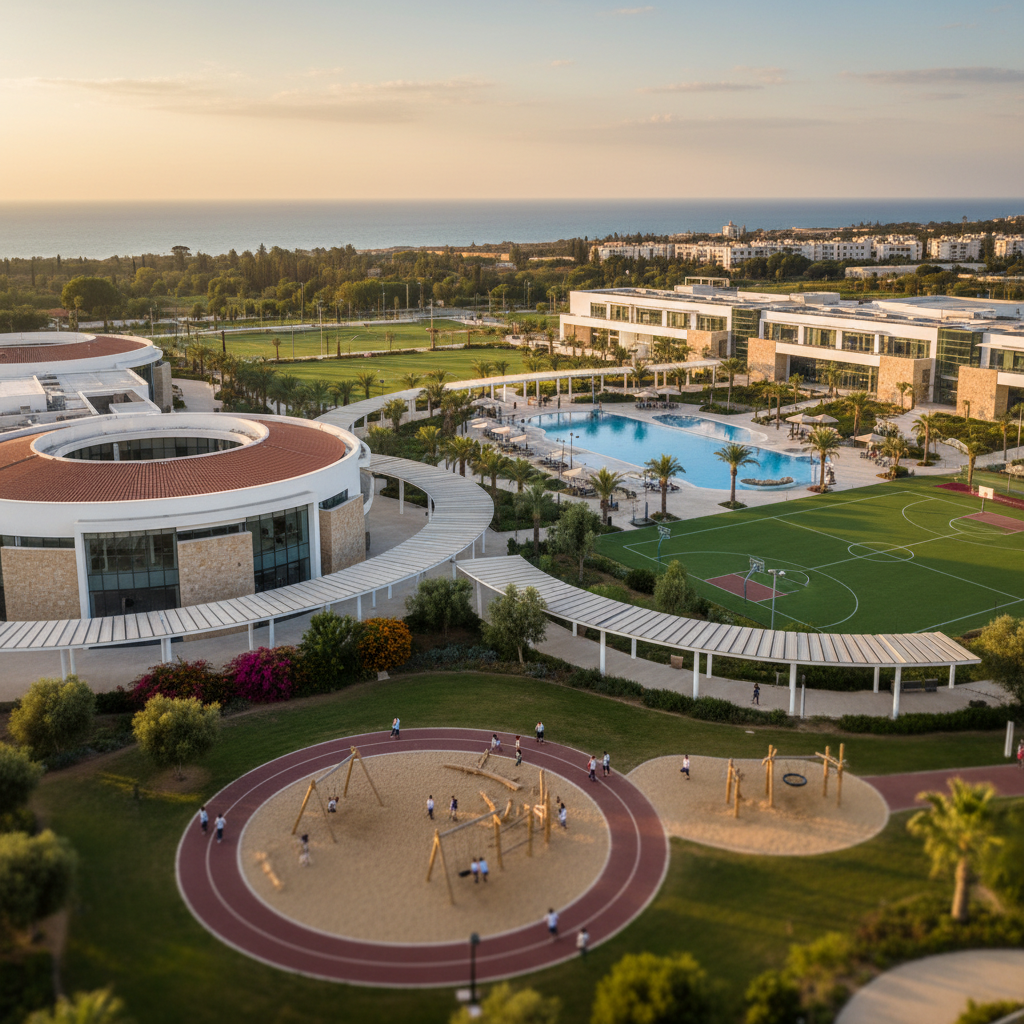
For many international families, the availability of high-calibre education is paramount when considering moving to Cyprus. The island has cultivated a robust network of international schools, predominantly concentrated in its major urban centres. These institutions typically adhere to curricula such as the British National Curriculum or the International Baccalaureate (IB), ensuring continuity and global recognition for students progressing to higher education abroad.
Cities like Limassol and Nicosia, being primary business hubs, offer the widest array of choices, encompassing primary through to secondary education. Paphos and Larnaca also host well-regarded international schools, albeit with fewer options, catering effectively to their respective expatriate communities. It is advisable for prospective families to engage with these institutions early, as demand can be significant, especially for popular year groups.
Healthcare Provision: A Comprehensive Approach
Cyprus operates a modern healthcare system, blending public and private provisions, ensuring residents have access to quality medical care. The General Healthcare System (GESY), introduced in recent years, provides comprehensive coverage to eligible residents, including a wide range of services from general practitioners to specialists, hospital care, and prescription medication. Many expatriates also opt for private health insurance, which offers access to an extensive network of private clinics and hospitals, often with shorter waiting times and a broader choice of practitioners.
Major hospitals are located in all principal cities — Limassol, Nicosia, Paphos, and Larnaca — equipped with contemporary facilities and often staffed by internationally trained medical professionals. The availability of English-speaking doctors and medical staff is widespread, alleviating a common concern for international families. Emergency services are robust and accessible across the island.
Integrating into Daily Life: Beyond the Essentials
Beyond schools and healthcare, the rhythm of daily life in Cyprus offers a unique blend of European convenience and Mediterranean charm. The island's safety, low crime rates, and community-focused culture are often cited as significant attractions for families. Children enjoy a lifestyle that encourages outdoor activities, with numerous parks, beaches, and historical sites providing ample opportunities for exploration and recreation.
"Cyprus offers a unique blend of safety, community, and outdoor living, making it an ideal environment for children to thrive within a European context."
- Family-friendly activities are abundant, from water sports along the coastlines of Limassol and Ayia Napa to hiking in the Troodos mountains.
- Cultural integration is generally smooth, with English widely spoken, particularly in urban and tourist areas, facilitating everyday interactions.
- The relaxed pace of life contrasts with bustling metropolitan centres, fostering an environment conducive to family bonding and well-being.
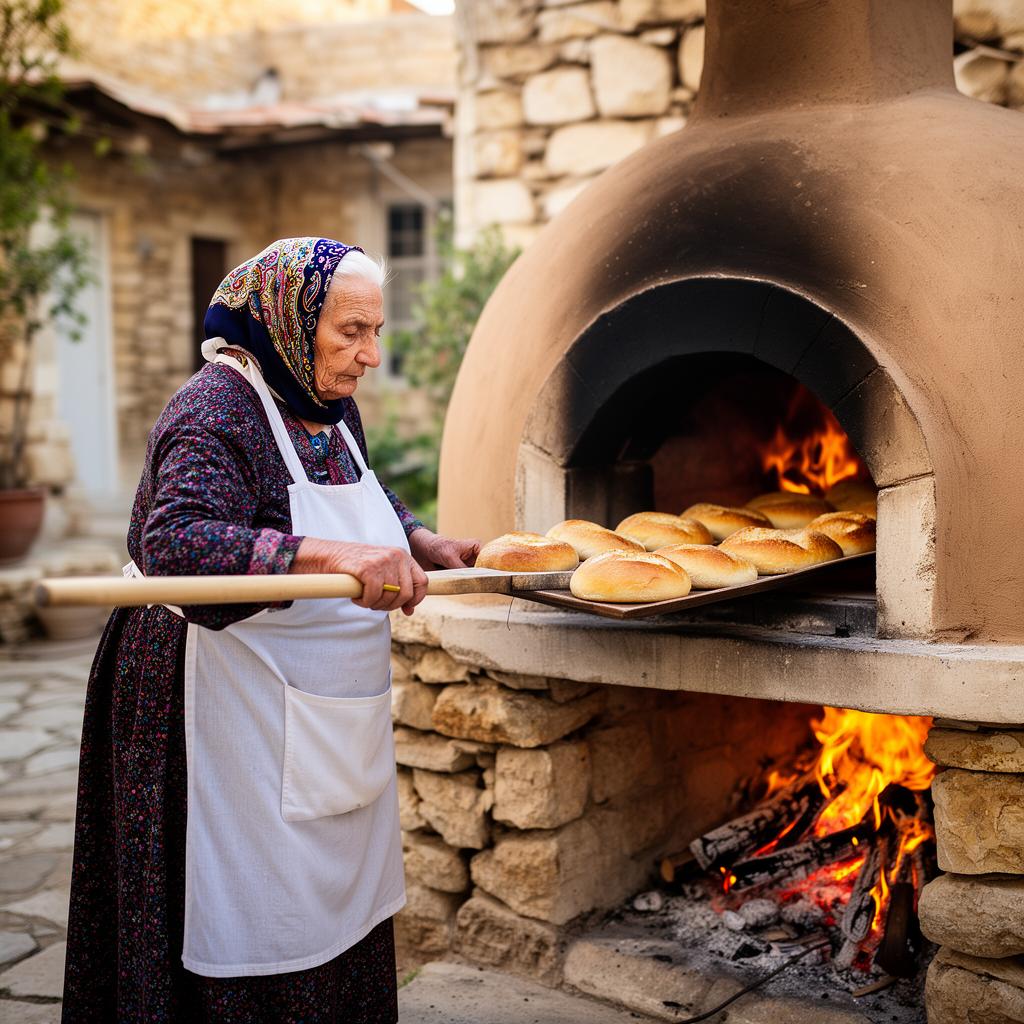
- A diverse culinary scene caters to all tastes, with fresh local produce readily available at markets across the island.
Navigating the Transition
Successful family relocation to Cyprus often benefits from thorough pre-arrival planning. Engaging with relocation specialists can streamline the logistical aspects, from visa applications to finding suitable housing near preferred schools. Participation in expatriate groups and community forums, both online and in person, can provide invaluable insights and support during the initial adjustment period. These resources offer practical advice and opportunities to forge new connections, aiding the entire family in feeling settled and integrated.
Ultimately, moving to Cyprus with a family is an investment in a lifestyle that prioritises well-being, education, and community. With careful preparation and an understanding of the available infrastructure, a seamless transition to the island's appealing Mediterranean rhythm is well within reach, promising a rich and rewarding experience for all members of the family.