The most renovated room in any Cyprus home over the past five years has been the kitchen. Increasingly, the kitchen has spilled outside. We asked six of the island's chefs — three at restaurants, three private — what they would brief an architect today if they were designing a kitchen for a home, not a service.
The outdoor hearth, not the outdoor kitchen
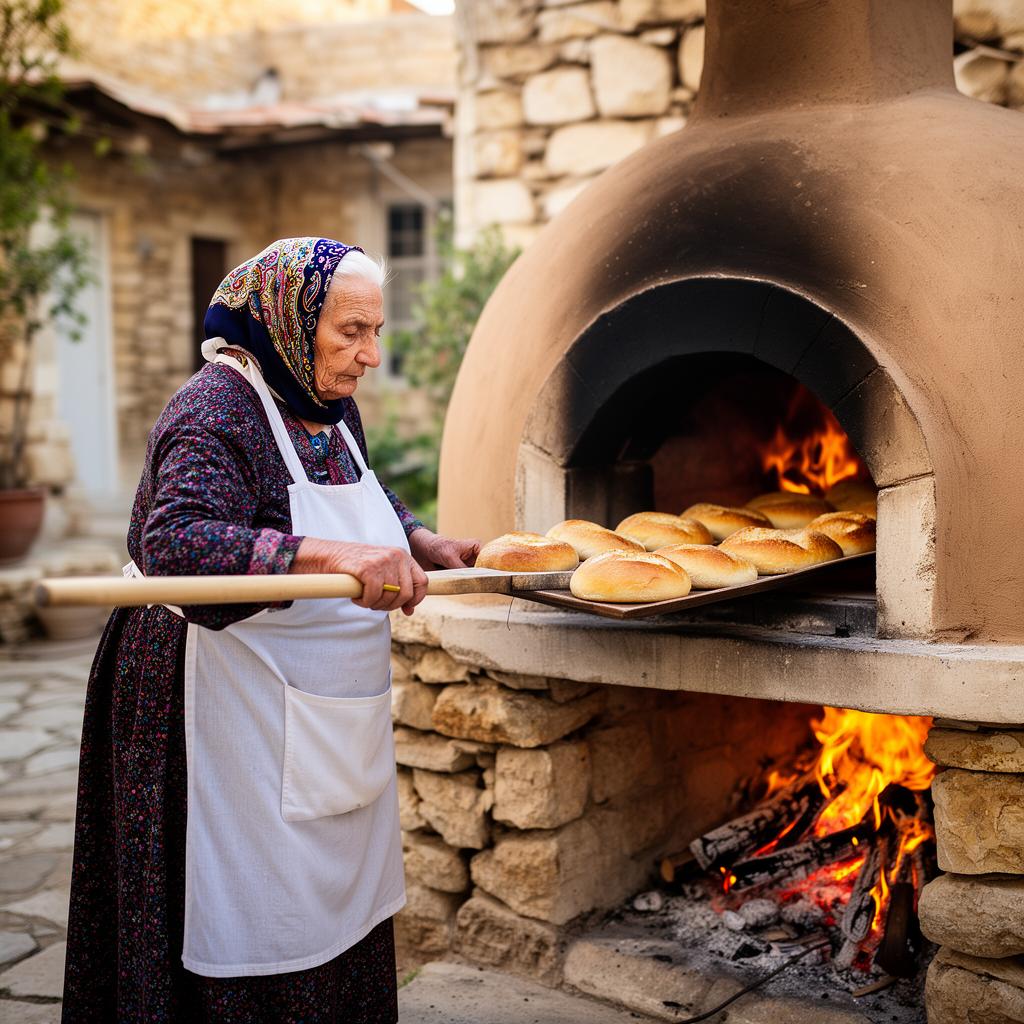
Every chef we spoke to drew a sharp line between the two. An outdoor kitchen — sink, fridge, gas hob, the lot — gets used twice a summer and then becomes an expensive piece of weathered stainless steel. An outdoor hearth, by contrast — a single wood oven, a stone bench, a tap, a small prep surface in shade — gets used twice a week from March to November. Build one, not the other.
The meze pantry
A Cypriot dinner for ten is not cooked, it is assembled. Olives, halloumi, lountza, tomatoes, bread, taramasalata, koupepia. Three of the six chefs asked for a small, cool, dedicated pantry — separate from the main fridge, large enough for a marble shelf and a chest of jars and tins — within two paces of the dining table. Most island homes do not have one. They should.
- Wood oven: built-in, dome-shaped, fed from outside the cooking face. Costs €4,000–€7,000 done properly.
- Two sinks, always. One in the main kitchen, one near the hearth. Do not skip this.
- Marble or hardwood prep surfaces — never engineered stone, which marks under hot pans.
- Storage for at least six platters above 40 cm diameter. Cypriot hosting requires them.
- A separate, very small under-counter fridge for the cheese and the cured meats. Their smells do not belong with everything else.
"If your island kitchen does not smell, faintly and always, of lemon and grilled fish, you have built the wrong kitchen. Glass and steel will not get you there."