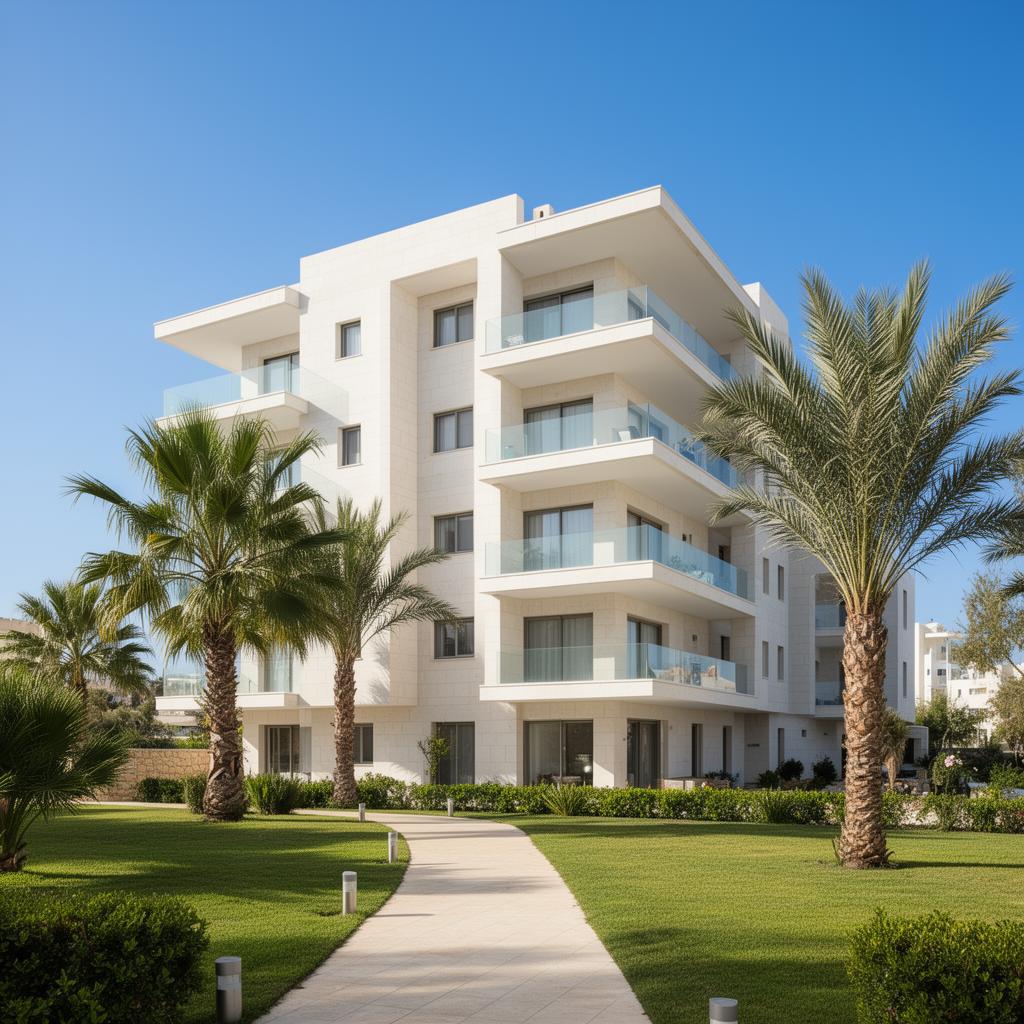

The acquisition of property in a foreign jurisdiction necessitates a comprehensive understanding of local regulations, taxation frameworks, and legal procedures. Cyprus, a compelling destination for international investors seeking a Mediterranean lifestyle and robust investment opportunities, presents a well-structured but distinct system for property ownership. Prospective buyers must familiarise themselves with the nuances of title deeds, Value Added Tax (VAT), and property transfer fees to ensure a seamless and compliant transaction. Diligence in these areas is paramount for safeguarding one's investment.
The Cornerstone of Ownership: Cyprus Title Deeds
In Cyprus, the Title Deed is the definitive legal document that certifies ownership of immovable property. It details the property's specifications, its exact location, and the name of its legal owner. The issuance of a Title Deed, facilitated by the Department of Land and Surveys, officially transfers all rights, interests, and encumbrances associated with the property to the new owner. Historically, delays in Title Deed issuance were a concern, but significant legislative reforms and robust oversight have largely addressed these issues, particularly for new developments.
For properties in prime locations such as the Limassol marina or the hills overlooking Paphos, ensuring the prompt transfer of Title Deeds is critical. Buyers should verify that the property comes with a clean Title Deed or that the developer has secured the necessary permits for its issuance. Engaging an independent solicitor is indispensable to conduct thorough due diligence, ensuring there are no outstanding mortgages or legal impediments attached to the property before purchase.
Navigating Value Added Tax (VAT) on Property
VAT is a significant consideration when acquiring new build properties in Cyprus. The standard VAT rate on new properties is 19%. However, a reduced VAT rate of 5% can be applied where the property will serve as the buyer's main and permanent residence, subject to the updated eligibility caps introduced under the latest Cyprus VAT reform.
How the 5% Reduced VAT Works
For eligible primary residences, the reduced 5% VAT applies to the first €350,000 of the purchase price and the first 130 m² of internal covered area. Any portion above those thresholds is charged at the standard 19% rate. The reduced rate is available only where the total purchase price does not exceed €475,000 and the total internal covered area does not exceed 190 m². If either cap is exceeded, the entire property is subject to 19% VAT.
- Reduced rate: 5% on the first €350,000 of price and the first 130 m² of internal area.
- Standard rate: 19% on any value or area above those thresholds.
- Eligibility caps: price ≤ €475,000 AND internal area ≤ 190 m²; exceeding either cap removes the reduced rate entirely.
- The property must be used as the applicant's main and permanent residence in Cyprus for at least 10 years.
- The applicant must be a natural person (not a company) and aged 18 or over.
- The property must be a new build; resales between private individuals are generally outside the scope of VAT.
- A formal application must be submitted to the Tax Department and approved before delivery/use of the property.
Understanding these criteria is vital, particularly when considering modern residences in urban centres like Nicosia or coastal villas in Ayia Napa. Failing to meet the conditions for the reduced rate, or breaching the 10-year residency requirement, can result in a clawback of the VAT relief. Expert tax advice tailored to your specific circumstances is strongly recommended.
Demystifying Property Transfer Fees
Property Transfer Fees are payable to the Department of Land and Surveys upon the transfer of immovable property from the seller to the buyer. These fees are calculated on a progressive scale based on the property's market value at the time of purchase. Where VAT has been charged on the transaction, transfer fees are not payable; where no VAT applies (typically resales), the standard progressive transfer fees apply, currently with a 50% reduction in force.
"Prudence in property acquisition demands a clear understanding of all associated costs, long before the transaction is finalised."
It is worth noting that if the property is transferred into a company registered in Cyprus, the transfer fees may differ. Again, consulting with a legal professional who specialises in Cypriot property law will ensure accurate calculation and timely payment of these fees. This proactive approach avoids unexpected costs and ensures the smooth registration of your new asset.
A Confident Path to Cypriot Property Ownership
The journey to acquiring property in Cyprus is an attractive one, bolstered by the island's strategic location, favourable tax regime, and alluring lifestyle. By meticulously understanding the process for Cyprus title deeds, the implications of VAT under the updated 5%/19% rules, and the structure of property transfer fees, international buyers can approach their investment with clarity and confidence. Whether considering a luxury apartment in Larnaca or a sprawling estate, informed decision-making remains the cornerstone of a successful acquisition.
Lextrus Journal maintains that proper due diligence, supported by experienced legal and tax advisors, is not merely a formality but an essential component of any significant property investment. This ensures that your esteemed acquisition seamlessly integrates into your broader portfolio and lifestyle aspirations on this remarkable island.