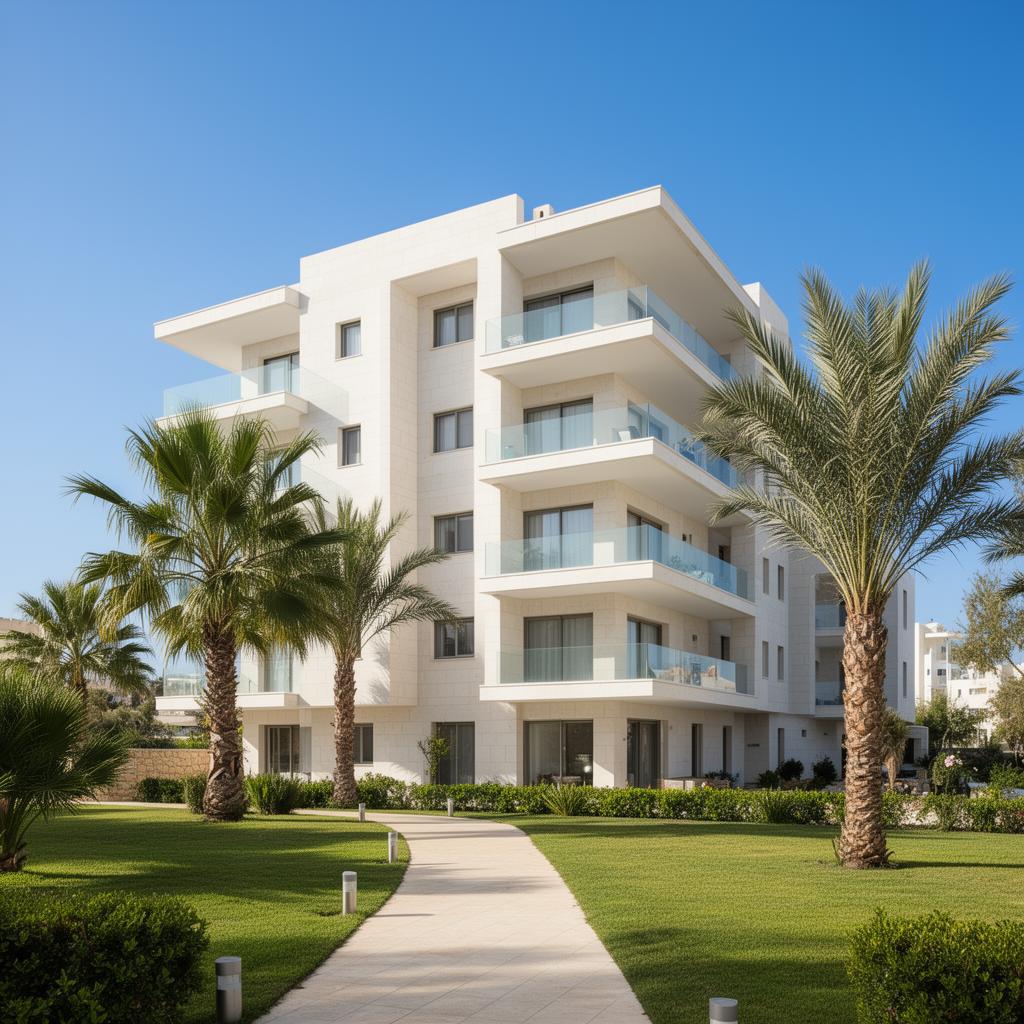

The strategic acquisition of undeveloped land, commonly known as land banking, represents a sophisticated approach to real estate investment, particularly pertinent in evolving markets such as Cyprus. For discerning international buyers, the allure lies in the potential for significant capital appreciation, often driven by planned infrastructural developments, shifts in demand, or future re-zoning. However, unlocking this potential necessitates a meticulous understanding of the regulatory framework that governs property development on the island.
The Appeal of Cyprus Land Plots for Investment
Cyprus, with its strategic geographical position and growing economy, continues to attract substantial international investment across various sectors. For real estate, this has translated into a consistent demand for both residential and commercial properties, particularly in urban centres like Limassol, Nicosia, and coastal hubs such as Paphos and Larnaca. Investing in undeveloped land offers a distinct advantage: the opportunity to shape future developments in line with market needs, rather than adapting to existing structures.
This forward-looking strategy allows investors to position themselves for long-term gains, capitalising on the island's development trajectory. As new residential zones are designated or tourism infrastructure expands, the value of strategically located land plots can appreciate considerably. The key lies in foresight and diligent due diligence, ensuring that the chosen plot aligns with anticipated growth areas and regulatory potential.
Navigating Cyprus Zoning Regulations and Building Coefficients
At the heart of any successful land acquisition strategy in Cyprus lies a profound understanding of its intricate zoning regulations and building coefficients. These statutory parameters dictate precisely what can be constructed on a given plot, influencing its development potential and, consequently, its market value. Cyprus employs a comprehensive zoning plan, classifying land into various categories such as residential, commercial, agricultural, industrial, and protected areas.
Each zone carries specific rules regarding permissible uses, building height limits, and density. A plot designated for residential use, for instance, will have different development allowances compared to one earmarked for tourist-commercial purposes near Ayia Napa. Misinterpreting these designations can lead to significant financial setbacks, making expert consultation indispensable.
"Understanding a plot's zoning is not merely about permissible use; it's about discerning its ultimate potential and inherent limitations before commitment."
- Building Coefficient (or Density): This critical metric determines the total area (in square metres) that can be built on a plot, relative to its size. A coefficient of 0.9:1, for a 1,000 sqm plot, allows for 900 sqm of total covered area.
- Coverage Coefficient: This indicates the maximum percentage of the plot's area that can be covered by buildings at ground level. A 30% coverage on a 1,000 sqm plot means a maximum footprint of 300 sqm.
- Number of Floors: Specific limits are set for the maximum number of storeys permitted, varying greatly by zone and location.
- Height Limit: Often expressed in metres, this regulates the maximum vertical extent of any structure on the plot.
Practical Considerations and Pitfalls to Avoid
While the promise of strategic land banking is compelling, several practical considerations demand rigorous attention. Foremost among these is the verification of a plot's clean title deeds and absence of any encumbrances. A thorough legal due diligence process, conducted by an independent Cypriot lawyer, is paramount to safeguard the investment.
Furthermore, prospective buyers must investigate the availability of essential infrastructure, including road access, water, and electricity. A seemingly attractive plot without these fundamental services may incur substantial additional costs for development. Engaging local planning consultants who possess an intimate knowledge of regional development plans in areas like Paphos or Limassol can provide invaluable insights, preventing unforeseen challenges.
Outlook: Strategic Land Acquisition in Cyprus
The Cyprus property market continues its trajectory of growth, albeit with evolving dynamics. For the astute investor, securing well-researched Cyprus land plots remains a viable and potentially highly rewarding venture. The key to success lies in a comprehensive approach that transcends mere acquisition, embracing meticulous planning, rigorous due diligence, and a deep understanding of local planning laws.
By aligning investment objectives with the specific opportunities presented by Cyprus's diverse zoning landscape, and by avoiding common pitfalls related to regulatory oversight, high-net-worth individuals can strategically position themselves to benefit from the island's enduring appeal and development potential. Professional guidance, from legal counsel to planning experts, is not merely advisable but essential for navigating this sophisticated segment of the market.