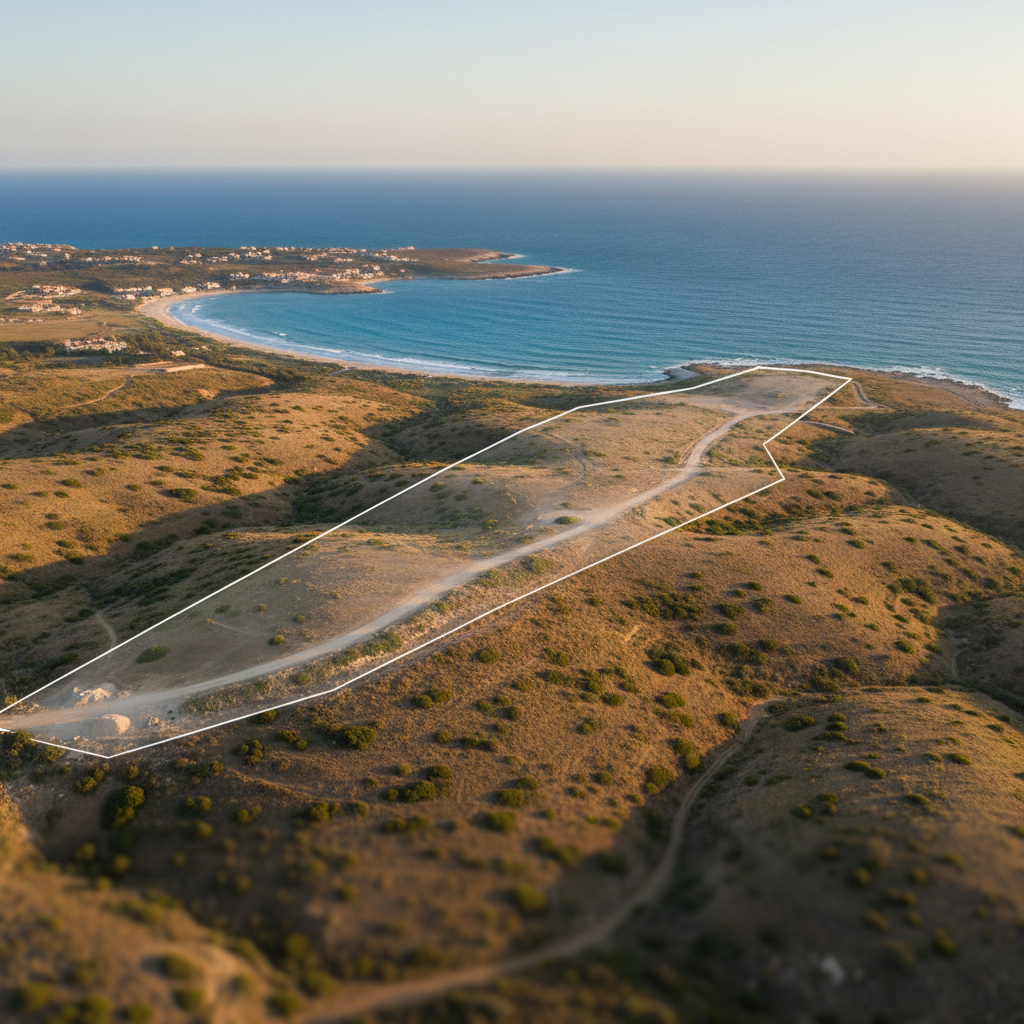
For the discerning international investor, land in Cyprus represents a tangible asset with considerable long-term potential. Beyond the immediate appeal of a Mediterranean lifestyle and advantageous tax regimes, strategic land acquisition, often referred to as 'land banking,' can yield significant returns. However, the true value and viability of a plot are inextricably linked to its designated zoning and the associated building coefficients, elements that demand meticulous scrutiny.
Understanding these regulatory frameworks is not merely an administrative exercise; it is fundamental to assessing a site's future development capacity and, by extension, its investment merit. A plot's classification can dictate everything from the type of structures permitted to their maximum height and density, directly influencing profitability. Without this insight, even the most picturesque parcel of land can become a financial impasse.
The Fundamentals of Zoning in Cyprus
Zoning regulations in Cyprus categorise land into distinct zones, each with specific development guidelines. These classifications are established by local planning authorities and are designed to ensure orderly growth and preserve the character of different areas across the island. Common zones include residential, commercial, industrial, agricultural, and protected areas.
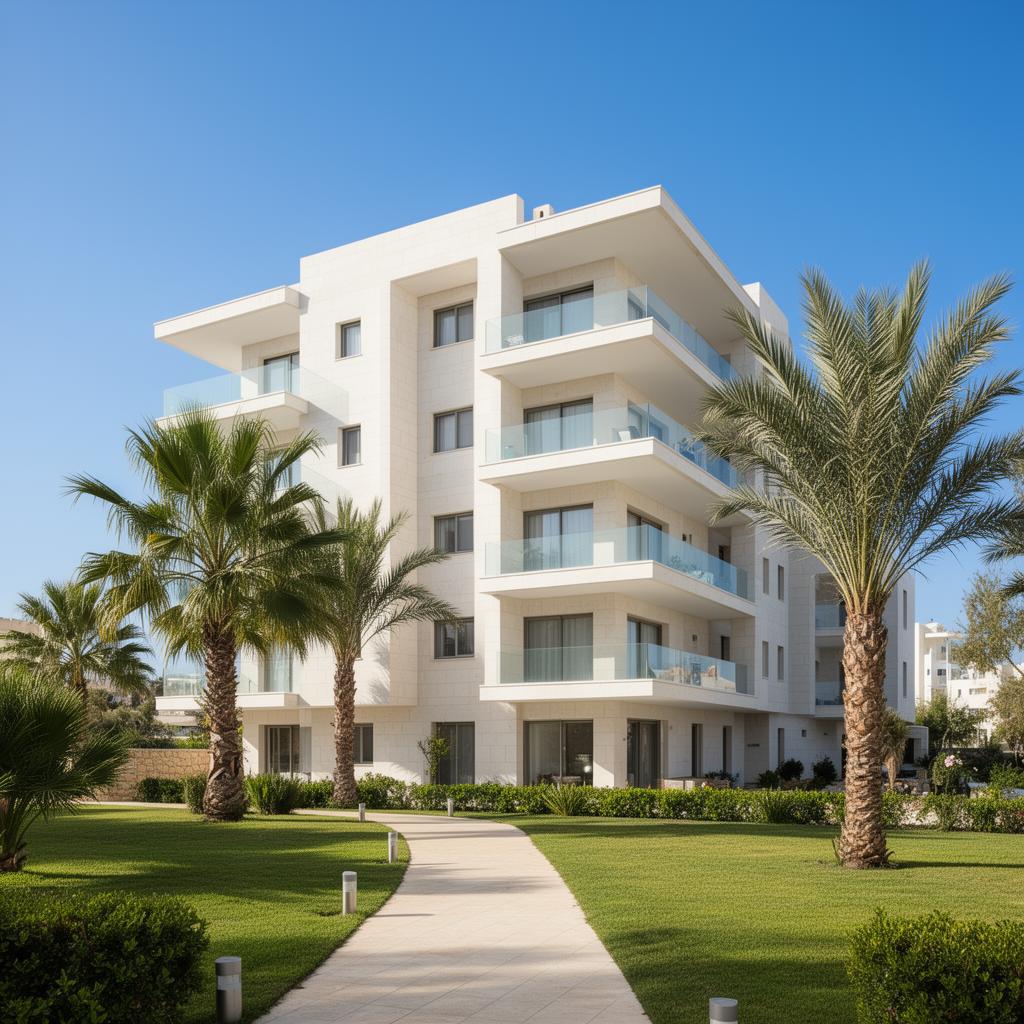
A residential zone, for instance, might permit single-family homes or apartment buildings, while a commercial zone would be designated for retail, office spaces, or hotels. Plots within Limassol's urban core will naturally fall into different categories than expansive agricultural land in the Paphos district or tourist-focused parcels near Ayia Napa. The specific designation is the first, and perhaps most critical, piece of information for any potential land acquisition.
Unpacking Building Coefficients: Density and Coverage
Once a plot's zoning is understood, attention must turn to its building coefficients, which quantify the permissible scale of development. The two primary coefficients are the Building Factor (or Density Factor) and the Coverage Factor. The Building Factor determines the total square metres of covered area that can be constructed in relation to the plot's size.
For example, a 1,000 sqm plot with a Building Factor of 0.9:1 can accommodate a total covered area of 900 sqm. The Coverage Factor, conversely, specifies the maximum percentage of the plot that can be covered by ground floor buildings. A 40% Coverage Factor on the same 1,000 sqm plot means only 400 sqm of the land can be built upon at ground level. These numbers are pivotal for calculating potential returns, whether for a luxury villa in Paphos or a multi-unit development in Larnaca.
Critical Factors to Scrutinise
- **Access to Public Roads:** Ensure the plot has legal, direct access to a public road. Lack of such access can significantly devalue a property or complicate development.
- **Infrastructure Availability:** Verify the presence and proximity of essential utilities: electricity, water, and sewage systems. Connecting to distant infrastructure can incur substantial, unforeseen costs.
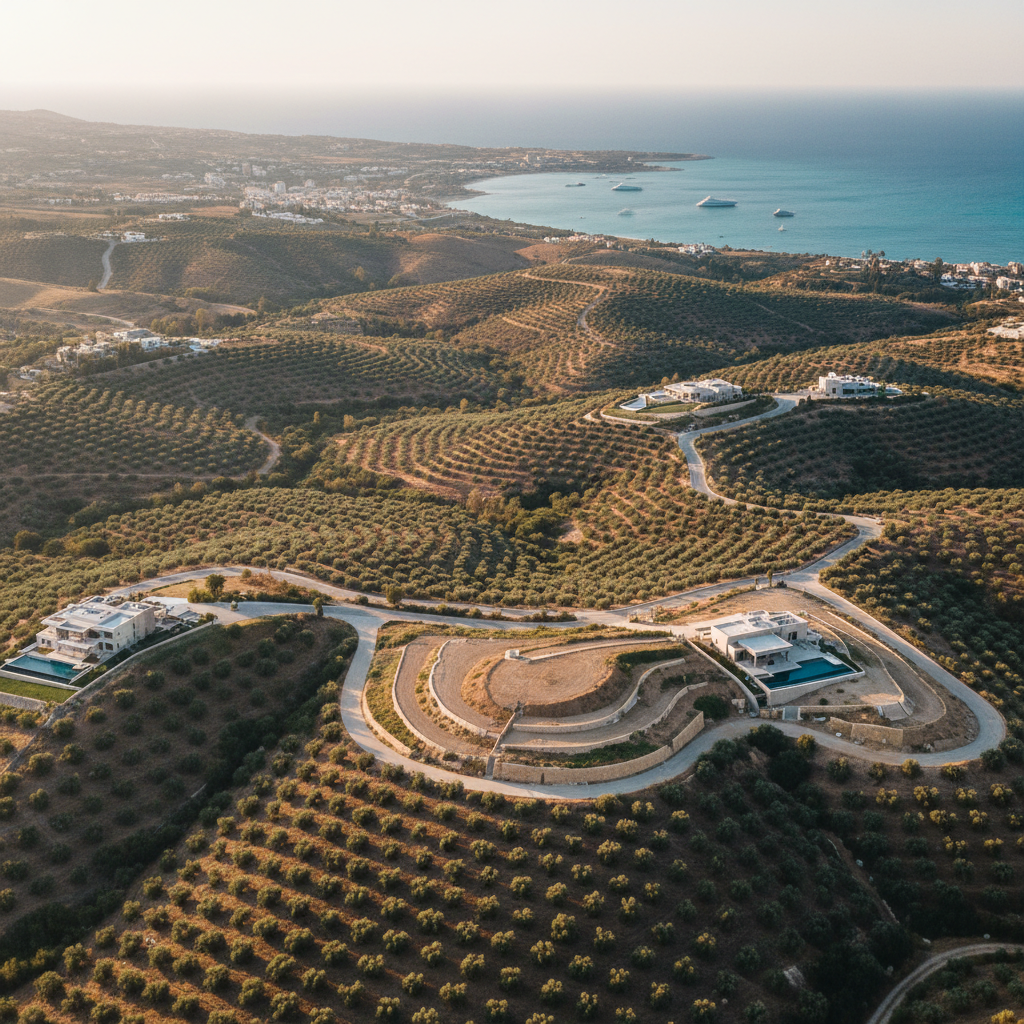
- **Topography and Geotechnical Conditions:** Steep inclines, rocky terrain, or unstable ground can add significant expenses to construction due to the need for extensive excavation, retaining walls, or specialised foundations.
- **Environmental and Archaeological Restrictions:** Certain areas, particularly near historical sites in Nicosia or pristine natural landscapes, may have additional protections that limit or prohibit development.
- **Urban Planning Schemes:** Local plans can impose further restrictions beyond general zoning, such as specific architectural styles, building heights, or provisions for public green spaces.
"The true value of a Cyprus land plot is not just in its location, but in the blueprint of its permissible future."
Avoiding Common Pitfalls in Land Acquisition
One of the most frequent errors in land acquisition is failing to conduct thorough due diligence regarding zoning and building coefficients. Relying solely on a seller's representation without independent verification through legal and architectural professionals can lead to costly disappointments. A plot advertised as 'residential' might, upon deeper inspection, have a very low building factor, severely limiting its development potential for a multi-dwelling project in Limassol.
Furthermore, overlooking the details of access roads or infrastructure can lead to unexpected outlays. Imagine acquiring a prime plot near the coast, only to discover the cost of bringing utilities to the site eclipses a significant portion of your development budget. Engaging a local surveyor, an experienced architect, and a property lawyer early in the process is not merely a recommendation; it is a critical safeguard for high-net-worth investors in Cyprus.
The Outlook for Land Banking in Cyprus
Cyprus continues to offer compelling opportunities for strategic land banking, particularly in regions experiencing sustained growth such as Limassol, Paphos, and Larnaca. Government initiatives, such as new marina developments and infrastructure upgrades, often unlock new development potential in surrounding areas. Investors who position themselves early in these growth corridors, with a clear understanding of the regulatory landscape, are well-placed to benefit.
The key to success lies in informed decision-making, where the allure of a prime location is balanced with a rigorous analysis of zoning, building coefficients, and practical development considerations. For the sophisticated investor, Cyprus land plots are not merely parcels of earth, but blueprints for future prosperity, provided they are read with expertise and foresight.