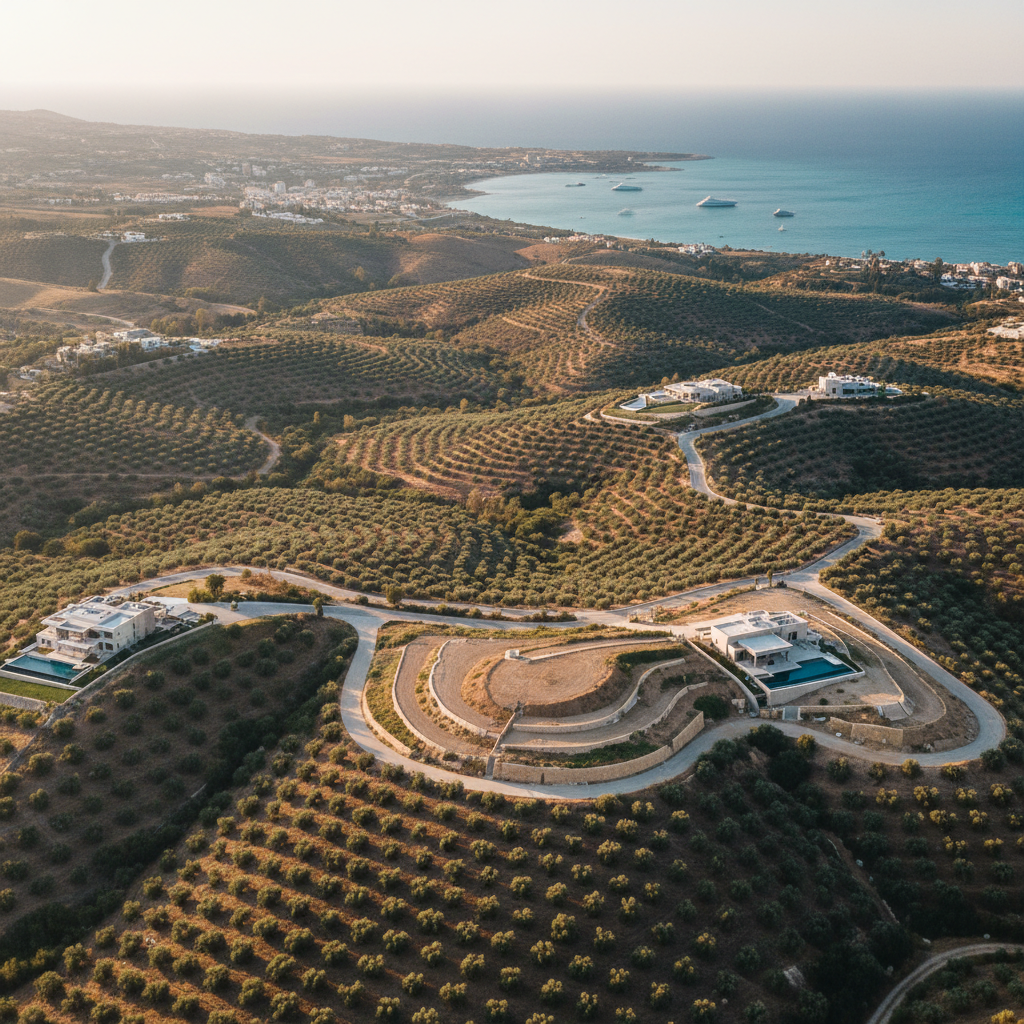

The acquisition of undeveloped land, often referred to as land banking, represents a foundational strategy within the Cyprus real estate market. For discerning international investors, this approach can offer significant long-term value appreciation, provided it is executed with meticulous foresight and a profound understanding of local regulations. The island's strategic location, coupled with its evolving economic landscape, continues to position raw land as a compelling asset class for those with a patient investment horizon.
The Fundamentals of Cyprus Zoning Regulations
Cyprus operates a comprehensive zoning plan, meticulously dividing its land into various categories, each dictating the permissible use and intensity of development. These zones are established through urban planning decrees, which are subject to periodic review and amendment by the Department of Town Planning and Housing. Understanding these classifications is paramount, as they directly influence a plot's development potential and, consequently, its inherent value.
Common zoning categories include residential (Ka, Κα), commercial (Eb, Εβ), tourist (T, Tμ), industrial (Βα, Βδ), and agricultural (Γα, Γ3) zones, among others. Each category specifies the type of structures allowed, from detached villas in low-density residential areas to high-rise commercial buildings in urban centres like Limassol or Nicosia. A misinterpretation of a plot's zoning can lead to substantial financial missteps, underscoring the need for thorough due diligence.
Deciphering Building Coefficients
Beyond zoning, the building coefficient (also known as building density or 'συντελεστής δόμησης') is perhaps the most critical metric for any land investor. This numerical value dictates the maximum buildable area on a plot as a percentage of its total size. For example, a plot of 1,000 square metres with a building coefficient of 90% allows for a total permissible built area of 900 square metres.
Related coefficients include the coverage coefficient, which specifies the maximum percentage of the plot that can be covered by buildings, and the number of permissible floors. These figures collectively determine the scale and scope of any potential development, whether it be a luxury villa in Paphos, a boutique hotel in Ayia Napa, or a multi-unit residential project in Larnaca. An astute investor will recognise that higher coefficients generally translate to greater development potential and, often, higher land values.
Pitfalls to Avoid in Land Acquisition
While the allure of acquiring prime Cyprus land plots is undeniable, several common pitfalls must be diligently sidestepped. Firstly, relying solely on verbal assurances regarding development potential, without official verification from the District Lands Office, is ill-advised. Prospective buyers must obtain official planning permits and detailed zoning certificates.
- Failure to verify access rights: Ensure clear, legal access to the plot, as landlocked parcels face significant development hurdles.
- Overlooking environmental restrictions: Some areas, particularly coastal or nature-protected zones, carry stringent environmental regulations that can limit or prohibit development.
- Ignoring infrastructure availability: Plots without immediate access to utilities such as water, electricity, and sewerage will incur substantial additional development costs.
- Disregarding future urban plans: Local councils may have long-term plans that could impact a plot, such as proposals for new roads or public infrastructure that might reduce its buildable area.
- Insufficient due diligence on encumbrances: Thoroughly check for mortgages, liens, or other legal encumbrances on the title deed that could complicate ownership or development.
"The true value of a land parcel in Cyprus is not merely its size or location, but its legally permissible development potential as defined by robust urban planning frameworks."
Strategic Considerations for High-Net-Worth Buyers
For high-net-worth individuals, strategic land banking in Cyprus offers more than just capital appreciation; it provides the flexibility to create bespoke developments tailored to specific luxury market demands. Consider plots near emerging high-end residential areas in Limassol or Paphos, where infrastructure is evolving rapidly. Alternatively, look towards select areas of Larnaca or Nicosia for potential commercial or mixed-use developments, leveraging higher population densities.
Engaging with local experts—town planners, legal counsel, and reputable real estate advisors—is indispensable. Their insights can illuminate subtle nuances in regulations, identify overlooked opportunities, and flag potential issues that might escape a less experienced eye. This professional guidance ensures that any investment in Cyprus land plots is not only sound but also optimised for future growth and value creation.
An Evolving Landscape
The urban planning landscape in Cyprus is dynamic, reflecting the island's economic development and environmental priorities. While stability characterises most regulations, amendments and new incentives occasionally emerge, particularly for projects deemed to enhance the public good or attract significant foreign investment. Staying abreast of these developments is crucial for maximising the potential of any land holding.
Ultimately, acquiring undeveloped land in Cyprus is a sophisticated endeavour that rewards patience, meticulous research, and expert consultation. By thoroughly understanding zoning and building coefficients, and by diligently avoiding common pitfalls, high-net-worth investors can position themselves to benefit from the island’s enduring appeal and robust property market growth. This strategic approach ensures that an investment in a plot of land today paves the way for significant future returns.