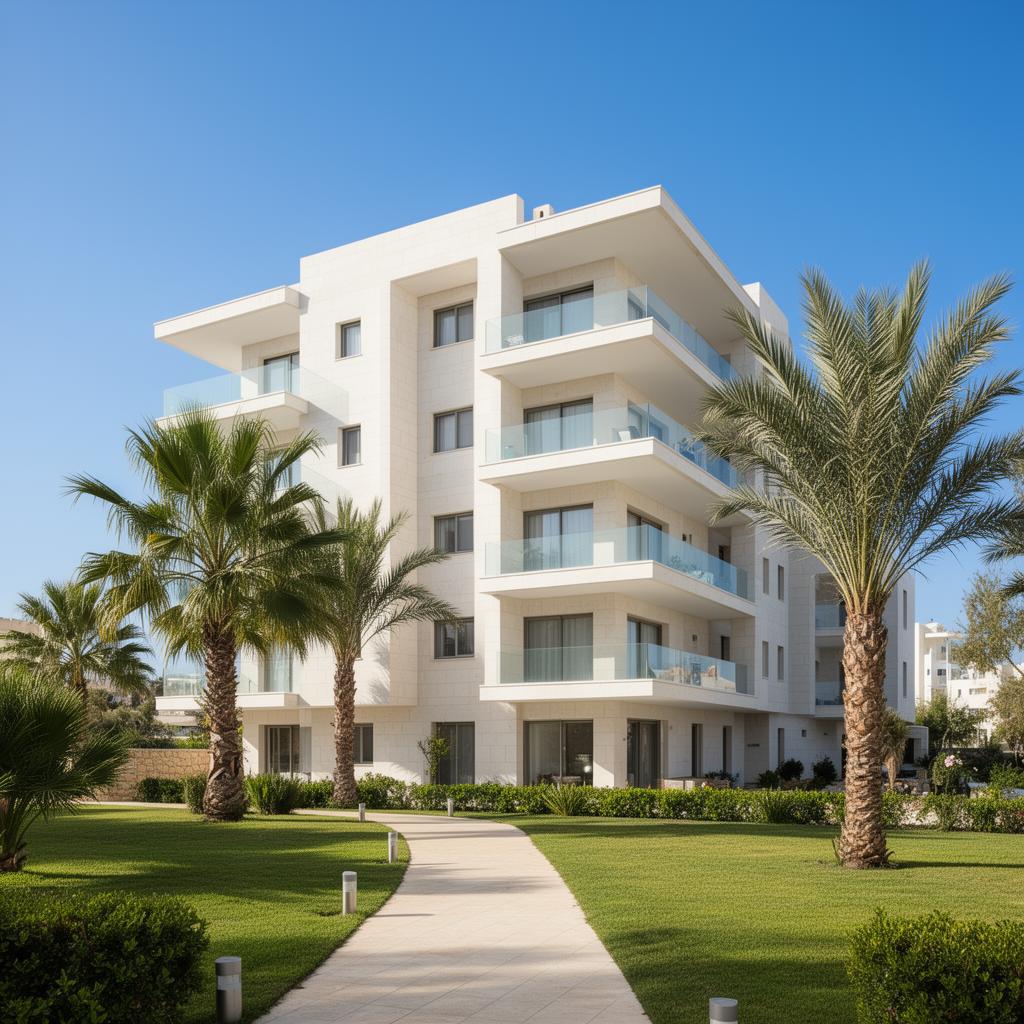

The acquisition of undeveloped land, or 'land banking,' in Cyprus presents a compelling avenue for strategic investment, particularly for those with a long-term perspective. Unlike purchasing an existing structure, the value proposition of a land plot is intrinsically linked to its future development potential, a factor primarily governed by the intricate framework of the island's planning regulations. Understanding these regulations is not merely an advantage; it is an absolute prerequisite for successful and profitable engagement in this niche market.
The Bedrock of Value: Cyprus Zoning and Planning Zones
At the heart of any land acquisition strategy lies a thorough comprehension of Cypriot zoning regulations. These regulations delineate how a specific land plot can be utilised, categorising areas into distinct planning zones such as residential, commercial, tourist, industrial, or agricultural. Each zone carries its own set of permitted uses, density allowances, and architectural restrictions, directly impacting the viability and profitability of any future development. A residential plot in Limassol, for instance, will have markedly different development parameters than an agricultural parcel outside Paphos.
Furthermore, within these broader categories, sub-zones exist, often with nuanced distinctions that can significantly alter a plot's potential. An R-α zone, for example, might permit a higher building density than an R-β zone, even within the same general residential classification. Investors must therefore scrutinise not just the general zoning, but the specific sub-category assigned to their prospective Cyprus land plots.
Decoding Building Coefficients: Density and Coverage
The building coefficient, also known as the building density factor, is perhaps the most critical metric for assessing a land plot's development potential. This percentage indicates the total area of all floors that can be constructed on a given plot, relative to the plot's total size. A 90% building coefficient on a 1,000 square metre plot means that a total of 900 square metres of covered area can be built, distributed across one or more floors. This figure directly dictates the scale and profitability of any proposed construction, from a luxury villa in Paphos to an apartment complex in Larnaca.
Equally important is the coverage coefficient, which specifies the maximum percentage of the plot's total area that can be covered by buildings at ground level. This prevents overdevelopment of the land footprint, ensuring adequate open spaces, gardens, and accessibility. Both coefficients are accompanied by regulations on the maximum number of floors and the maximum permissible building height, all of which must be meticulously checked against the investor's development vision.
Pitfalls to Avoid in Land Acquisition
- **Outdated Planning Information:** Planning zones and coefficients can change. Always verify current regulations directly with the District Planning Authority, rather than relying on historical data or informal advice.
- **Access and Infrastructure:** Some seemingly attractive land plots may lack direct road access, or be without essential utilities such as water, electricity, and telecommunications. The cost of bringing these services to a remote plot can be substantial.
- **Environmental Restrictions:** Certain areas, particularly near coastlines (e.g., Ayia Napa) or natural reserves, may be subject to environmental protection zones or archaeological restrictions, severely limiting or outright prohibiting development. A thorough environmental impact assessment may be required.
- **Title Deed Anomalies:** Ensure the land plot has a clean title deed, free from encumbrances, mortgages, or shared ownership issues. Boundary disputes are also not uncommon.
- **Geological Suitability:** The topography and geological stability of the land can impact construction costs. Steep slopes or unstable ground may require extensive and costly foundational work.
- **Expropriation Risk:** While rare, some land plots might be subject to future government expropriation for public works. Due diligence should include checking for any such plans.
Strategic Outlook and Professional Counsel
For the astute investor, Cyprus land plots offer considerable potential, particularly in rapidly developing urban centres like Limassol or key tourist regions. Identifying plots with favourable zoning for future conversion, or those in areas slated for significant infrastructure improvements, can yield substantial returns. However, this demands a proactive approach and a deep understanding of the local planning landscape, which can be complex and subject to change.
Given the inherent complexities and potential pitfalls, engaging experienced local legal and planning consultants is not merely advisable but essential. These professionals can conduct thorough due diligence, interpret intricate planning maps, and ensure all acquisitions align precisely with regulatory requirements and investment objectives. Prudent land banking in Cyprus is built on informed decisions, underpinned by expert guidance.