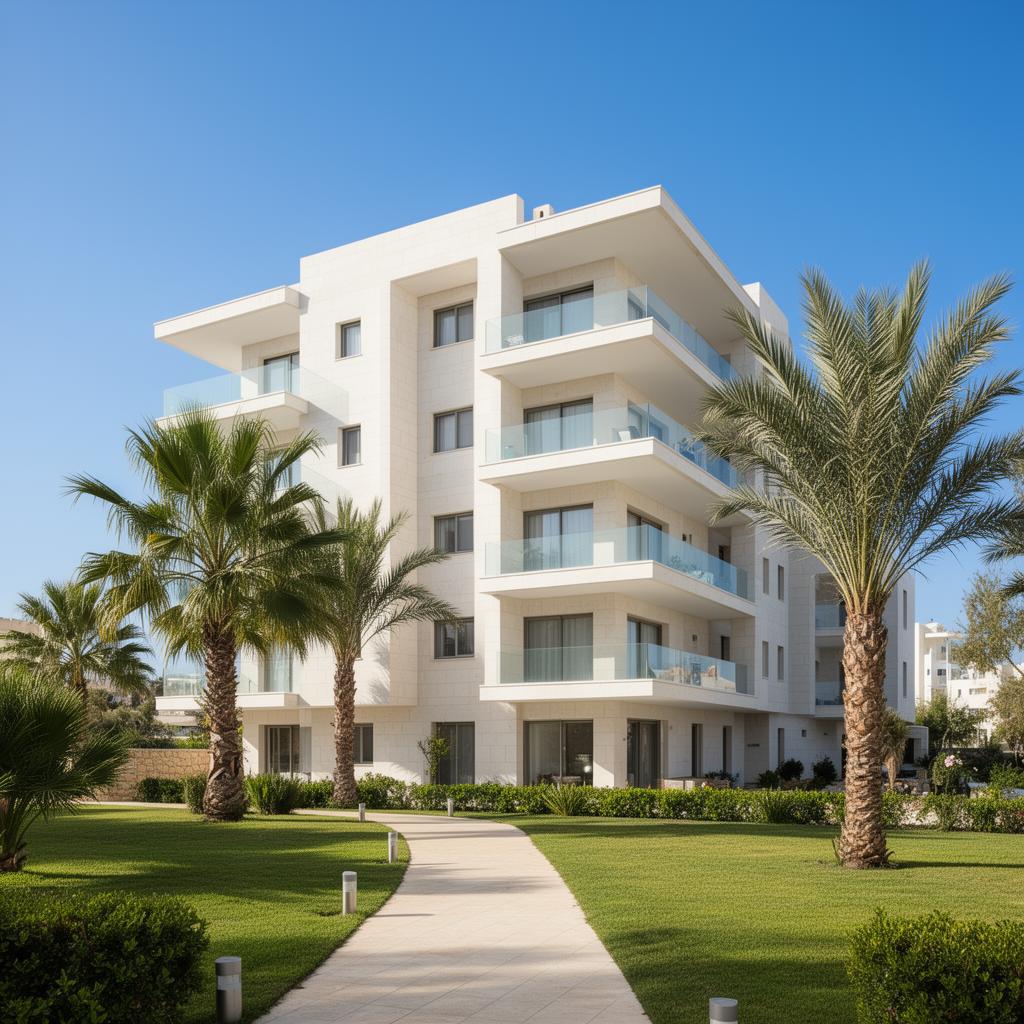

The acquisition of undeveloped land, often referred to as land banking, remains a cornerstone strategy for discerning investors in the Cypriot property market. This approach, when executed with precision, offers significant potential for capital appreciation, particularly in a market characterised by sustained growth and strategic infrastructure development. However, the true value of any Cyprus land plot is inextricably linked to its designated zoning and the accompanying building coefficients.
Understanding Cyprus Land Zoning Designations
Cyprus employs a comprehensive zoning system that dictates permissible land use across the island. These designations range from residential and commercial to industrial, agricultural, and protected areas, each with specific development guidelines. A plot designated for agricultural use, for instance, will have vastly different development potential and restrictions compared to one zoned for high-density residential buildings in an urban centre like Limassol or Nicosia. Thorough due diligence regarding these classifications is paramount before any commitment.
The municipal development plans for cities such as Paphos, Larnaca, and Ayia Napa regularly undergo revisions, which can impact existing zoning. Future reclassifications, though not guaranteed, can significantly enhance a plot’s value if it transitions from a less intensive to a more intensive development zone. Staying abreast of proposed planning changes is therefore a crucial, albeit complex, aspect of strategic land acquisition.
The Critical Role of Building Coefficients
Building coefficients are quantitative measures that directly impact the scale and density of development permitted on a Cyprus land plot. They typically comprise two primary figures: the Building Density Coefficient and the Coverage Coefficient. The Building Density Coefficient specifies the total buildable area as a percentage of the plot size, meaning a 90% coefficient on a 1,000 sqm plot allows for 900 sqm of total constructed area.
The Coverage Coefficient, conversely, indicates the maximum percentage of the plot that can be covered by buildings at ground level. Both coefficients are also accompanied by maximum height restrictions and the number of permissible floors. Misinterpreting or overlooking these figures can lead to significant financial miscalculations and development limitations, particularly when considering multi-unit residential projects or commercial complexes.
Navigating Pitfalls: What to Avoid
- Neglecting comprehensive legal due diligence: Always engage qualified legal professionals to verify land titles, easements, and compliance with planning permits.
- Overlooking infrastructure availability: Confirm access to essential utilities such as water, electricity, and sewage. The absence of these can incur substantial additional costs.
- Ignoring environmental restrictions: Certain areas may have protected status or environmental sensitivities that impose severe development limitations, even if initial zoning appears favourable.
- Failing to account for access routes: Ensure adequate legal and physical access to the plot. Landlocked parcels present considerable challenges.
- Underestimating future policy changes: While speculative, being aware of broader governmental plans for infrastructure or environmental protection can prevent future complications.
"The true measure of a land plot's potential in Cyprus is not merely its size or location, but the precise parameters defined by its zoning and building coefficients."
Strategic Considerations for High-Net-Worth Investors
For those considering significant investment in Cyprus land plots, a longer-term perspective often yields the most robust returns. Identifying plots in areas earmarked for future development, such as those near proposed marina expansions or new tourism resorts, can be particularly astute. Engaging with local planning authorities and experienced consultants early in the process provides invaluable foresight into these potential growth areas.
Furthermore, while the allure of a large, seemingly affordable plot is strong, the specific zoning and coefficients should always take precedence over sheer size. A smaller, well-located plot with high building density in a prime area like central Limassol or beachfront Paphos can offer far greater development value than a vast agricultural plot in a remote village, even if the latter appears cheaper on a per-square-metre basis.
A Prudent Approach to Land Banking
Land banking in Cyprus, when approached with meticulous research and expert guidance, presents a compelling opportunity for capital growth. The interplay of zoning regulations, building coefficients, and future development plans forms the bedrock of a sound investment strategy. By understanding these critical elements and meticulously avoiding common pitfalls, high-net-worth individuals can unlock the substantial, long-term potential inherent in the Cypriot land market.