For decades, Cyprus held an international reputation primarily as a seasonal haven for retirees and holidaymakers. Over the past five years, however, a profound demographic shift has reshaped the island into a vibrant base for international families, entrepreneurs, and executive teams seeking stability. The decision to relocate across borders with dependents requires rigorous due diligence that extends well beyond property acquisition. For those moving to Cyprus, the viability of daily life rests upon the quality of local education, the accessibility of sophisticated medical care, and the ease of settling into safe, established communities.
The Educational Landscape: Curricula and School Choice
Academic continuity is typically the foremost priority for parents evaluating an overseas transition. Fortunately, the network of international schools Cyprus offers has expanded rapidly to meet high-level demand, delivering English-medium instruction alongside globally recognised qualifications. Most institutions follow the English National Curriculum, culminating in GCSEs and A-Levels, while an increasing number provide the International Baccalaureate (IB) Diploma programme. Because demand for places remains consistently high, prospective residents are well-advised to initiate admissions processes well ahead of physical relocation.
- Limassol: Private institutions catering to tech and financial executives, offering bilingual programmes, rigorous British curricula, and extensive competitive sports facilities.
- Nicosia: Long-established historic grammar schools and IB World Schools, traditionally favoured by the diplomatic corps and international corporate headquarters.
- Paphos: Established international academies with generous campus footprints, offering individualised academic care and strong pathways to European and UK universities.
- Larnaca: Growing preparatory and secondary colleges providing straightforward access to both the coast and the island's primary international airport.
Healthcare Infrastructure: Navigating Public and Private Provision
Cyprus operates a hybrid healthcare model that delivers exceptional reassurance to expatriate families. The national General Healthcare System, known locally as GeSY, provides universal coverage funded by nominal contributions, granting registered residents comprehensive access to general practitioners, specialists, and hospital networks. Standards of clinical care are exceptionally high, with the majority of medical professionals having trained in the United Kingdom, Germany, or the United States, meaning English is spoken fluently across clinical settings.
Alongside the public system, private medical clinics and boutique hospitals thrive in Limassol, Nicosia, and Paphos. High-net-worth families frequently maintain international private health insurance policies, which allow them to bypass wait times for elective procedures and access private inpatient suites. Pharmaceutical services are also remarkably efficient, with community pharmacies operating on a structured emergency rota across all urban and suburban districts.
"Family relocation to the island is increasingly defined not by fiscal considerations alone, but by the quiet certainty of personal safety, top-tier schooling, and a measured Mediterranean pace."
Regional Enclaves: Matching Location to Family Lifestyle
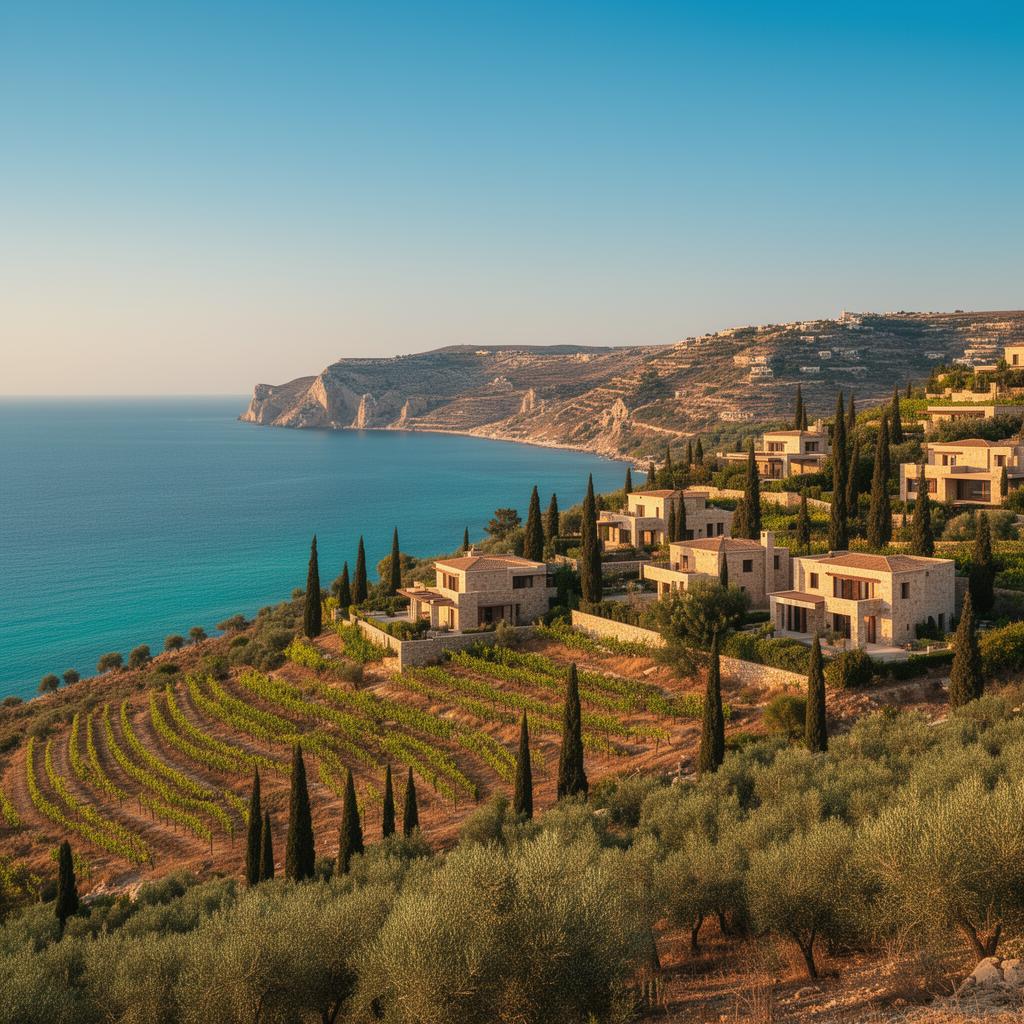
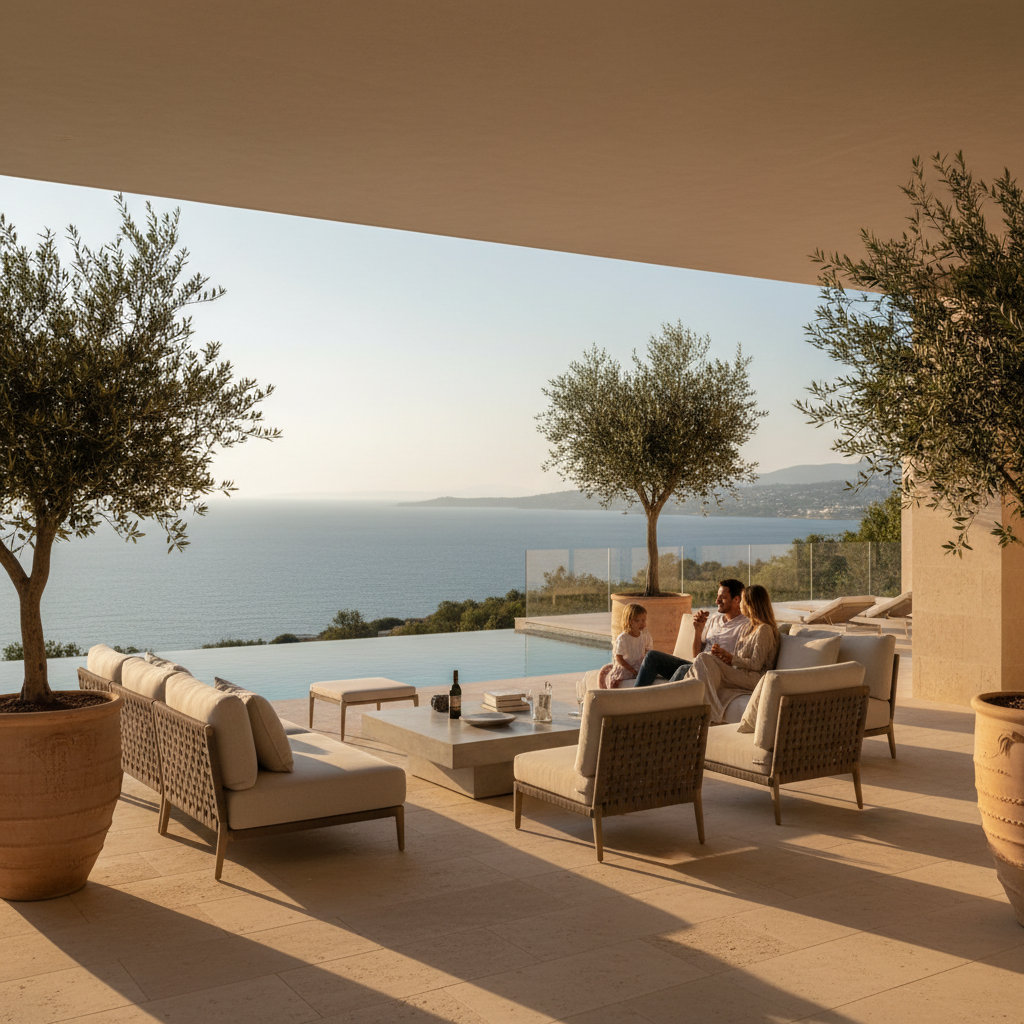
Selecting a base in Cyprus requires balancing professional obligations with daily family routines. Limassol is the island's commercial dynamo, home to modern high-rise apartments and prime hillside villas in areas such as Agios Tychonas, ideal for those seeking proximity to international offices and private clubs. Paphos, conversely, provides a gentler cadence with spacious residential estates, golf resorts, and an active coastal community popular with European families seeking lower density and natural surroundings.
Nicosia represents the cultural, political, and institutional heart of the island, appealing to those who prioritise traditional civic amenities and proximity to top-tier academic institutions over beachfront living. Larnaca has also emerged as an attractive alternative, offering quieter coastal neighbourhoods, excellent transit logistics, and lower property entry points while remaining within an easy thirty-minute drive of the capital.
Practical Realities and the Long-Term Outlook
Daily family life on the island offers distinct advantages that are increasingly rare across northern Europe. Cyprus consistently registers among the lowest crime rates in the European Union, granting children a degree of outdoor autonomy that parents find deeply reassuring. While owning a reliable vehicle is indispensable due to the limited scope of regional public transit, the island's modern motorway network makes travel between major hubs remarkably straightforward.
For families considering the permanent move, Cyprus delivers an exceptional intersection of contemporary European infrastructure and relaxed Mediterranean living. As educational options continue to diversify and major investments elevate healthcare and recreational facilities, the island remains one of the most compelling destinations in the Mediterranean for building a secure, multi-generational future.