For international families evaluating cross-border relocation, lifestyle appeal must withstand the scrutiny of operational reality. While the southern Mediterranean offers well-documented advantages in tax structuring and climate, long-term tenure depends upon the reliability of civic foundations: education, clinical care, and the rhythms of routine family life. Over the past decade, Cyprus has systematically evolved from a seasonal enclave into a functional year-round domicile for European, British, and global families seeking stability without geographical compromise.
The Educational Landscape: Academic Rigour and Global Pathways
Navigating international schools in Cyprus is frequently the initial touchpoint for relocating parents, as admission cycles dictate the timing of real estate acquisition. The island maintains a robust cluster of English-medium independent schools, predominantly tailored to the English National Curriculum, IGCSE, and International Baccalaureate (IB) pathways. In Nicosia and Limassol, premier institutions boast direct university pipelines to Russell Group universities and Ivy League colleges, supported by faculty predominantly recruited from the United Kingdom.
Paphos has cultivated its own distinguished educational cluster, catering to expatriates settled in the western coastal valleys, while Larnaca provides established British-curriculum academies within easy commuting range of residential suburbs. Demand for secondary-school placements remains competitive, with waitlists particularly acute in Limassol's high-tech and financial corridors. Discerning buyers routinely align property purchases with school catchments, prioritising locations along the foothills that offer manageable morning transit against rush-hour coastal flows.
Healthcare Infrastructure: Universal Access and Private Excellence
Health provisions on the island experienced a structural transformation with the maturation of GeSY, the General Healthcare System. This universal model grants legal residents comprehensive access to outpatient specialists, inpatient treatment, and pharmaceutical subsidies at nominal copayments. Most expatriate physicians speak fluent English and possess post-graduate credentials from London, Athens, or European teaching hospitals, ensuring diagnostic continuity for incoming residents.
Notwithstanding the efficacy of GeSY, affluent households generally maintain supplementary private health coverage to access dedicated private clinics and expedited elective procedures. Cities such as Limassol and Nicosia house advanced private medical facilities equipped with modern robotic surgical units and specialist paediatric wards. The proximity of modern polyclinics across Larnaca and Paphos ensures that families residing outside the primary commercial hubs are never more than twenty minutes from emergency care.
"The island's primary asset for children is not merely its climate, but its fundamental culture of safety, where young people retain an outdoor independence long lost in major northern capitals."
Everyday Logistics: The Cadence of Daily Domestic Life
Daily life in Cyprus offers a pronounced decompression from the logistical friction typical of metropolitan European capitals. Violent crime remains exceptionally low by continental benchmarks, fostering an environment where children navigate residential neighbourhoods, sports academies, and seaside promenades with genuine autonomy. English serves as the universal lingua franca of commerce, governance, and private correspondence, eliminating the bureaucratic disorientation that often impairs foreign integration elsewhere in southern Europe.
- Proximity to international aviation gateways: Larnaca handles high-frequency European connections, while Paphos caters to regional transit.
- School run dynamics: Choosing a hillside villa in Germasogeia or Agios Athanasios limits school commutes to under fifteen minutes.
- Domestic staff and ancillary services: High availability of vetted multilingual au pairs, housekeepers, and private tutors.
- Extracurricular infrastructure: Olympic-standard sailing clubs, tennis academies, and equestrian centres operate throughout the winter months.
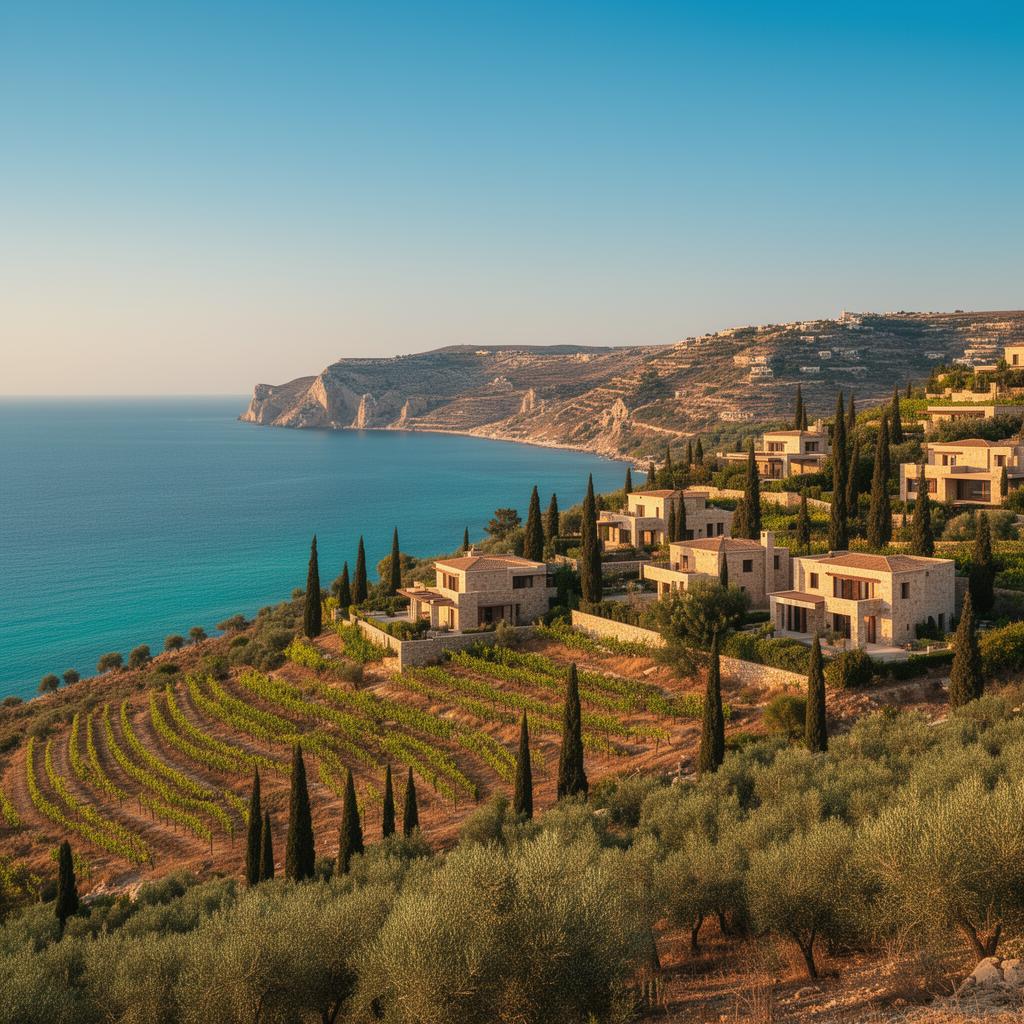
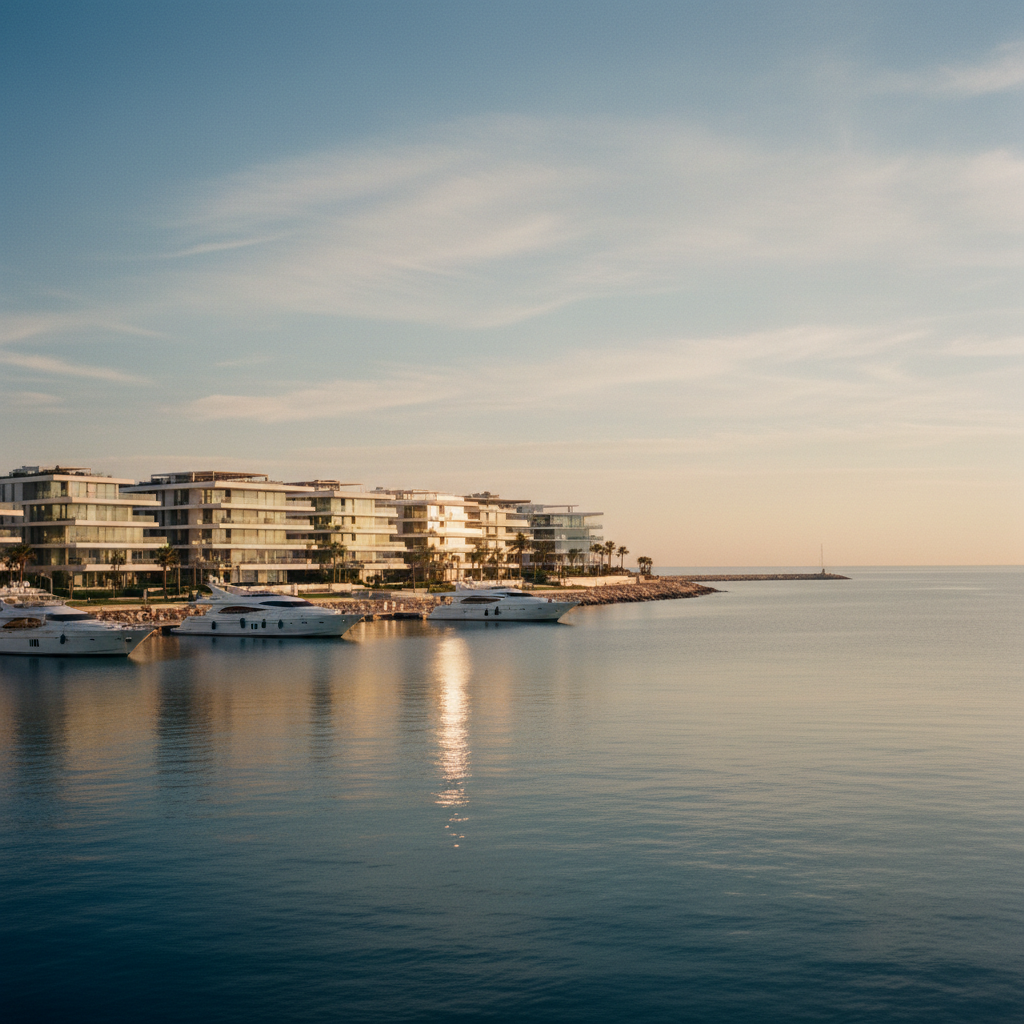
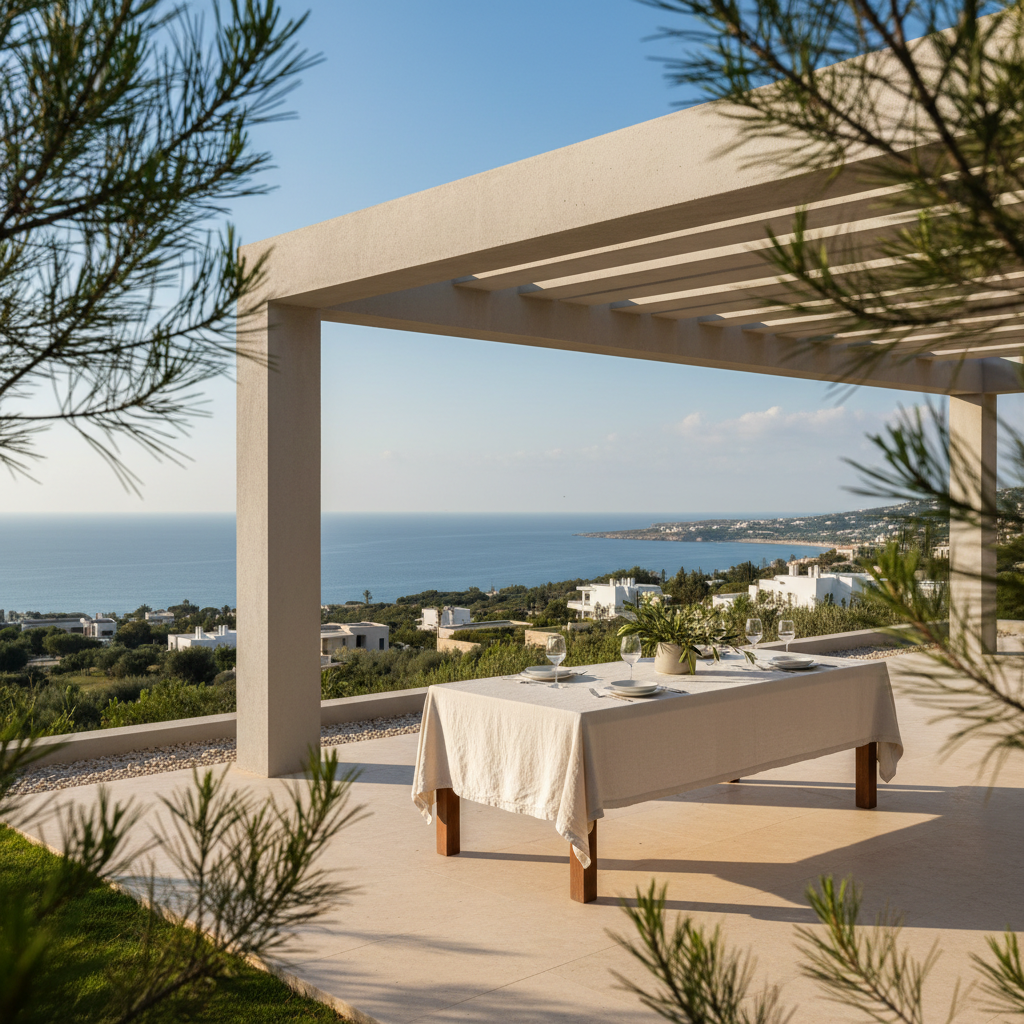
Property decisions should mirror the family's preferred pace of integration rather than architectural novelty alone. Limassol delivers a cosmopolis suited to dual-career households requiring direct proximity to international headquarters and private marinas. Conversely, the verdant coastal enclaves of Paphos and the understated residential neighbourhoods around Larnaca present a quieter existence characterised by private gardens, lower density, and proximity to national parks.
The Relocation Horizon
Moving to Cyprus with school-aged children requires a measured long-term perspective that balances fiscal incentives against domestic logistics. The Republic's permanent residency tracks and favourable non-domicile tax frameworks remain compelling catalysts, yet it is the institutional maturity of education and healthcare that transforms a strategic tax residency into a sustainable family home. With careful pre-planning around schooling admission windows and residential selection, families find an environment where physical safety, intellectual development, and Mediterranean leisure coalesce naturally.