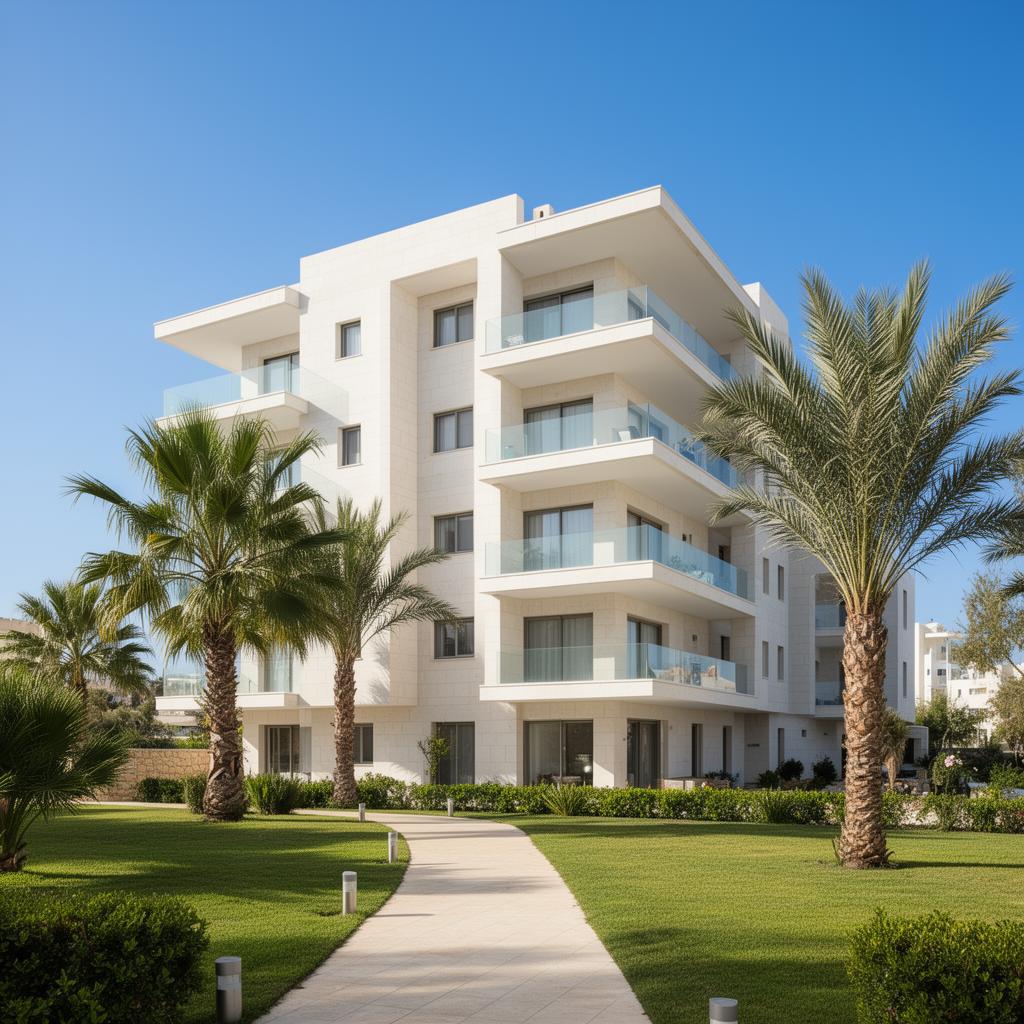

The judicious acquisition of undeveloped land, often referred to as land banking, represents a sophisticated approach to property investment, particularly within dynamic markets like Cyprus. For the discerning international buyer, understanding the intrinsic value and future potential of Cyprus land plots hinges significantly on a thorough comprehension of local planning regulations. These regulations, specifically zoning classifications and building coefficients, dictate not only what can be built but also the ultimate density and character of future developments.
The Appeal of Cyprus Land Plots for Strategic Growth
Cyprus, with its strategic location, burgeoning economy, and attractive residency programmes, continues to draw significant interest from high-net-worth individuals and developers. Investing in Cyprus land plots is often seen as a prudent long-term play, offering diversification from traditional asset classes and exposure to a growing European Union economy. The island's consistent appeal across its diverse regions, from the bustling Limassol to the historic Paphos and the serene Ayia Napa, underscores the varied opportunities available.
The anticipation of infrastructure upgrades, urban expansion, and increasing demand for residential and commercial spaces drives the rationale behind land banking. Astute investors look for parcels of land that, while currently undeveloped, possess the inherent characteristics or future potential for reclassification that could unlock substantial value. This foresight requires more than just capital; it demands an intricate understanding of the regulatory landscape that governs every square metre.
Decoding Zoning Cyprus: Categories and Implications
Zoning regulations in Cyprus are comprehensive frameworks designed to control land use and urban development. They classify land into various categories, each with specific stipulations regarding the type of construction permitted, minimum plot sizes, and maximum building heights. These categories range from residential and commercial to industrial, agricultural, and protected zones, each carrying distinct implications for potential development.
For instance, a plot zoned purely for agricultural use in a rural area near Larnaca or Paphos will have vastly different development potential compared to a residential plot on the outskirts of Nicosia. Understanding the current zoning, alongside any proposed changes in local development plans, is paramount. This information is publicly available through district planning departments and should always be verified by an independent legal and architectural professional.
Building Coefficients: Unlocking Development Potential
Building coefficients, often expressed as a percentage, are critical metrics that determine the maximum buildable area on a given plot of land. They comprise two primary elements: the Building Factor (or Coverage Factor) and the Density Factor. The Building Factor dictates the maximum percentage of the plot that can be covered by buildings, while the Density Factor specifies the total allowable square metres of construction relative to the plot's size.
A plot of 1,000 square metres with a density factor of 90% and a coverage factor of 50% implies that up to 900 square metres of total internal area can be constructed, with no more than 500 square metres covering the ground footprint. These figures directly influence the profitability and viability of any development project, from a luxury villa in a low-density area to a multi-story residential complex in a high-density zone of Limassol. Variations are significant across regions and specific zoning classifications, demanding careful scrutiny.
"The true value of a Cypriot land plot is not merely in its size or location, but in the specific regulations that define its permissible future. This requires diligent due diligence."
What to Avoid: Common Pitfalls in Land Acquisition
- Neglecting comprehensive due diligence: Relying solely on vendor information without independent verification of zoning, ownership, and encumbrances is a critical error.
- Underestimating infrastructure costs: Some plots, particularly in more remote areas, may lack essential utilities like water, electricity, and sewage, leading to significant unforeseen expenses.
- Ignoring environmental restrictions: Protected areas or plots with specific natural features may have severe limitations on development, irrespective of apparent zoning.
- Overlooking access rights: Ensuring clear, legal access to the plot is fundamental. Lack of proper road access can render a plot undevelopable.
- Misinterpreting future development plans: While anticipation of zoning changes can be lucrative, speculative investments without official confirmation carry substantial risk.
- Failing to engage local experts: The complexities of Cypriot planning law necessitate experienced local architects, lawyers, and civil engineers.
A Prudent Approach to Cypriot Land Investment
For those considering investing in Cyprus land plots, a meticulous and patient approach is paramount. The long-term trajectory of the Cypriot property market offers compelling prospects for capital appreciation, but these are best realised through informed decisions grounded in a deep understanding of the regulatory framework. Engaging with reputable local advisors who specialise in planning law and property development is not merely recommended; it is essential.
Whether the ambition is to develop a private estate, a boutique hotel, or a larger residential complex, the strategic acquisition of land in Cyprus demands a sophisticated evaluation of its inherent potential, shaped always by the specificities of its zoning and building coefficients. This diligence ensures that an investment in the island's future is both secure and ultimately rewarding.