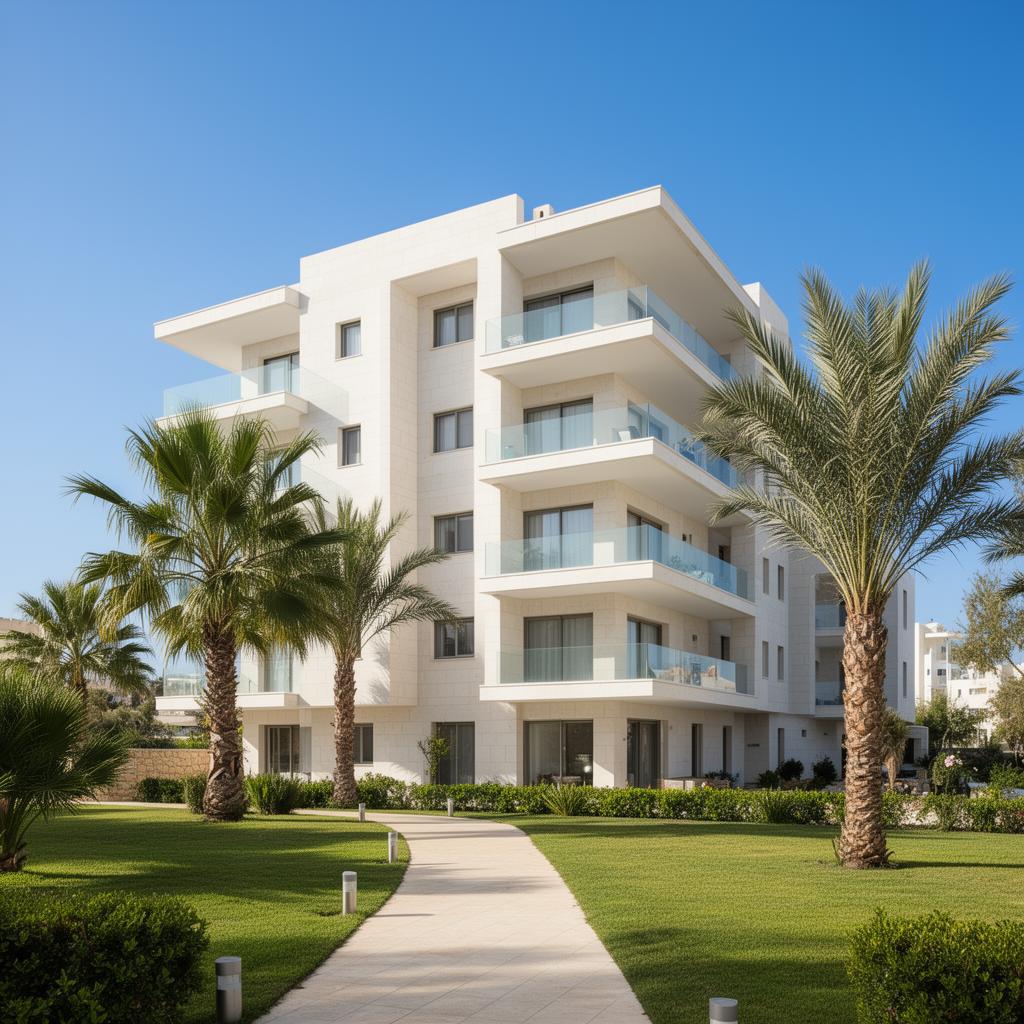

For the astute international investor, Cyprus presents compelling opportunities within its land market. The island's strategic location, coupled with its evolving infrastructure and a robust tourism sector, underpins a sustained interest in land banking. However, unlocking the true potential of Cyprus land plots necessitates a sophisticated understanding of the regulatory landscape, particularly concerning zoning and building coefficients, which fundamentally dictate development scope and value.
The Allure of Land Banking in Cyprus
The strategic acquisition of undeveloped land, or 'land banking,' continues to be a prevalent strategy across various districts in Cyprus, from the bustling urban centres of Limassol and Nicosia to the tranquil coastal stretches of Paphos and Ayia Napa. This approach allows investors to secure prime locations at potentially lower entry points, anticipating future appreciation driven by infrastructure developments or shifts in demand. Recent years have seen significant investment in road networks, marinas, and integrated resorts, further enhancing the long-term prospects of well-chosen land holdings.
While the prospect of significant returns is attractive, the complexity of land investment in Cyprus cannot be overstated. Unlike purchasing existing properties, land transactions require a deeper dive into municipal plans and government policies. A thorough due diligence process is paramount to mitigate risks and ensure that the intended use aligns with regulatory frameworks.
Deciphering Zoning and Building Coefficients
At the heart of land value in Cyprus lie zoning regulations and building coefficients. Zoning dictates the permissible use of a parcel of land, categorising it for residential, commercial, industrial, agricultural, or protected natural areas. A plot designated for residential use, for instance, will have different implications and potential than one earmarked for light industry. Understanding these distinctions is the first critical step.
Building coefficients, often expressed as a percentage, specify the maximum allowed buildable area in relation to the plot size. A coefficient of 90%, for example, on a 1,000 square metre plot permits a total constructed area of 900 square metres. This figure is then further refined by coverage coefficients, which dictate the maximum percentage of the plot that can be covered by structures, and the number of permissible floors. These figures are not static and can vary significantly even between adjacent plots, particularly in areas undergoing urban planning revisions or specific development incentives in locations such as Larnaca or Paphos.
Common Pitfalls to Avoid
- Neglecting detailed due diligence: Always commission comprehensive legal and technical surveys.
- Misinterpreting zoning classifications: Ensure the land's official designation aligns with your development intentions.
- Overlooking access rights: Verify legal and physical access to the plot, particularly for rural or remote holdings.
- Ignoring infrastructure availability: Confirm the proximity and feasibility of connecting to utilities (water, electricity, sewage).
- Failing to account for environmental restrictions: Protected areas or archaeological zones can impose severe development limitations.
- Assuming future re-zoning: Rely only on current, official zoning plans; speculative re-zoning is not guaranteed and can be a protracted process.
"The true value of a Cyprus land plot is not merely its size or location, but rather the development potential afforded by its legal and planning parameters."
Navigating the Regulatory Landscape
Engaging with experienced local professionals is indispensable for navigating the nuances of Cyprus's land regulations. A reputable legal team can clarify property titles, encumbrances, and planning permits, while an architect or civil engineer can accurately assess buildable areas and feasibility. Furthermore, direct engagement with local planning authorities in municipalities like Limassol or Nicosia can provide invaluable insights into future development plans and potential policy shifts.
It is also prudent to consider the broader economic context. While high demand in tourism hotspots such as Ayia Napa or coastal Limassol might suggest higher building coefficients, this is not always the case. Policies often balance development with environmental preservation and infrastructure capacity. A nuanced understanding, therefore, becomes a significant competitive advantage.
An Informed Outlook for Cyprus Land Plots
Investing in Cyprus land plots remains a potent strategy for capital appreciation and development. However, success hinges on a meticulous, informed approach that respects the intricacies of local planning laws and market dynamics. By thoroughly understanding zoning classifications, building coefficients, and potential limitations, international buyers can confidently identify and secure assets that align with their investment objectives.
The Cyprus property market continues its trajectory of growth, offering diverse opportunities from urban redevelopment to prime coastal plots. With careful planning and expert guidance, land banking in Cyprus can prove to be a highly rewarding endeavour for those looking to establish a significant foothold on this Mediterranean island.