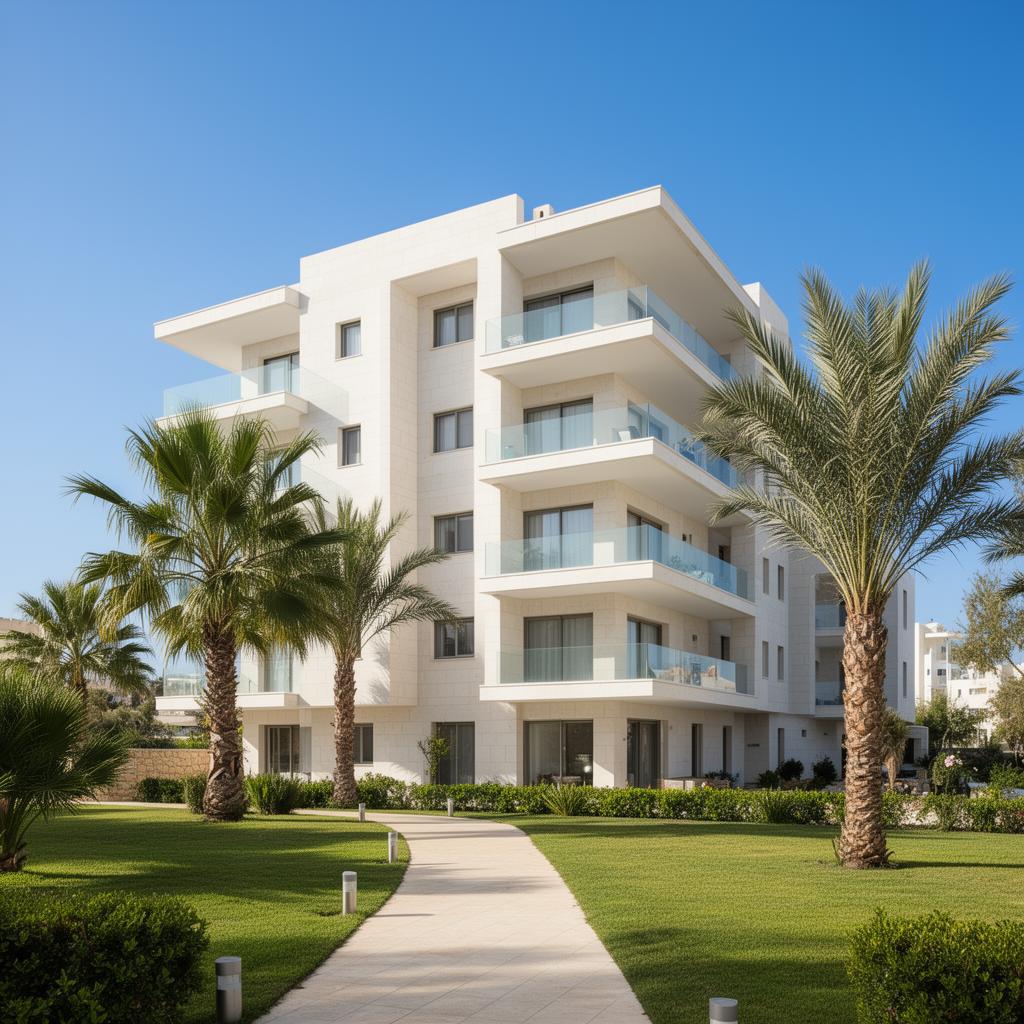

The acquisition of Cyprus land plots for development or long-term value appreciation remains a cornerstone strategy for many investors looking towards the Mediterranean. While the allure of the island's burgeoning economy and lifestyle is undeniable, successful land banking is predicated on a meticulous understanding of its complex planning framework. Navigating zoning regulations and building coefficients is not merely administrative; it is fundamental to unlocking a plot's true potential and ensuring a sound investment.
The Evolving Landscape of Cyprus Zoning
Cyprus's planning zones are designed to regulate land use across the island, categorising areas for residential, commercial, industrial, agricultural, and protected purposes. These designations are not static; they evolve in response to economic development, environmental concerns, and strategic urban planning objectives in cities such as Limassol, Paphos, and Larnaca. Investors must recognise that a plot's current zoning, while indicative, may be subject to future revisions, underscoring the importance of forward-looking due diligence.
Major urban areas like Nicosia and Limassol typically feature denser residential and commercial zones, reflecting their economic activity. Conversely, coastal regions, including parts of Ayia Napa and Paphos, often have more restrictive building parameters to preserve natural beauty and prevent overdevelopment. Understanding the specific characteristics and future plans for each district is paramount before engaging with Cyprus land plots.
Decoding Building Coefficients
Building coefficients, comprising building density and coverage, are critical metrics that dictate the permissible scale of development on any given plot. Building density refers to the total area of all floors of a building that can be constructed relative to the plot's size, expressed as a percentage. This figure directly impacts the number and size of units that can be developed, thus influencing potential returns.
Building coverage, conversely, specifies the maximum percentage of the plot's horizontal area that can be covered by buildings at ground level. These coefficients, alongside maximum height limits and the number of floors, collectively shape the architectural envelope of future developments. For instance, a plot in a premium residential area of Limassol might permit a higher density than an agricultural plot outside Paphos, profoundly affecting its commercial viability.
Pitfalls to Avoid in Land Acquisition
- Neglecting comprehensive due diligence: Always commission independent legal and planning surveys.
- Overlooking encumbrances: Check for rights of way, utility easements, or hidden debts.
- Misinterpreting planning permits: Ensure all necessary permits are obtainable for your intended use before commitment.
- Ignoring infrastructure limitations: Assess availability of utilities, road access, and proximity to services.
- Underestimating environmental considerations: Be aware of protected area designations or ecological sensitivities on specific Cyprus land plots.
"A meticulous assessment of a land plot's regulatory environment is not merely a formality; it is the bedrock of a prudent investment strategy in Cyprus."
Strategic Considerations for Discerning Investors
For high-net-worth individuals contemplating the acquisition of Cyprus land plots, a strategic approach transcends mere financial analysis. Engaging with local planning experts and reputable legal counsel early in the process is not optional; it is imperative. Their insights can uncover nuances in local planning policies, future development plans for an area, and potential re-zoning opportunities or risks.
Consider the long-term vision for your investment. Are you seeking immediate development potential, or are you positioning for future value appreciation as infrastructure expands or zoning regulations loosen in areas like Larnaca or emerging districts near Limassol? Your investment horizon will significantly influence the type of land plot and location best suited to your objectives.
Concluding Outlook
The market for Cyprus land plots continues to present compelling opportunities for sophisticated investors. However, success is inextricably linked to a thorough understanding of the regulatory landscape and the specific characteristics of individual parcels. By meticulously navigating zoning, comprehending building coefficients, and diligently avoiding common pitfalls, investors can confidently secure assets that align with their strategic financial and lifestyle goals on this desirable Mediterranean island.