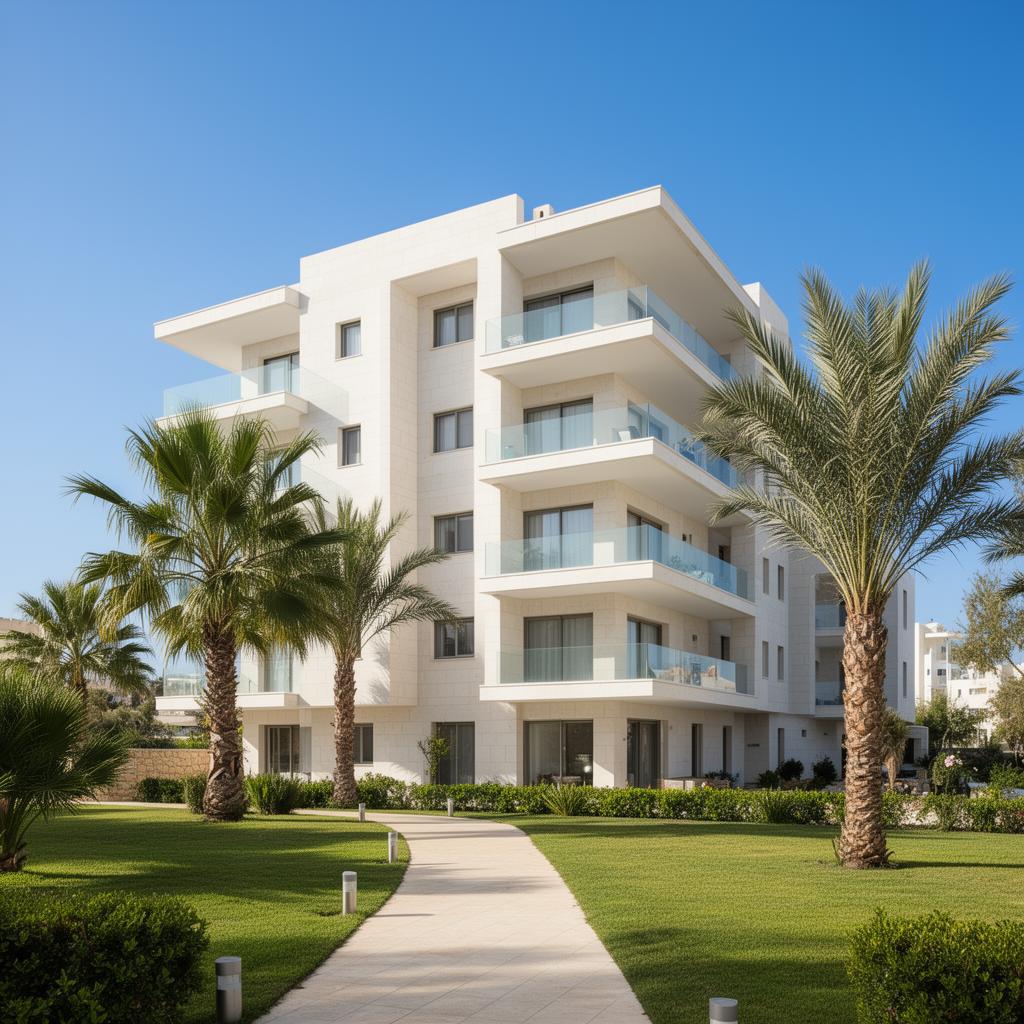

The allure of Cyprus land plots for investment is undeniable, attracting discerning high-net-worth individuals seeking long-term capital appreciation and strategic development opportunities. However, navigating the intricacies of land acquisition on the island demands a profound understanding of local regulations, particularly concerning zoning and building coefficients. These critical factors dictate a plot's development potential and, consequently, its true value.
The Fundamentals of Cypriot Land Classification
Cyprus employs a sophisticated system of land classification, segmenting the island into various zones each with specific permitted uses and development parameters. These zones are meticulously defined by the Town Planning Department and are crucial for any prospective land banking venture. Understanding whether a plot is designated for residential, commercial, industrial, tourist, or even protected agricultural use is the very first step in due diligence.
For instance, a plot near the burgeoning Limassol marina area will likely fall under a different zoning category than one nestled in the rural hinterlands of Paphos. Each zone carries distinct implications for what can be built, to what extent, and often, how quickly. Misinterpreting these classifications can lead to significant financial missteps and protracted delays.
Decoding Building Coefficients and Coverage Ratios
Beyond zoning, the building coefficient (or building density) and coverage ratio are paramount. The building coefficient determines the maximum total area of all floors that can be constructed on a plot, relative to the plot's size. A coefficient of 0.90 means that on a 1,000 sqm plot, a maximum of 900 sqm of covered area can be developed across all levels.
The coverage ratio, conversely, defines the maximum percentage of the plot that can be covered by buildings at ground level. These ratios vary dramatically depending on the specific zone and can range from as low as 0.05 (for agricultural or protected areas) to 1.20 or more (for dense urban centres like Nicosia or prime coastal areas in Ayia Napa). These figures directly impact the scale and profitability of any planned development.
Practical Considerations for Informed Decisions
- **Thorough Due Diligence:** Always engage expert legal and architectural counsel to verify zoning, coefficients, and any encumbrances. Relying solely on seller information can be perilous.
- **Access and Infrastructure:** Assess existing and planned infrastructure, including road access, utility connections (water, electricity, sewage), and telecommunications. Remote plots, even with favourable coefficients, may incur substantial development costs.
- **Environmental and Archaeological Restrictions:** Certain areas, particularly along the Larnaca coastline or near historical sites, may have environmental or archaeological designations that severely restrict development. These are often non-negotiable.
- **Future Planning Policies:** Remain appraised of potential changes in town planning policies. While generally stable, re-zoning initiatives can occur, potentially altering a plot's value or development scope. This is particularly relevant in rapidly developing areas like Limassol.
- **Permit Acquisition Timelines:** Understand that obtaining building permits can be a lengthy process in Cyprus. Factor this into any investment timeline, especially for larger projects.
Common Pitfalls to Avoid
One significant pitfall is purchasing land without clear title deeds or with unresolved ownership disputes. Another common error is underestimating the cost and complexity of bringing utilities to undeveloped land. Furthermore, some investors overlook the potential for compulsory acquisition by the state for public works, a risk that professional guidance can help identify and mitigate.
"“The true value of Cyprus land plots lies not merely in their square meterage, but in the intricate layers of permissible use and achievable density as defined by meticulous town planning regulations.”"
An Outlook on Strategic Land Banking
For the astute investor, Cyprus land plots continue to offer compelling opportunities for wealth creation. Strategic land banking, particularly in areas earmarked for future urban expansion or tourism development – such as the periphery of Paphos, the eastern districts of Limassol, or specific areas within Ayia Napa – can yield substantial returns. However, this necessitates a detailed understanding of the regulatory landscape and a disciplined approach to due diligence.
By meticulously evaluating zoning, building coefficients, and potential constraints, investors can transform raw land into highly valuable assets. The key is to approach each acquisition with an informed perspective, ensuring that the inherent potential of the land aligns perfectly with the intended development vision and market demand.