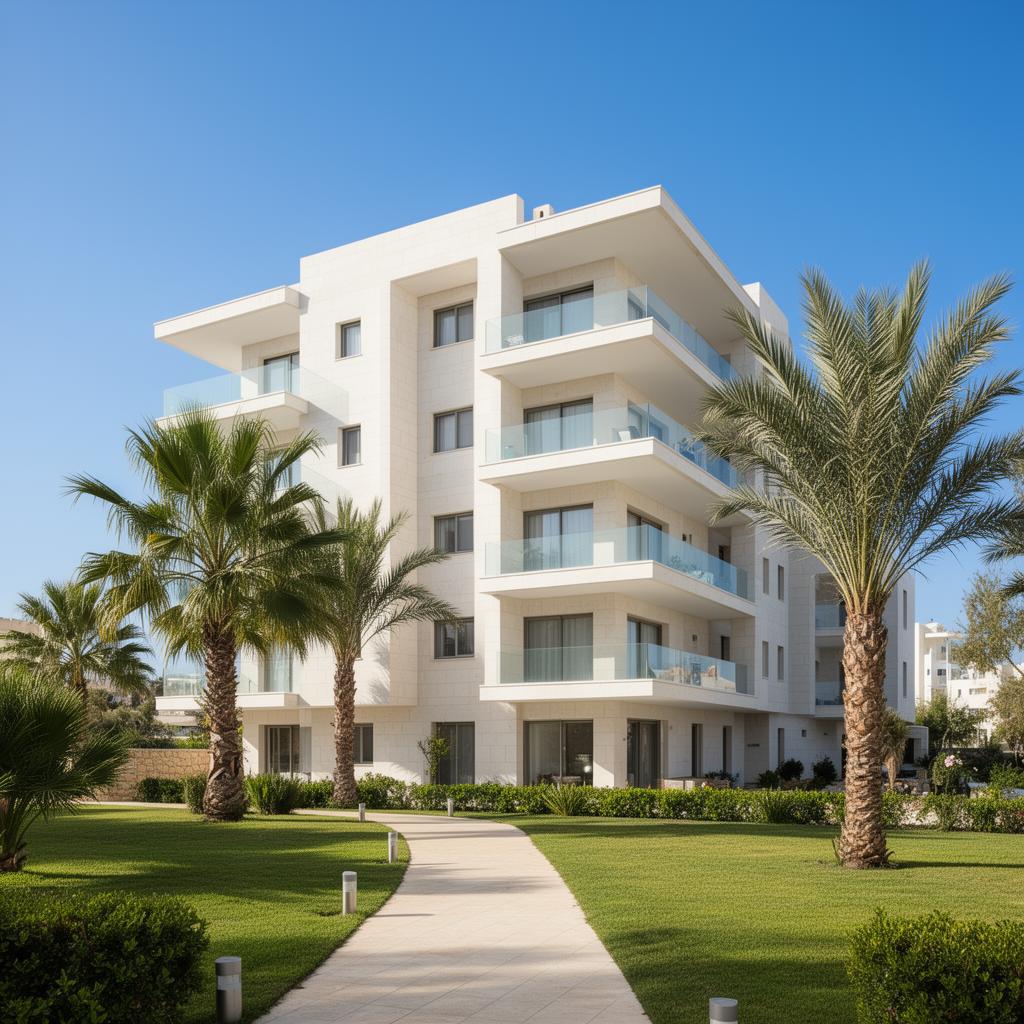

For the astute investor, Cyprus presents compelling opportunities beyond established built environments. The acquisition of raw land, often termed 'land banking', offers a distinct avenue for capital appreciation, particularly when underpinned by a comprehensive understanding of the island's regulatory landscape. This strategy hinges less on immediate returns and more on foresight, anticipating future development and infrastructure shifts that elevate plot value over time.
The Fundamentals: Zoning and Its Implications
Understanding zoning in Cyprus is paramount for any significant land acquisition. The Department of Town Planning and Housing categorises land into various zones, each dictating permissible uses and development intensity. These zones range from residential (Ka, K, H), commercial (E), industrial (B), and tourist (T) to agricultural (G, Z) and protected areas (Δ). Each classification directly impacts a plot's potential and, consequently, its inherent value.
For instance, a plot zoned for residential use in a desirable suburb of Limassol will have significantly different development potential than an agricultural plot in a rural Larnaca district. The zoning designation outlines what can legally be built on the land – from detached villas to high-rise apartments, or even a commercial complex. Neglecting to thoroughly investigate these designations can lead to considerable financial missteps and unfulfilled expectations.
Deciphering Building Coefficients
Hand-in-hand with zoning are the building coefficients, crucial metrics that define the maximum permissible development on a given plot. These typically include the Building Density Coefficient (SD), Coverage Coefficient (K), and the maximum number of floors and building height. The Building Density Coefficient (SD) indicates the total square metres of covered area that can be constructed in relation to the plot's area.
For example, a plot of 1,000 square metres with a building density of 90% allows for 900 square metres of covered construction area. The Coverage Coefficient (K), conversely, specifies the maximum percentage of the plot that can be covered by ground-floor structures. These figures vary dramatically across different zones and municipalities, from the dense urban centres of Nicosia to the expansive, lower-density areas bordering the coast near Paphos or Ayia Napa. Acquiring land with an understanding of these coefficients ensures that development expectations are realistic and compliant.
The Perils of Overlooking Due Diligence
The allure of Cyprus land plots can sometimes overshadow the necessity of rigorous due diligence. Beyond zoning and coefficients, a comprehensive investigation must encompass several critical aspects to mitigate risks and protect an investment. This extends far beyond a simple title deed check.
- Encumbrances and Mortgages: Verifying that the land is free from any charges, liens, or undisclosed mortgages.
- Access Rights: Ensuring clear and legal access to the plot, as landlocked parcels can significantly diminish value.
- Utilities and Infrastructure: Assessing the proximity and availability of essential services such as water, electricity, and sewage systems. Connecting to these services can be a substantial additional cost if infrastructure is distant.
- Environmental and Archaeological Restrictions: Certain areas may be subject to protection orders due to natural beauty, ecological significance, or historical findings, limiting development.
- Road Widening Schemes: Investigating whether any portion of the plot is designated for future road widening, which could reduce usable area.
- Boundary Disputes: Confirming exact plot boundaries to avoid future disagreements with neighbouring landowners.
Neglecting any of these elements can lead to unforeseen expenses, project delays, or even render a development unfeasible. Engaging local legal and surveying professionals with a proven track record in Cypriot land transactions is not merely advisable; it is indispensable for a secure acquisition.
Strategic Outlook for Cyprus Land Plots
The long-term appeal of Cyprus land plots remains robust for those with a strategic perspective. Continued investment in infrastructure, particularly in cities like Limassol and the burgeoning areas of Paphos, coupled with the island’s enduring appeal as a lifestyle and business hub, underpins this confidence. Identifying areas poised for future growth, whether due to new marinas, educational institutions, or significant commercial ventures, offers a clear advantage.
Successful land banking in Cyprus is less about speculation and more about informed, patient investment. By meticulously understanding the regulatory environment, particularly zoning and building coefficients, and by conducting exhaustive due diligence, high-net-worth individuals can unlock substantial value from their Cyprus land plots, positioning themselves favourably within the island's evolving real estate narrative.