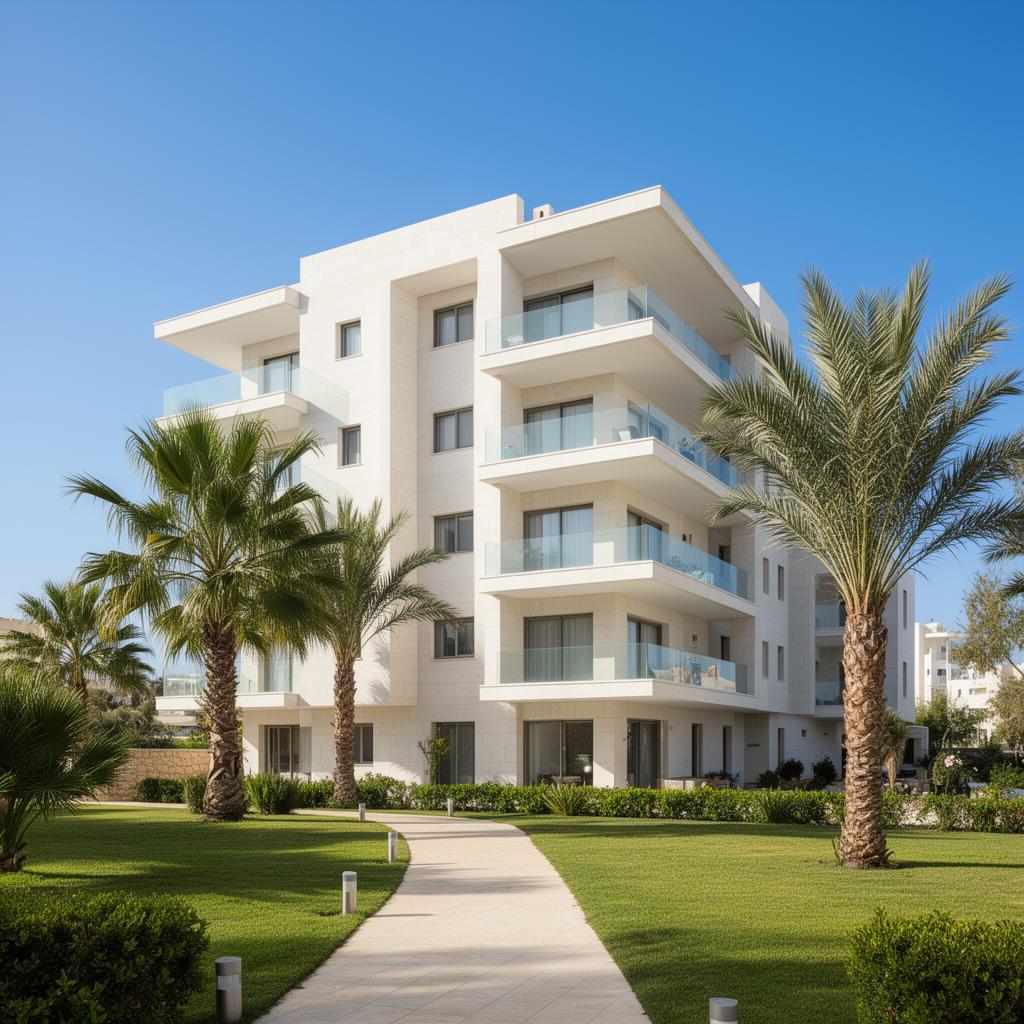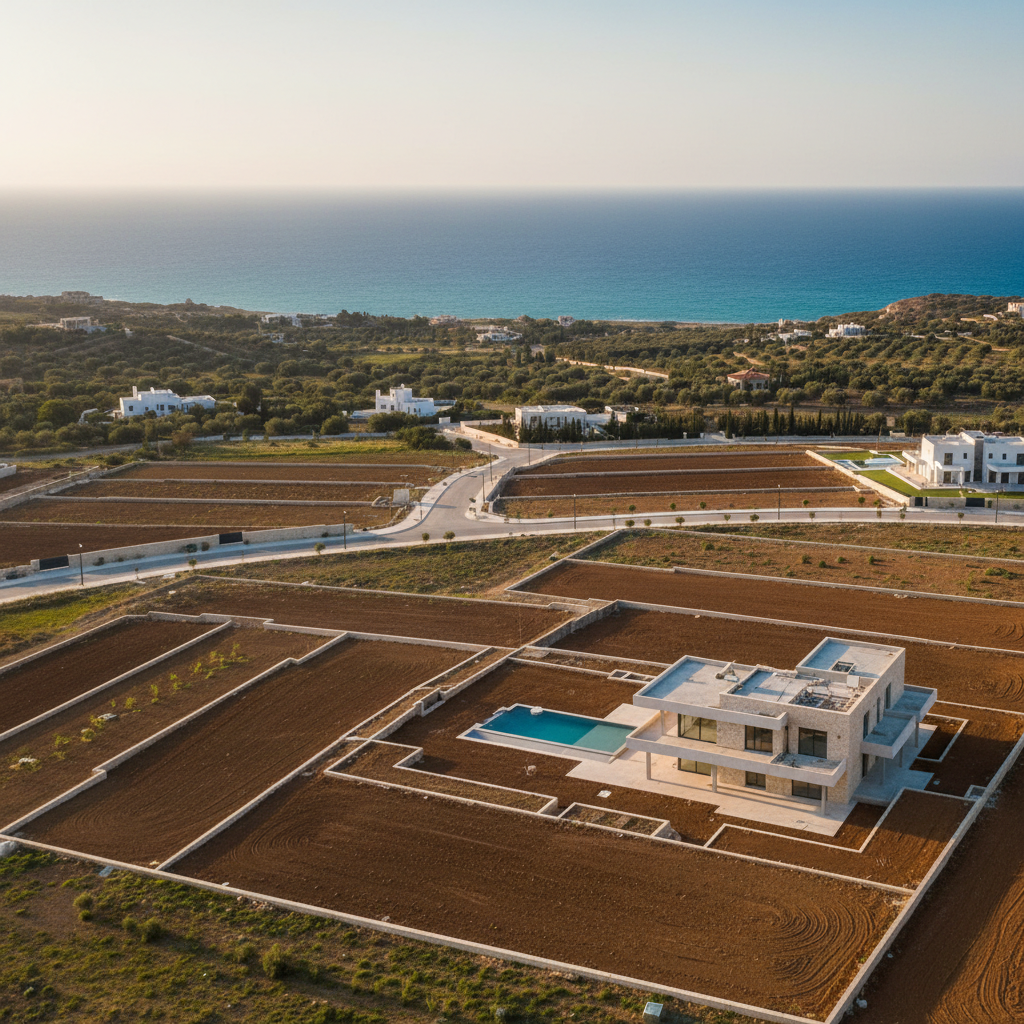
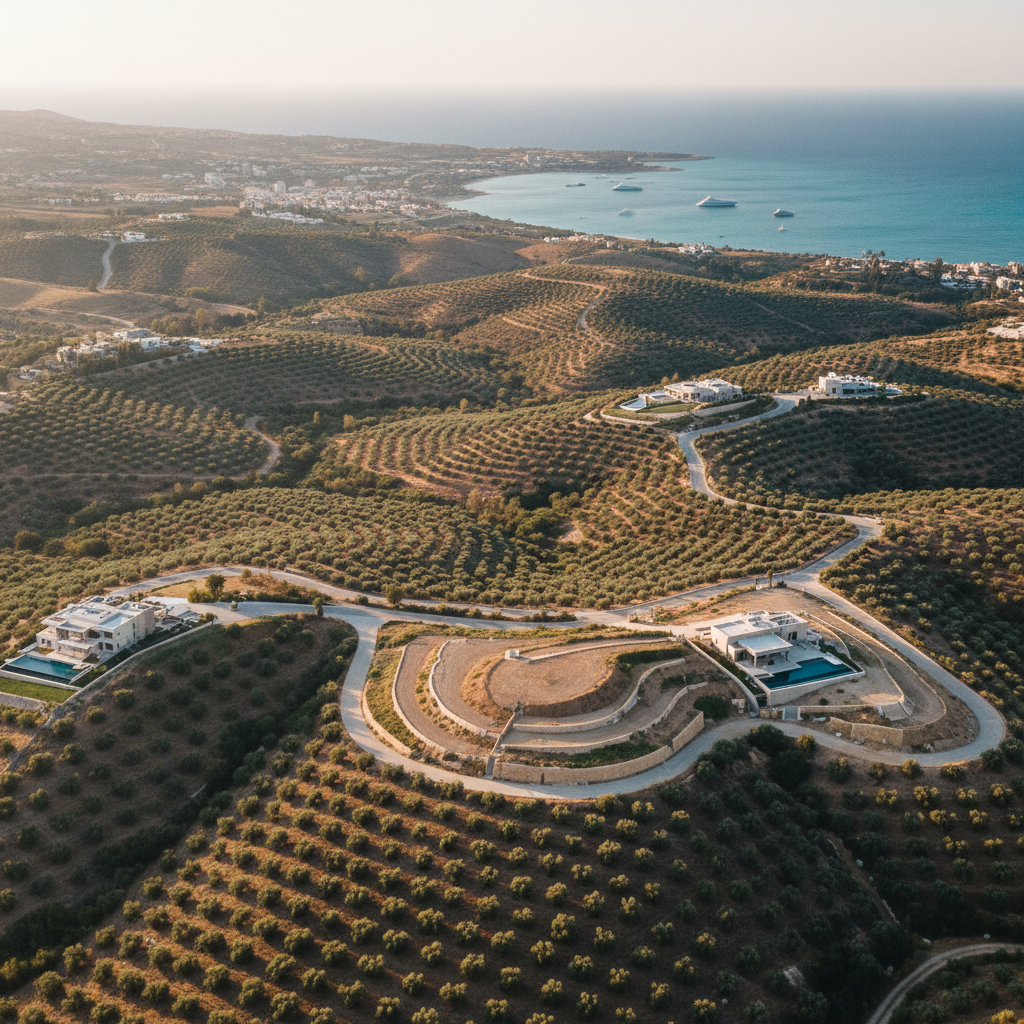
Land banking in the Republic of Cyprus has long represented a patient, defensive vehicle for international capital seeking exposure to the Mediterranean's most resilient legal and fiscal jurisdiction. Yet the divergence between speculative rural acreage and institutional-grade residential or commercial land is stark. Acquiring Cyprus land plots requires an uncompromising grasp of planning zones, access infrastructure, and the legal mechanics governing development rights.
The Anatomy of Zoning Cyprus: Understanding Town Planning Codes
Every square metre of territory in Cyprus is governed by local plans (Topika Schedia) or the Policy Statement for the Countryside. These frameworks designate land parcels into specific codes that govern use, such as residential (often designated with 'H' or 'Ka'), tourist ('T'), agricultural ('G'), or protected ('Z'). Zoning Cyprus classifications dictate not merely what can be constructed, but whether a parcel can be legally connected to essential municipal utilities. For instance, prime parcels on the eastern periphery of Larnaca or the coastal corridors between Paphos and Polis Chrysochous often appear interchangeable to the untrained eye, yet their statutory designations can restrict building rights entirely.
Building Density, Coverage, and Structural Coefficients
Valuation hinges primarily on the building coefficient (density ratio) and maximum site coverage. The building coefficient determines the total permissible internal floor area expressed as a percentage of the gross plot size, while site coverage governs the building footprint at ground level. A residential parcel in an established district of Limassol might command a density ratio of 100% or 120%, enabling multi-storey residential schemes, whereas a rural enclave on the outskirts of Nicosia may carry a density of just 10% or 6%. Failing to calculate the net buildable square metres—after mandatory deductions for green areas and road widening—remains one of the most frequent miscalculations among overseas buyers.
"A parcel's nominal price per square metre is entirely meaningless without an exact verification of its net developable envelope and statutory access rights."
Critical Pitfalls: What Overseas Investors Must Avoid
- Landlocked parcels lacking direct registration to a public asphalt road, which prevents the issuance of immediate building permits.
- Undivided shares in larger agricultural estates, where co-owners hold fractional title without legally demarcated boundaries or partition agreements.
- Proximity to protected Natura 2000 zones, forestry reservations, or ancient monuments that impose severe environmental and height constraints.
- Subterranean utilities, unregistered rights of way, or seasonal stream beds that require significant setback buffers.
In locations such as Ayia Napa and Protaras, where tourist zoning ostensibly allows commercial leisure developments, secondary regulations frequently stipulate minimum plot sizes of 2,000 to 4,000 square metres before an application can even be lodged. Investors who purchase sub-sized parcels in these resort corridors with the intention of developing private luxury villas frequently discover their plots are undevelopable without securing adjacent land. Such oversights inevitably tie up capital in illiquid holdings that yield neither rental income nor capital growth.
Due Diligence Framework and Strategic Outlook
Successful land acquisition in Cyprus is fundamentally a forensic discipline. Before capital is committed, a comprehensive planning search with the Department of Lands and Surveys and the Department of Town Planning and Housing is indispensable. This audit confirms registered road access, topographic gradients, geological stability, and the absolute absence of third-party encumbrances or historical mortgages.
Looking forward, urban expansion along the Limassol coastline and the regeneration of Larnaca's port and marina districts continue to apply upward pressure on strategically positioned infill land. For family offices and private collectors of tangible real estate, acquiring fully entitled, titled plots in resilient districts remains one of the purest wealth-preservation plays in the southern Mediterranean. The prerequisite, however, is looking past scenic value and anchoring every decision in the statutory realities of the land registry.