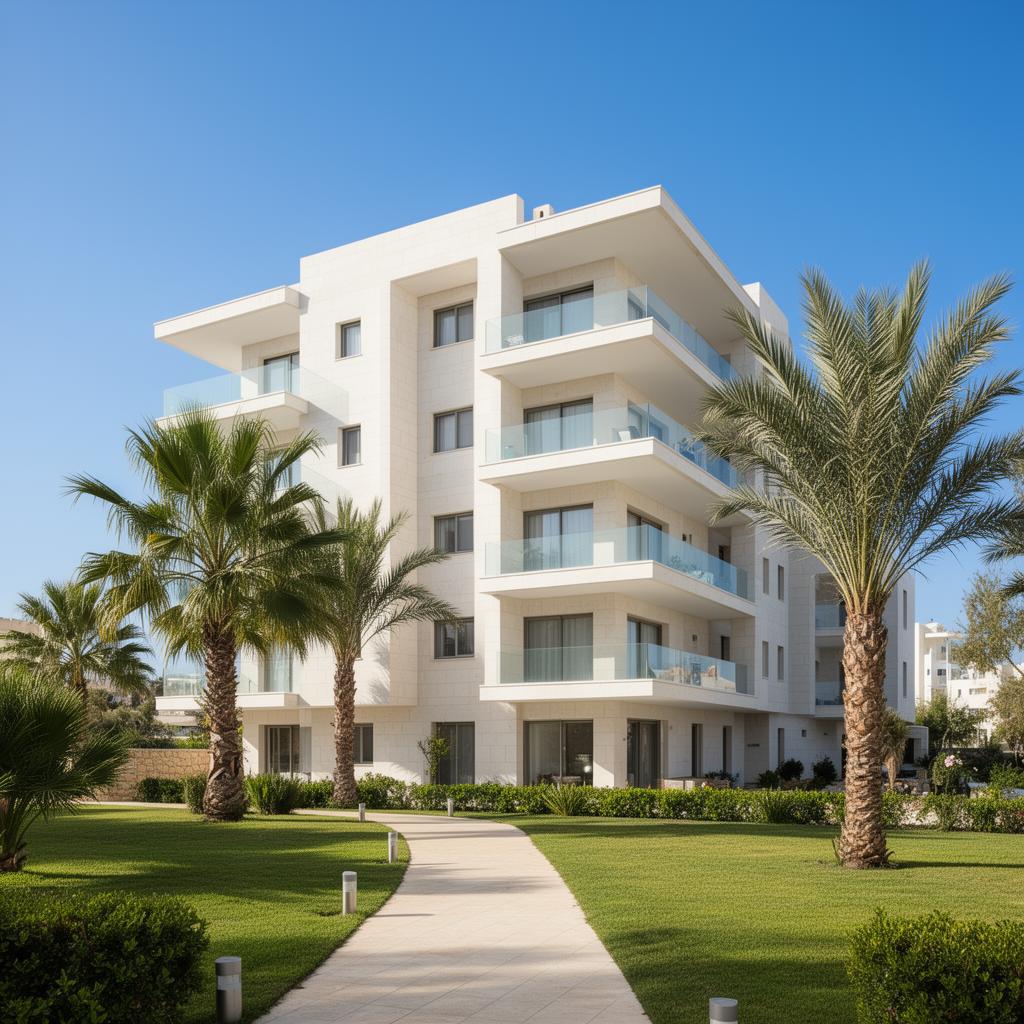

Acquiring property in a new country presents a unique blend of excitement and complexity. For discerning buyers exploring the vibrant real estate market of Cyprus, understanding the foundational elements of property ownership — specifically title deeds, VAT, and transfer fees — is not merely advisable, but essential. These components form the bedrock of a secure and financially sound investment, directly impacting both the legal standing and the overall cost of an acquisition across desirable locales such as Limassol, Paphos, or Larnaca.
The Cornerstone of Ownership: Cyprus Title Deeds
The 'Title Deed,' or 'Kochan' in Greek, is the most crucial document in Cyprus property ownership. It is the official certificate of registration issued by the Department of Land and Surveys, proving undeniable legal ownership of a property. Without a valid title deed, ownership of a property cannot be conclusively proven or transferred.
Historically, delays in title deed issuance were a concern in some instances, particularly for older developments. However, legislative reforms and increased governmental oversight have significantly streamlined the process for newer properties. Reputable developers now typically offer properties with clear title deeds either already issued or with a robust timeline for their issuance, providing peace of mind for buyers considering a villa in Ayia Napa or an apartment in Nicosia.
Navigating Property Taxes: VAT Implications
Value Added Tax (VAT) is a significant consideration when purchasing new property in Cyprus. The standard VAT rate on new residential properties is 19%. However, a reduced VAT rate of 5% can apply under specific conditions for primary residences.
To qualify for the reduced 5% VAT rate, the property must be the applicant's main and permanent residence in Cyprus, and the applicant must not own any other property in Cyprus that was purchased with the reduced VAT rate. This concession is typically available for properties up to a certain size and value, and it is a substantial saving that warrants careful attention during the acquisition process.
Understanding Property Transfer Fees
Property Transfer Fees are payable to the Department of Land and Surveys upon the transfer of ownership into the buyer's name. These fees are calculated on the property's market value as assessed by the Department at the time of purchase. The rates are tiered, meaning a progressive scale applies based on the value of the property.
- Up to €85,000: 3%
- From €85,001 to €170,000: 5%
- Above €170,001: 8%
It is worth noting that for joint ownership, the purchase value is divided between the owners for calculation purposes, potentially leading to a lower overall fee. Additionally, recent legislative changes have sometimes offered reductions or exemptions, particularly for properties subject to VAT. It is always prudent to consult with legal professionals to understand the most current regulations applicable to your specific purchase, whether it be a luxury flat in a marina-side tower in Limassol or a tranquil retreat in the Paphos hills.
A Buyer's Checklist for Seamless Acquisition
Before committing to any purchase, engage with independent legal counsel experienced in Cyprus property law. They will conduct due diligence, ensuring the property has a clean title, reviewing all contracts, and verifying the developer's credentials. This step is critical for safeguarding your investment and understanding all associated property taxes in Cyprus.
"Securing your investment in Cyprus goes beyond the aesthetics of a property; it hinges on the clarity of its title and the precision of its financial structuring."
Furthermore, factor all associated costs — legal fees, stamp duty, VAT, and transfer fees — into your initial budget. This comprehensive financial overview prevents unforeseen expenses and ensures a smooth transaction. Being well-informed about the nuances of Cyprus title deeds and the tax landscape empowers you to make decisions with confidence and clarity, whether your sights are set on the bustling capital of Nicosia or the serene coastlines of Larnaca.
Concluding Thoughts on Investment Security
The Cyprus property market continues to attract a sophisticated international clientele, drawn by its strategic location, favourable tax regime, and unparalleled lifestyle. By meticulously addressing the legal and financial parameters outlined here, particularly those concerning Cyprus title deeds and the various property taxes, buyers can navigate the acquisition process with assurance. This due diligence ensures that your investment in a Cypriot property remains a source of enduring value and pleasure.