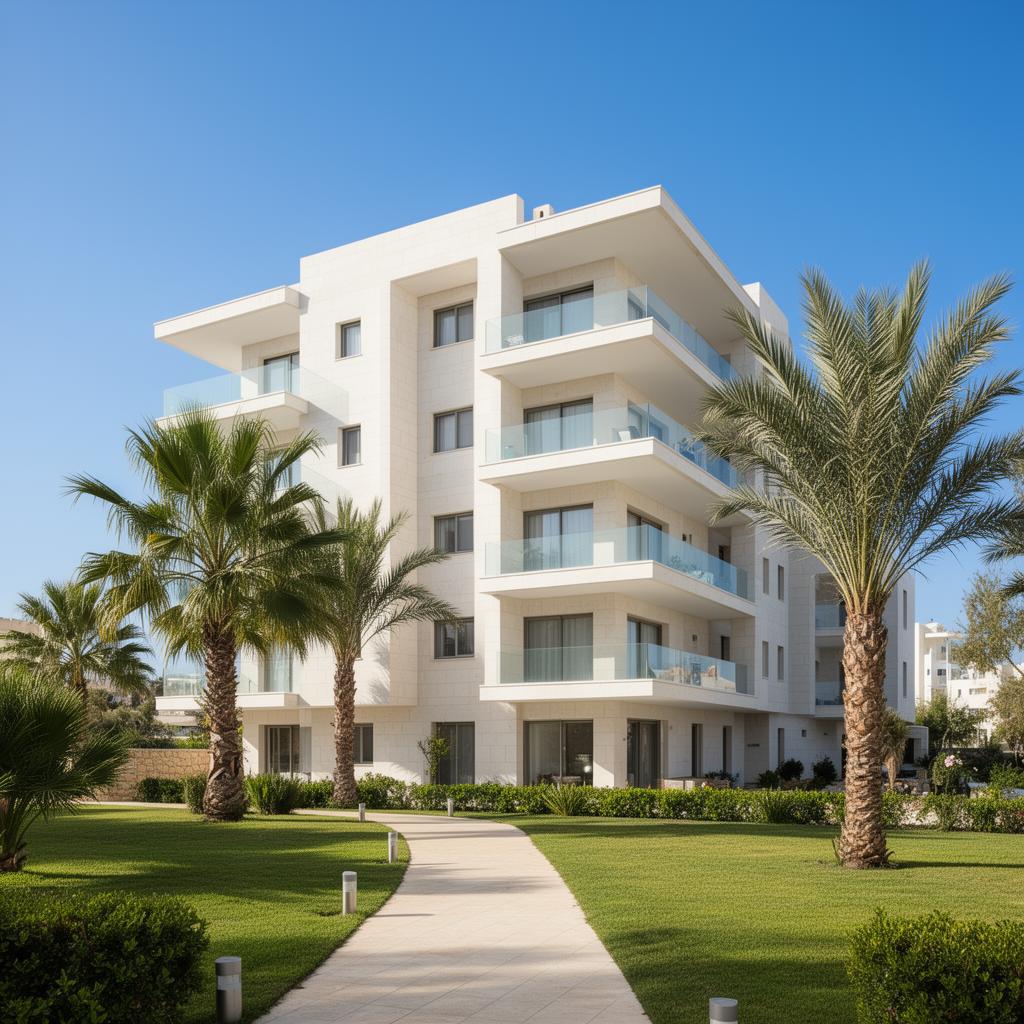

The acquisition of undeveloped land, or 'land banking', represents a sophisticated approach to real estate investment, particularly within dynamic markets like Cyprus. For the discerning high-net-worth individual, strategic land purchases offer not merely a passive asset but a canvas for significant future value creation. This strategy, however, demands a meticulous understanding of the island's unique planning framework, most notably its zoning regulations and building coefficients, which fundamentally dictate development potential.
The Allure of Cyprus Land Plots
Cyprus, with its strategic geographical position and growing economy, continues to attract substantial international investment. Land plots across the island, from the bustling Limassol coastline to the tranquil hills of Paphos and the emerging urban centres of Larnaca and Nicosia, present diverse opportunities. The long-term appreciation potential of well-located land, particularly within areas designated for future growth or infrastructure development, can be considerable.
Unlike developed properties, raw land offers flexibility, allowing investors to capitalise on evolving market demands or to hold for significant capital gains without the immediate commitments of construction. This makes it an attractive proposition for those with a patient and strategic outlook. Understanding the specific characteristics of each region, such as its tourism appeal in Ayia Napa or its business prominence in Nicosia, is crucial for informed decisions.
Mastering Cyprus Zoning Regulations
Zoning, or town planning zones, constitutes the bedrock of any land investment decision in Cyprus. These regulations classify land use into distinct categories, such as residential, commercial, industrial, agricultural, and protected zones, each with its own set of rules. A plot designated for residential use will have vastly different development parameters than one in an agricultural zone, directly impacting its potential and value.
Navigating the various municipal and district planning departments is essential to ascertain a plot's official classification. Investors must secure up-to-date town planning certificates for any prospective Cyprus land plots to confirm their permitted use. Misinterpreting these designations can lead to significant delays, unforeseen costs, or even render a development project unfeasible.
Decoding Building Coefficients
Beyond zoning, building coefficients are the quantitative metrics that define the scope of development allowed on a particular plot. These include the Building Coefficient (also known as Density Factor), the Coverage Coefficient, and the number of permissible floors.
- **Building Coefficient (Density Factor):** This percentage indicates the maximum total area of all floors of a building that can be constructed on a plot, relative to the plot's total area. For instance, a 90% coefficient on a 1,000 sqm plot allows for 900 sqm of total internal building area.
- **Coverage Coefficient:** This percentage specifies the maximum area of the plot that can be covered by buildings at ground level. A 50% coverage on a 1,000 sqm plot means the building's footprint cannot exceed 500 sqm.
- **Number of Floors:** This simply denotes the maximum number of storeys permitted for construction, often accompanied by a maximum building height restriction. These factors collectively determine the commercial viability and scale of any proposed development.
"The true value of a land plot in Cyprus is not merely its size, but its potential, meticulously defined by its zoning and building coefficients."
Pitfalls to Avoid
Several common missteps can undermine land banking strategies in Cyprus. Foremost among these is neglecting thorough due diligence on the plot's title deeds to confirm legal ownership and absence of encumbrances. Furthermore, failing to verify access rights, utility connections (electricity, water, sewerage), and potential easements can significantly impact a plot's developability and cost.
Another critical oversight is underestimating the time and complexity involved in obtaining necessary permits and approvals, which can be extensive, particularly for larger projects or in environmentally sensitive areas. Engaging experienced local legal and planning consultants is not merely advisable; it is imperative to navigate these complexities effectively and mitigate risks.
A Strategic Outlook on Cyprus Land Plots
For the astute investor, Cyprus land plots continue to offer a compelling proposition for portfolio diversification and long-term capital growth. The key lies in approaching the market with diligence, seeking expert advice, and maintaining a comprehensive understanding of the regulatory landscape. Whether considering a prime parcel in Limassol or a future-proof investment near the new Larnaca Marina, informed decisions are paramount.
By meticulously evaluating zoning, building coefficients, and potential infrastructure developments, investors can identify opportunities that align with their objectives, transforming raw land into a cornerstone of a robust investment strategy. The future of Cyprus property is dynamic, and strategically acquired land is positioned to benefit significantly from its continued evolution.